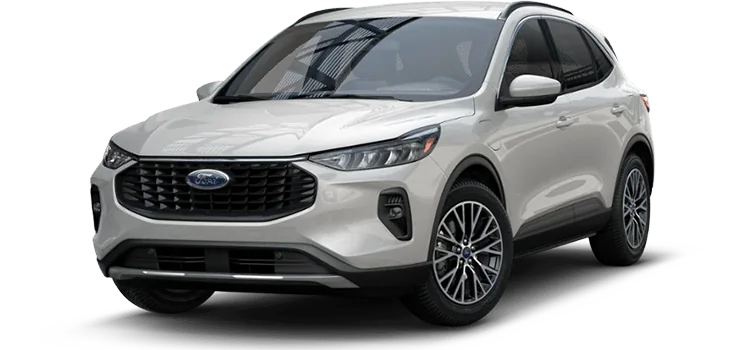
The Ford EV price in Canada starts at $44,294 for the Escape Plug-In Hybrid and runs up to $97,595 for a fully equipped F-150 Lightning. This page tracks the current Canadian price of Ford's electrified lineup - the Mustang Mach-E, F-150 Lightning, E-Transit van and the Escape plug-in hybrid - with range, specs and trim-by-trim pricing in CAD, updated regularly.
Whether you are comparing the Mustang Mach-E against a Tesla Model Y or sizing up the F-150 Lightning against a Rivian R1T, this page lays out Ford's mix of electric cars and trucks and their rebate picture so you can decide where the value lies.
Ford Models & Prices in Canada (2026)
Ford EV FAQs
About Ford Electric Vehicles in Canada (2026)
Ford currently offers 13 electric vehicle variants in Canada, with prices ranging from C$44,294 to C$97,595. The lineup covers battery capacities from 14.4 kWh to 131 kWh, offering claimed ranges between 60 km and 515 km on a single charge.
All Ford EVs available in Canada support DC fast charging for quick top-ups during long trips, and can be charged at home using standard AC charging. Running costs are significantly lower than gas vehicles, typically C$40 to 80 per month for daily commuting in the Greater Toronto Area, compared to C$250 to 350 for an equivalent gas car.
Ford EV incentives & rebates in Canada
As of 2026 the federal Electric Vehicle Affordability Program (EVAP) offers up to $5,000 off a new battery-electric vehicle when the final transaction value is $50,000 or less for imported models. For Ford, the entry trims of the Mustang Mach-E (from $44,995) start under the cap and can qualify for the full BEV rebate, while the F-150 Lightning ($69,990) and E-Transit ($71,695) sit above it. The Escape Plug-In Hybrid ($44,294) is a PHEV, so it falls under the lower $2,500 plug-in tier rather than the full $5,000. Quebec (~$2,000) and PEI (~$4,000) add provincial top-ups where eligible.
▸Ford EV buyer's guide (Canada 2026)
Ford electric models and prices in Canada
Ford's electrified lineup pairs a popular electric crossover with electric versions of its best-known truck and van:
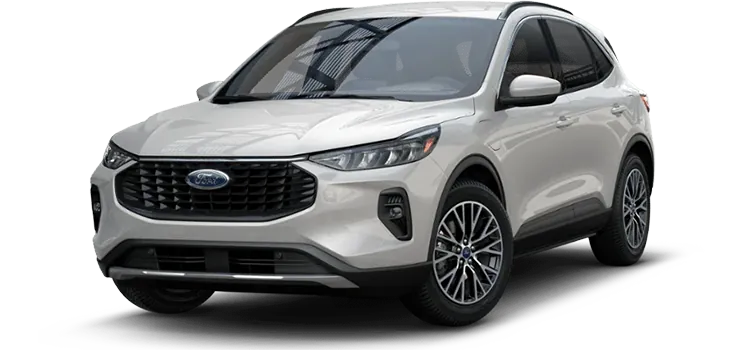
- Escape Plug-In Hybrid - from $44,294, with about 60 km of electric-only range before the gas engine assists. A PHEV gateway for buyers not ready to go fully electric.
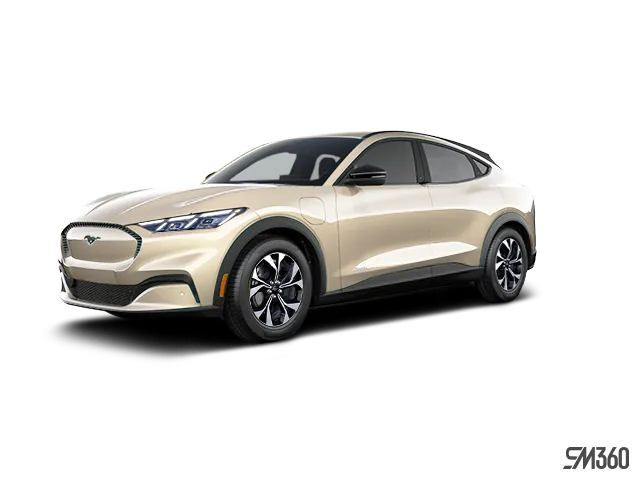
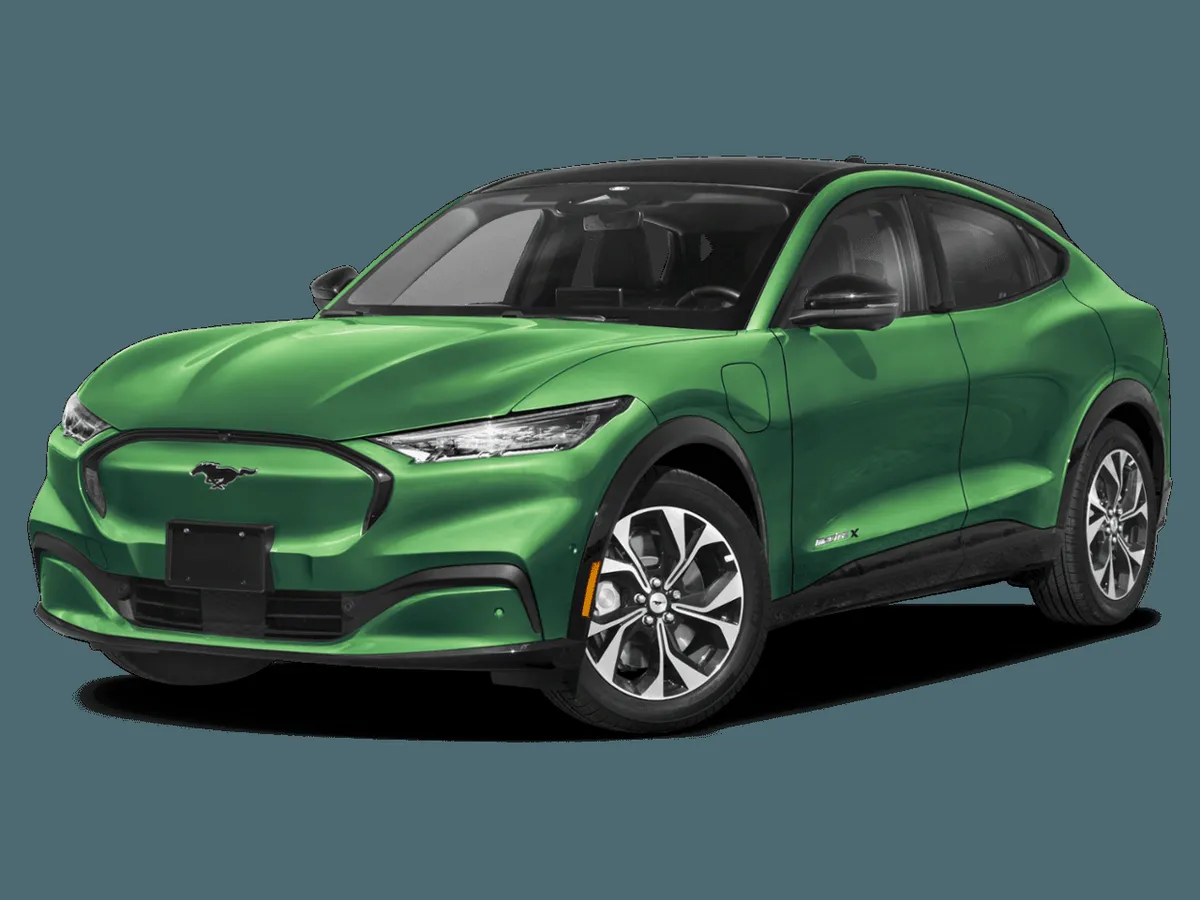
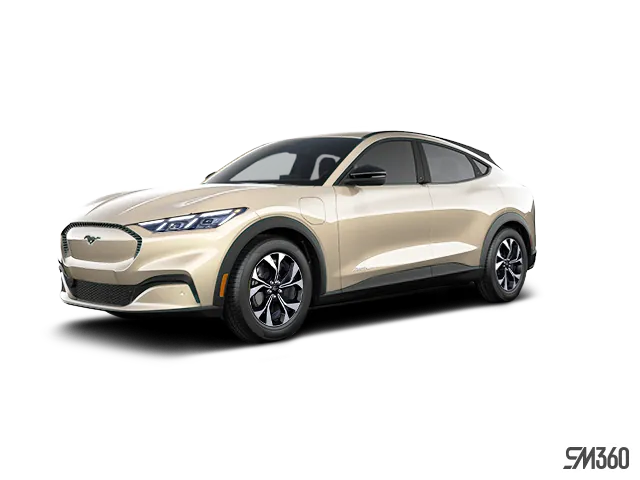
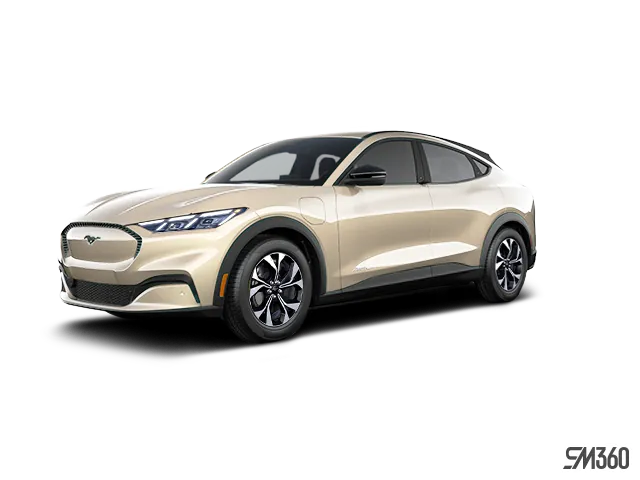
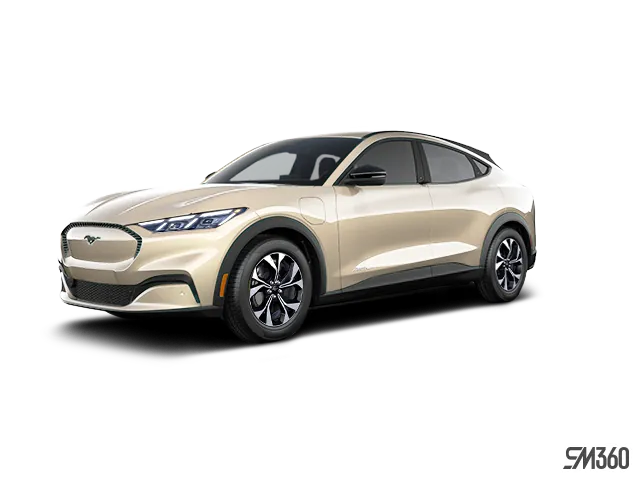
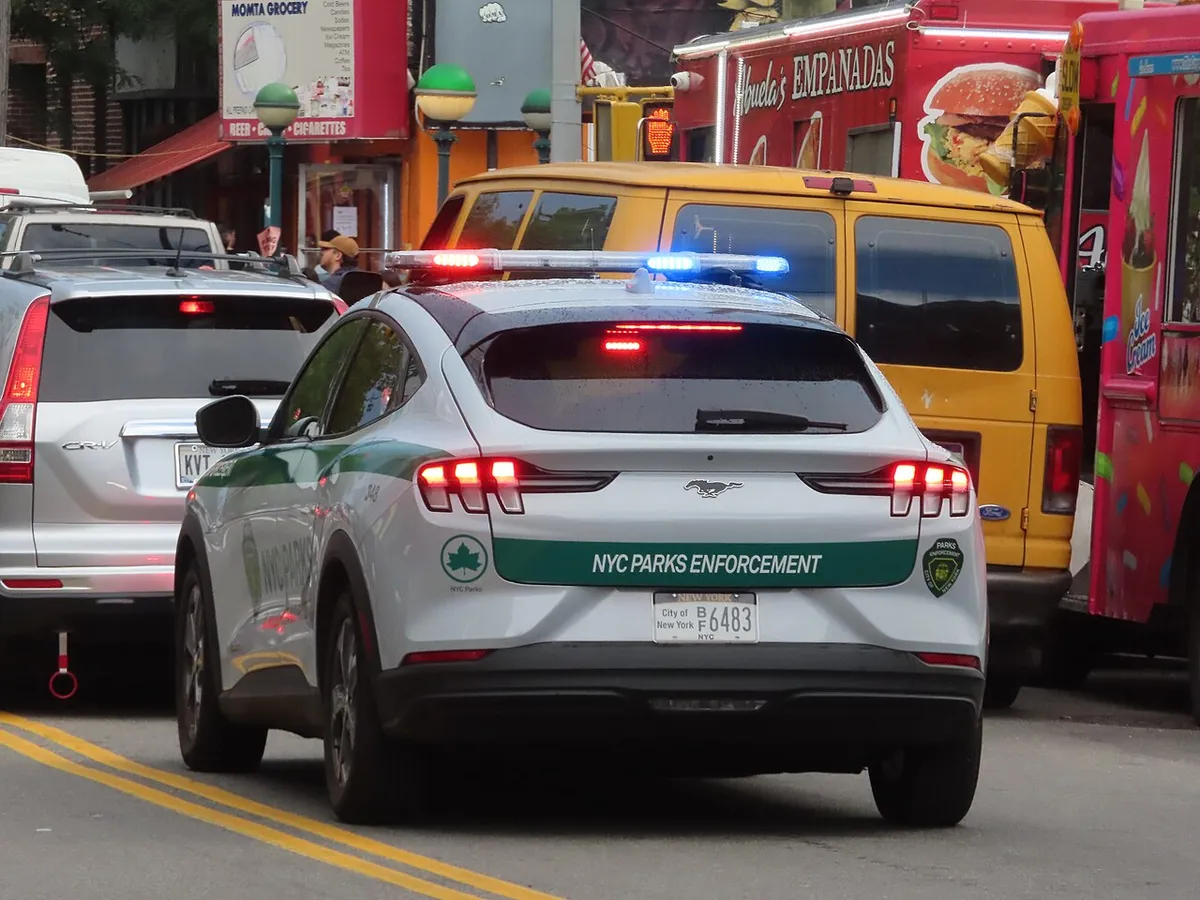
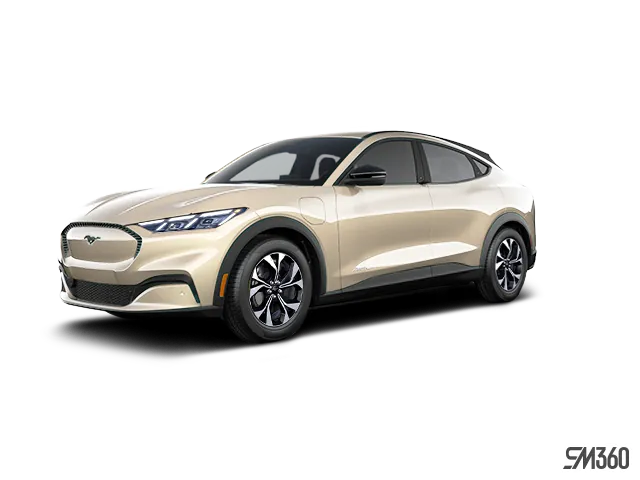
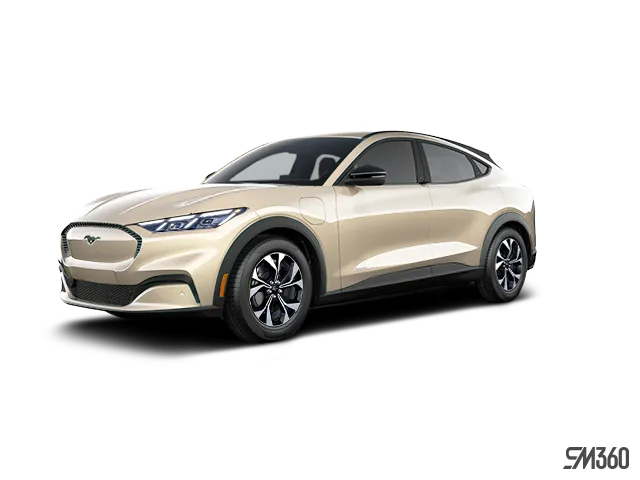
- Mustang Mach-E - from $44,995 (to $64,995), up to 490 km range. Ford's electric crossover; entry trims start under the rebate cap.
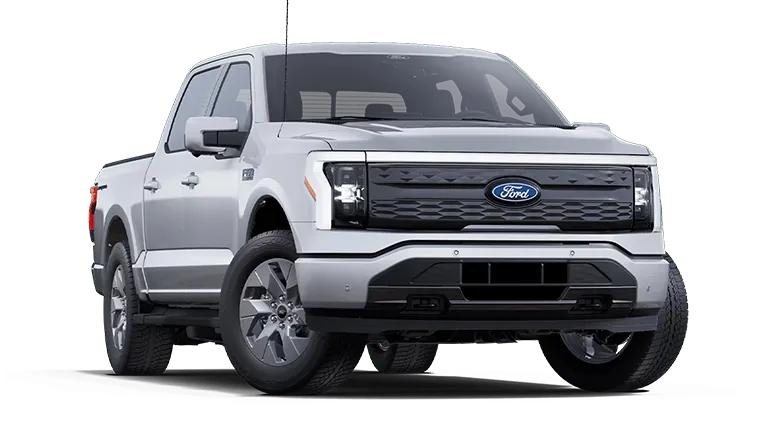
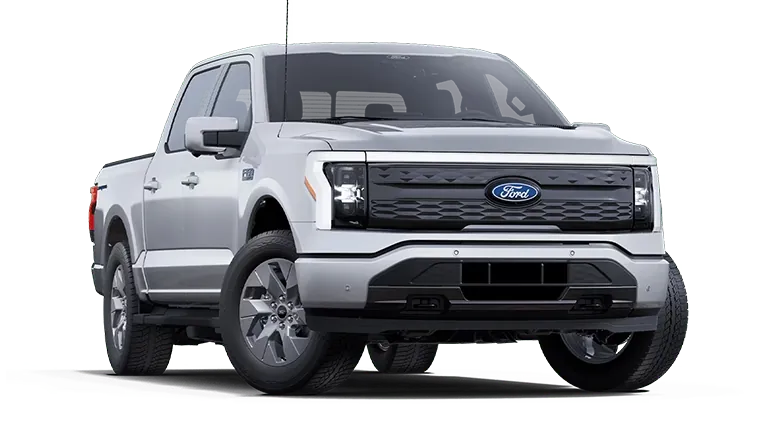
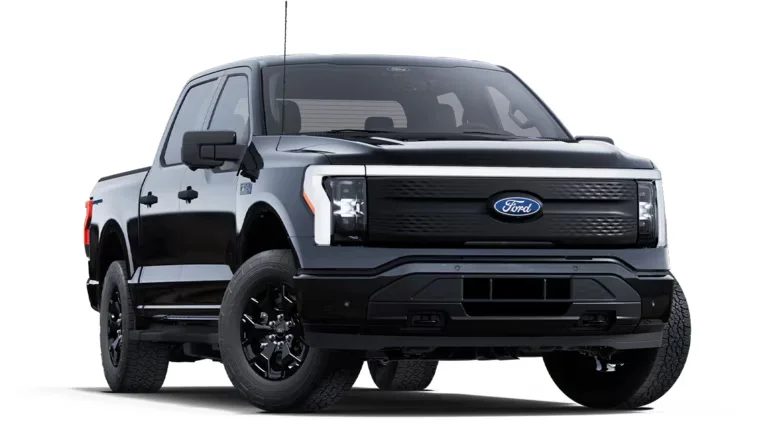
- F-150 Lightning - from $69,990 (to $97,595), up to 515 km range. The electric version of Canada's favourite pickup, built for work and towing.
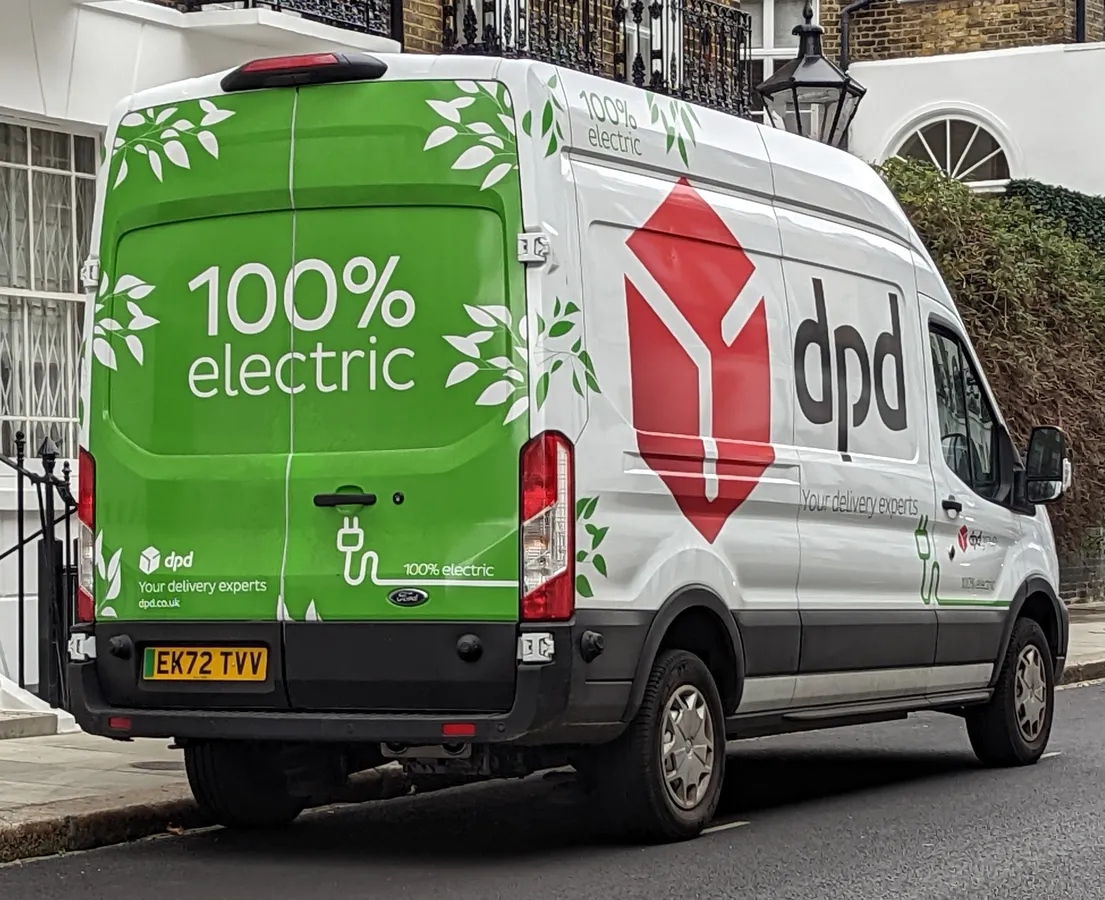
- E-Transit - from $71,695, up to 256 km range. The electric cargo van for fleets and tradespeople.
Which Ford is right for you?
For a daily-driver EV with rebate potential, the Mustang Mach-E in its entry trims is the pick, balancing range and price. Truck buyers who tow or haul should look at the F-150 Lightning, accepting that it sits above the rebate cap. Businesses and tradespeople will want the E-Transit van. And if your driving is mostly short commutes but you still take longer trips, the Escape Plug-In Hybrid covers the commute on battery and removes range anxiety with its gas engine.
Range, charging and winter driving
Ford's battery-electric models range from 256 km (E-Transit) to 515 km (F-150 Lightning), with the Mustang Mach-E rated up to 490 km. In a Canadian winter, expect 20-30% less than these figures once cold, cabin heating and highway speed are factored in - and remember that towing with the Lightning sharply reduces range. Ford EVs use the public DC fast-charging network across Canada, and many trims include features to precondition the battery in cold weather for better charging.
How Ford compares
The Mustang Mach-E competes head-on with the Tesla Model Y and Hyundai IONIQ 5, while the F-150 Lightning lines up against the Rivian R1T, GMC Sierra EV and Chevrolet Silverado EV. Ford's advantage is brand familiarity and a proven truck platform - the Lightning brings the F-150's work credentials to electric power, and the Mach-E gives buyers a mainstream crossover with some trims still under the rebate cap.