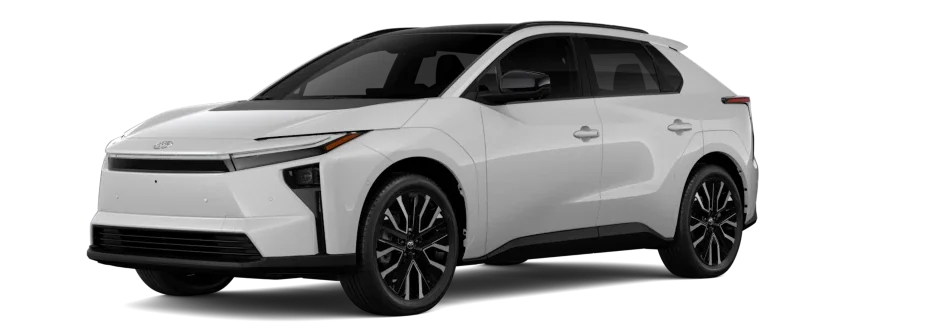
Toyota electric and plug-in models in Canada start at the $38,165 Prius hybrid and reach up to the $59,900 bZ Woodland electric SUV. This page tracks the current Canadian price of Toyota's electrified lineup - the bZ, bZ4X and bZ Woodland battery-electric SUVs, the C-HR, plus the Prius Prime and RAV4 Prime plug-in hybrids - with range, specs and trim-by-trim pricing in CAD, updated regularly.
Whether you are comparing the bZ4X against a Hyundai KONA Electric or weighing a Prius Prime for its electric commute, this page sorts Toyota's electric SUVs from its plug-in hybrids and lays out the rebate picture in one place.
Toyota Models & Prices in Canada (2026)
Toyota EV FAQs
About Toyota Electric Vehicles in Canada (2026)
Toyota currently offers 11 electric vehicle variants in Canada, with prices ranging from C$38,165 to C$59,900. The lineup covers battery capacities from 1.2 kWh to 77 kWh, offering claimed ranges between 68 km and 496 km on a single charge.
All Toyota EVs available in Canada support DC fast charging for quick top-ups during long trips, and can be charged at home using standard AC charging. Running costs are significantly lower than gas vehicles, typically C$40 to 80 per month for daily commuting in the Greater Toronto Area, compared to C$250 to 350 for an equivalent gas car.
Toyota EV incentives & rebates in Canada
As of 2026 the federal Electric Vehicle Affordability Program (EVAP) offers up to $5,000 off a new battery-electric vehicle when the final transaction value is $50,000 or less for imported models. Toyota's battery-electric models that fit under the cap include the C-HR (from $44,900), bZ (from $45,990) and bZ4X (from $47,016), which can qualify for the full BEV amount; the bZ Woodland ($59,900) sits above it. Toyota's plug-in hybrids - the Prius Prime ($40,050) and RAV4 Prime ($51,150) - are PHEVs and fall under the lower $2,500 tier. The standard Prius ($38,165) is a conventional hybrid and is not eligible. Quebec (~$2,000) and PEI (~$4,000) add provincial top-ups where applicable.
▸Toyota EV buyer's guide (Canada 2026)
Toyota electric models and prices in Canada
Toyota's electrified range mixes battery-electric SUVs with well-known plug-in hybrids:
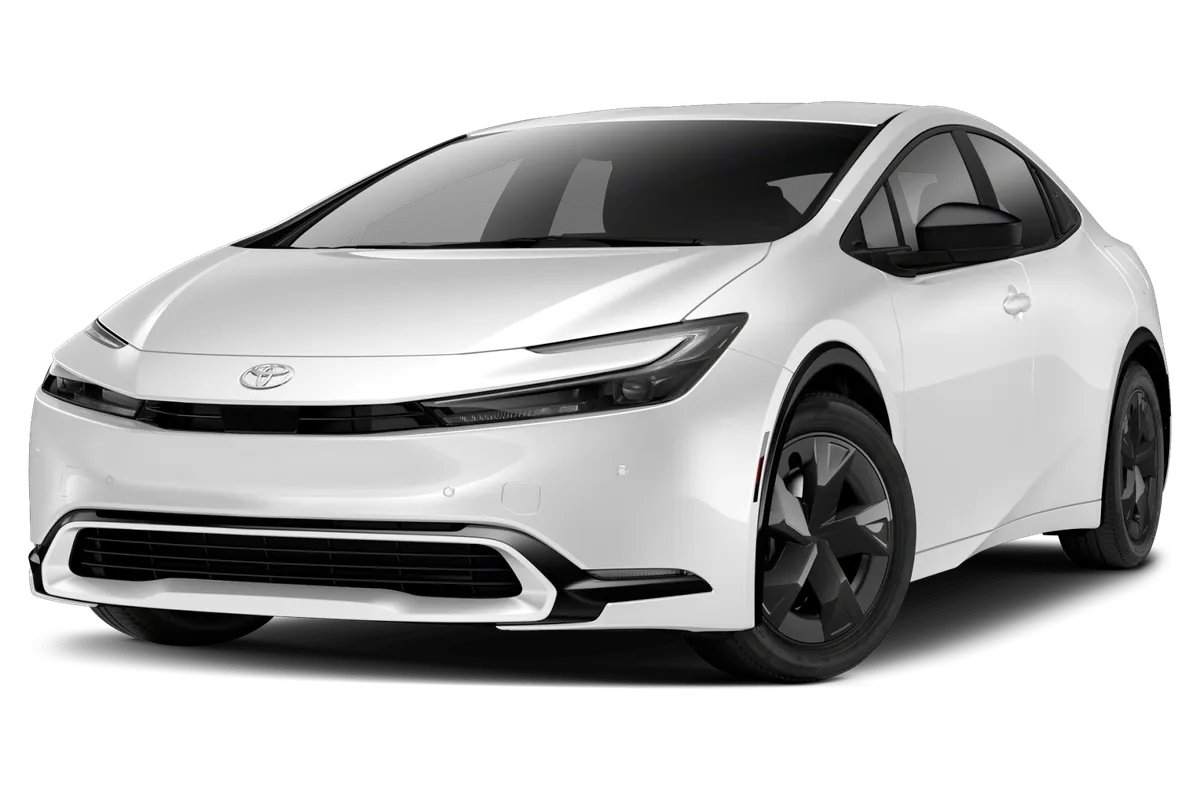
- Prius Prime - from $40,050, with about 72 km of electric-only range. A plug-in hybrid (PHEV) that covers most commutes on battery before the gas engine assists.
- C-HR - from $44,900 (to $49,950), up to 496 km range. A fully electric subcompact SUV that fits under the rebate cap.
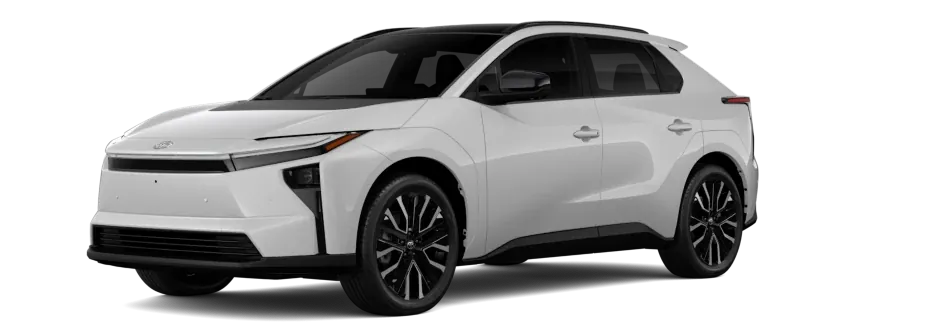
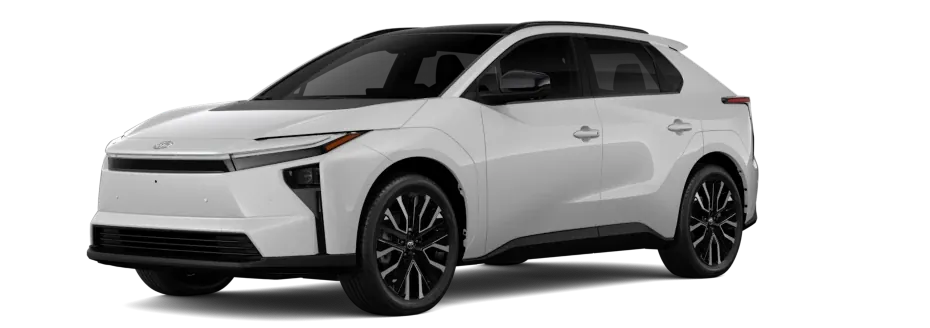
- bZ - from $45,990 (to $53,390), up to 468 km range. Toyota's updated mainstream electric SUV.
- bZ4X - from $47,016 (to $52,990), up to 367 km range. The original Toyota electric SUV, entry trims under the cap.
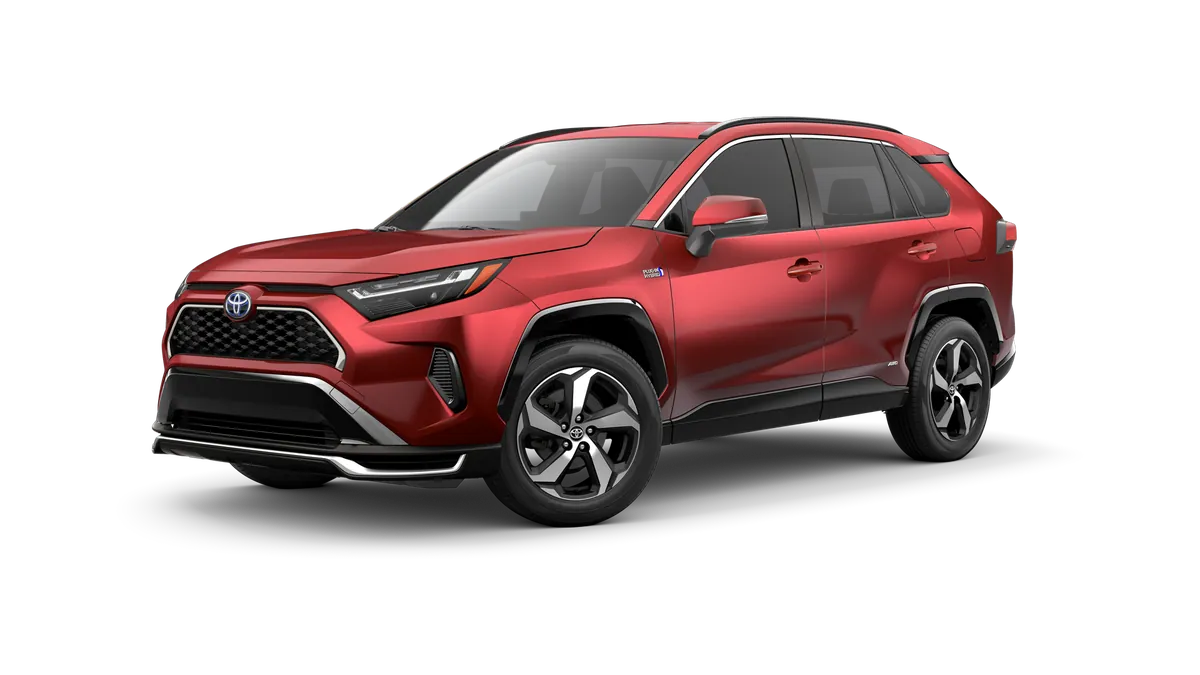
- RAV4 Prime - $51,150, about 68 km electric range. A plug-in hybrid (PHEV) version of Canada's popular compact SUV.
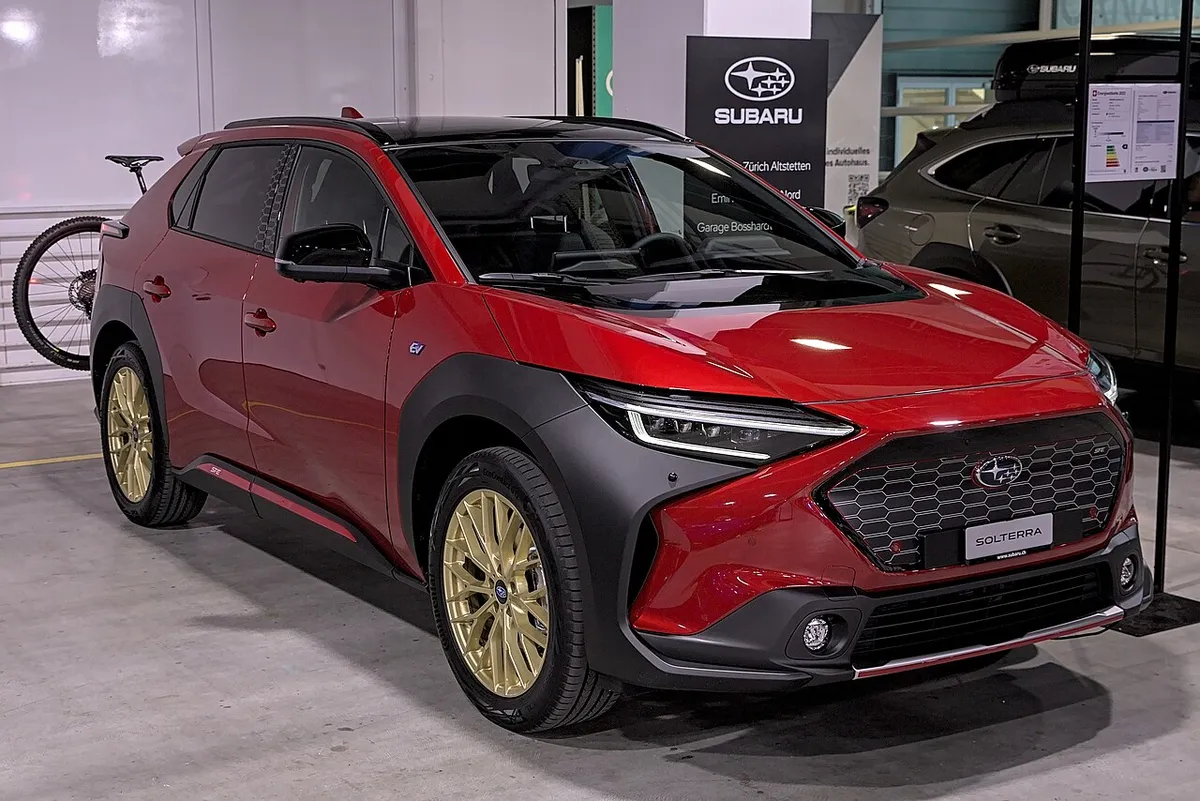
- bZ Woodland - $59,900, up to 452 km range. A rugged, more spacious electric SUV variant.
- Prius - $38,165. The classic Toyota hybrid; efficient but not a plug-in, so it is not rebate-eligible.
Which Toyota is right for you?
If you want a fully electric Toyota with rebate potential, the C-HR, bZ and bZ4X all start under $50,000, with the C-HR offering the most range at 496 km. Buyers who are not ready to plug in every day, or who take frequent long trips, will find the Prius Prime and RAV4 Prime plug-in hybrids a good fit - electric for the commute, gas for the highway. The bZ Woodland suits those who want more space and capability and are comfortable above the rebate cap.
Range, charging and winter driving
Toyota's battery-electric SUVs range from 367 km (bZ4X) to 496 km (C-HR). As with any EV, a Canadian winter typically trims 20-30% off rated range once cold, heating and highway speed are accounted for. The plug-in hybrids sidestep range anxiety by switching to gas once the 68-72 km battery is depleted. Toyota's BEVs use the public DC fast-charging network across Canada; preconditioning the battery in cold weather helps charging speed.
How Toyota compares
The bZ and bZ4X compete with the Hyundai KONA Electric, Nissan ARIYA and Volkswagen ID.4, while the C-HR plays in the affordable compact-EV space. Toyota's plug-in hybrids face rivals like the Kia Sportage Plug-In Hybrid. Toyota's strength is its reliability reputation and the breadth of choice between full EVs and plug-in hybrids, letting buyers electrify at their own pace.