Dodge Charger Daytona R/T RWD vs Ford E-Transit Cargo Van 350 Comparison in Canada 2026
Compare price, range, battery, motor and full specifications side by side.
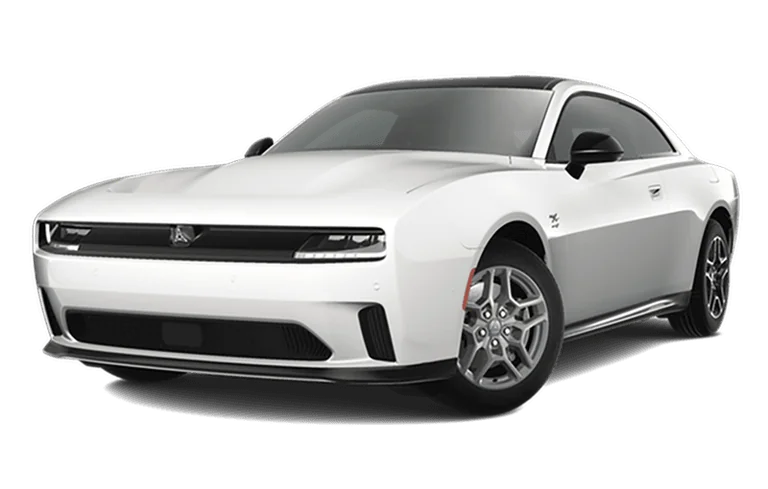
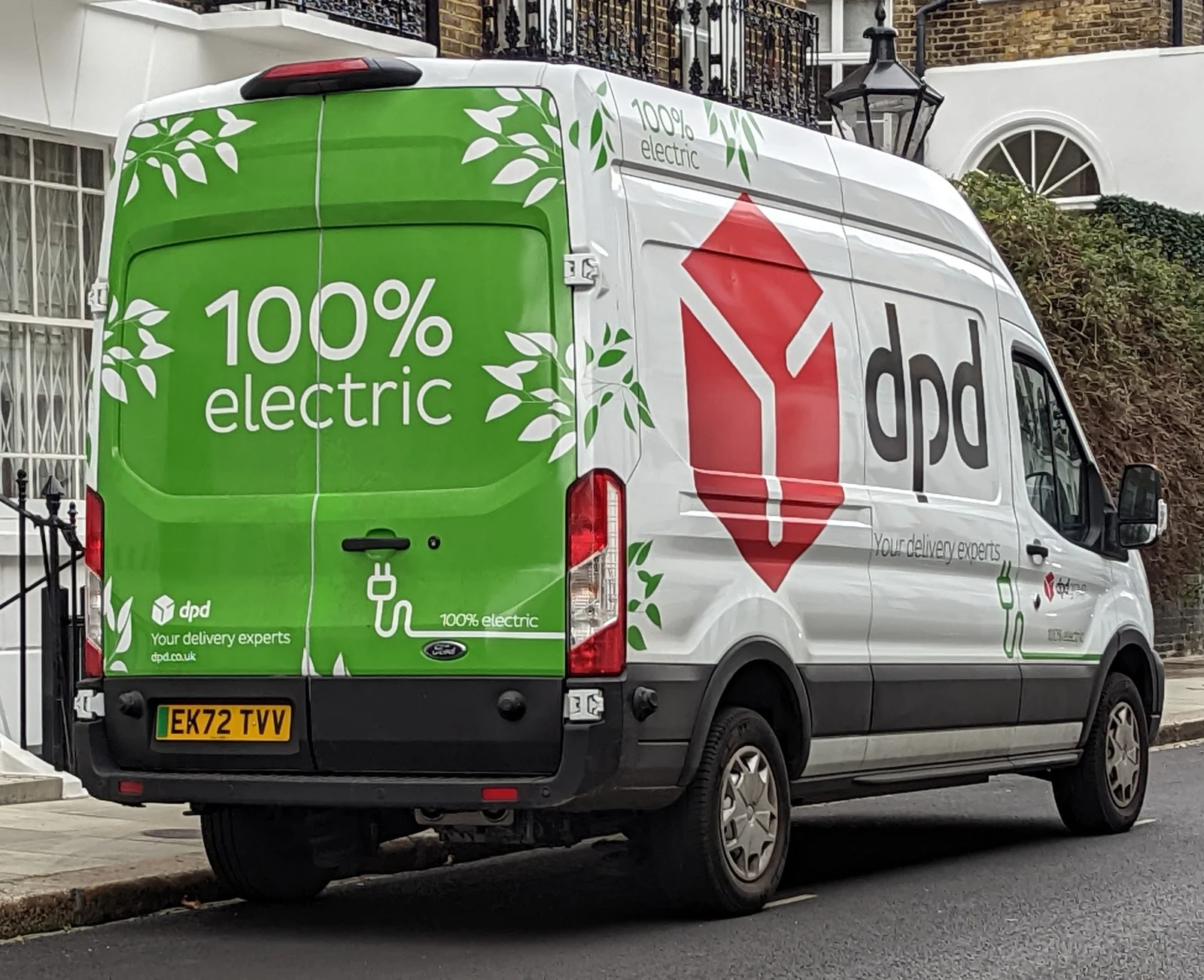
| Spec | Dodge Charger Daytona | Ford E-Transit |
|---|---|---|
| Price | C$49,995 | C$71,695 |
| Range (Claimed) | 510 km | 256 km |
| Battery Capacity | 100.5 kWh | 89 kWh |
| Motor Power | 375 kW | 198 kW |
| Top Speed | 250 km/h | 169 km/h |
| 0–100 km/h | 3.3s (0-100 km/h)s | N/A |
| Fast Charging | 27 min (10-80%) | 15 min (+108 km) |
| Seating | 5 seats | 2 seats |
Dodge Charger Daytona vs Ford E-Transit: Verdict
The Dodge Charger Daytona is the more affordable choice at C$49,995, undercutting the other by about C$21,700. The Dodge Charger Daytona travels further on a charge, with a claimed 510 km versus 256 km — roughly 254 km more. The Dodge Charger Daytona is the more powerful EV, producing 375 kW to the other's 198 kW.
Overall the Dodge Charger Daytona holds the clearer advantage here — it leads on a lower purchase price (C$49,995) — so it is the stronger pick unless brand loyalty or a specific feature points you to the Ford E-Transit.
Dodge Charger Daytona vs Ford E-Transit
2 vehicles selected
Share
Spec Score(16 specs)
7
16 specs
Dodge Charger Daytona
Best
0
16 specs
Ford E-Transit
Complete view of all specifications in one place
Overview
Price
↓ lower
C$49,995
C$71,695
Fuel Type
Electric
Electric
Range
↑ higher
510 km
256 km
Battery
↑ higher
100.5 kWh
89 kWh
Motor Power
↑ higher
375 kW
198 kW
0-100 km/h
↓ lower
3.3s (0-100 km/h)s
N/A
Battery / Fuel
Battery Capacity
↑ higher
100.5 kWh
89 kWh
Range (Claimed)
↑ higher
510 km
256 km
Range Standard
EPA
NRCan
Fast Charging
27 min (10-80%)
15 min (+108 km)
Normal Charging
10 hrs (240V)
6 hrs (240V)
Performance
Motor Power
↑ higher
375 kW
198 kW
Top Speed
↑ higher
250 km/h
169 km/h
Acceleration
↓ lower
3.3s (0-100 km/h)s
N/A
Seating Capacity
5 seats
2 seats
Dimensions
Length
N/A
5981 mm
Width
N/A
2065 mm
Height
N/A
2570 mm
Wheelbase
↑ higher
N/A
3760 mm
Features
Dodge Charger Daytona
- Ultra-Fast Charging (200+ kW)
- Regenerative Braking
- Drive Modes
- + 3 more
Ford E-Transit
No features listed
Spec Score(11 comparable specs)
4
of 11 wins
Dodge Charger Daytona
Best Overall
0
of 11 wins
Ford E-Transit
Comparing: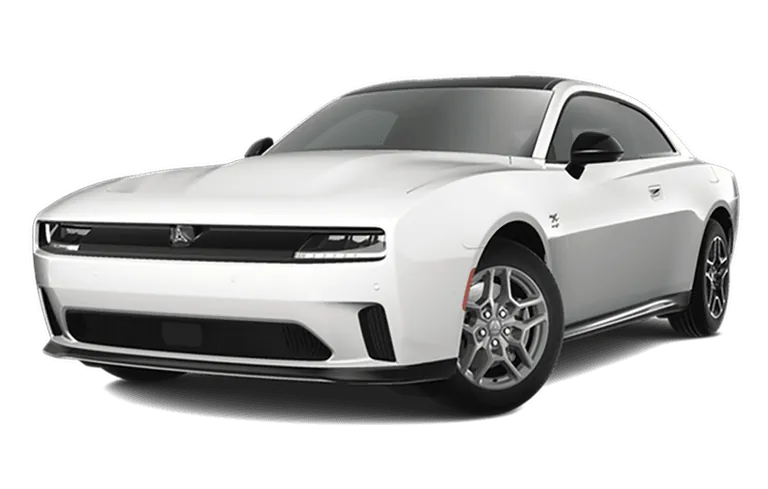
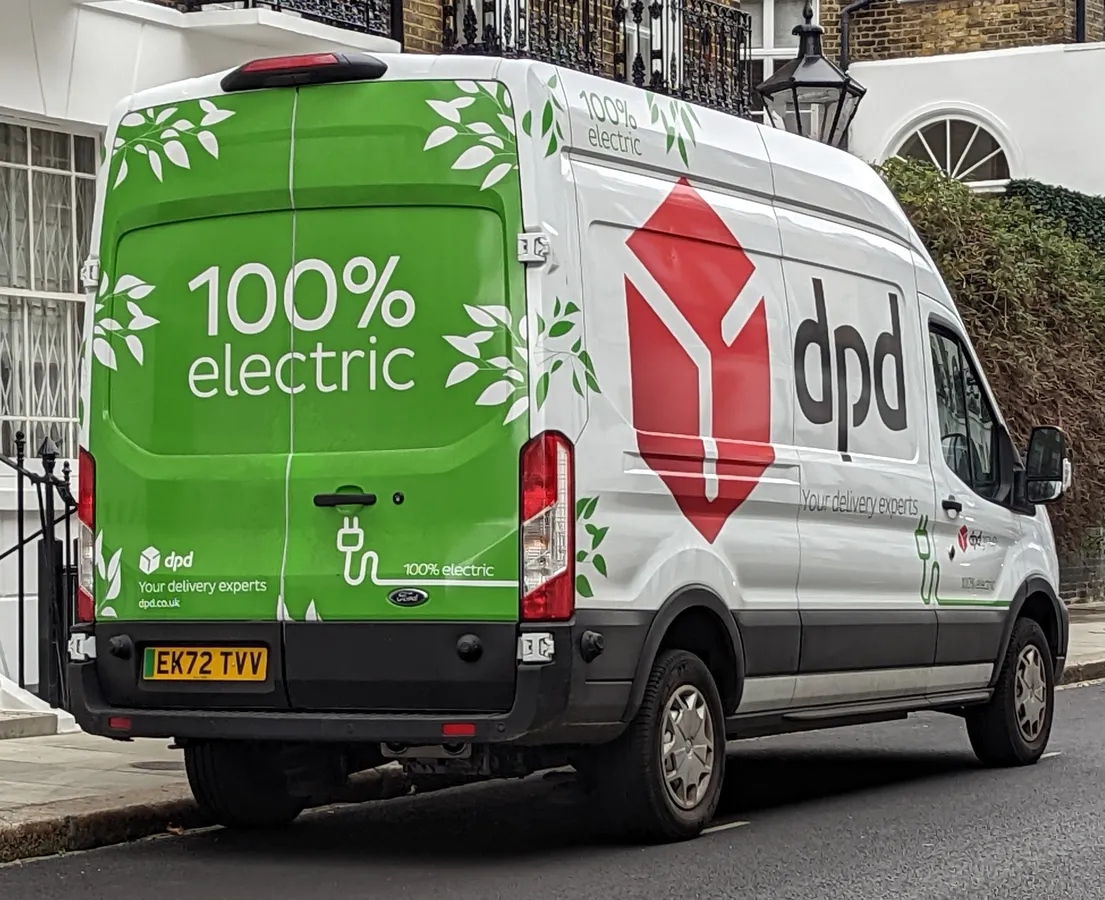 Dodge Charger Daytona (R/T RWD) vs Ford E-Transit (Cargo Van 350)
| Spec name | 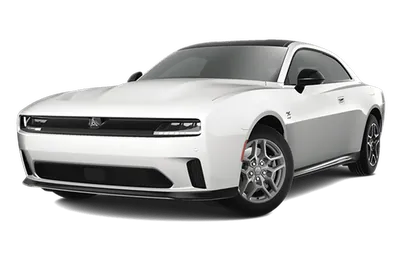 Electric Dodge Charger DaytonaR/T RWD C$49,995 2026EMI → | 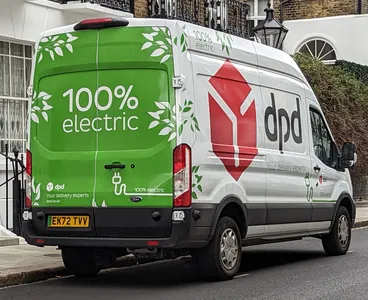 Electric Ford E-TransitCargo Van 350 C$71,695 2025EMI → | |
|---|---|---|---|
💰Price & Value3 specs | |||
Price ↓ lowerTotal cost before taxes and subsidies | C$49,995 | C$71,695 | |
Est. EMI ↓ lowerEst. monthly EMI, 40% down, 10% p.a., 5-year loan | C$792/mo | C$1,136/mo | |
Fuel Type Electric, Gas, Diesel or Hybrid | Electric | Electric | |
⚡Performance7 specs | |||
Motor Power ↑ higherMaximum power output of the electric motor | 375 kW Best | 198 kW | |
Battery Capacity ↑ higherTotal energy storage capacity of the battery pack | 100.5 kWh Best | 89 kWh | |
Engine Torque Peak torque (Nm @ rpm) | 556 Nm | 430 Nm | |
Top Speed ↑ higherMaximum speed under ideal conditions | 250 km/h Best | 169 km/h | |
Acceleration ↓ lower0–100 km/h time | 3.3s (0-100 km/h)s | N/A | |
🔋Range & Efficiency7 specs | |||
Range (Claimed) ↑ higherMax range per charge as claimed by manufacturer | 510 km Best | 256 km | |
Standard Range testing standard (WLTP, NEDC, etc.) | EPA | NRCan | |
Fast Charging 20–80% charge time using DC fast charger | 27 min (10-80%) | 15 min (+108 km) | |
Normal Charging Full charge time using standard AC charger | 10 hrs (240V) | 6 hrs (240V) | |
📏Dimensions5 specs | |||
Length Vehicle length in millimeters | N/A | 5981 mm | |
Width Vehicle width in millimeters | N/A | 2065 mm | |
Height Vehicle height in millimeters | N/A | 2570 mm | |
Wheelbase ↑ higherDistance between front and rear axle centers | N/A | 3760 mm | |
✨Features2 specs | |||
Seating Capacity Maximum number of passengers | 5 seats | 2 seats | |
Key Features Comparison
- Ultra-Fast Charging (200+ kW)
- Regenerative Braking
- Drive Modes
- Rear Camera
- Apple CarPlay
- Android Auto
No features listed