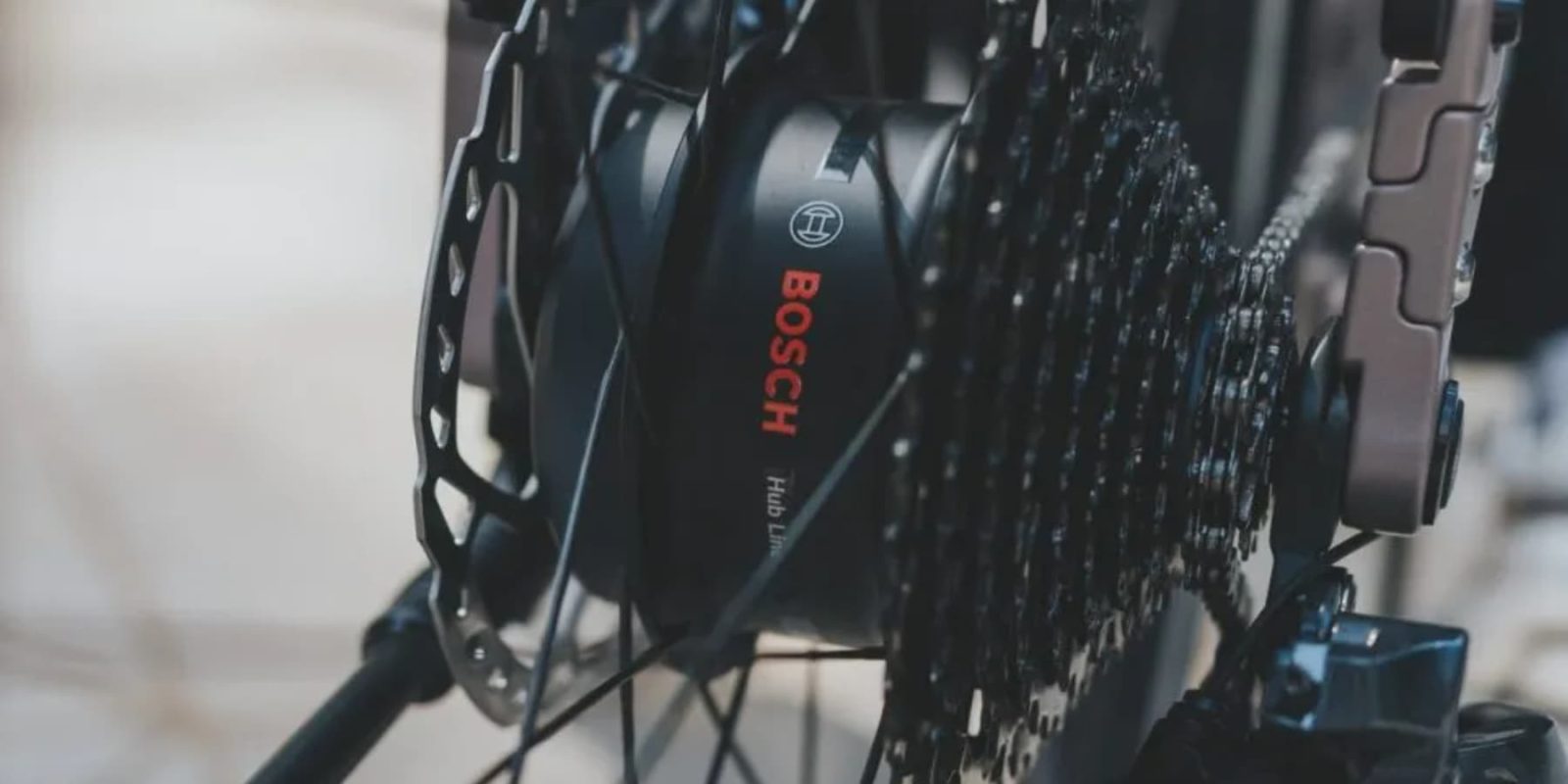
Bosch launches first e bike hub motor for electric bicycles
June 18, 2026
Share
Key Takeaways
Bosch has launched its first hub motor for urban e-bikes, called the Hub Line, offering a lightweight and connected platform with 45 Nm of torque and a weight of just 2.3 kg, ideal for Canadian commuters and city riders using electric vehicles.
The Hub Line motor is designed to work with electronic shifting systems and Bosch's PowerTube 360 battery, providing up to 80 km of pedal-assist range and making it suitable for daily commutes in Canadian cities like Toronto, Vancouver, or Montreal with electric bike technology.
The new drive system includes connected features like GPS, cellular connectivity, and an audible alarm for anti-theft protection, integrating with Bosch's Flow+ subscription service and broader Smart System ecosystem for enhanced electric bike security and Canadian e-bike market growth.
Bosch Enters Urban E-Bike Market with New Hub Motor System
Bosch has launched its first-ever hub motor for urban e-bikes, expanding its Smart System technology to a new market segment. The new drive unit, called the Hub Line, is designed for urban e-bikes, offering a lightweight and connected platform for Canadian commuters and city riders. With the Canadian government's iZEV incentives and various provincial rebates, such as those offered in British Columbia and Ontario, the demand for affordable and efficient e-bikes is on the rise.
Key Features of the Hub Line Motor
The Hub Line motor delivers 45 Nm of torque and weighs just 2.3 kg, making it an attractive option for Canadian e-bike manufacturers. The system uses multiple onboard sensors to adapt motor output to a rider's behaviour, providing smooth acceleration and natural-feeling assistance on moderate climbs. The motor is also designed to work with electronic shifting systems, including automatic gearboxes, allowing for seamless coordination between the motor and drivetrain. With a compact 100 mm diameter housing, the motor blends into the rear wheel, keeping the overall design minimalist and sleek.
Battery and Range
The Hub Line is intended to be paired with Bosch's PowerTube 360 battery, which weighs 2.1 kg and measures just 68 mm across. This slim battery pack helps keep the total system weight low, making it ideal for urban commuting. Bosch estimates up to 80 km of pedal-assist range, although real-world results will vary depending on terrain, rider input, and assist level. For Canadian riders, this range is suitable for daily commutes in cities like Toronto, Vancouver, or Montreal.
Connected Features and Anti-Theft Protection
Alongside the new drive system, Bosch is introducing an updated ConnectModule aimed at improving theft protection. The module combines GPS, cellular connectivity, motion detection, and an audible alarm, providing an additional layer of security for Canadian e-bike owners. A new Bluetooth Low Energy tracking function can help locate bikes in areas where GPS signals are weak, such as underground garages or building basements. These connected features integrate with Bosch's Flow+ subscription service and broader Smart System ecosystem.
Pricing and Availability in Canada
While Canadian pricing for the Hub Line has not been announced, it is expected to be competitive with other high-quality e-bike systems on the market. With the iZEV incentives and provincial rebates, Canadian e-bike manufacturers may be able to offer the Hub Line at a more affordable price point, making it an attractive option for consumers. As the Canadian e-bike market continues to grow, the introduction of the Hub Line is expected to have a significant impact on the industry, offering a new era of urban e-bikes that are lightweight, agile, and connected.