Colombia Unveils 750 Mile Electric Vehicle Highway from Bogota to Cartagena
June 19, 2026
Share
Key Takeaways
Colombia has launched the Ruta-E electric truck corridor, a 1,200 kilometre route connecting Bogotá and Cartagena, supporting over 1,000 commercial electric vehicles (EVs) expected by 2032, with implications for the Canadian transportation sector.
The Ruta-E corridor aims to reduce CO2 emissions by over 185,000 tons annually by 2032, equivalent to the emissions of 40,000 passenger vehicles, showcasing Colombia's leadership in transport decarbonization and electric vehicle adoption.
Canadian companies, particularly those in the transportation and logistics sector, may learn from Colombia's experience and apply similar electric vehicle strategies to reduce their environmental footprint, with Canadian electric truck manufacturers like Lion Electric and GreenTech already developing and manufacturing EVs.
Electric Vehicle News: Colombia Leads the Way in Latin America with Ruta-E Corridor
In a significant move to improve air quality in Latin America, Colombia has launched the Ruta-E electric truck corridor, a 1,200 kilometre route connecting Bogotá and Cartagena with charging infrastructure to support over 1,000 commercial electric vehicles (EVs) expected to hit the roads by 2032. This initiative is a major win for the region, and its success could have implications for the Canadian transportation sector, particularly in provinces with similar geography and transportation needs.
A Different Story in Latin America
Unlike in the United States, where a well-established network of gas and diesel fueling stations can make it challenging for electric vehicles to gain traction, Latin America's less dense and less reliable fueling infrastructure makes electricity a more attractive option. This shift towards electrification is driven by the growing ubiquity of electricity in the region, making it easier for fleet operators to keep their vehicles on the road. In Canada, the federal government's iZEV incentives and provincial rebates, such as those offered in British Columbia and Quebec, are also driving the adoption of electric vehicles, with many Canadian fleets already transitioning to EVs.
Colombia's Ministry of Transport Leads the Charge
The Colombian Ministry of Transport is working with American non-profit CALSTART to launch Ruta-E, the country's first zero-emission freight logistics corridor. This initiative aims to reduce CO2 emissions by over 185,000 tons annually by 2032, equivalent to the emissions of 40,000 passenger vehicles. The corridor will provide a shining example of Colombia's leadership in transport decarbonization, paving the way for more electric freight corridors in the region. Canadian companies, such as those in the transportation and logistics sector, may be able to learn from Colombia's experience and apply similar strategies to reduce their own environmental footprint.
Electric Truck Manufacturers Enter the Market
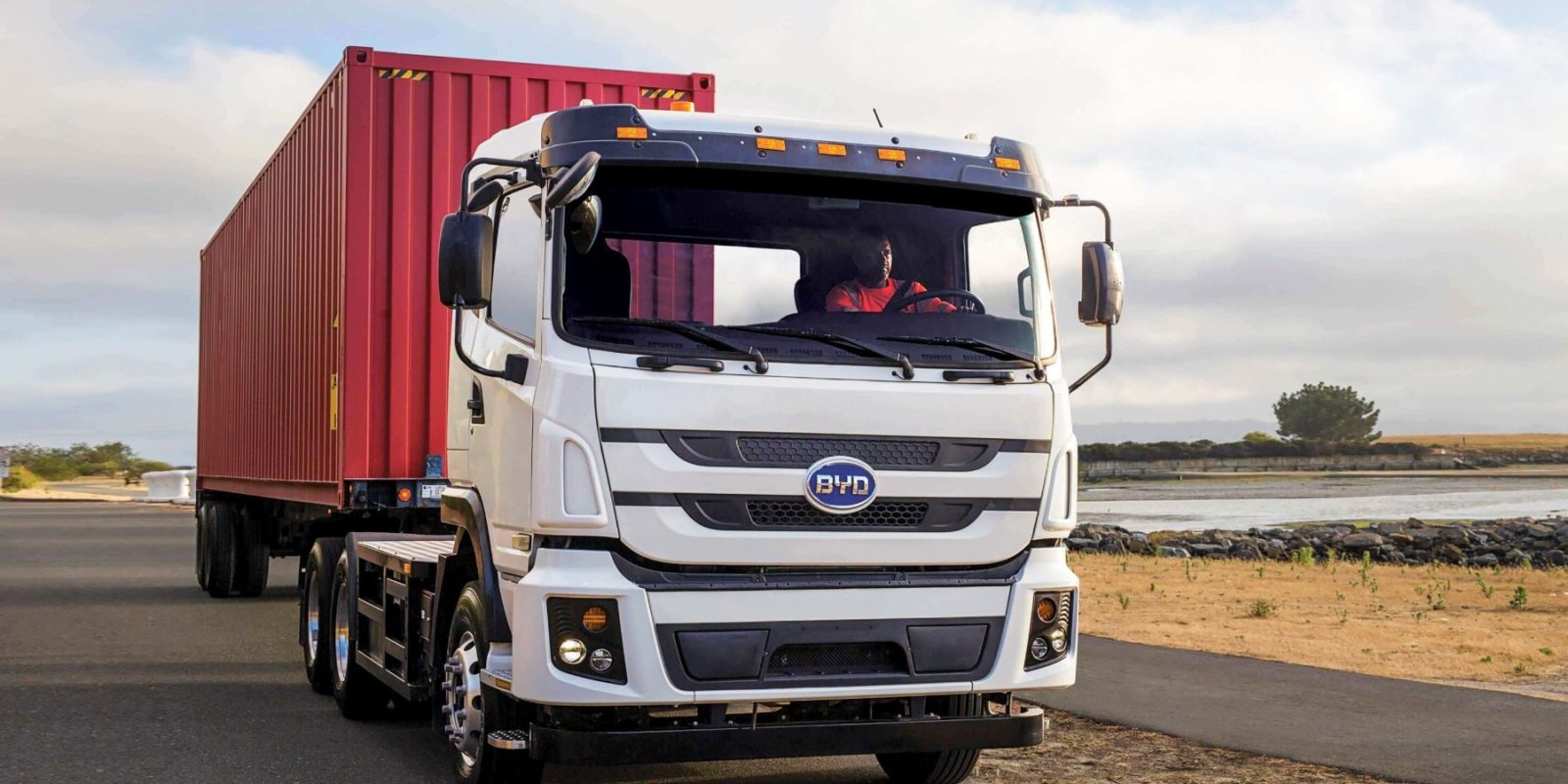
Heavy electric trucks from Chinese brands like BYD, as well as other manufacturers like JAC, Mercedes-Benz, Volvo, and Zoomlion, are already serving customers in Latin America. Many of these vehicles are being built and assembled in domestic markets, and their availability is expected to increase in the coming years. In Canada, companies like Lion Electric and GreenTech are also developing and manufacturing electric trucks, with Canadian pricing and availability varying depending on the province and region.
A New Era for Electric Mobility
The Ruta-E corridor marks a significant milestone in the adoption of electric trucks in Colombia, and its success could have far-reaching implications for the transportation sector in Canada and beyond. As the world transitions towards a more sustainable and environmentally friendly transportation system, initiatives like Ruta-E will play a crucial role in reducing greenhouse gas emissions and promoting the use of electric vehicles. With the Canadian government's commitment to reducing emissions and promoting the use of electric vehicles, it's likely that we'll see similar initiatives in Canada in the near future, particularly in urban centres like Toronto and Vancouver, where the demand for sustainable transportation solutions is high.