Europe Invests Heavily in Four Day Long Life Battery Technology
June 22, 2026
Share
Key Takeaways
Ore Energy, a Netherlands-based company, has announced a deal to deploy 1 gigawatt-hour (GWh) of iron-air energy storage, which can store electricity for up to 100 hours, offering a promising solution for Canadian energy providers transitioning to renewable energy sources and electric vehicle (EV) charging infrastructure.
Iron-air batteries provide a cost-effective and scalable alternative to lithium-ion batteries, with simpler and less expensive materials, making them an attractive option for grid-scale energy storage and reducing greenhouse gas emissions in the Canadian energy sector.
The deployment of iron-air battery technology in Canada could be facilitated by partnerships between Canadian companies and innovative firms like Ore Energy, with the potential to support the growth of electric vehicles (EVs) and renewable energy solutions, and helping Canada achieve its climate goals while ensuring a sustainable and reliable energy supply.
Long-Duration Energy Storage for a Sustainable Future
As Canada continues to transition towards renewable energy sources, the need for long-duration energy storage solutions becomes increasingly important. Recently, a Netherlands-based company, Ore Energy, announced a significant deal with Dutch energy supplier Budget Thuis to deploy 1 gigawatt-hour (GWh) of iron-air energy storage. This innovative technology has the potential to store electricity for up to 100 hours, making it an attractive solution for Canadian energy providers looking to reduce their reliance on fossil fuels.
Iron-Air Batteries: A Promising Alternative
Unlike lithium-ion batteries, which are commonly used in electric vehicles and have limited storage capacity, iron-air batteries offer a more cost-effective and scalable solution for grid-scale energy storage. Although they are bulkier and less efficient than lithium-ion batteries, their simple and inexpensive materials make them an attractive option for storing excess wind and solar power. As Canada aims to increase its renewable energy production, iron-air batteries could play a crucial role in reducing greenhouse gas emissions and mitigating the impact of volatile fossil fuel prices.
Canadian Context and Opportunities
In Canada, the federal government's iZEV incentives and provincial rebates, such as those offered in British Columbia and Quebec, have encouraged the adoption of electric vehicles and renewable energy solutions. As the demand for sustainable energy storage solutions grows, Canadian companies may explore partnerships with innovative firms like Ore Energy to deploy iron-air battery technology. With its vast renewable energy resources and commitment to reducing carbon emissions, Canada is well-positioned to benefit from this emerging technology.
A Step Towards Commercialization
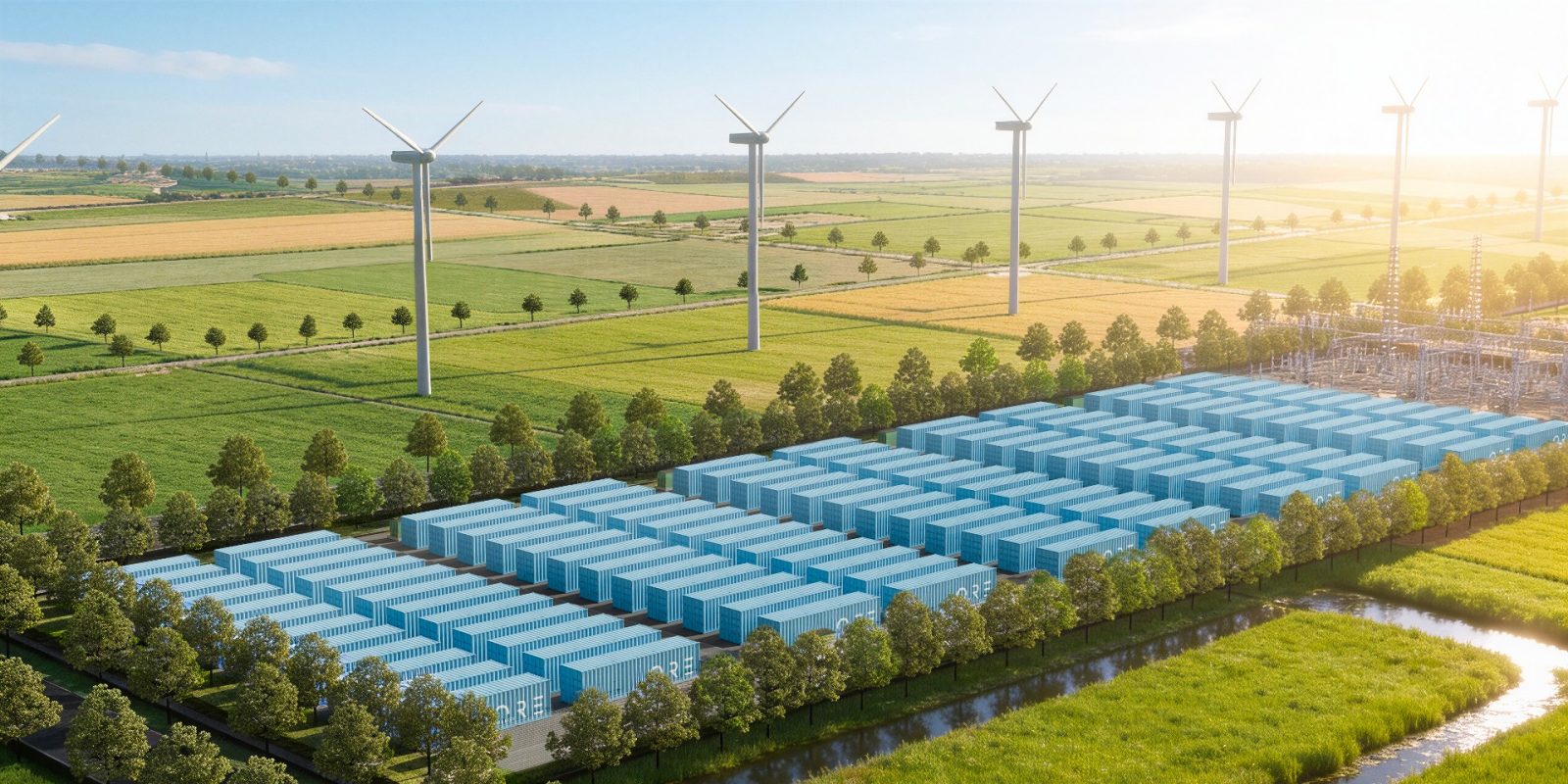
The agreement between Ore Energy and Budget Thuis marks a significant step towards commercializing iron-air battery technology. With a committed 400-megawatt-hour (MWh) first phase scheduled for delivery in 2028, this project demonstrates the potential for iron-air batteries to store excess wind power and release it back to the grid during periods of high demand. As Canadian energy providers look to integrate more renewable energy sources into the grid, they may consider iron-air battery technology as a viable solution for ensuring uninterrupted power supply, regardless of weather conditions.
A Sustainable Future for Canada
As Canada continues to invest in renewable energy and reduce its reliance on fossil fuels, innovative technologies like iron-air batteries will play a critical role in shaping the country's energy landscape. With its potential for long-duration energy storage and cost-effective materials, iron-air battery technology could help Canada achieve its climate goals while ensuring a sustainable and reliable energy supply for generations to come. As the Canadian market continues to evolve, it will be essential to monitor the development and deployment of iron-air battery technology, as well as other emerging energy storage solutions, to determine their feasibility and potential impact on the Canadian energy sector.