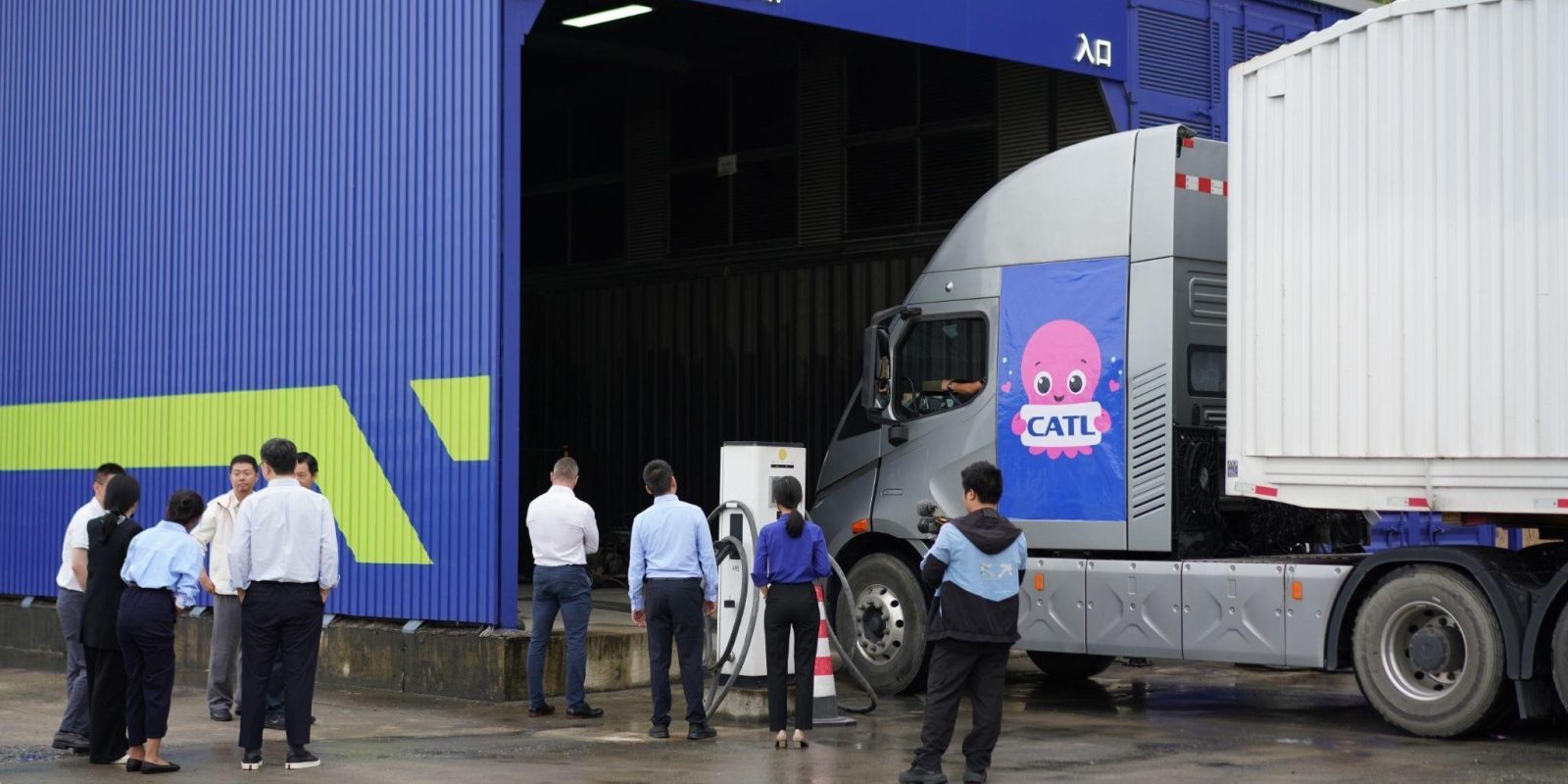
Octopus and CATL launch large electric vehicle battery exchange system
June 22, 2026
Share
Key Takeaways
Octopus Energy and CATL are introducing a battery-swapping model for electric trucks in Europe, combining CATL's battery technology with Octopus's energy supply and software capabilities to reduce costs and promote a cleaner environment in the European electric vehicle market.
The joint venture, called "Swaptopus," aims to build a network of over 30 battery-swapping hubs across the UK and Europe by 2035, supporting over 300,000 electric trucks and reducing Europe's reliance on imported oil through the use of locally generated electricity and vehicle-to-grid (V2G) technology.
The concept of battery swapping for electric trucks could have implications for Canada, potentially reducing greenhouse gas emissions and operating costs for Canadian fleets, although success would depend on factors like cheap electricity availability, swapping station development, and standardization of battery packs among truck manufacturers in the Canadian electric truck market.
Electric Truck Battery Swapping Comes to Europe
Octopus Energy and CATL are introducing a battery-swapping model, already successful in China, to Europe's growing electric truck market. The UK energy company and Chinese battery giant have announced a joint venture, called "Swaptopus," aiming to build a network of battery-swapping hubs for electric trucks across the UK and Europe. This partnership combines CATL's battery technology and experience operating swapping stations in China with Octopus's energy supply, trading, and software capabilities.
How Battery Swapping Works
Instead of charging a large truck battery, drivers can pull into a swapping station, remove the depleted battery, and install a fully charged one, getting back on the road in just a few minutes. This approach allows for the use of spare capacity in the grid, making electricity cheaper for everyone and reducing the cost of trucking while promoting a cleaner environment. Octopus Energy Group founder and CEO Greg Jackson emphasized the potential of this model, noting that it can provide a truck with 500 kWh of electricity, taken from the grid during off-peak hours, thereby reducing costs.
Expanding to Europe and Potential Impact
The first "mega hubs" are expected to open in the UK in 2027, with over 30 planned by 2035. Each hub is anticipated to serve thousands of lorries daily. This initiative could support more than 300,000 electric trucks, unlock over £30 billion in private investment, and reduce Europe's reliance on imported oil by replacing diesel with locally generated electricity. The batteries at these swapping hubs can also be used to expand vehicle-to-grid (V2G) technology through CATL's global automotive partnerships, further enhancing the potential of this model.
Implications for Canada
While this initiative is focused on the European market, the concept of battery swapping for electric trucks could have implications for Canada as well. With the Canadian government's iZEV incentives and provincial rebates, the adoption of electric vehicles, including trucks, is on the rise. Companies like Octopus Energy and CATL may consider expanding their battery-swapping model to Canada, potentially reducing greenhouse gas emissions and operating costs for Canadian fleets. However, the success of such a model in Canada would depend on factors like the availability of cheap electricity, the development of a network of swapping stations, and the standardization of battery packs among truck manufacturers. As the Canadian market continues to evolve, innovative solutions like battery swapping could play a significant role in the country's transition to a more sustainable transportation system.