Tesla Crash in Texas Under Investigation by NHTSA After Fatal Accident
June 22, 2026
Share
Key Takeaways
A fatal Tesla crash in Texas is under investigation by the National Highway Traffic Safety Administration (NHTSA), which will examine the role of Tesla's Autopilot system and its potential impact on Canadian Tesla owners who utilize advanced driver-assistance systems in their electric vehicles.
The investigation covers roughly 3.2 million vehicles, including Tesla's Model 3, which is available for purchase in Canada starting at around $44,990, and may lead to potential recalls or software updates affecting Canadian EV owners who have taken advantage of incentives like the iZEV program.
Canadian Tesla owners who have purchased electric vehicles through programs like the iZEV program, which offers a rebate of up to $5,000, should be aware of the potential risks associated with advanced driver-assistance systems and prioritize responsible driving practices to ensure road safety.
Fatal Tesla Crash in Texas Under Investigation by Federal Safety Regulators
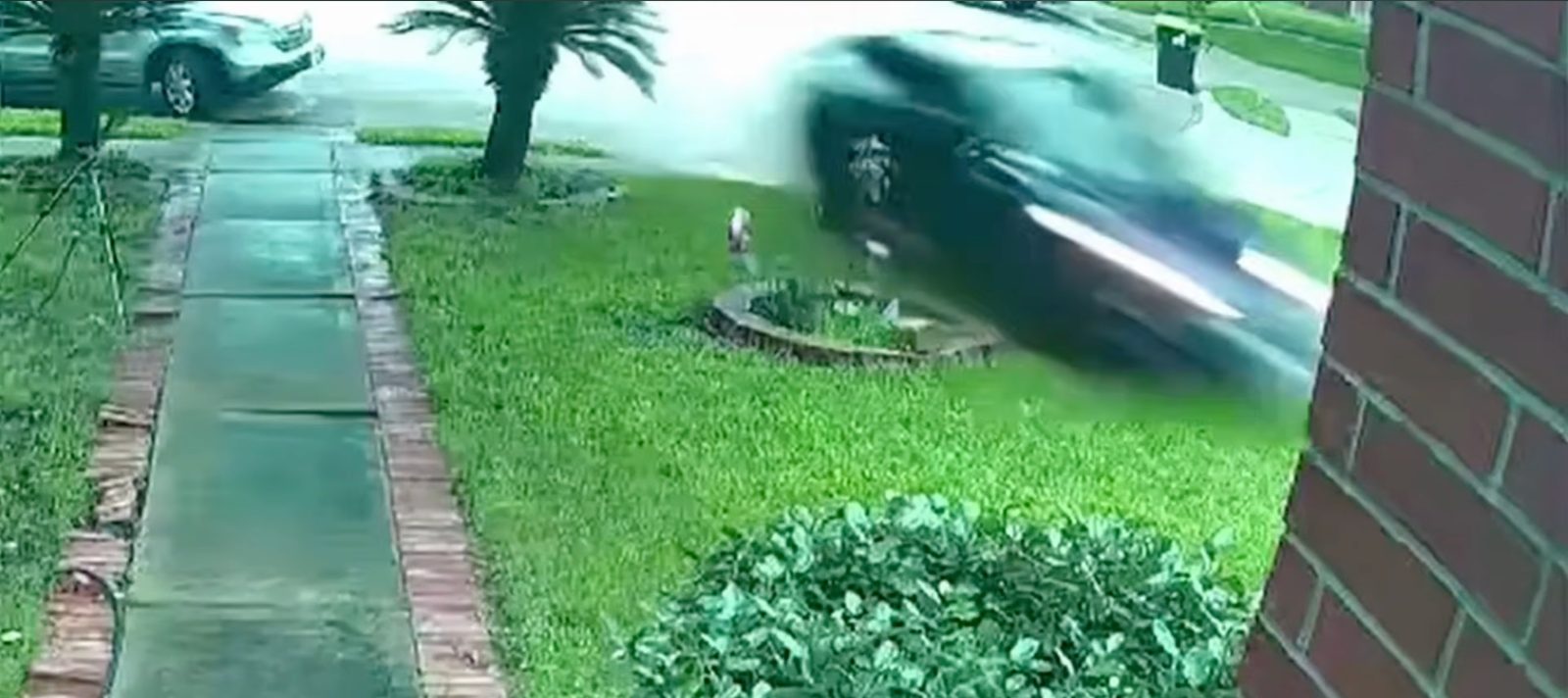
The National Highway Traffic Safety Administration (NHTSA) has launched an investigation into a fatal Tesla crash in Katy, Texas, where a Model 3 left a residential road, tore through a brick home, and killed a 76-year-old woman inside. The incident has raised concerns about the safety of Tesla's Autopilot system, which the driver claimed was engaged at the time of the crash. As Canadian Tesla owners consider the benefits of powering their electric vehicles with home solar, they should also be aware of the potential risks associated with advanced driver-assistance systems.
Investigation Details and Canadian Context
The NHTSA investigation will examine the circumstances surrounding the crash, including the role of Autopilot and the driver's actions. This incident is particularly relevant to Canadian Tesla owners, who may be eligible for incentives such as the iZEV program, which offers a rebate of up to $5,000 for the purchase of eligible electric vehicles. However, Canadian owners should also be aware of the potential risks associated with advanced driver-assistance systems and the importance of proper driver monitoring. In Canada, Tesla models are available for purchase at various price points, with the Model 3 starting at around $44,990. Additionally, some provinces offer rebates for the purchase of electric vehicles, such as British Columbia's Specialty-Use Vehicle Incentive Program.
Autopilot and Full Self-Driving Investigation
The NHTSA investigation is not an isolated incident, as the agency has been probing Tesla's "Full Self-Driving" system since March. The investigation covers roughly 3.2 million vehicles, including the Model 3 involved in the Katy crash. This probe has significant implications for Canadian Tesla owners, who may be affected by any potential recalls or software updates. Furthermore, the Canadian government has implemented policies to promote the adoption of electric vehicles, including investments in charging infrastructure and incentives for businesses to switch to electric fleets.
Conclusion and Implications for Canadian EV Owners
The fatal Tesla crash in Texas serves as a reminder of the importance of responsible driving practices, even with advanced driver-assistance systems like Autopilot. Canadian EV owners should be aware of the potential risks and benefits associated with these systems and take steps to ensure their safe operation. As the demand for electric vehicles continues to grow in Canada, it is essential to prioritize road safety and promote a culture of responsible driving practices. By doing so, we can minimize the risks associated with advanced driver-assistance systems and create a safer, more sustainable transportation system for all Canadians. With the Canadian government's commitment to reducing greenhouse gas emissions and promoting the adoption of electric vehicles, it is crucial for EV owners to stay informed about the latest developments and best practices in the industry.