Tesla Expected to Deliver 406000 Vehicles in Q2 2026
June 26, 2026
Share
Key Takeaways
Tesla is expected to deliver 406,024 vehicles in Q2 2026, representing a 5.7% growth over Q2 2025, with Canadian EV adoption driven by federal iZEV incentives and provincial rebates.
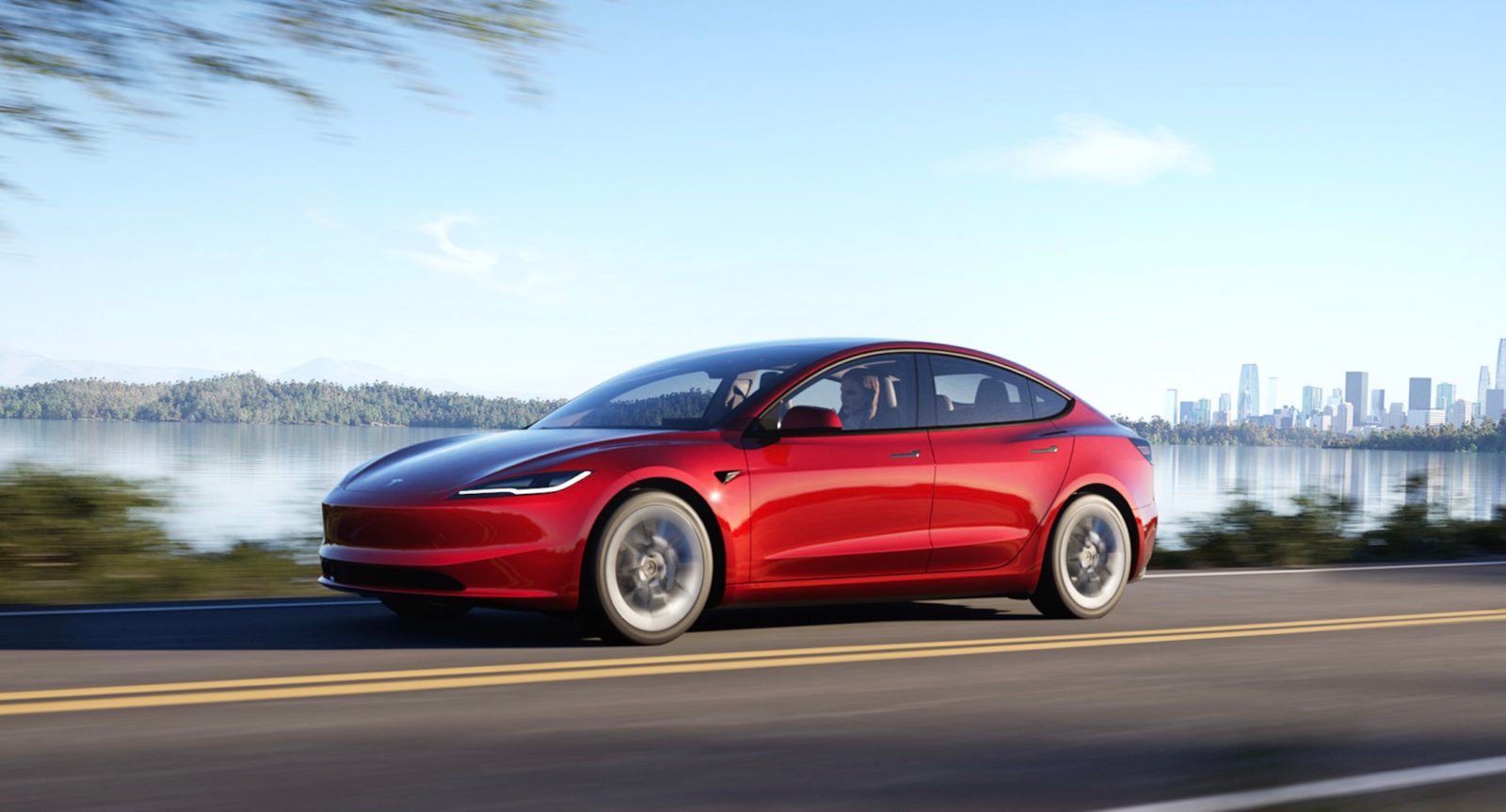
The estimated delivery numbers include 392,625 Model 3 and Model Y units, with Canadian pricing varying for these popular electric vehicle models, and availability expected to continue through Tesla's Canadian centre in Toronto.
Tesla's energy business is expected to grow, with 13.8 GWh of energy storage deployments in Q2 2026, having significant implications for Canada's grid and renewable energy sector, particularly with the use of energy storage systems like Tesla's Powerwall.
Tesla's Q2 2026 Delivery Consensus: A Modest Recovery
Tesla has released its company-compiled delivery consensus for the second quarter of 2026, with Wall Street analysts expecting the automaker to deliver 406,024 vehicles. This would represent a 5.7% growth over the 384,122 vehicles delivered in Q2 2025, a modest recovery for a company that has posted two consecutive years of declining sales. In the Canadian context, this growth may be impacted by the federal government's iZEV incentives and provincial rebates, which have been instrumental in driving electric vehicle (EV) adoption across the country.
Canadian Pricing and Availability
The estimated delivery numbers are based on a consensus drawn from 22 analysts, including Morgan Stanley, Goldman Sachs, JPMorgan, Wedbush, Barclays, and UBS. The median estimate is 408,609 vehicles, with 392,625 expected to be Model 3 and Model Y units, and 12,978 from "all other models", including the Model S, Model X, and Cybertruck. Canadian pricing for these models may vary, with the Model 3 and Model Y being the most popular choices among Canadian EV buyers. The availability of these models in Canada is expected to continue, with Tesla's Canadian centre in Toronto serving as a key hub for sales and service.
Full-Year Picture and Growth Prospects
The full-year picture is more telling, with the consensus calling for 1,654,808 deliveries in all of 2026, representing barely 1% growth from 2025. This is a downgrade from the previous estimate of 1,689,691, and it raises questions about Tesla's growth prospects. The longer-dated estimates assume a reacceleration that has not yet shown up in the data, with deliveries expected to climb to 1,824,568 in 2027, 2,065,389 in 2028, 2,365,715 in 2029, and 2,649,054 in 2030. However, the standard deviation on the 2030 estimate is a staggering 760,060 vehicles, indicating a high level of uncertainty among analysts.
Energy Business and Canadian Implications
Tesla's energy business continues to be a bright spot, with analysts expecting 13.8 GWh of energy storage deployments in Q2 2026, up sharply from the 8.8 GWh deployed in Q1. This growth is expected to continue, with the consensus sitting at 57.9 GWh for the full year, climbing to 79.8 GWh in 2027 and 150.1 GWh by 2030. In the Canadian context, this growth in energy storage could have significant implications for the country's grid and renewable energy sector, particularly as provinces like Ontario and British Columbia continue to invest in clean energy initiatives. The use of energy storage systems, such as Tesla's Powerwall, can help Canadian homeowners and businesses reduce their reliance on the grid and lower their energy costs, especially when combined with solar panels and other renewable energy sources. By driving a kilometre or two in an EV powered by renewable energy, Canadians can reduce their carbon footprint and contribute to a more sustainable future.