Tesla Model Y Battery Degradation Test Reveals Surprising Results
June 20, 2026
Share
Key Takeaways
A recent study on a three-year-old Tesla Model Y Standard Range found a battery capacity retention of 92% after two years, with a total distance of 55,000 kilometres, highlighting the impact of factors like fast charging and extreme temperatures on Canadian electric vehicle (EV) battery health.
The Tesla Model Y's battery, equipped with a 60 kilowatt-hour LFP battery, showed minimal degradation over the past year, with a state of health of 91% after an additional 25,000 kilometres, demonstrating the resilience of LFP batteries in Canadian EVs.
Canadian EV owners can benefit from understanding battery degradation patterns and factors, such as frequent Supercharging, to make informed decisions about their vehicle's maintenance and charging habits, and can also take advantage of federal and provincial incentives, like the iZEV program, to offset EV purchase costs.
Understanding EV Battery Degradation in the Canadian Context
Battery degradation is a concern for many electric vehicle (EV) owners in Canada, with the fear of losing range and overall battery health. However, it's essential to understand that battery degradation is not always a linear process. In most cases, EV batteries tend to degrade more rapidly in the early stages, and then the rate of capacity loss slows down over time. This pattern is crucial for Canadian EV owners to consider, especially when factoring in the cold winter temperatures that can affect battery performance.
A Real-World Example: Tesla Model Y Battery Degradation
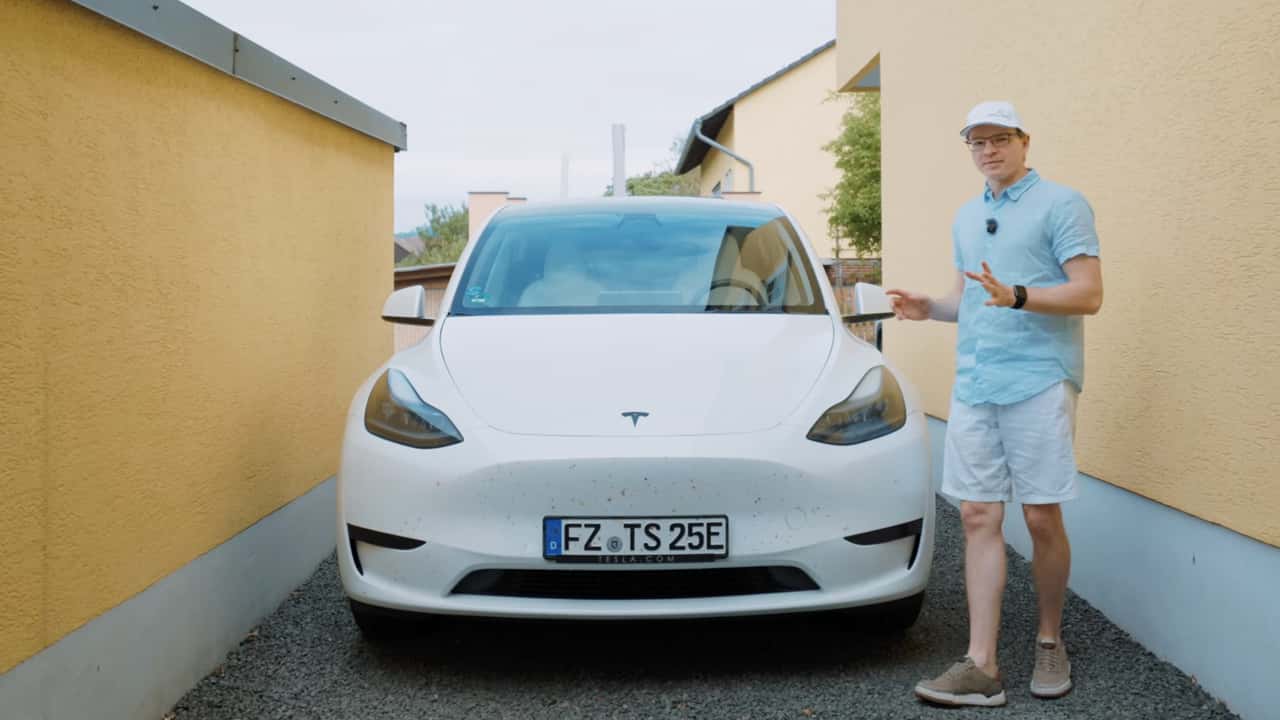
A recent study on a three-year-old Tesla Model Y Standard Range, equipped with a 60 kilowatt-hour LFP battery, provides valuable insights into battery degradation. The vehicle, which had been driven for approximately 55,000 kilometres, showed a battery capacity retention of 92% after two years. Although this degradation rate is slightly higher than average, it highlights the importance of considering various factors that can impact battery health, such as frequent fast charging and exposure to extreme temperatures. Canadian EV owners can benefit from this knowledge, especially when considering the availability of fast-charging infrastructure across the country and the potential impact of cold temperatures on battery performance.
Factors Affecting Battery Degradation
Explaining battery degradation is complex, as multiple factors can contribute to capacity loss. In the case of the Tesla Model Y, the higher-than-average degradation could be attributed to frequent Supercharging, although LFP batteries are known to be more resilient to fast charging than NMC batteries. Canadian EV owners can take advantage of the federal iZEV incentive program and provincial rebates, such as those offered in British Columbia and Quebec, to offset the cost of purchasing an EV. Additionally, understanding the factors that affect battery degradation can help Canadian EV owners make informed decisions about their vehicle's maintenance and charging habits.
Monitoring Battery Health Over Time
The Tesla Model Y's battery was tested again after an additional 25,000 kilometres, with the results showing a state of health of 91%. This minimal degradation over the past year suggests that LFP batteries can withstand fast charging and that most capacity loss occurs early in the vehicle's life. Canadian EV owners can learn from this example, as it highlights the importance of monitoring battery health over time and considering the long-term implications of their charging habits. With the growing availability of EVs in Canada, including models like the Tesla Model Y, understanding battery degradation is crucial for making informed purchasing decisions and optimizing vehicle performance.
Conclusion
Battery degradation is a natural process that affects all EVs, but understanding the patterns and factors that contribute to capacity loss can help Canadian EV owners make informed decisions about their vehicles. By considering the unique Canadian context, including cold temperatures and the availability of fast-charging infrastructure, EV owners can optimize their vehicle's performance and minimize battery degradation. As the Canadian EV market continues to grow, with new models like the Rivian R2 and Volvo EX60 becoming available, understanding battery degradation will become increasingly important for Canadian consumers.