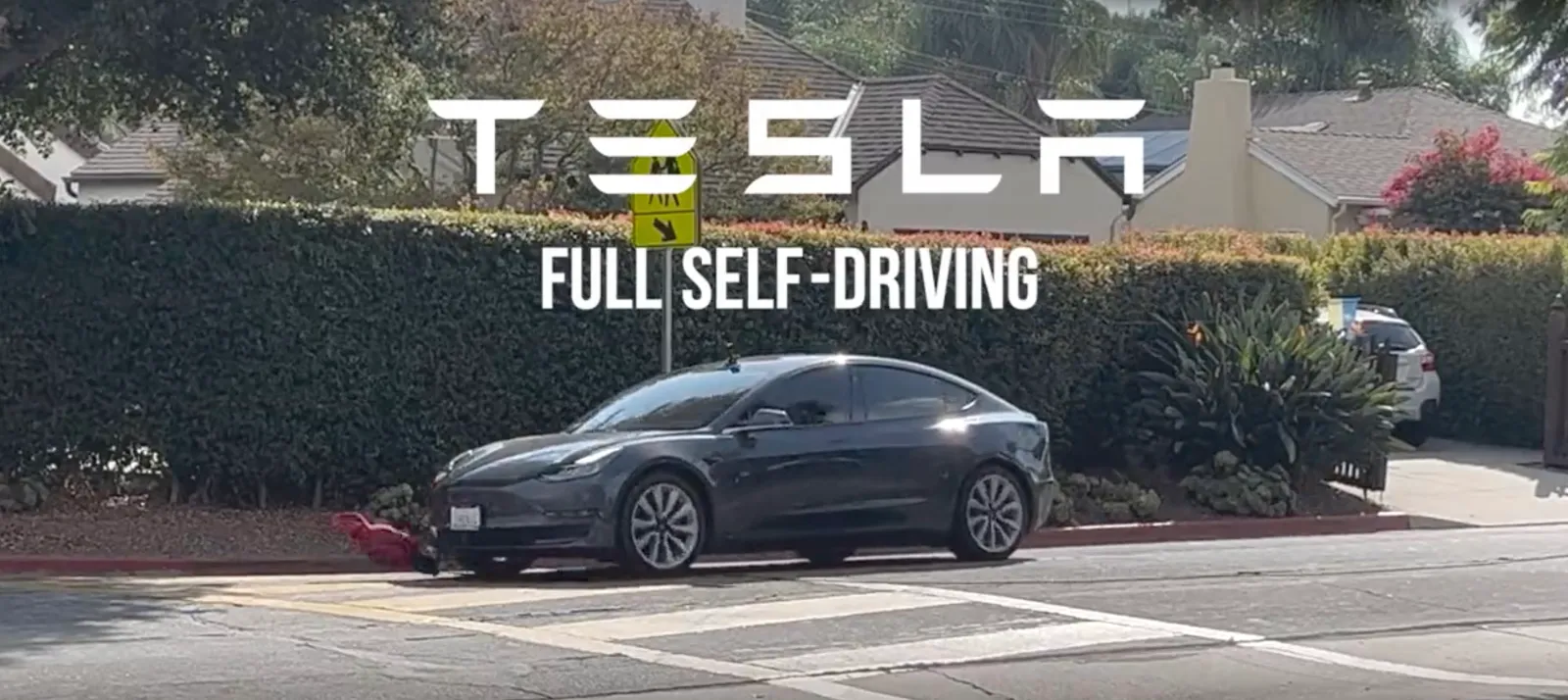
Tesla Unveils New Full Self Driving Features But Falls Short of Autonomous Vehicle Promise
June 18, 2026
Share
Key Takeaways
Tesla's Full Self-Driving (FSD) system is set to receive updates that enable it to remember users' parking preferences and navigate to frequently visited locations, reducing the need for driver intervention in Canadian cities like Toronto and Vancouver.
The FSD system will also feature voice control through Grok, allowing users to issue natural-language voice commands, with this feature expected to arrive in Canada within three months and potentially reducing driver fatigue on long road trips.
Canadian Tesla owners can expect to pay over $10,000 for the FSD feature, with some eligible for the Canadian government's iZEV incentive program offering a rebate of up to $5,000 for eligible electric vehicles, highlighting the ongoing development of autonomous driving technology in the Canadian EV market.
Tesla's Full Self-Driving Updates: A Step Closer to Convenience, But Still Not Autonomous
Tesla's CEO, Elon Musk, has announced that the company's Full Self-Driving (FSD) system will soon be able to remember users' parking preferences, allowing the vehicle to navigate to frequently visited locations, such as home, office, or school drop-off points, with ease. This feature is expected to reduce the need for driver intervention, which is currently required for parking manoeuvres. In the Canadian context, this update may be particularly useful for drivers navigating dense city centres, such as Toronto or Vancouver, where parking can be a challenge. Canadian Tesla owners can look forward to this update, which may be available in the near future, although no specific date has been announced for Canada.
Voice Control Through Grok: A New Level of Convenience
Musk also announced that Tesla owners will soon be able to interact with FSD using natural-language voice commands through Grok, similar to giving directions to an Uber driver. This feature, expected to arrive in about three months, will allow users to issue commands like "turn right here" or "drop us off here," making the driving experience more convenient and hands-free. For Canadian drivers, this feature may be particularly useful on long road trips, where the ability to control the vehicle with voice commands can reduce driver fatigue. It is likely that this feature will be available in Canada at the same time as in the US, although pricing and availability may vary.
FSD: Still a Supervised Driver-Assist System
While these updates demonstrate the impressive capabilities of FSD, they also highlight that the system remains a supervised driver-assist system, requiring human intervention in certain situations. This is an important distinction, as Tesla has been marketing FSD as a fully autonomous system since 2016. In Canada, the company has been offering FSD as an optional feature, priced at over $10,000, with some owners also eligible for the Canadian government's iZEV incentive program, which offers a rebate of up to $5,000 for eligible electric vehicles. However, the fact that drivers are still required to intervene, particularly during parking manoeuvres, underscores that FSD is not yet a fully autonomous system.
A Gap Between Promise and Reality
The updates announced by Musk demonstrate the significant progress Tesla has made in developing its FSD system. However, they also highlight the gap between the company's promise of full autonomy and the current reality. While FSD is an advanced driver-assistance system, it is still not capable of fully autonomous driving, and drivers must remain vigilant and prepared to intervene at all times. In the Canadian market, this means that drivers should not rely solely on FSD and should continue to follow safe driving practices, including staying alert and focused on the road. Additionally, Canadian provinces, such as British Columbia and Quebec, offer rebates for the purchase of electric vehicles, including those equipped with FSD, which can help offset the cost of this feature.
Conclusion
In conclusion, while Tesla's FSD updates are a step in the right direction, they do not bridge the gap between the company's promise of full autonomy and the current reality. Canadian drivers should be aware of the limitations of FSD and continue to exercise caution when using this feature. As the technology continues to evolve, it is likely that we will see further improvements to FSD, including the integration of new features and capabilities. However, for now, FSD remains a sophisticated driver-assist system, rather than a fully autonomous vehicle. With the Canadian government's focus on promoting the adoption of electric vehicles, it is likely that we will see continued innovation in this area, including the development of more advanced autonomous driving technologies.