Waymo Recalls Autonomous Vehicles Due to Potential Highway Construction Lane Issues
June 18, 2026
Share
Key Takeaways
Waymo has recalled 3,871 robotaxis in the US due to concerns that the autonomous electric vehicles may drive at highway speeds into lanes closed for construction, highlighting the need for advanced autonomous vehicle technology to recognize and respond to construction zones.
The recall is significant for the Canadian autonomous vehicle market, as Waymo's experiences in the US can inform the development of autonomous vehicle technology in Canada, where construction zones are common on highways and pose significant hazards to drivers of electric vehicles.
A software update will remedy the issue, and as the Canadian government invests in autonomous vehicle technology, including the creation of a national strategy for deployment, it is likely that similar updates and maintenance strategies will be developed for autonomous vehicles in Canada, including those with electric vehicle capabilities.
Waymo Recalls 3,871 Robotaxis in the US Due to Highway Construction Zone Concerns
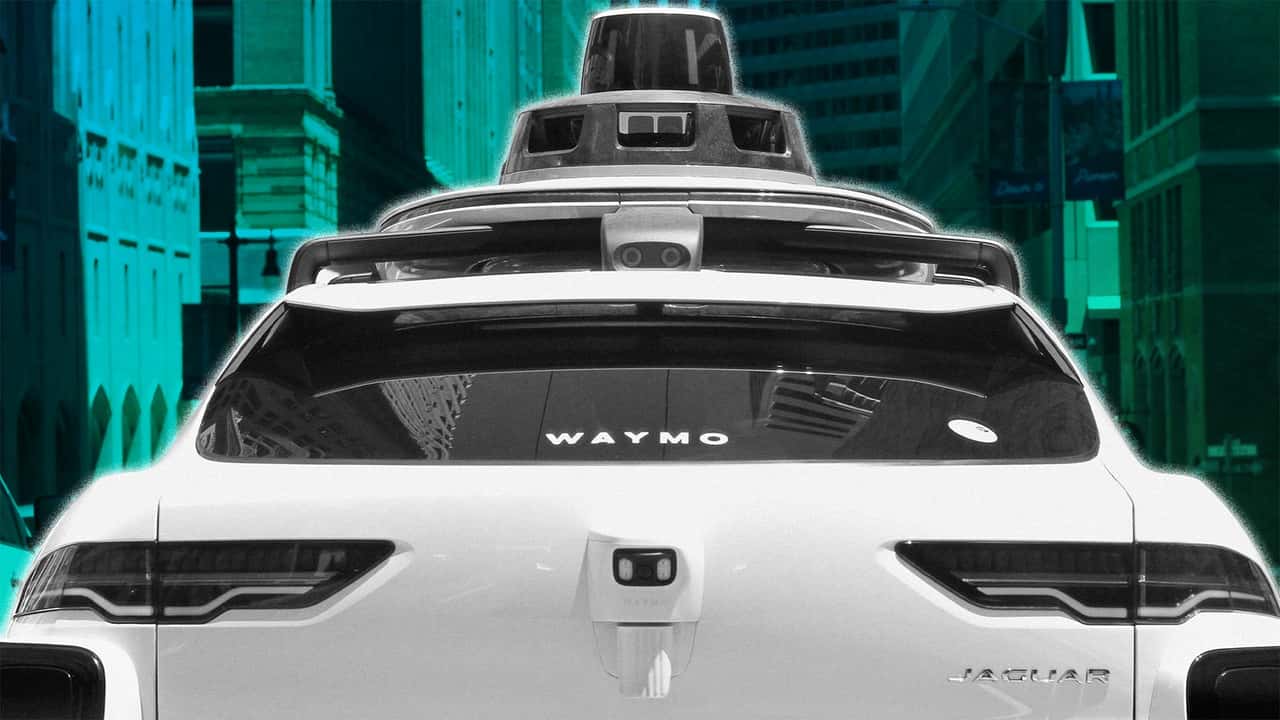
Waymo has issued a recall of all 3,871 of its robotaxis equipped with the 5th Generation Automated Driving System (ADS) in the US, citing concerns that the vehicles may drive at highway speeds into lanes closed for construction. This recall is a significant development in the autonomous vehicle industry, with implications for Canadian consumers who may be interested in purchasing or using similar vehicles in the future. Although Waymo's robotaxis are not currently available in Canada, the company's experiences and advancements in the US market can inform the development of autonomous vehicle technology in Canada.
Recall Details and Canadian Context
The recall notice states that under certain circumstances, the autonomous vehicles (AVs) may enter and drive at speed in freeway construction zones due to inappropriately prioritizing the avoidance of other freeway hazards and/or failing to recognize the construction zone. This issue is particularly relevant in Canada, where construction zones are common on highways and can pose significant hazards to drivers. If Waymo's technology were to be deployed in Canada, it would need to be adapted to recognize and respond to Canadian construction zones, which may have different signage and markings than those in the US. Additionally, Canadian consumers who purchase electric vehicles, including those with autonomous capabilities, may be eligible for incentives such as the iZEV program, which offers rebates of up to $5,000 for eligible vehicles.
Software Update to Remedy the Issue
Fortunately, the issue can be remedied by a software update, and there have been no reported injuries or deaths associated with the problem. As the Canadian government continues to invest in the development of autonomous vehicle technology, including the creation of a national strategy for the deployment of autonomous vehicles, it is likely that similar issues will arise in the Canadian context. However, the fact that Waymo owns its own fleet means that it can quickly and efficiently update its vehicles, which is not always the case with privately owned vehicles. In Canada, the government and industry stakeholders will need to work together to develop strategies for ensuring that autonomous vehicles are safely and efficiently updated and maintained.
Implications for the Autonomous Vehicle Industry in Canada
The recall comes less than a year after Waymo gained the capability to operate on freeways in certain US markets, a significant milestone for the company. As the autonomous vehicle industry continues to evolve in Canada, it is likely that similar challenges and opportunities will arise. For example, the development of autonomous vehicle technology in Canada will require significant investment in infrastructure, including the creation of dedicated lanes and corridors for autonomous vehicles. Additionally, Canadian regulators will need to develop and implement new regulations and standards for the deployment of autonomous vehicles, including rules for testing and validating autonomous vehicle technology.
Conclusion
In conclusion, the recall of Waymo's robotaxis is a significant development in the autonomous vehicle industry, with implications for Canadian consumers and industry stakeholders. As the industry continues to evolve in Canada, it is likely that similar challenges and opportunities will arise, and it will be important for government and industry stakeholders to work together to develop strategies for ensuring the safe and efficient deployment of autonomous vehicle technology. With the potential for autonomous vehicles to transform the transportation sector in Canada, including reducing greenhouse gas emissions and improving road safety, it is essential that we learn from the experiences of companies like Waymo and work towards creating a safe and supportive environment for the development and deployment of autonomous vehicle technology.