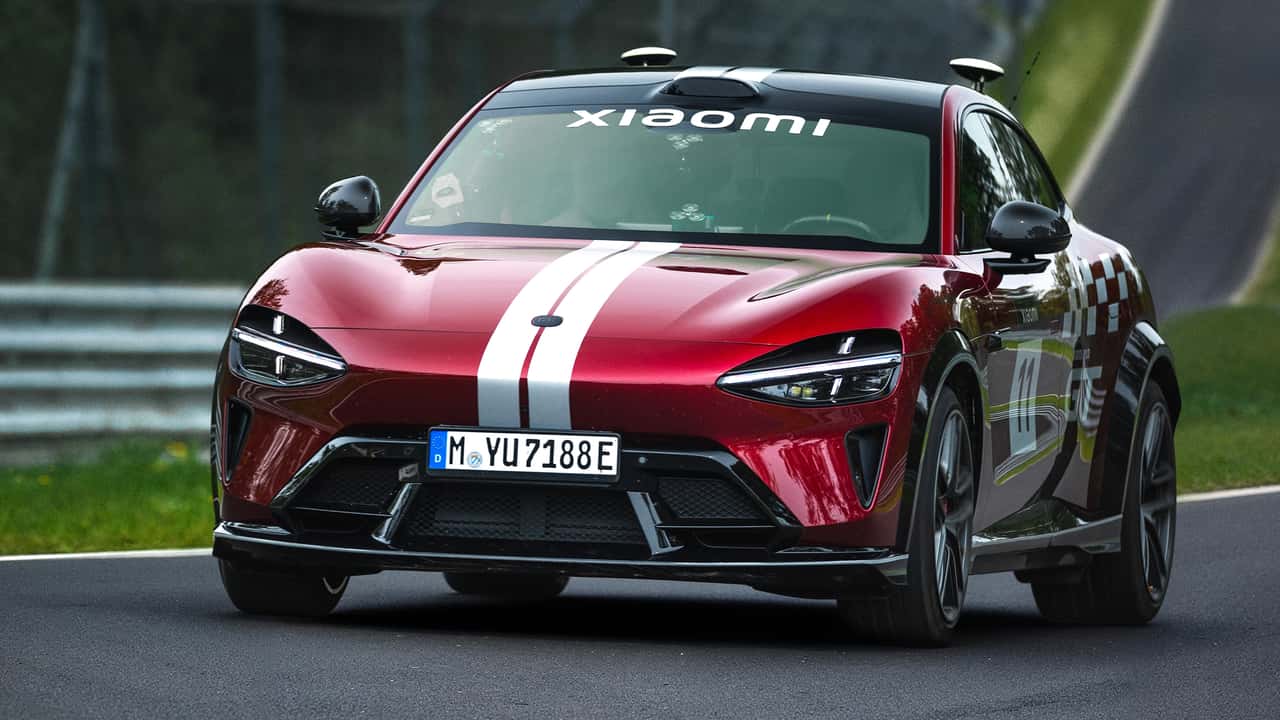
Xiaomi Autonomous Electric SUV Completes Lap at Nurburgring Track
June 22, 2026
Share
Key Takeaways
A driverless Xiaomi YU7 GT electric crossover completed a lap of the Nurburgring Nordschleife in 10:29.483, demonstrating the potential for autonomous electric vehicles to navigate complex courses without human intervention, and showcasing the capabilities of advanced EV technology.
The Xiaomi YU7 GT boasts impressive specs, including 1,000 horsepower and a 0-100 km/h time of under 3.0 seconds, making it a high-performance electric vehicle that may soon be available in the Canadian market, potentially eligible for the iZEV incentive program and additional provincial rebates for EV purchases.
The success of the Xiaomi YU7 GT's autonomous lap has significant implications for the Canadian electric vehicle market, with the growth of autonomous EVs likely to impact the country's transportation landscape and contribute to the government's goals of reducing emissions and promoting sustainable transportation, as more Canadians turn to eco-friendly EV options.
Autonomous Electric Vehicles Take to the Track
Autonomous laps of racetracks are becoming increasingly common, but a recent lap of the Nurburgring Nordschleife in Germany by a driverless Xiaomi YU7 GT electric crossover marks a significant milestone in the development of driverless technology. The 21-kilometre circuit was completed in 10:29.483, a respectable time considering the complexity of the track and the fact that there was no human driver behind the wheel. While this time may not be impressive by Nurburgring standards, it demonstrates the potential for autonomous vehicles to navigate challenging courses without human intervention.
Implications for the Canadian Market
As the automotive industry continues to evolve, Canadians can expect to see more autonomous vehicles on the road, including those eligible for the iZEV incentive program. With many provinces offering additional rebates for electric vehicle purchases, the demand for EVs is on the rise. The Xiaomi YU7 GT, with its impressive 1,000 horsepower and ability to reach 100 km/h in under 3.0 seconds, is an example of the high-performance electric vehicles that may soon be available in the Canadian market. However, it is essential to note that the YU7 GT's Canadian pricing and availability have not been announced.
The Future of Autonomous Track Driving
The success of the Xiaomi YU7 GT's autonomous lap raises questions about the potential for driverless technology to be used in various contexts, including track driving. As the technology continues to develop, we can expect to see more complex scenarios being tackled, such as navigating through traffic or adapting to changing weather conditions. With its cautious approach to cornering and braking, the YU7 GT demonstrated a unique driving style that prioritized safety over speed. As autonomous vehicles become more prevalent, it will be interesting to see how they are integrated into various aspects of Canadian life, from daily commuting to recreational activities like track driving.
Xiaomi's Plans for Autonomous Technology
Xiaomi has hinted at further developments in autonomous technology, suggesting that this is just the beginning of a new era for the company. With its commitment to innovation and its existing presence in the electric vehicle market, Xiaomi is well-positioned to play a significant role in shaping the future of autonomous driving. As the company continues to push the boundaries of what is possible with autonomous technology, Canadians can expect to see more exciting developments in the years to come. With the Canadian government's focus on reducing emissions and promoting sustainable transportation, the growth of the autonomous electric vehicle market is likely to have a significant impact on the country's transportation landscape.