Xiaomi SU7 Reveals Secret to Xiaomi Dominating Chinese Market
June 15, 2026
Share
Key Takeaways
Xiaomi is applying its innovative approach to manufacturing, with 83% automation, to its electric vehicle (EV) line, including models like the SU7 Ultra, which could be eligible for Canadian incentives like the iZEV program.
The company's focus on cool and cutting-edge technology, with a design aesthetic rivaling Apple, could help its EVs capture the hearts of young Canadians who value style and substance in their electric vehicles.
Xiaomi's EVs, such as the SU7 Ultra, boast impressive features like advanced autonomous driving capabilities and a range of up to 500 kilometres on a single charge, making them a competitive option in the Canadian market with potential pricing under established brands like Tesla or BMW.
Introduction to Xiaomi's Innovative Approach
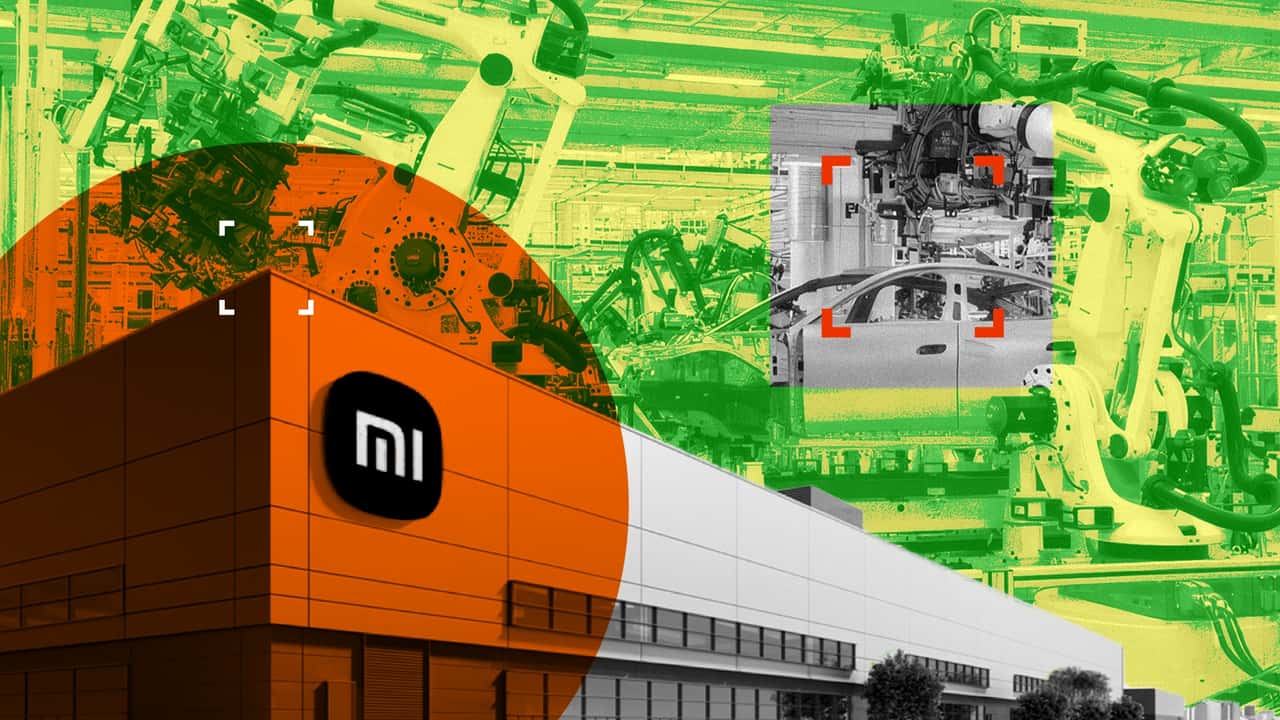
Located just outside of Beijing, Xiaomi's latest factory is a marvel of modern technology, with rows of machines bearing the company's distinctive square-shaped yellow "Mi" logo. The room is quiet, with only the hum of machinery breaking the silence, as phones are assembled with precision and speed. This level of automation, with the plant being 83% automated, allows for an impressive production rate of one phone every six seconds. This innovative approach to manufacturing is a key factor in Xiaomi's success, and it's an aspect that the company is now applying to its burgeoning electric vehicle (EV) line.
Xiaomi's Focus on Cool and Cutting-Edge Technology
According to VP and CMO Xu Fei, the company's designers and engineers are driven by a simple question: "Is it cool enough?" This mantra guides the development of Xiaomi's products, from smartphones to smart audio glasses, with a focus on creating devices that are both clever and on the cutting edge of technology. With a keen eye for detail and a design aesthetic that rivals Apple, Xiaomi's products are poised to capture the hearts of young Canadians who value both style and substance. In the Canadian context, this could mean that Xiaomi's EVs, such as the SU7 Ultra, could be eligible for incentives like the iZEV program, which offers rebates of up to $5,000 for eligible vehicles.
Xiaomi's Brand Perception and Product Line
Xiaomi's brand perception in China skews younger, with a focus on marketing to young adults who are looking for premium experiences without the hefty price tag. The company's products, including its EVs, are designed to hit a wide range of points, from affordability to features and design. In Canada, this could translate to a competitive pricing strategy, with the potential for Xiaomi's EVs to undercut established brands like Tesla or BMW. For example, the SU7 Ultra, with its impressive performance and features, could be priced competitively with other luxury EVs in the Canadian market, making it an attractive option for Canadian buyers.
Impressive Technology and Features
The author had the opportunity to experience Xiaomi's product line, including the flagship Xiaomi 17 Ultra Leica Edition, which boasts an impressive camera system that could replace a full-sized DSLR camera. Similarly, the SU7 and YU7 EVs are designed to be cool and feature-packed, with a focus on delivering a premium experience at an affordable price. With features like advanced autonomous driving capabilities and a range of up to 500 kilometres on a single charge, Xiaomi's EVs are poised to make a splash in the Canadian market. Additionally, with provincial rebates and incentives available in provinces like British Columbia and Quebec, Canadian buyers may be able to take advantage of even more savings when purchasing a Xiaomi EV.
Driving the SU7 Sedan and SU7 Ultra
The author had the chance to drive both the facelifted SU7 sedan and the SU7 Ultra, a car that has garnered significant attention for its impressive performance and features. With its low-slung dimensions and available bright-coloured hues, the SU7 sedan stands out on the road, while the SU7 Ultra is a true showstopper, with its prototype form holding the record for the fastest four-door car to lap the Nurburgring. As Xiaomi expands its EV line into the Canadian market, it will be interesting to see how these vehicles are received by Canadian buyers, and whether they will be eligible for incentives like the iZEV program or provincial rebates. With its focus on innovation, cool design, and affordability, Xiaomi is well-positioned to make a significant impact in the Canadian EV market.