China Tests Sodium Ion Batteries in Heavy Duty Trucks
June 21, 2026
Share
Key Takeaways
Sodium batteries, made from affordable and abundant materials, promise to reduce the cost of electric vehicles in Canada, increasing their adoption and making them more accessible to Canadian buyers, with potential benefits for the Canadian EV market.
FAW Jiefang's sodium-ion battery pack has completed a comprehensive test, retaining over 90% of its usable capacity at -40°C, and demonstrating faster charging times of 20-25 minutes, making it suitable for Canada's cold climate and attractive for Canadian fleets and consumers.
The successful test brings sodium batteries closer to commercialization, with other companies like CATL and BYD also investing in the technology, potentially disrupting the Canadian EV market and helping the country reach its net-zero emissions goal by 2050 with more affordable and reliable electric vehicles.
Sodium Batteries for Electric Vehicles: A Promising Alternative to Lithium-Ion
Sodium batteries, made from more affordable and abundant materials than lithium-ion batteries, promise to make electric vehicles more accessible to Canadians. With the potential to reduce the cost of EVs, sodium batteries could play a significant role in increasing the adoption of electric vehicles in Canada, where the federal government offers incentives such as the iZEV program, which provides a rebate of up to $5,000 for eligible vehicles. Additionally, some provinces, like British Columbia and Quebec, offer their own rebates, making EVs even more attractive to Canadian buyers.
FAW Jiefang's Sodium Battery Test: A Step Towards Commercialization
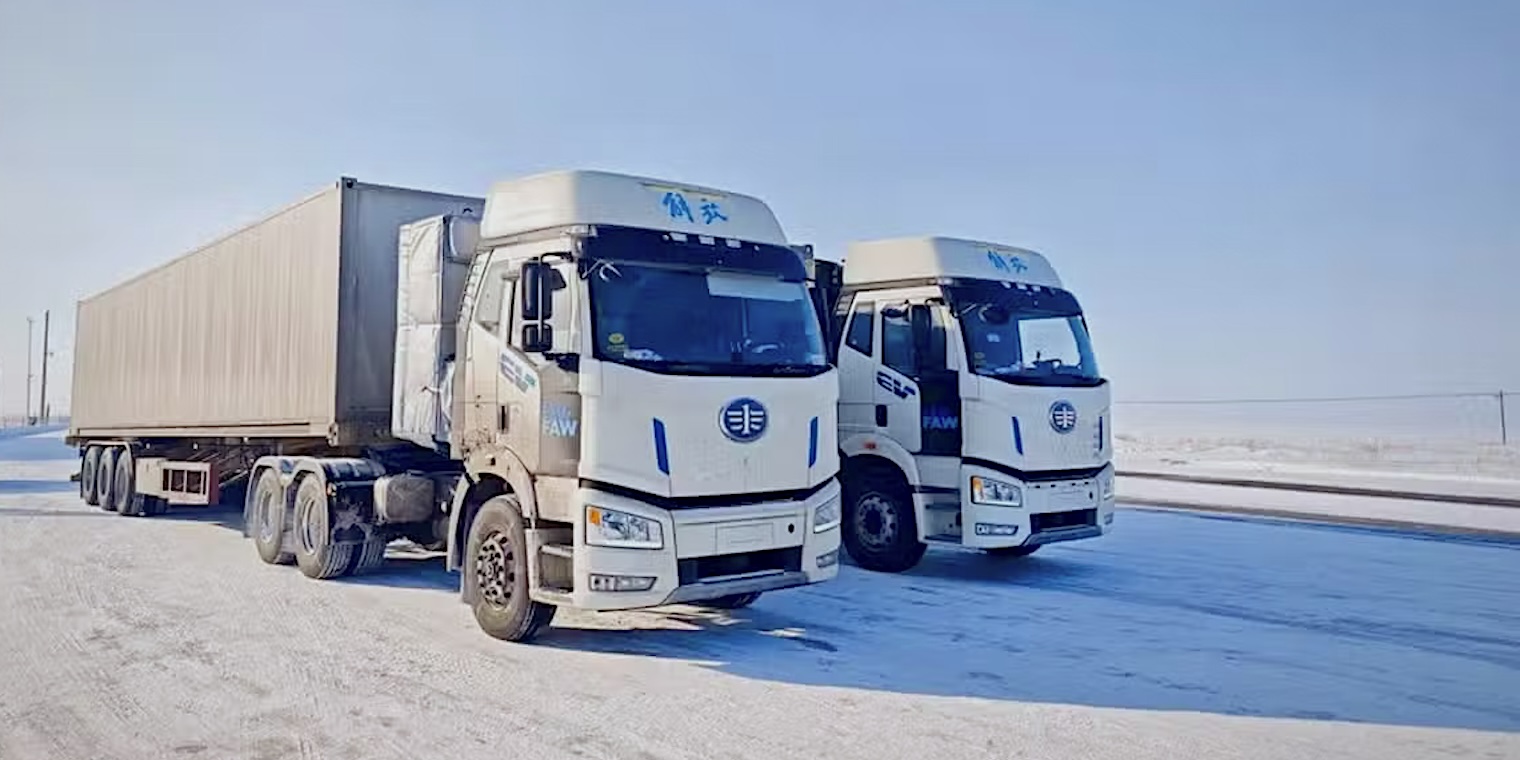
Chinese truck brand FAW Jiefang has completed a comprehensive test of its sodium-ion battery packs, which were co-developed with battery supplier Zhongke Haina. The test, which lasted nearly seven months and covered over 15,000 kilometres, simulated real-world operations in extreme heat and cold, including long-haul runs, repeated charging sessions, and constant exposure to changing road and weather conditions. The results were impressive, with the 339 kWh sodium-ion battery pack retaining more than 90% of its usable capacity at -40°C, making it suitable for use in Canada's cold climate.
Faster Charging and Improved Safety
The test also demonstrated the benefits of sodium-ion batteries, including faster charging times and improved safety. According to Zhongke Haina, the battery can be fully charged in just 20-25 minutes, significantly reducing refuelling time and improving logistics and transportation efficiency. Additionally, the battery has a cycle life exceeding 8,000 cycles under fast charging conditions, far surpassing industry standards. These features make sodium-ion batteries an attractive option for Canadian fleets and consumers looking for a reliable and efficient EV solution.
The Race to Commercialize Sodium Batteries
FAW Jiefang's successful test is a significant step towards commercializing sodium batteries, which could potentially disrupt the EV market in Canada. Other companies, such as CATL and BYD, are also working on sodium battery technology, with CATL investing over $700 million to build a 40 GWh annual sodium battery production capacity plant. As the demand for EVs continues to grow in Canada, the development of sodium batteries could play a crucial role in increasing the availability of affordable and reliable EVs, making them more accessible to Canadian consumers. With the Canadian government's goal of reaching net-zero emissions by 2050, the commercialization of sodium batteries could be a key factor in achieving this target.