Ford Gains Advantage Over China With New Affordable Electric Vehicle Platform
June 24, 2026
Share
Key Takeaways
Ford is introducing a new Universal Electric Vehicle (UEV) platform, starting with a midsize electric pickup expected to start at around $40,000 CAD, making it eligible for Canadian government incentives and provincial rebates for electric vehicles.
The UEV platform boasts a 15% increase in efficiency due to improved aerodynamics and utilizes prismatic lithium iron phosphate (LFP) batteries, reducing production costs and increasing interior space for Canadian consumers.
The new electric pickup is expected to launch in the US in 2027, with potential Canadian availability to follow, offering a unique combination of affordability, range, and performance to compete with Chinese EV makers like BYD and established manufacturers like Tesla in the Canadian electric vehicle market.
Ford's New Universal Electric Vehicle Platform to Challenge Chinese EV Makers
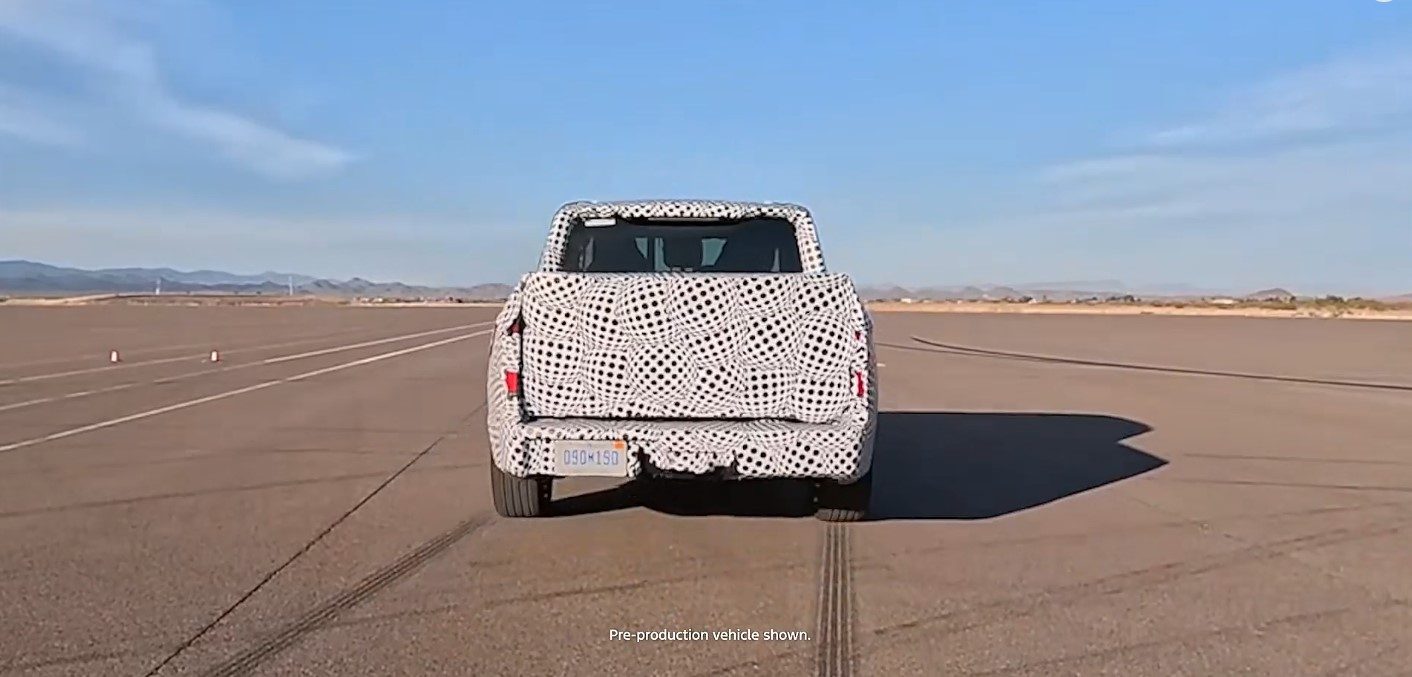
Ford is shifting its focus from large electric trucks and SUVs to smaller, more affordable EVs based on its new Universal Electric Vehicle (UEV) platform. The first vehicle to utilize this platform is a four-door midsize electric pickup, which is expected to start at around $40,000 CAD, potentially qualifying for the Canadian government's iZEV incentive program and various provincial rebates. This competitive pricing strategy is crucial for Ford to remain competitive in the Canadian market, where EV adoption is on the rise.
Improved Aerodynamics and Efficient Batteries
The UEV platform boasts improved aerodynamics, with a 15% increase in efficiency compared to other trucks sold in the US. This is largely due to the recruitment of experts from the Formula 1 world, who have brought their expertise to Ford's skunkworks team in California. The company is also utilizing prismatic lithium iron phosphate (LFP) batteries, which are not only cheaper but also provide more interior space. Although the LFP batteries are built in the US, they are based on licensed technology from China's CATL. The use of LFP batteries is expected to reduce production costs, making the vehicle more affordable for Canadian consumers.
Increased Interior Space and Reduced Production Costs
The midsize EV pickup is expected to have more interior passenger space than a Toyota RAV4, as well as a front trunk (frunk) and bed. Ford is also implementing gigacasting, or "unicastings," to reduce the number of parts required to build the vehicle from 146 to just two. This innovative production method is expected to decrease production costs, making the vehicle more competitive in the Canadian market. With the Canadian government's focus on reducing emissions and increasing EV adoption, Ford's new UEV platform is well-positioned to capitalize on this trend.
Global Competition and Canadian Availability
While Ford may eventually bring the UEV platform to Europe to compete with Chinese rivals, it will first focus on the US market, with potential Canadian availability in the near future. The company is currently testing the new pickup on public roads, with a prototype spotted in Long Beach. Although there is no official word on Canadian pricing or availability, the vehicle is expected to launch in the US in 2027, with a potential Canadian release to follow. Canadian consumers can expect to see the vehicle at dealerships in the next few years, with pricing and trim levels to be announced closer to the launch date.
Competition from Chinese EV Makers
Ford faces stiff competition from Chinese EV makers like BYD, which has already surpassed Ford in global vehicle sales. BYD's new Blade Battery 2.0 and Flash Charging system offer a WLTP driving range of up to 600 km and fast charging in under 10 minutes. To remain competitive, Ford must prove its UEV platform can deliver similar performance and range at an affordable price. In the Canadian market, Ford will need to navigate the complex landscape of provincial rebates and incentives, while also competing with established EV manufacturers like Tesla and Hyundai. With its new UEV platform, Ford is poised to make a significant impact in the Canadian EV market, offering a unique combination of affordability, range, and performance.