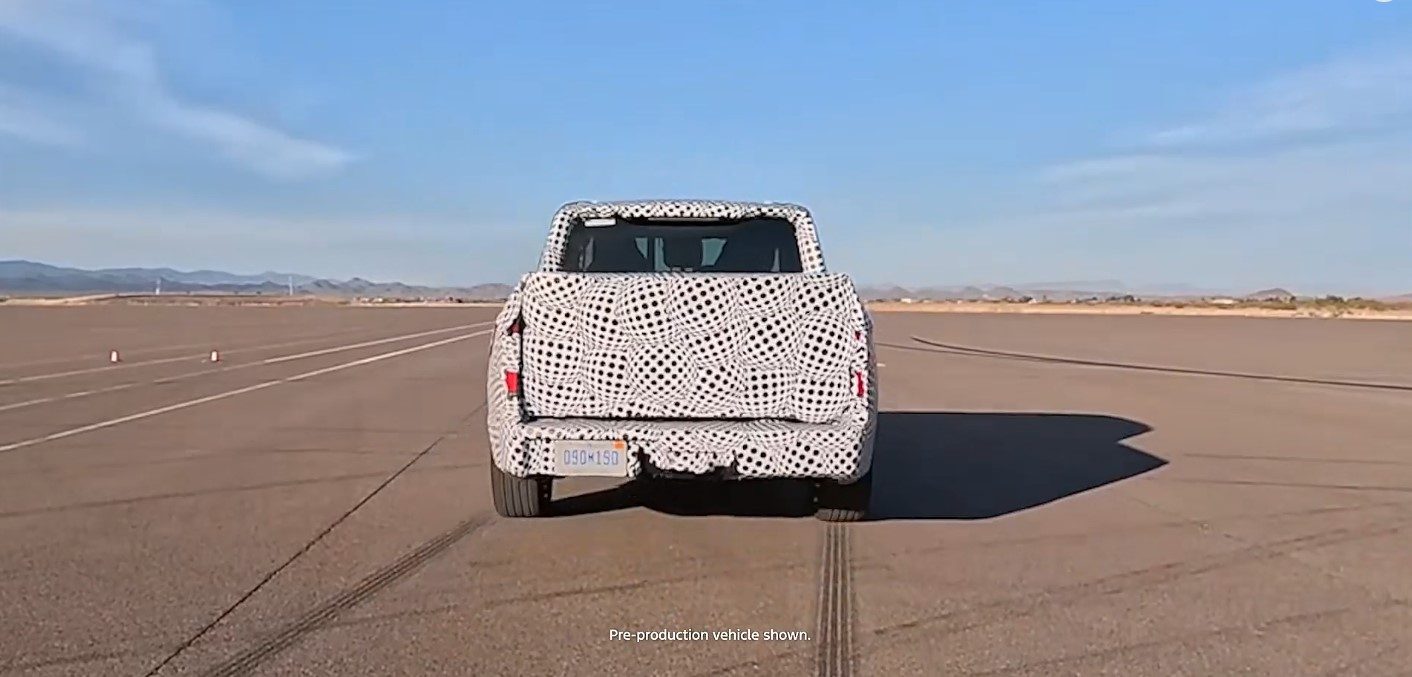
Ford Produces Affordable LFP Battery Cells in US for New 30000 Dollar Electric Pickup Truck
June 17, 2026
Share
Key Takeaways
Ford is set to introduce lithium iron phosphate (LFP) batteries in its mainstream electric vehicles (EVs) in North America, starting with its upcoming midsize electric pickup priced around $40,000 CAD, making them more affordable and efficient for Canadian consumers.
The new LFP battery cells will provide a range of over 400 kilometres on a single charge, offering more interior space and a lower cost of ownership, making the vehicle an attractive option for Canadians who need to travel long distances in their electric vehicles.
The Ford midsize electric pickup is expected to be available in Canada in 2027, competing with other popular EVs, and may be eligible for the Canadian government's iZEV incentives and provincial rebates, driving adoption of electric vehicles in the Canadian market.
Ford to Introduce LFP Batteries in Mainstream EVs
Ford is set to become the first automaker to use lithium iron phosphate (LFP) batteries in a mainstream electric vehicle (EV) in North America, starting with its upcoming midsize electric pickup, priced around $30,000 USD, which translates to approximately $40,000 CAD. The company's Bluoval Battery Park in Michigan is now assembling LFP prismatic cells, utilizing licensed battery and manufacturing technology from China's CATL. This move is expected to make Ford's EVs more affordable and efficient, which could make them more competitive in the Canadian market, where they may be eligible for the Canadian government's iZEV incentives and provincial rebates.
Improved Efficiency and Affordability
The new battery cells will be used in Ford's affordable midsize electric pickup, the first vehicle based on its Universal Electric (UEV) platform. This platform is expected to provide more interior space, thanks to the lighter and more compact LFP battery cells. According to Ford, the midsize pickup will offer more passenger space than a Toyota RAV4 and a lower cost of ownership than a Tesla Model Y, making it an attractive option for Canadian consumers. With a range of over 400 kilometres, this vehicle is expected to be a game-changer in the Canadian EV market, where long distances and cold temperatures can be a challenge for electric vehicles.
Production and Launch
Ford is ramping up production as it prepares to launch the new EV pickup in 2027. The vehicle will be assembled at the Louisville assembly plant, with the first customer deliveries set to follow shortly thereafter. Canadian pricing and availability have not been announced yet, but it is expected that the vehicle will be available in Canada, where it will compete with other popular EVs. The LFP battery cells are expected to provide a range of over 400 kilometres on a single charge, making them an attractive option for Canadian consumers who need to travel long distances.
Global LFP Battery Market
China currently dominates the global LFP battery market, with companies like CATL and BYD accounting for over 55% of global EV battery sales in 2025. The use of LFP batteries is expected to continue to grow, with LFP accounting for 72% of the cathode materials market in 2025. Ford's decision to use LFP batteries in its mainstream EVs is a significant move, as it could help the company to regain its position in the EV market. In Canada, the use of LFP batteries is expected to increase, driven by government incentives and declining battery costs.
Competition and Future Plans
While Ford is betting on LFP batteries for a comeback, its crosstown rival GM is reconsidering using them in future EVs. The use of LFP batteries is expected to become more widespread in the EV market, as companies like Ford and GM compete to offer more efficient and affordable electric vehicles. In Canada, the competition is expected to heat up, with several new EV models set to be launched in the next few years, including the Ford midsize electric pickup. With its competitive pricing and improved efficiency, this vehicle is expected to be a top contender in the Canadian EV market.