Nissan Cancels Planned Electric Vehicle Launch in Surprising Move
June 23, 2026
Share
Key Takeaways
Nissan has halted development of the Qashqai EV, a fully electric version of its top-selling European vehicle, which may impact the company's competitiveness in the Canadian electric vehicle market.
The decision is expected to affect Nissan's electrification strategy in Canada, where the company will need to focus on its remaining EV models, such as the LEAF, to navigate the country's unique regulatory landscape and consumer preferences.
The halt in Qashqai EV development may harm Nissan's long-term prospects in the Canadian market, where the government is promoting EV adoption through incentives like the iZEV program and investments in charging infrastructure, allowing competitors like BYD to gain market share.
Nissan's Qashqai EV Plans Halted, Casting Doubt on Canadian Availability
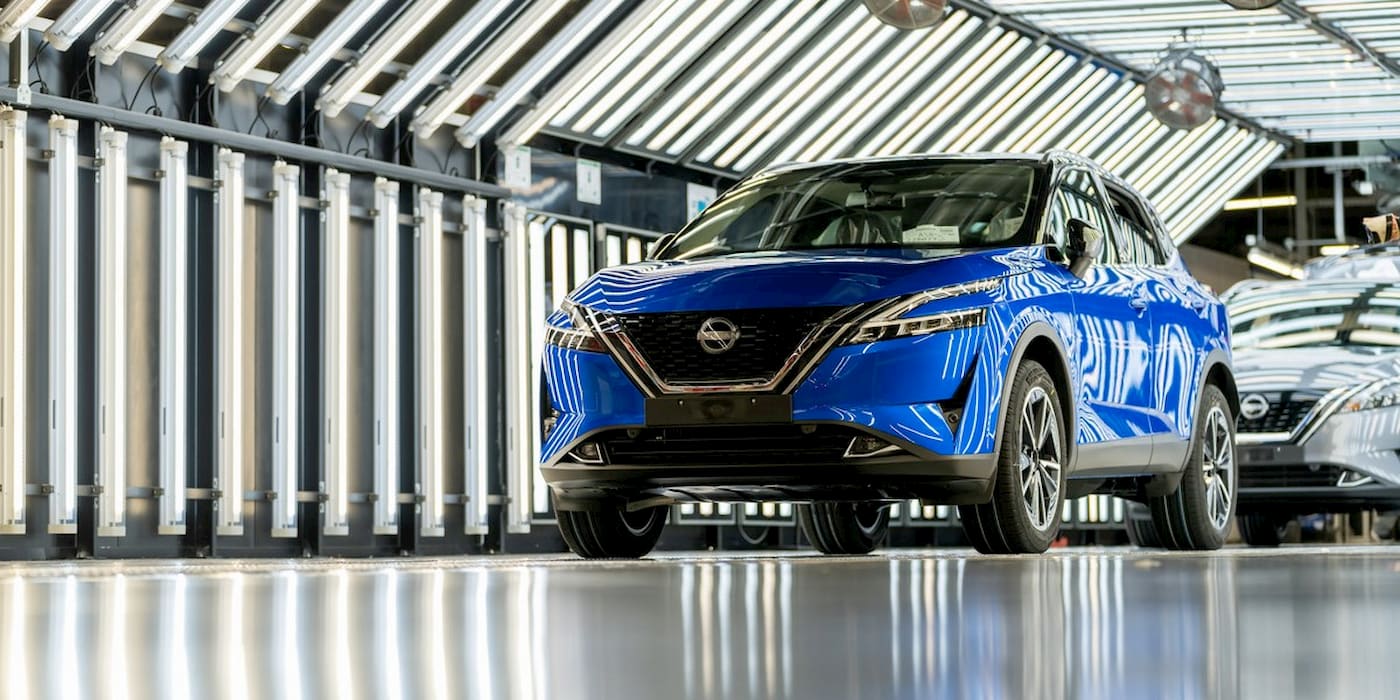
Nissan's top-selling vehicle in Europe, the Qashqai, will not be going fully electric as initially planned, with the Japanese automaker halting development of the Qashqai EV. This decision comes as a surprise, given the Qashqai's popularity in Europe, with over 147,200 units sold in 2025, accounting for approximately 42% of Nissan's total sales in the region. The move is expected to impact Nissan's competitiveness in the Canadian market, where electric vehicles (EVs) are gaining traction, particularly with the Canadian government's iZEV incentives and provincial rebates, such as those offered in British Columbia and Quebec.
Impact on Canadian Market and Nissan's Electrification Strategy
The Qashqai EV was expected to be a key player in Nissan's electrification strategy, which aimed to expand the company's "electrified" lineup, including hybrids. However, with the halt in development, Nissan's plans for the Canadian market remain uncertain. The company has confirmed that it will focus on a "balanced" electrification strategy, taking into account the "significant volatility" in EV demand in Europe. This approach may also be applied to the Canadian market, where Nissan will need to navigate the country's unique regulatory landscape and consumer preferences. Canadian pricing and availability for Nissan's remaining EV models, such as the LEAF, will be crucial in determining the company's competitiveness in the market.
Consequences of Delaying EV Transition
By halting major EV projects, Nissan may be saving money in the short term, but it risks falling further behind its competitors, particularly low-cost Chinese brands like BYD, which are rapidly gaining market share. The delay in transitioning to fully electric vehicles may ultimately harm Nissan's long-term prospects, as the industry continues to shift towards more sustainable and environmentally friendly options. As the Canadian government continues to promote the adoption of EVs through incentives and investments in charging infrastructure, Nissan's decision to halt the Qashqai EV may prove to be a missed opportunity to capitalize on the growing demand for electric vehicles in the Canadian market. With a range of over 400 kilometres, the Qashqai EV would have been an attractive option for Canadian drivers, particularly those in urban centres like Toronto and Vancouver, where the cost of fuel and parking can be high.