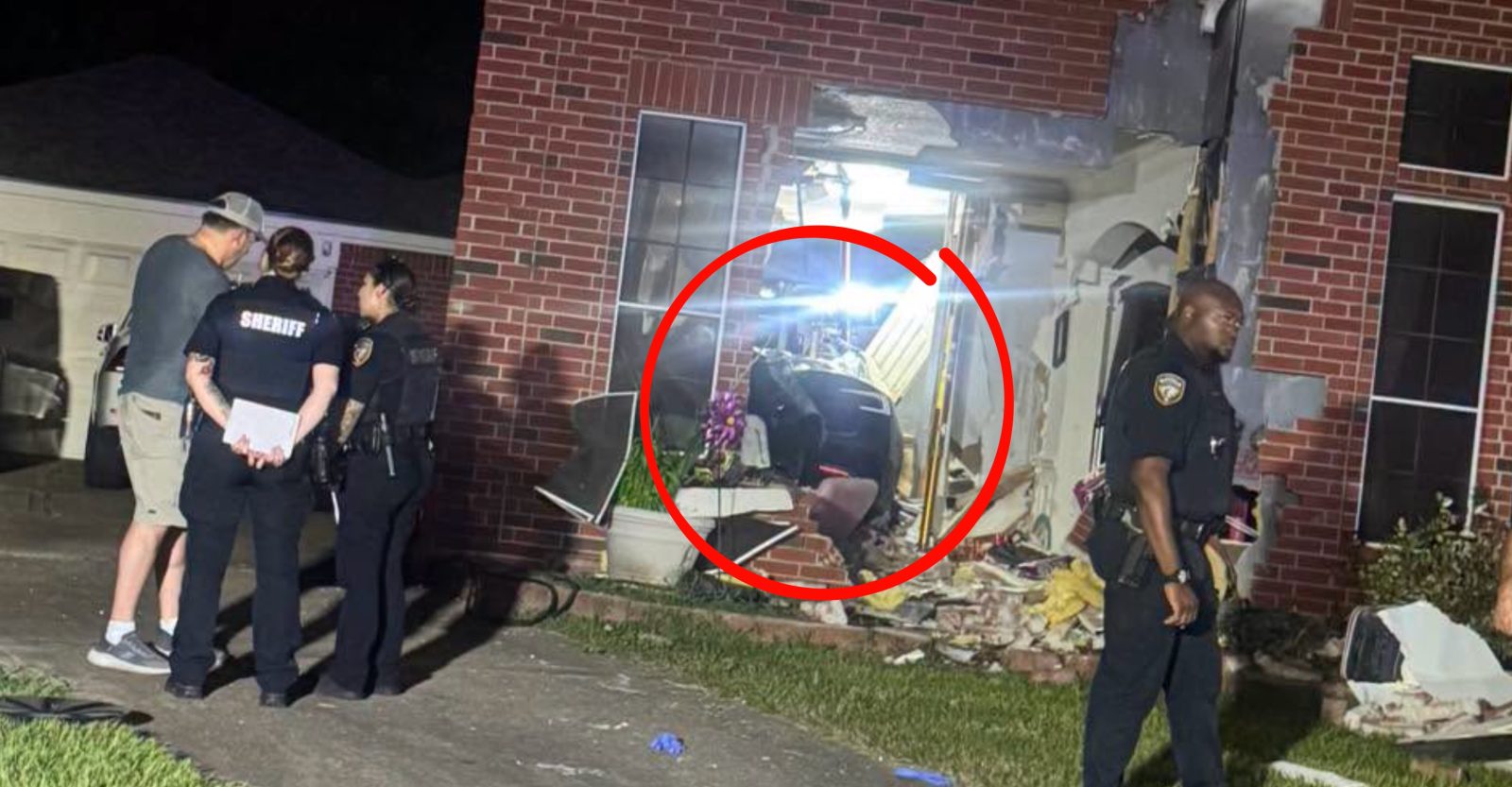
Tesla Fatal Crash in Texas Blamed on Driver Error with FSD Activated
June 23, 2026
Share
Key Takeaways
A recent fatal crash in Texas has raised concerns about the safety of Tesla's Full Self-Driving (FSD) system, with the company confirming that FSD was engaged when a Model 3 crashed into a residence, killing a 76-year-old woman, highlighting the need for ongoing evaluation of autonomous driving systems.
The incident has sparked a debate about the role of autonomous driving systems in accidents and whether Tesla bears any responsibility, with a similar case in Florida setting a precedent for Tesla's liability in accidents involving its Autopilot system, potentially impacting Canadian electric vehicle (EV) owners.
In Canada, Tesla's Autopilot and FSD systems are available on select models, including the Model 3 and Model S, with Canadian pricing starting at around $44,000, and provincial rebates may be available for Canadian drivers who purchase electric vehicles with advanced safety features like Autopilot and FSD, promoting the adoption of eco-friendly EVs.
Tesla's Self-Driving System Under Scrutiny in Fatal Crash
A recent incident in Texas has raised concerns about the safety of Tesla's self-driving system, known as Full Self-Driving (FSD). The company has confirmed that FSD was engaged when a Model 3 crashed into a residence, killing a 76-year-old woman. According to Tesla, the driver, Michael Butler, overrode the system by pressing the accelerator to 100%, resulting in the vehicle reaching a speed of 73 mph. This incident has sparked a debate about the role of autonomous driving systems in such accidents and whether Tesla bears any responsibility.
Pedal Misapplication and Complacency
The investigation suggests that a pedal misapplication occurred, with the driver pressing the accelerator instead of the brake. However, this does not necessarily absolve Tesla of blame. The company's FSD system is designed to condition drivers to disengage from the driving process, which can lead to complacency and slower reaction times in emergency situations. This complacency problem is a concern for Canadian drivers as well, particularly in provinces where Tesla's Autopilot and FSD systems are available. Canadian drivers can benefit from being aware of the potential risks associated with these systems and taking steps to stay engaged while driving, even with advanced driver-assistance systems (ADAS) like Autopilot and FSD.
Precedent and Liability
A similar case in Florida has set a precedent for Tesla's liability in accidents involving its Autopilot system. In 2025, a jury found Tesla 33% responsible for a fatal crash, despite the driver's misuse of the system. This verdict highlights that Tesla's marketing and weak driver monitoring can foster a false sense of security, leading to driver complacency. Canadian authorities, including Transport Canada, may take note of this precedent when evaluating the safety of autonomous driving systems in Canada. Additionally, Canadian drivers who purchase Tesla vehicles with Autopilot or FSD may be eligible for incentives like the iZEV program, which offers rebates for electric and hybrid vehicles, including those with advanced safety features.
Canadian Context and Availability
In Canada, Tesla's Autopilot and FSD systems are available on select models, including the Model 3 and Model S. Canadian pricing for these vehicles varies, with the Model 3 starting at around $44,000. While Tesla's FSD system is not yet widely available in Canada, the company has announced plans to expand its rollout in the coming years. Provincial rebates, such as those offered in British Columbia and Ontario, may also be available for Canadian drivers who purchase electric vehicles with advanced safety features like Autopilot and FSD. As the availability of autonomous driving systems continues to grow in Canada, it is essential for drivers to understand the potential risks and benefits associated with these technologies and to stay informed about the latest developments in the industry.
Conclusion
The incident in Texas highlights the need for ongoing evaluation and improvement of autonomous driving systems, including Tesla's FSD. As the technology continues to evolve, it is crucial for manufacturers, regulators, and drivers to work together to ensure that these systems are safe and effective. Canadian drivers can play a role in this process by staying informed about the latest developments and providing feedback on their experiences with autonomous driving systems. By prioritizing safety and responsible driving practices, we can help to create a safer and more sustainable transportation system for all Canadians, with a focus on reducing the number of kilometre-driven accidents and promoting eco-friendly transportation options.