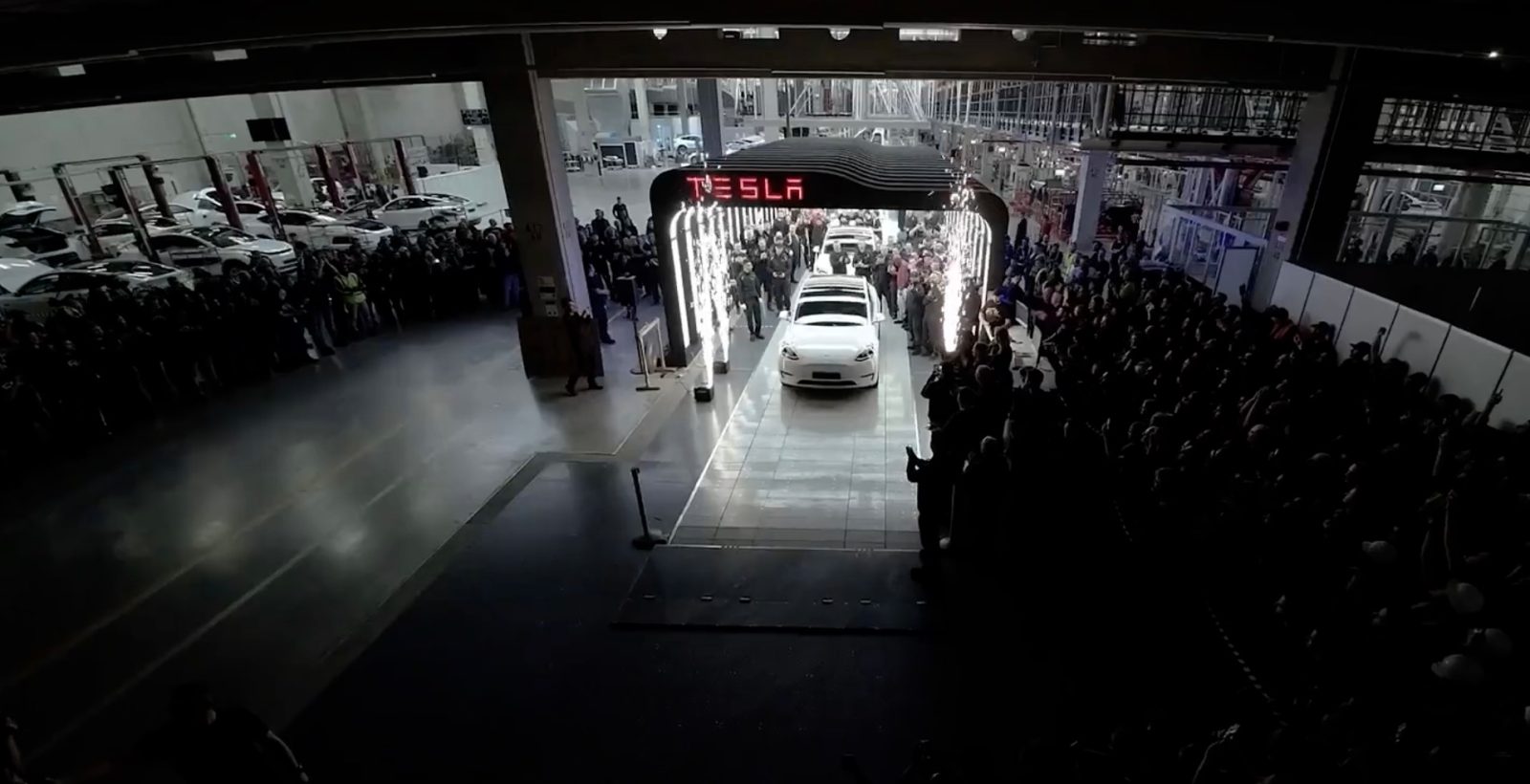
Tesla Increases Giga Berlin Workforce by 1000 to Meet Growing European Demand
June 25, 2026
Share
Key Takeaways
Tesla is expanding its European operations with a hiring push of 1,000 workers at its Gigafactory near Berlin, aiming to increase production to 7,500 electric vehicles (EVs) per week by October, capitalizing on renewed demand for EVs in the region.
The growth in European EV demand, with EU registrations of battery-electric cars increasing by 67% year-over-year, is expected to have a ripple effect in the Canadian market, potentially leading to more affordable options and increased competition for Canadian EV buyers.
As Tesla ramps up production, Canadian consumers may see more competitive pricing for models like the Model Y, with the added benefit of incentives like the iZEV program, which offers rebates of up to $5,000 for eligible EV purchases, making electric vehicles more attractive to Canadian buyers.
The expansion of Tesla's European operations may also lead to increased investment in Canadian EV infrastructure, including charging stations and battery production facilities, making it easier for Canadians to adopt EVs and drive long distances without range anxiety.
The growth in global EV demand, driven by factors like rising fuel prices and national incentive programs, is expected to continue, with the Canadian government's iZEV program and provincial rebates poised to drive Canadian EV sales to new heights in the coming years.
Tesla Expands European Operations with Hiring Push and Production Ramp-Up
Tesla is set to hire an additional 1,000 workers at its Gigafactory near Berlin, as the company aims to increase production to 7,500 vehicles per week by October. This move comes after a decline in European sales, with the company seeking to capitalize on renewed demand for electric vehicles (EVs) in the region. The hiring push is part of a larger effort to ramp up production, with Tesla having already announced plans to recruit over 1,500 employees for battery cell production in Germany. For Canadian EV enthusiasts, this news highlights the growing demand for electric vehicles globally, and the potential for similar trends in the Canadian market, where EVs are becoming increasingly popular, partly due to incentives like the iZEV program and provincial rebates.
Impact on the European EV Market
The expansion of Tesla's European operations is expected to have a significant impact on the regional EV market. With the company targeting a production rate of 7,500 vehicles per week, Giga Berlin will be well-positioned to meet growing demand for EVs in Europe. According to recent data, EU registrations of battery-electric cars have increased by 67% year-over-year, with EVs now accounting for 19.7% of new registrations. This trend is expected to continue, driven in part by rising fuel prices and renewed national incentive programs. For Canadian consumers, this growth in European EV demand may lead to increased competition and more affordable options in the Canadian market, with prices potentially decreasing due to economies of scale and improved production efficiency, making EVs like the Model Y more competitive with traditional gasoline-powered vehicles in terms of cost per kilometre.
Factors Driving the Recovery in European Sales
The recovery in Tesla's European sales can be attributed to several factors, including rising fuel prices, which have made EVs more attractive to consumers. Additionally, renewed national incentive programs and a recovering overall car market have contributed to the growth in EV demand. While Tesla's European sales have been boosted by these external factors, the company's decision to hire 1,000 additional workers and ramp up production suggests that it is confident in its ability to maintain this momentum. For Canadian EV buyers, this means that they may soon see more affordable options, potentially with Canadian pricing that reflects the economies of scale achieved through increased production, and with the added benefit of incentives like the iZEV program, which offers rebates of up to $5,000 for eligible EV purchases, as well as provincial rebates in certain regions.
Implications for the Canadian EV Market
As Tesla expands its European operations, Canadian consumers can expect to see a ripple effect in the local market. With increased production and growing demand for EVs globally, Canadian buyers may soon have access to a wider range of affordable EV options, including potentially more competitive pricing for models like the Model Y, which is currently available in Canada. Furthermore, the growth in European EV demand may lead to increased investment in Canadian EV infrastructure, including charging stations and battery production facilities, making it easier for Canadians to adopt EVs and drive long distances without range anxiety, whether cruising down the Trans-Canada Highway or commuting through urban centres like Toronto or Vancouver. As the Canadian government continues to incentivize EV adoption through programs like the iZEV program, the country is well-positioned to capitalize on the global trend towards electric vehicles, with the potential for Canadian EV sales to reach new heights in the coming years.