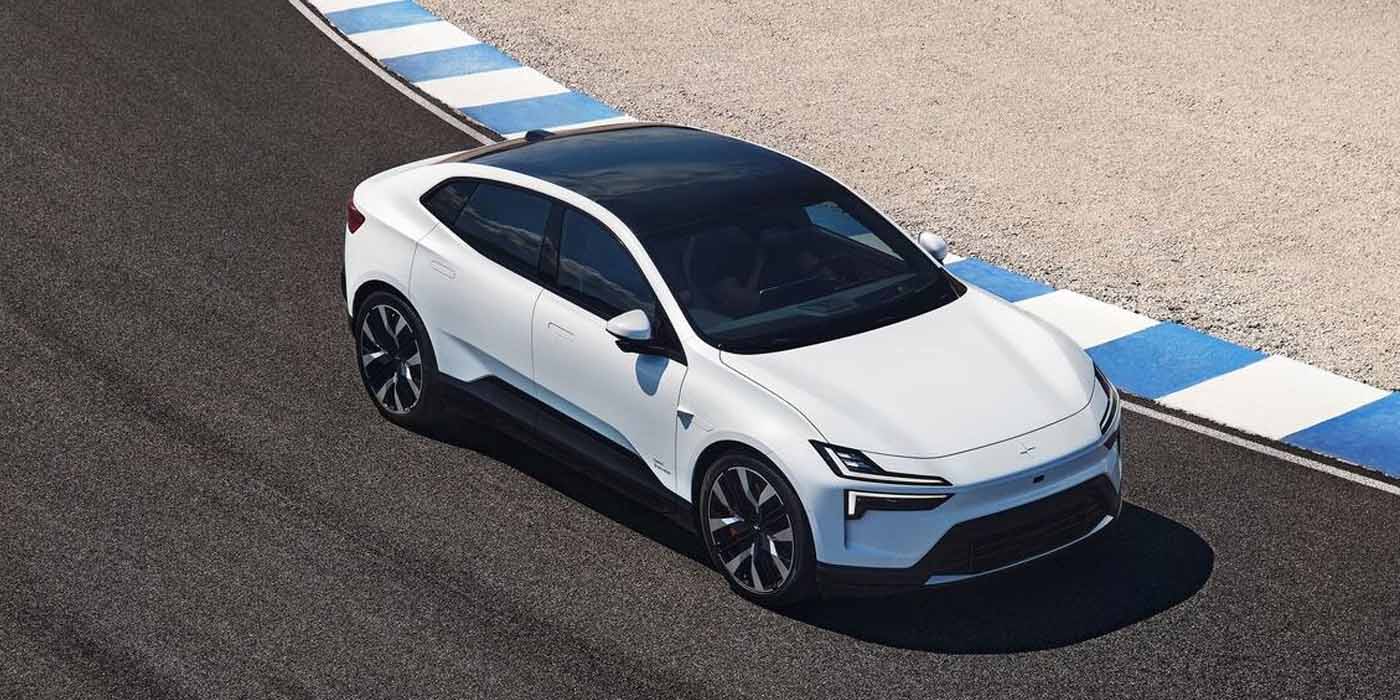
US Blocks Polestar Over Chinese Connected Vehicle Rule Setting Dangerous Precedent
June 25, 2026
Share
Key Takeaways
Polestar will discontinue new vehicle sales in the US market starting with model year 2027 due to the US Department of Commerce declining to grant authorization under the Connected Vehicle Rule, affecting its electric vehicle (EV) business.
Canadian customers can still purchase Polestar vehicles, including the Polestar 3 and Polestar 4, with prices starting at around $83,000 CAD and $53,000 CAD respectively, and may be eligible for the Canadian government's iZEV incentives offering up to $5,000 in rebates for eligible EV purchases.
Polestar plans to expand its presence in the Canadian market, where electric vehicle adoption is growing, with a focus on competitive pricing and eligibility for provincial rebates in provinces like British Columbia and Quebec, further incentivizing Canadian customers to buy EVs.
Polestar to Discontinue New Vehicle Sales in the US Market
Polestar, the Geely-owned Swedish electric vehicle (EV) brand, has announced that it will be pulling new vehicles out of the US market starting with model year 2027. This decision comes after the US Department of Commerce declined to grant the company authorization under the Connected Vehicle Rule. The rule, which aims to ban connected vehicles with a "sufficient nexus" to China or Russia from the US market, has effectively ended new-car sales in the US for Polestar, despite one of its models being assembled in South Carolina.
Impact on Canadian Market and iZEV Incentives
While the US market closure may not directly impact Canadian sales, it is essential to note that Polestar has flagged Canada as a growth market. Canadian customers can still expect to purchase Polestar vehicles, including the Polestar 3 and Polestar 4, and may be eligible for the Canadian government's iZEV incentives, which offer up to $5,000 in rebates for eligible EV purchases. Additionally, some provinces, such as British Columbia and Quebec, offer their own provincial rebates, which can provide further incentives for Canadian customers.
Expansion into European and Canadian Markets
Polestar plans to expand its European sales network and localize manufacturing, with production of the upcoming Polestar 7 compact SUV planned in Europe. The company also aims to grow its presence in Canada, where EV adoption is on the rise. With a strong focus on regional dynamics, Polestar is well-positioned to capitalize on the growing demand for EVs in the Canadian market. Canadian pricing for Polestar vehicles is competitive, with the Polestar 3 starting at around $83,000 CAD, and the Polestar 4 starting at around $53,000 CAD.
Connected Vehicle Rule and Its Implications
The Connected Vehicle Rule has significant implications for the automotive industry, particularly for companies with Chinese ownership or a Chinese tech stack in their supply chain. The rule's emphasis on corporate structure and software sourcing, rather than assembly address, may lead to a re-evaluation of business strategies for companies operating in the US market. As the Canadian government continues to promote the adoption of EVs, it will be interesting to see how the Connected Vehicle Rule affects the Canadian market and whether similar regulations will be implemented.
Conclusion
Polestar's decision to discontinue new vehicle sales in the US market is a significant development in the EV industry. As the company shifts its focus to European and Canadian markets, Canadian customers can expect to see continued availability of Polestar vehicles, including the Polestar 3 and Polestar 4, at competitive prices. With the Canadian government's iZEV incentives and provincial rebates, Canadian customers can enjoy significant savings when purchasing an EV. As the industry continues to evolve, it will be essential to monitor the impact of the Connected Vehicle Rule on the Canadian market and the strategies employed by companies like Polestar to navigate this new regulatory landscape.