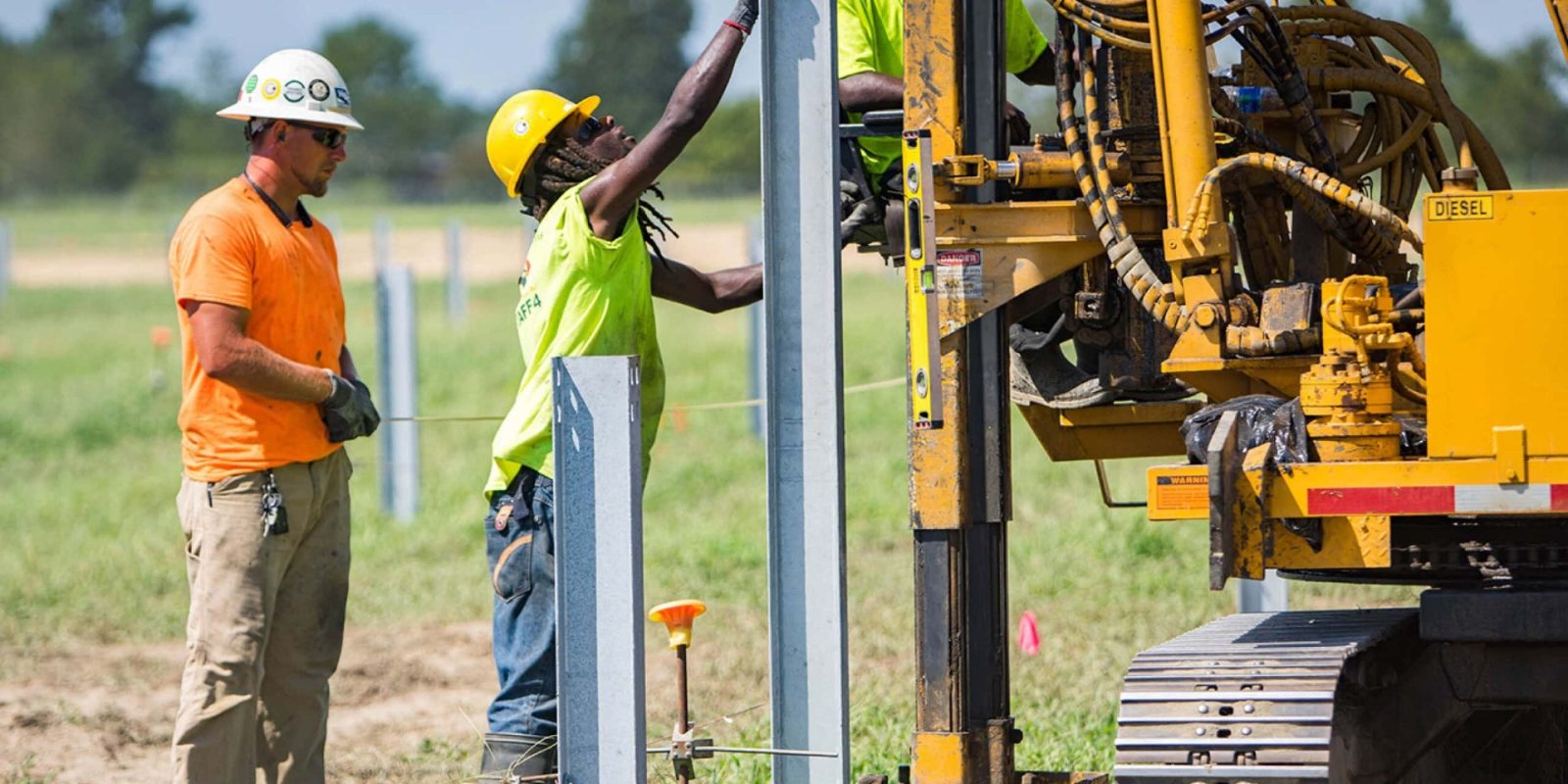
Arkansas Solar Storage Project Secures 3.5 Billion Dollars in Funding
June 11, 2026
Share
Key Takeaways
The Steel River Energy Centre in Arkansas, a large-scale solar-plus-storage project, highlights the growing demand for renewable energy infrastructure and could inspire similar projects in Canada, eligible for federal incentives like the iZEV programme and provincial rebates.
Canadian companies could adopt strategies like using domestically manufactured solar panels and partnering with local manufacturers to create jobs and stimulate local economies, particularly in provinces like Ontario, Quebec, British Columbia, and Alberta with ambitious renewable energy targets.
Large-scale solar-plus-storage projects in Canada could attract significant investment, deliver long-term economic benefits, and contribute to the country's energy mix, supporting economic development and reducing reliance on fossil fuels, with potential to create hundreds of construction jobs and promote a cleaner, more sustainable electric vehicle (EV) charging infrastructure.
Canadian Insights into Large-Scale Solar-Plus-Storage Projects
Although the Steel River Energy Centre in Arkansas is a significant milestone in the US, Canadians can draw inspiration from large-scale solar-plus-storage projects. The $3.5 billion deal, which will fund the construction and long-term operation of the project's first two phases, highlights the growing demand for renewable energy infrastructure. In the Canadian context, such projects could be eligible for federal incentives, such as the iZEV programme, which aims to promote the adoption of zero-emission vehicles, as well as provincial rebates, which vary by region.
Potential for Canadian Solar-Plus-Storage Projects
The Steel River Energy Centre's use of 100% US-made structural steel and domestically manufactured solar panels demonstrates the potential for Canadian companies to adopt similar strategies. By using Canadian-made materials, such as those from Ontario or Quebec, and partnering with domestic solar panel manufacturers, Canadian solar-plus-storage projects could create jobs and stimulate local economies. With the Canadian government's focus on reducing greenhouse gas emissions, large-scale solar-plus-storage projects could play a crucial role in helping the country achieve its climate goals, particularly in provinces with ambitious renewable energy targets, such as British Columbia and Alberta.
Financing and Economic Benefits
The financing of the Steel River Energy Centre, which was fully underwritten by four major banks, showcases the strong interest from lenders in large-scale energy infrastructure projects. Similarly, Canadian solar-plus-storage projects could attract significant investment, creating hundreds of construction jobs and delivering long-term economic benefits to local communities. As the demand for renewable energy continues to grow in Canada, driven in part by provincial policies and incentives, such as the Ontario government's renewable energy programme, the potential for Canadian solar-plus-storage projects to contribute to the country's energy mix and support economic development in regions like the Prairies is substantial. With the right financing and support, these projects could help Canada meet its rapidly growing electricity demand while reducing its reliance on fossil fuels and promoting a cleaner, more sustainable energy future.