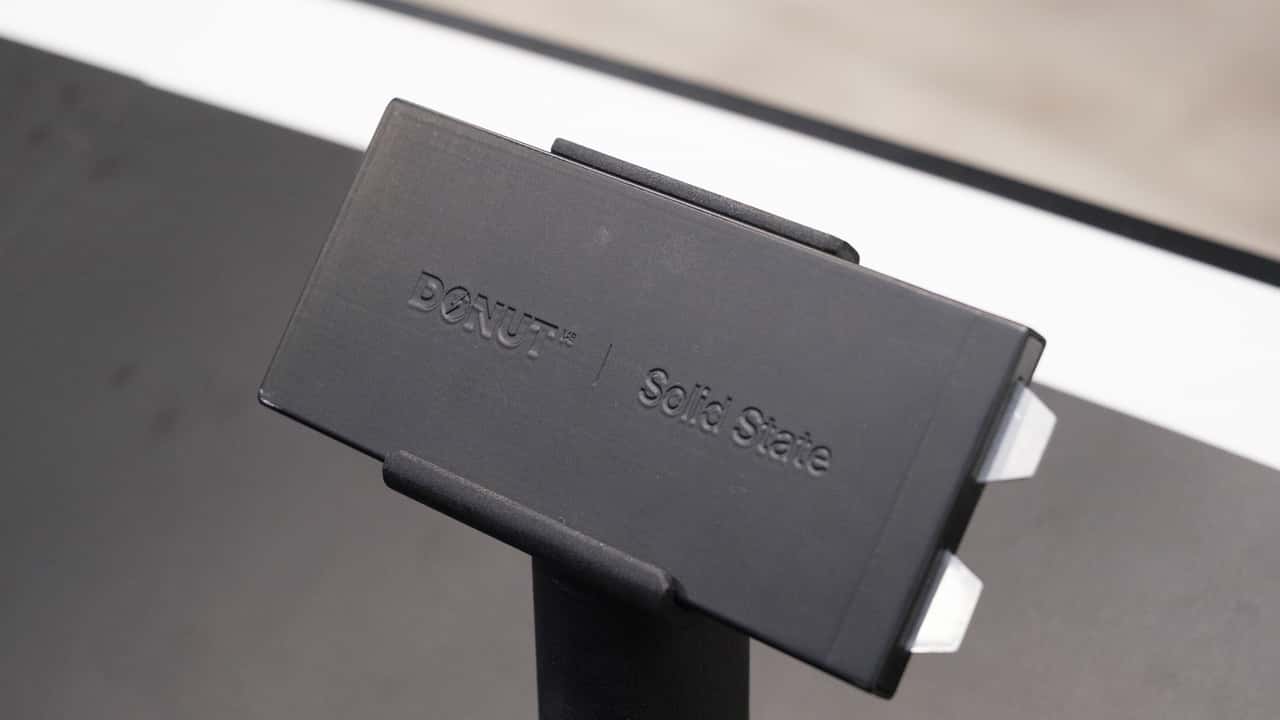
YouTuber Exposes Donut Lab Solid State Battery Claims Revealing Major Lithium Battery Discovery
June 11, 2026
Share
Key Takeaways
An investigation by Ryan Hughes has debunked Finnish startup Donut Lab's claims of developing the world's first production-ready all-solid-state battery, revealing that the company may have been passing off high-end lithium-ion cells as solid-state batteries, with claimed specs including 400 watt-hours per kilogram of energy density and 100,000 cycles.
The news may impact Canadian electric vehicle (EV) enthusiasts, but major companies like Toyota and CATL are still working on developing true solid-state batteries, with significant R&D budgets and manufacturing experience, and current lithium-ion battery technology remains a viable option for Canadian EV buyers.
Canadian EV buyers can still take advantage of incentives like the iZEV program, which offers up to $5,000 in rebates for eligible EV purchases, and provincial rebates like British Columbia's SCRAP-IT program, with a range of EV models available in the market, including those with fast-charging capabilities and competitive prices.
Solid-State Battery Claims by Donut Lab Deemed False
A recent investigation by Ryan Hughes of theZirothYouTube channel has revealed that Finnish startup Donut Lab's claims of developing the world's first production-ready all-solid-state battery are false. Donut Lab had claimed that its solid-state battery could charge in five minutes, last 100,000 cycles, deliver 400 watt-hours per kilogram of energy density, and remain immune to thermal runaway, all while being free from rare earth materials. These claims were seen as bold, especially considering that typical lithium-ion batteries have half the energy density and last only a couple thousand cycles.
Industry Skepticism and Investigation
The claims made by Donut Lab sent shockwaves through the industry, with many battery experts expressing skepticism. After months of investigation, Hughes' findings suggest that Donut Lab may have been passing off high-end lithium-ion cells as solid-state batteries. The company had debuted its technology at CES in January, but leaked internal emails, consultations with battery scientists, and interviews with former employees have revealed a tangled web of companies chasing investor money and a lack of basic due diligence.
Implications for the Canadian EV Market
While the news may be disappointing for Canadian electric vehicle (EV) enthusiasts, it's essential to note that genuine efforts to develop true solid-state batteries are underway at major companies like Toyota and CATL. These companies have decades of manufacturing experience and billions in R&D budgets, making them more likely to achieve a breakthrough. For Canadian EV buyers, the current lithium-ion battery technology is still a viable option, with many models available in the market, such as the Mercedes-AMG GT, which can charge from 10-80% in just 11 minutes. Canadian buyers can also take advantage of incentives like the iZEV program, which offers up to $5,000 in rebates for eligible EV purchases. Additionally, some provinces offer their own rebates, such as British Columbia's SCRAP-IT program, which provides up to $6,000 in incentives for trading in a gas-powered vehicle for an EV.
The Future of Solid-State Batteries
Solid-state batteries are considered the "holy grail" of battery technology, promising to extend the driving range of EVs, make fast-charging as quick as filling up gas, and expand the battery's lifespan while making them fireproof. While Donut Lab's claims may have been false, the pursuit of solid-state battery technology continues, with many companies investing heavily in research and development. As the technology advances, Canadian EV buyers can expect to see improvements in range, charging time, and overall performance. With the Canadian government's commitment to reducing greenhouse gas emissions and promoting the adoption of EVs, the future of solid-state batteries looks promising, and Canadian buyers can expect to see more affordable and efficient EV options in the market, with prices competitive to those in the US, and available at centres across the country, with a range of up to 500 kilometres or more.