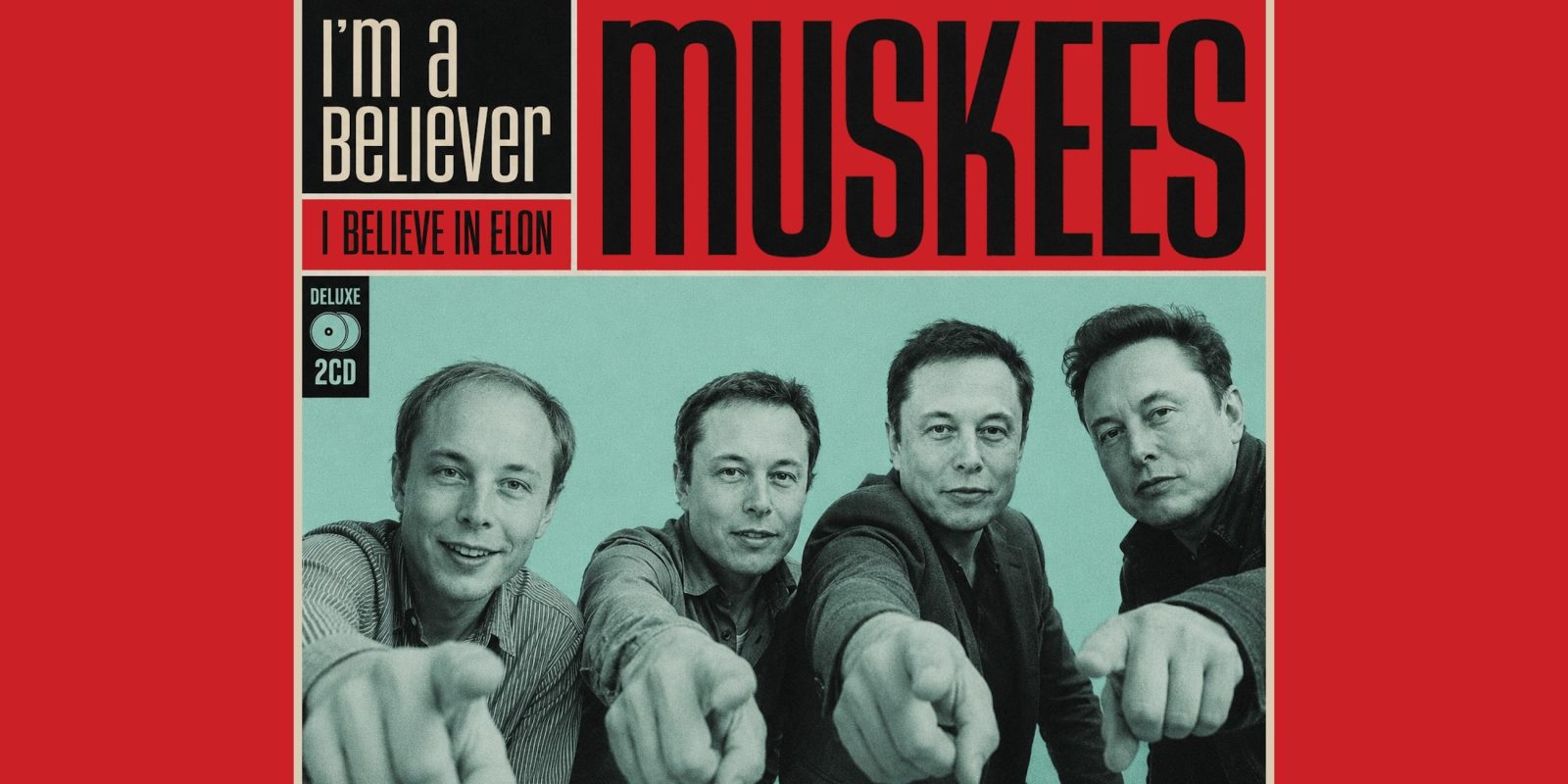
A recent survey of over 3,000 Canadians reveals that 67% of respondents do not trust Elon Musk, citing concerns over his handling of controversies and impact on global issues, which may affect the adoption of electric vehicles (EVs) in Canada.
The Canadian government's incentives, such as the iZEV program offering rebates of up to $5,000 for eligible EV purchases, may be hindered by the lack of trust in Elon Musk, with some provinces like British Columbia and Quebec offering additional rebates for EV buyers.
Despite criticisms, some Canadians support Elon Musk's vision for the future of EVs and autonomous driving, but also acknowledge the need for expanded charging infrastructure and affordable EV options, with prices ranging from $30,000 to over $100,000, to increase adoption of electric vehicles in Canada.
Canadian Perspective on Elon Musk's Vision for a Self-Driving Future
As Canadians consider the future of electric vehicles (EVs) and autonomous driving, a recent survey of over 3,000 respondents sheds light on the public's perception of Elon Musk's vision. With Tesla being a major player in the Canadian EV market, and the Canadian government offering incentives such as the iZEV program, which provides rebates of up to $5,000 for eligible EV purchases, Canadians are keenly interested in the developments in the EV sector. The survey reveals that over 67% of respondents do not trust Elon Musk, citing concerns over his handling of various controversies, missed deadlines, and the impact of his decisions on global issues.
Criticisms of Elon Musk's Vision
Some critics argue that Musk's focus on establishing a human settlement on Mars distracts from pressing issues on Earth, such as poverty, hunger, and climate change. For instance, one commenter criticized Musk's decision to shut down USAID's programme to combat AIDS and hunger, which they claim led to the loss of hundreds of thousands of lives. Others have labelled Musk as a "con artist" who sells unrealistic ideas to people concerned about the future. These criticisms are particularly relevant in the Canadian context, where many provinces, such as British Columbia and Quebec, offer additional rebates and incentives for EV purchases, highlighting the importance of trustworthy leaders in the industry.
Alternative Perspectives on the EV Revolution
Interestingly, some commenters challenged the notion that Elon Musk is solely responsible for popularizing EVs, arguing that other companies, including established automakers and tech firms, were already working on battery technology and electric vehicles. They suggest that the concentration of funds and attention on Tesla may have actually hindered the growth of the broader EV market. This perspective is relevant to Canadian consumers, who have a wide range of EV options available, including models from Hyundai, Nissan, and Ford, which are eligible for the iZEV rebate and may also qualify for provincial rebates, such as the Ontario government's rebate program.
Support for Elon Musk's Vision
Despite the criticisms, some Canadians remain supportive of Elon Musk's vision, acknowledging his contributions to the development of EVs and private space travel. However, even among supporters, there are concerns about Musk's true motivations and the potential risks associated with his ambitions. As Canadians consider the future of transportation and energy, they must weigh the benefits of innovative technologies against the potential risks and challenges, including the high cost of EVs, which can range from $30,000 to over $100,000, and the need for expanded charging infrastructure, with many provinces investing in the development of EV charging corridors along major highways, covering distances of up to 1,000 kilometres.