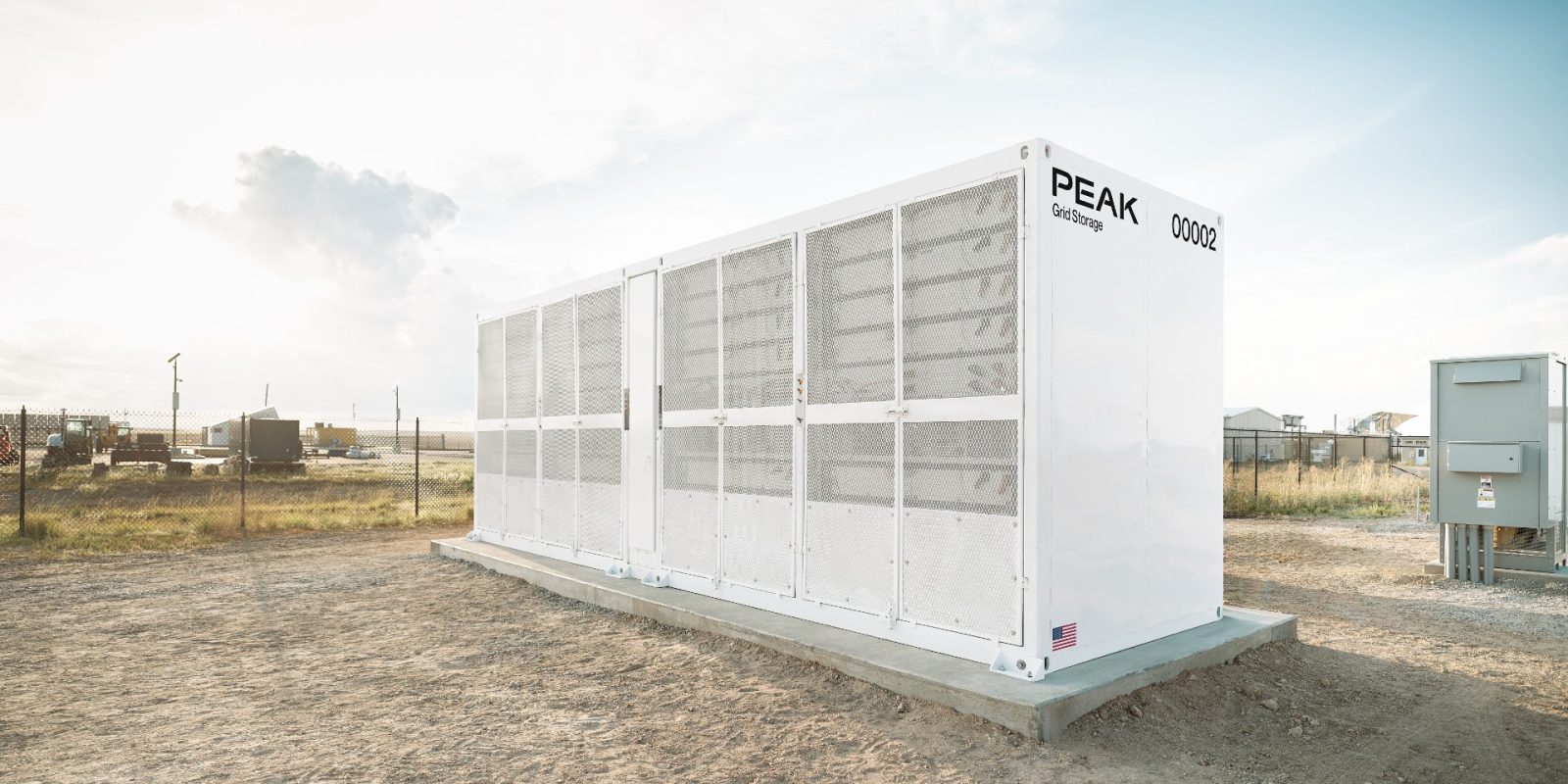
General Motors Invests in Lithium Free Battery Cell Technology
June 10, 2026
Share
Key Takeaways
General Motors (GM) has partnered with Peak Energy to develop sodium-ion battery cells for grid-scale energy storage projects, targeting a rapidly growing market for renewable energy and energy storage solutions with potential benefits for Canadian utilities and energy providers.
Peak Energy's sodium-ion platform offers a lower-cost alternative to lithium-iron phosphate (LFP) batteries, with a passively cooled battery storage system that can reduce energy storage costs by 20% and deliver more than 99% uptime, making it suitable for Canada's cold climate.
The partnership may have implications for the Canadian electric vehicle (EV) market, including potential reduced costs and increased efficiency in energy storage systems, driving down costs and making EVs more affordable for Canadian consumers who can take advantage of incentives like the iZEV program and provincial rebates.
GM Partners with Peak Energy to Develop Sodium-Ion Battery Cells for Grid-Scale Energy Storage
General Motors (GM) has announced a partnership with Peak Energy to develop next-generation sodium-ion battery cells for grid-scale energy storage projects in the United States. This collaboration marks a significant investment in the rapidly growing market for renewable energy and energy storage solutions. GM Ventures is making a strategic investment in Peak Energy, solidifying their commitment to this emerging technology.
Targeting a Growing Market
The partnership between GM and Peak Energy is targeting a market that is expanding rapidly as utilities add battery storage to support renewable energy, increasing electricity demand, and the buildout of data centres and AI infrastructure. While lithium-iron phosphate (LFP) batteries currently dominate the stationary storage market, Peak Energy believes that sodium-ion batteries can deliver a lower-cost alternative for grid applications, where energy density is less important than cost, reliability, and safety. Canadian utilities and energy providers may also benefit from this technology, particularly in provinces with aggressive renewable energy targets, such as Ontario and British Columbia.
Advantages of Sodium-Ion Batteries
A key advantage of Peak Energy's sodium-ion platform is its passively cooled battery storage system, which eliminates the need for active cooling equipment, reducing cost and complexity. According to the company, its sodium-ion platform can reduce energy storage costs by 20% compared with conventional systems while delivering more than 99% uptime. This technology could be particularly beneficial in Canada, where the cold climate can strain energy storage systems. Additionally, the potential for reduced energy waste is significant, with estimates suggesting that replacing conventional LFP storage systems with Peak's passively cooled technology could reduce annual battery-storage energy waste in North America by up to 2 terawatt-hours, enough electricity to power a mid-sized Canadian city for a year.
No Plans for EV Applications
While GM is investing in sodium-ion battery technology, the company has no plans to develop these cells for electric vehicles (EVs) due to their lower energy density. However, this partnership may still have implications for the Canadian EV market, particularly in terms of the potential for reduced costs and increased efficiency in energy storage systems. Canadian EV owners and manufacturers may also benefit from the potential for increased adoption of renewable energy sources and reduced greenhouse gas emissions. Furthermore, the development of sodium-ion batteries could lead to increased competition in the energy storage market, potentially driving down costs and making EVs more affordable for Canadian consumers, who can already take advantage of incentives such as the iZEV program and provincial rebates.