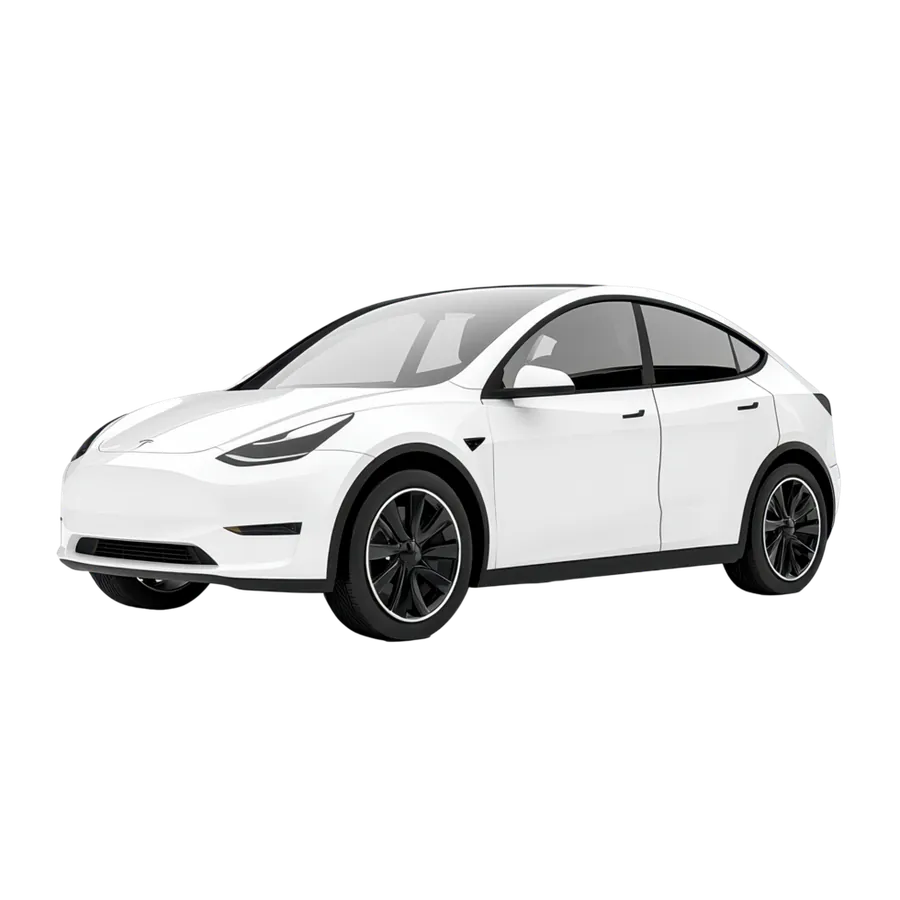
How Much Does It Really Cost to Charge an EV in Canada?
April 16, 2026
Share
Key Takeaways
EV charging costs C$0.02–C$0.03/km — about 1/5th the cost of gasoline at current prices
Annual charging costs for 20,000 km are C$400–C$600 versus C$2,400–C$3,200 for gasoline cars
Home Level 2 charging is most economical; DC fast charging costs more but is necessary for long trips
Provincial electricity rates and rebates create regional cost variations
Cold weather reduces range but heat pumps and pre-conditioning keep heating costs manageable
For the average Canadian driver, charging an electric vehicle (EV) costs between C$0.02 and C$0.03 per kilometre — roughly 1/5th the cost of fuelling a gasoline car at today’s prices. This dramatic cost advantage is one of the primary reasons Canadians are switching to EVs, especially when combined with federal and provincial rebates that can slash the upfront cost by thousands of dollars.
Understanding your exact charging costs requires looking at three key factors: your electricity rate, the charging type you use (home Level 1/Level 2, public Level 2, or DC fast charging), and how much you drive. Canadian climates also play a role — cold weather reduces battery range and can increase heating costs, but heat pump climate control systems mitigate most of this impact efficiently.
The Short Answer
Charging an EV in Canada typically costs **C$0.02–C$0.03 per kilometre** on home electricity, which is about **1/5th the cost of fuelling a gasoline car** (C$0.12–C$0.16/km). Over a typical 20,000 km/year driving, this translates to annual charging costs of **C$400–C$600** versus **C$2,400–C$3,200** for a gasoline vehicle — a savings of **C$1,800–C$2,800 per year** even before accounting for rebates and lower maintenance costs.
Detailed Analysis
National Average Costs
Charging Type
Cost per kWh
Effective Cost per km
Typical Annual Cost (20,000 km)
Home Level 1 (standard outlet)
C$0.12/kWh
C$0.03/km
C$600/year
Home Level 2 (240V)
C$0.12/kWh
C$0.02/km
C$400/year
Public Level 2
C$0.25–C$0.40/kWh
C$0.05–C$0.08/km
C$1,000–C$1,600/year
DC Fast Charging
C$0.35–C$0.55/kWh
C$0.07–C$0.11/km
C$1,400–C$2,200/year
Gasoline Car (avg. C$1.65/L)
N/A
C$0.12–C$0.16/km
C$2,400–C$3,200/year
Note: Effective cost per km assumes an average EV efficiency of 15–17 km/kWh (typical for Canadian models). Real-world figures vary by vehicle, driving style, and climate.
Provincial Variations
Electricity rates and charging infrastructure differ across Canada, affecting your costs:
British Columbia: Lower electricity rates (~C$0.10–0.13/kWh) make home charging even cheaper — as low as C$0.015/km on Level 2.
Ontario: Higher electricity rates in peak hours can push home charging to C$0.15/kWh, but time-of-use plans help manage costs.
Quebec: Among the lowest electricity rates in Canada (~C$0.07/kWh), making EV charging exceptionally economical.
Alberta: Higher electricity rates (~C$0.15/kWh) increase home charging costs, but abundant DC fast chargers help offset this.
Maritime Provinces: Variable rates; Nova Scotia and PEI offer rebates that improve overall affordability.
Seasonal Impact
Cold weather reduces EV range by 20–40%, but efficient heat pumps minimize extra energy use for heating. Pre-conditioning while plugged in is a key habit for Canadian owners. Winter driving may increase annual charging costs by 10–20% due to reduced range and occasional use of parking heaters.
Practical Tips for Canadian EV Owners
Use Time-of-Use Pricing: Charge during off-peak hours when electricity rates are lowest — this can cut home charging costs by 30–50%.
Install a Level 2 Charger: It charges 3–4x faster than Level 1 and costs less per km. Most Canadian homes can support it with a simple 240V outlet.
Plan DC Fast Charging Stops: Use networks like Tesla Supercharger, FLO, and Electrify Canada for long trips. Plug in before your battery drops below 20% to avoid peak pricing.
Pre-condition in Cold Weather: Use the app to warm your battery and cabin while plugged in. This avoids draining the battery for heating on the road.
Combine Rebates: Stack the federal iZEV rebate (C$5,000 for eligible BEVs under C$55,000) with provincial incentives like BC’s C$4,000 or Quebec’s C$7,000 to maximize savings.
Q: How much does a DC fast charge actually cost on the road?
A: Most DC fast chargers in Canada charge C$0.35–C$0.55 per kWh. For a typical 75 kWh battery EV needing an 80% top-up (60 kWh), this ranges from C$21–C$33. Many networks offer membership plans that reduce this cost by 20–30%.
Q: Does winter driving make EVs too expensive?
A: While cold weather reduces range and may increase energy use for heating, efficient heat pumps keep additional costs low. Pre-conditioning while plugged in and using winter tires are key habits. Overall, winter adds only 10–20% to annual charging costs.
Q: Are public Level 2 chargers worth the cost?
A: Public Level 2 charging costs C$0.25–C$0.40/kWh — higher than home charging but far cheaper than DC fast charging. They’re ideal for workplace or destination charging where you can leave the vehicle plugged in for several hours.
Q: How do lease payments compare to fuel savings?
A: Leasing an EV typically includes lower monthly payments than a comparable gasoline lease. When combined with fuel savings of C$1,800–C$2,800/year, the total cost of ownership is often lower, especially after rebates.
Q: Can I charge my EV at work for free?
A: Many employers now install Level 2 chargers for employees. Check with your HR or facilities department. If your workplace offers free or subsidized charging, this can dramatically reduce your costs.
Q: What about parking heaters in winter?
A: Parking heaters are rarely needed for EVs since the battery provides power for parking heaters if required. Most Canadian owners simply pre-condition the cabin while plugged in overnight — no extra cost beyond normal electricity rates.