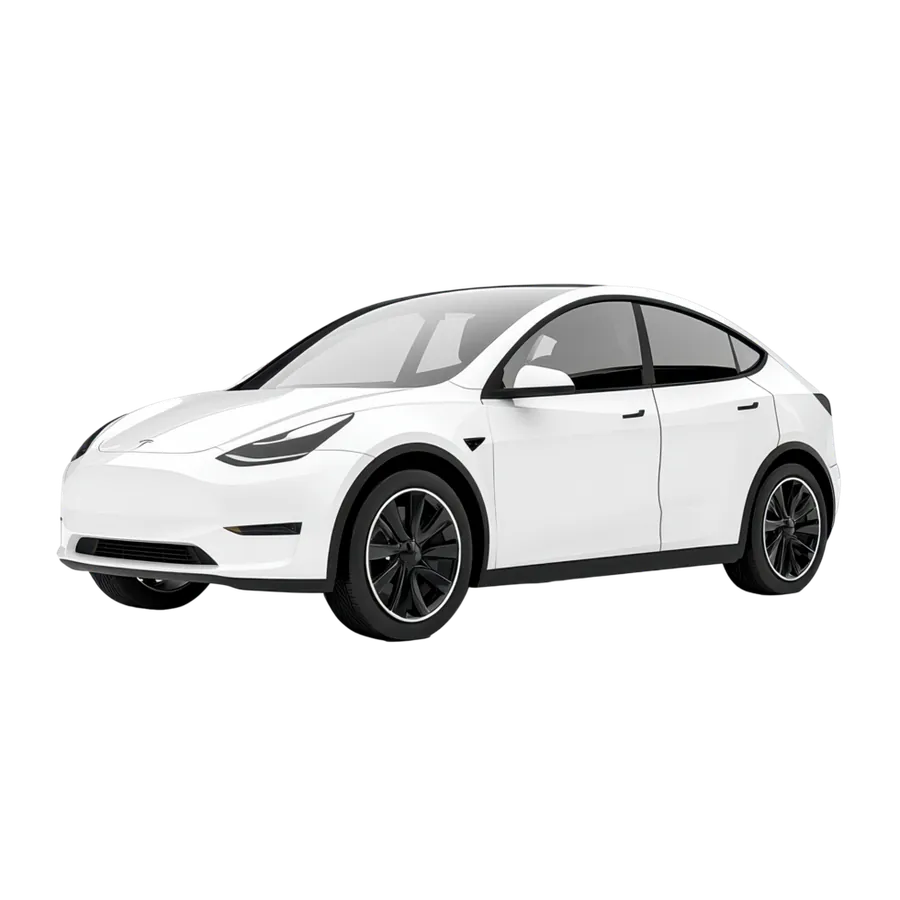
How to Claim the Federal iZEV Rebate in Canada: Step-by-Step Guide
April 16, 2026
Share
Key Takeaways
The federal iZEV rebate offers up to C$5,000 for new BEVs under C$55,000 MSRP.
Provincial rebates in BC, Quebec, Nova Scotia, and PEI can stack with the federal rebate, offering up to C$12,000 in total savings.
The rebate can be claimed whether you purchase or lease, and is typically issued as a tax credit on your next income tax return.
You must purchase from a registered dealer and submit the application within 6 months of vehicle registration.
Combining the rebate with lower EV operating costs can save Canadian drivers C$1,800–C$2,800 annually compared to gasoline vehicles.
If you’re buying or leasing an eligible battery electric vehicle (BEV) in Canada, you can claim up to C$5,000 through the federal iZEV (Innovative and Efficient Vehicles) rebate program. This rebate is designed to make the switch from gasoline-powered cars to electric vehicles more affordable, and it can significantly reduce your net cost of ownership.
For Canadian EV buyers, this rebate is especially valuable given the higher upfront costs of many EVs compared to internal combustion engine (ICE) vehicles, and the fact that electricity costs in Canada (approximately C$0.12/kWh for home charging) are far lower than gasoline prices (approximately C$1.65/L). With an average Canadian driver travelling about 20,000 km per year, switching to an EV can save you roughly C$1,800–C$2,800 annually in fuel costs alone.
The Short Answer
To claim the federal iZEV rebate in Canada, you must purchase or lease a new BEV with a manufacturer’s suggested retail price (MSRP) under C$55,000, and then complete the application on the Government of Canada’s iZEV website after your vehicle is registered. The rebate amount is C$5,000, which is typically issued as a tax credit on your next income tax return.
Detailed Analysis
The federal iZEV rebate is part of a broader strategy to incentivize the adoption of zero-emission vehicles across Canada. Below is a detailed breakdown of how the rebate works and how it interacts with provincial programs.
Eligibility Criteria
The vehicle must be a new BEV (not a used or leased vehicle transferred from another owner).
The vehicle’s MSRP must be under C$55,000.
The vehicle must be purchased or leased from a Canadian dealer who is registered with the iZEV program.
The vehicle must be registered in your name in Canada.
How Much Can You Save?
Province
Federal iZEV
Provincial Rebate
Total Potential
British Columbia
C$5,000
Up to C$4,000
Up to C$9,000
Quebec
C$5,000
Up to C$7,000
Up to C$12,000
Nova Scotia
C$5,000
C$3,000
C$8,000
Prince Edward Island
C$5,000
C$5,000
C$10,000
Ontario, Alberta, Manitoba, Saskatchewan, New Brunswick, Newfoundland & Labrador
C$5,000
None
C$5,000
In provinces with additional rebates, such as Quebec or PEI, the total savings can exceed C$10,000. Even in provinces without provincial rebates, the federal C$5,000 rebate is substantial and can make a significant difference in the net price of your EV.
Lease vs. Buy
The iZEV rebate can be claimed whether you purchase or lease a vehicle, but the process differs slightly:
Purchasing: You’ll receive the rebate as a tax credit on your next income tax return.
Leasing: The rebate is typically applied to reduce your lease payments or as a credit at lease end, depending on the dealer and provincial regulations.
Charging Costs Comparison
Below is a comparison of annual running costs for a typical Canadian driver (20,000 km/year) using a BEV charged at home versus a gasoline vehicle:
Vehicle Type
Fuel/Energy Cost/km
Annual Cost (20,000 km)
BEV (home charging)
C$0.02–C$0.03
C$400–C$600
Gasoline Vehicle
C$0.12–C$0.16
C$2,400–C$3,200
This comparison underscores the long-term savings of EVs, even before accounting for rebates.
Practical Tips for Canadian EV Owners
Choose an Eligible Vehicle: Before purchasing, confirm your BEV’s MSRP is under C$55,000 and that it qualifies for the iZEV rebate. Check the official Transport Canada iZEV vehicle list.
Work with a Registered Dealer: Only purchase from dealers registered with the iZEV program to ensure you can claim the rebate.
Keep All Documentation: Save your purchase invoice, registration documents, and any correspondence with the dealer. You’ll need these for the rebate application.
Complete the Application Promptly: Submit your application within 6 months of vehicle registration to avoid delays.
Combine with Provincial Rebates: If you live in BC, Quebec, Nova Scotia, or PEI, also apply for provincial rebates to maximize your savings.
A: No, the iZEV rebate is only available for new BEVs purchased or leased from a registered dealer.
Q: How long does it take to receive the rebate?
A: If you’re claiming the rebate as a tax credit, you’ll receive it when you file your next income tax return. Processing times vary, but most taxpayers receive their refunds within 8–12 weeks after filing.
Q: What if my vehicle’s price is just over C$55,000?
A: Unfortunately, you won’t qualify for the federal rebate. However, you may still benefit from provincial rebates or consider a lower-trim model that meets the price requirement.
Q: Can I claim the rebate if I lease my EV?
A: Yes, but the rebate is typically applied to reduce your lease payments or issued as a credit at the end of the lease term. Work with your dealer to understand how it will be applied.
Q: Are plug-in hybrid electric vehicles (PHEVs) eligible?
A: Yes, but only PHEVs with at least 50 km of electric range qualify for a reduced rebate of C$2,500.
Q: I live in Ontario—why don’t we have a provincial rebate?
A: As of 2026, Ontario does not offer a provincial EV rebate. However, you can still claim the full C$5,000 federal iZEV rebate and benefit from lower operating costs.