Improving Plug In Hybrid Fuel Economy To 50 MPG With Simple Trick
June 13, 2026
Share
Key Takeaways
Electric vehicle sales in Canada have not met expectations, leading car companies to focus on hybrids and plug-in hybrids, which are gaining popularity among Canadian consumers looking for fuel-efficient electric vehicles.
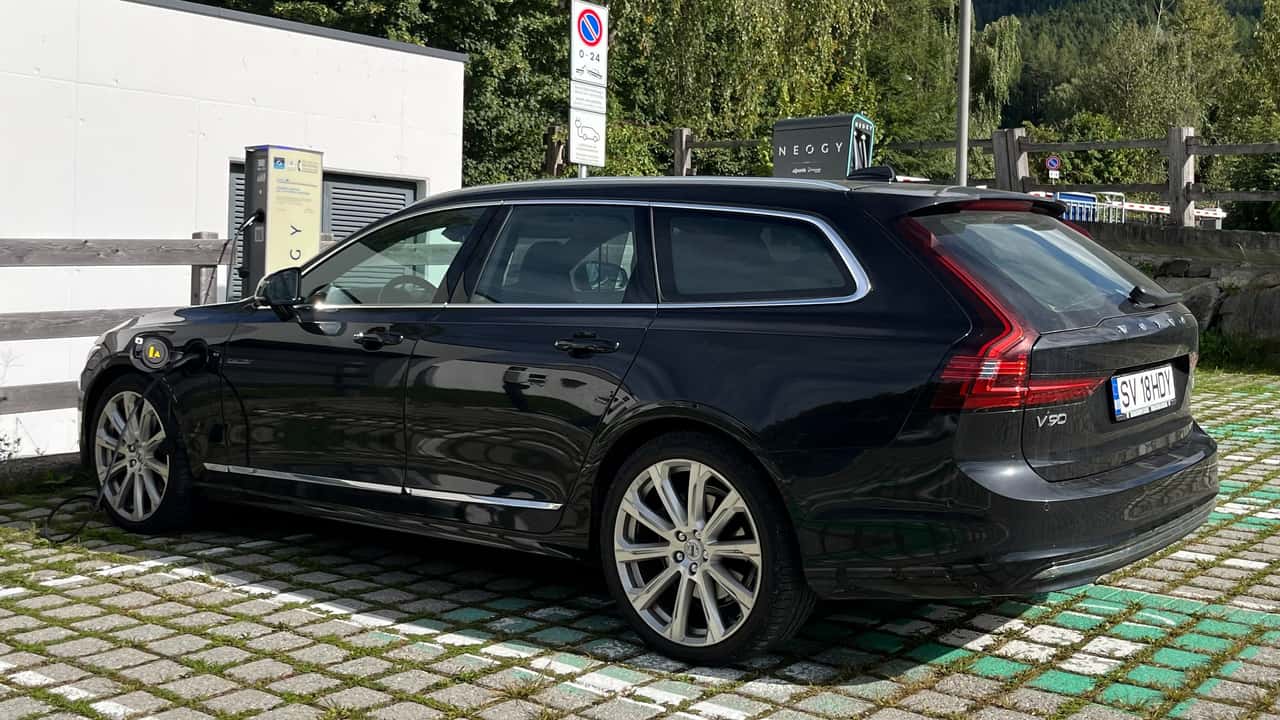
The 2023 Volvo V90 T8 Recharge Plug-in Hybrid is eligible for up to $5,000 in federal rebates and up to $3,000 in provincial rebates in British Columbia, making it an attractive option for Canadians looking for affordable electric cars.
A real-world experiment with a used 2023 Volvo V90 plug-in hybrid wagon achieved an average fuel economy of 4.5 litres per 100 kilometres over a 400-kilometre trip, demonstrating the potential for significant fuel savings with careful management of driving modes and battery settings in Canadian driving conditions.
Canadian drivers can optimize fuel efficiency in their plug-in hybrids by understanding the different driving modes and battery management settings, taking advantage of the country's low electricity costs, and utilizing time-of-use pricing to charge their vehicles during off-peak hours, making electric vehicle ownership more cost-effective.
With the Canadian government's incentives and provincial rebates, purchasing a plug-in hybrid or electric vehicle can be a cost-effective and environmentally friendly option for many Canadians, offering a range of benefits including reduced fuel bills and minimized environmental impact.
Electric Vehicle Sales and the Rise of Hybrids in Canada
Electric cars have been gaining popularity in Canada, but sales have not quite met expectations. As a result, many car companies are focusing on hybrids and plug-in hybrids, which are becoming increasingly popular among Canadian consumers looking to reduce their fuel bills. With the Canadian government's iZEV incentives and provincial rebates, such as those offered in British Columbia and Quebec, Canadians can enjoy significant savings when purchasing an electric or hybrid vehicle. For instance, the 2023 Volvo V90 T8 Recharge Plug-in Hybrid is eligible for a federal rebate of up to $5,000 and a provincial rebate of up to $3,000 in British Columbia.
Real-World Experiment with a Plug-in Hybrid
The author of this article recently purchased a used 2023 Volvo V90 plug-in hybrid wagon and conducted an experiment to test the impact of different driving modes on fuel economy. Over a 400-kilometre trip, the author was able to achieve an average fuel economy of 4.5 litres per 100 kilometres, thanks to careful management of the vehicle's settings. This is comparable to the Canadian pricing and fuel efficiency of other plug-in hybrids available in the market. By optimizing the use of the vehicle's electric motor and gas engine, Canadian drivers can enjoy significant fuel savings, especially for those who frequently drive in urban areas.
Understanding Driving Modes and Battery Management
Modern Volvo plug-in hybrids, including the V90, come with at least four driving modes and three battery management settings. The default Hybrid mode is suitable for most journeys, but adjusting the battery management settings can make a significant difference in fuel economy. For example, setting the battery to "Hold" can help preserve the electric range for later use, such as in urban areas where electric-only driving is more efficient. This strategy can be applied to other plug-in hybrids available in the Canadian market, including those from Toyota, Honda, and Ford. Canadian drivers can also take advantage of the country's extensive network of charging stations, with many public charging stations available in major cities and along highways.
Optimizing Fuel Efficiency in Canadian Driving Conditions
To maximize fuel efficiency, it's essential to understand the limitations of plug-in hybrids and adjust driving habits accordingly. For instance, when driving on highways, it's best to use the "Hold" mode to conserve electric range for later use in urban areas. Canadian drivers can also benefit from the country's relatively low electricity costs, making it an attractive option to charge their vehicles at home. With the average cost of electricity in Canada being around 10 cents per kilowatt-hour, charging a plug-in hybrid can be a cost-effective way to reduce fuel bills. Additionally, many Canadian provinces offer time-of-use pricing, which can help drivers save even more on their electricity bills by charging their vehicles during off-peak hours.
Conclusion
In conclusion, plug-in hybrids offer a compelling alternative to traditional gasoline-powered vehicles, especially for Canadian drivers who want to reduce their fuel bills and minimize their environmental impact. By understanding the different driving modes and battery management settings, Canadian drivers can optimize their fuel efficiency and enjoy the benefits of electric-only driving. With the Canadian government's incentives and provincial rebates, purchasing a plug-in hybrid can be a cost-effective and environmentally friendly option for many Canadians. As the Canadian automotive market continues to evolve, it's likely that we'll see even more plug-in hybrids and electric vehicles available to Canadian consumers, offering a range of options to suit different driving needs and budgets.