Rechargeable High Definition Electric Slot Cars with Permanent Power Source
June 13, 2026
Share
Key Takeaways
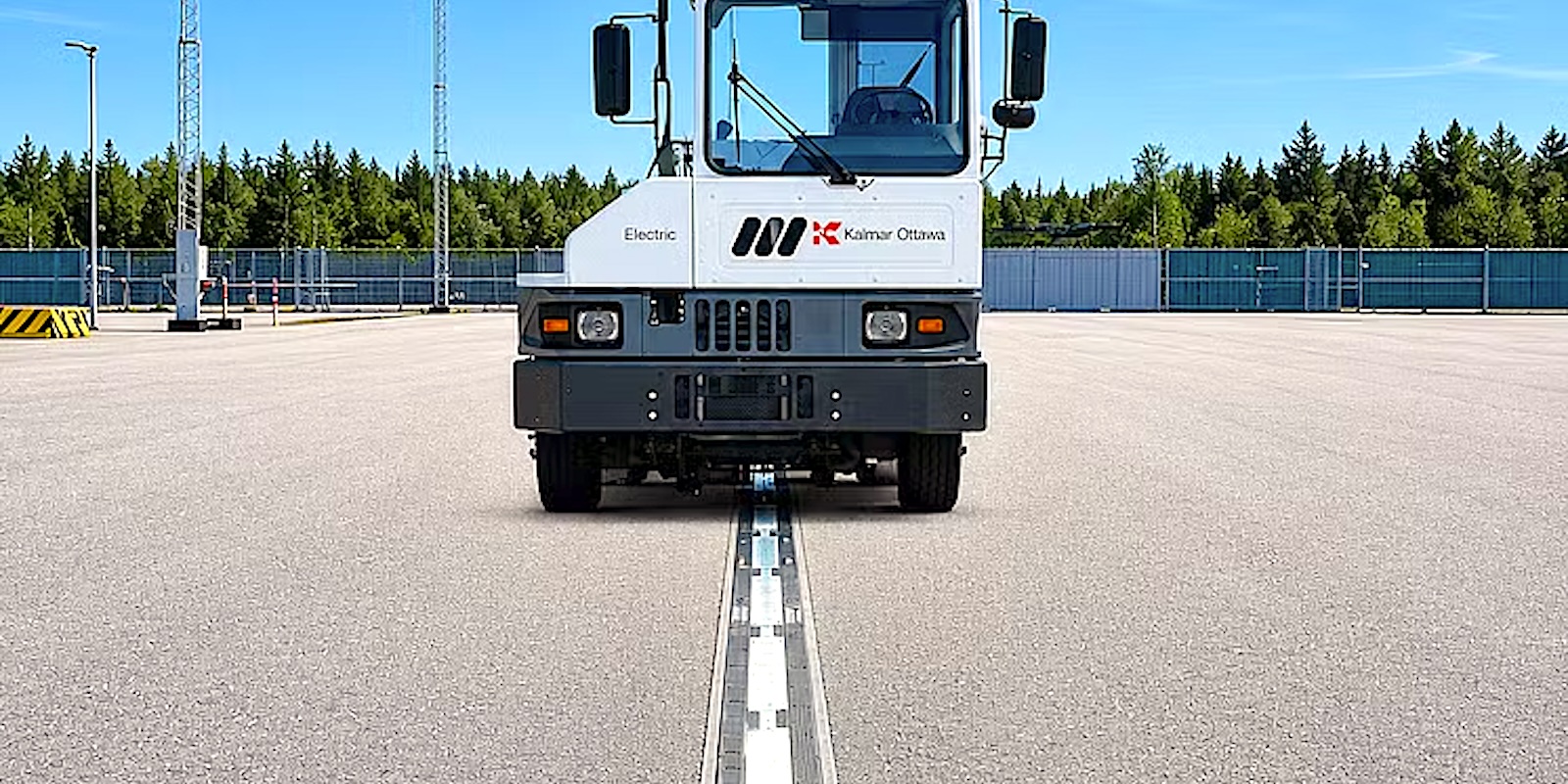
The Kalmar Ottawa T2 EV electric terminal tractor has been successfully tested with an in-road charging system in Sweden, paving the way for adoption in Canadian ports and logistics, and reducing greenhouse gas emissions from electric vehicles (EVs) in the industry.
The Elonroad system enables continuous operation of electric terminal tractors without plugging in, using an electrically charged rail embedded in the road to send power to the trucks, making it an ideal solution for Canadian companies looking to transition to electric vehicle (EV) technology.
Canadian companies can benefit from adopting electric terminal tractors, with competitive pricing to diesel counterparts, and incentives such as the iZEV program and provincial rebates in British Columbia and Quebec, promoting the growth of electric vehicles (EVs) and sustainable transportation in Canada.
Electric Terminal Tractors in Canada: A New Era of Sustainability
In a groundbreaking development, Kalmar Ottawa T2 EV electric terminal tractors have been successfully deployed on an in-road charging system in Ljungby, Sweden, enabling continuous operation without the need for plugging in. This innovative technology, developed by Elonroad, has the potential to transform the Canadian port and logistics industry, reducing greenhouse gas emissions and operating costs. With the Canadian government's iZEV incentives and provincial rebates, such as those offered in British Columbia and Quebec, Canadian companies can benefit from adopting electric terminal tractors, with pricing competitive to their diesel counterparts.
How it Works: In-Road Charging System
The Elonroad system features an electrically charged rail embedded in the road, which sends power up through a physical contact to Kalmar's electric terminal trucks, forklifts, and material handlers. When combined with regenerative braking, the system delivers enough power to keep the trucks running continuously, eliminating the need for traditional charging methods. This technology can be particularly beneficial in Canadian ports, such as the Port of Vancouver or the Port of Montreal, where terminal tractors operate around the clock, and the need for efficient and reliable charging solutions is crucial.
Benefits for Canadian Ports and Logistics
Terminal tractors are commonly used in Canadian ports, container terminals, and distribution centres, making them ideal candidates for electrification. With their low speeds, heavy loads, and repetitive routes, electric terminal tractors can significantly reduce emissions and operating costs. The Elonroad system, with its ability to charge vehicles both when moving and standing still, can help Canadian ports and logistics companies reduce their environmental footprint while improving efficiency and productivity. Additionally, Canadian companies can take advantage of the federal government's carbon pricing scheme and provincial incentives to transition to electric terminal tractors, reducing their carbon emissions and costs.
Real-World Applications and Future Developments
The joint Elonroad/Kalmar project, funded by the Swedish Energy Agency, aims to further develop the dynamic electric road concept and identify suitable vehicles for conductive charging during operation. Following the successful deployment in Ljungby, the technology will be tested in a real-life port environment with pilot customers. As the technology continues to evolve, Canadian companies can expect to see increased adoption and implementation of in-road charging systems, leading to a more sustainable and efficient logistics industry. With the Canadian government's focus on reducing greenhouse gas emissions and promoting sustainable transportation, the future of electric terminal tractors in Canada looks promising, with potential applications in various industries, including mining, construction, and warehousing.