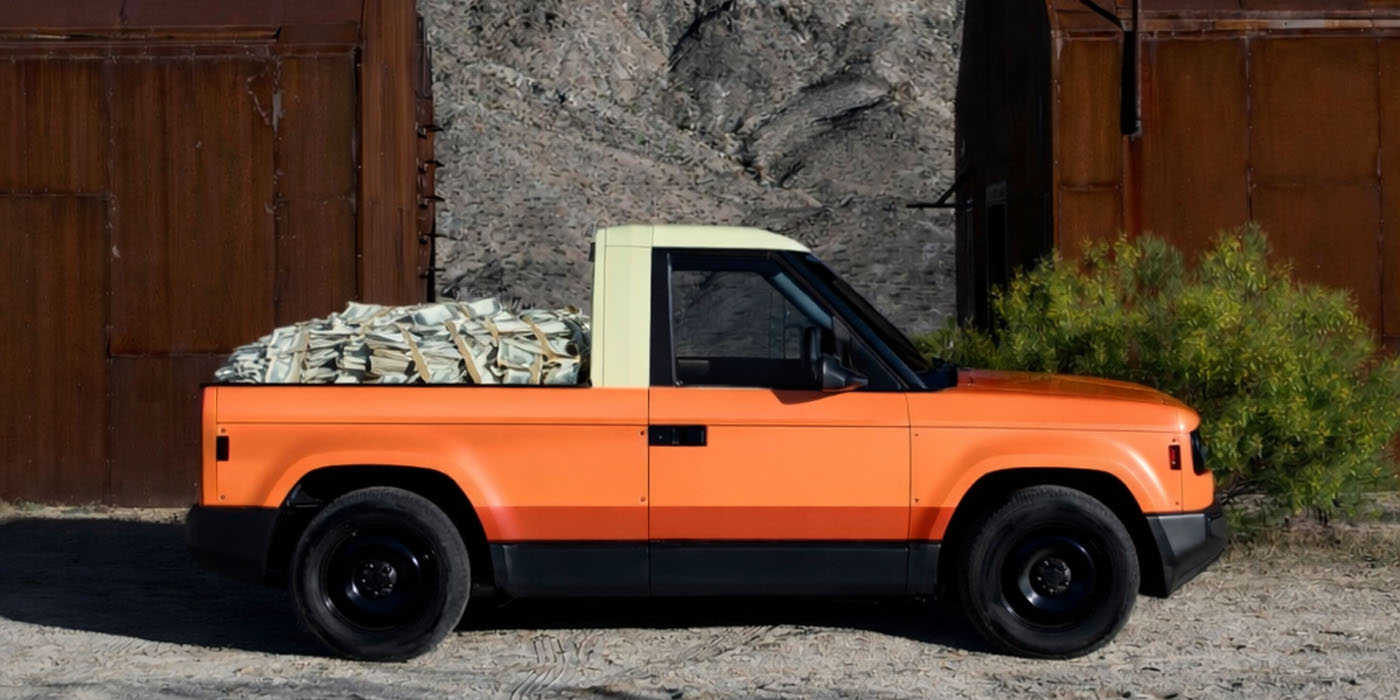
Slate Auto Secures Funding to Advance Production to Next Stage
April 13, 2026
Share
Key Takeaways
Slate Auto secures $650 million in Series C funding led by TWG Global to boost U.S. EV production and plans to impact North American EV strategies, including potential effects in Canada.
The company’s flagship EV, dubbed “Blank Slate,” is expected to launch at a competitive price of mid-$20,000 USD (approximately CAD 27,000 before taxes and incentives) with deliveries anticipated in late 2026.
Slate Auto will invest around $400 million USD (CAD 540,000) in its Warsaw, Indiana facility, creating over 2,000 jobs and contributing up to $39 billion USD (CAD 52.5 billion) to Indiana’s economy over 20 years, which may influence Canadian EV markets.
In June, Slate Auto will reveal official pricing and begin pre-orders for its modular EV platform, which can be transformed from a 2-seat pickup to a 5-seat SUV or fastback—features appealing to Canadian consumers seeking versatile, adaptable vehicles.
Canadian EV buyers can benefit from provincial rebates and the iZEV program; for instance, Ontario offers up to $4,000, and British Columbia provides up to $4,000, potentially making a Slate EV even more affordable if made available in Canada.
Slate Auto Secures $650 Million in Series C Funding, Eyes Canadian Market
Slate Auto has successfully closed a Series C funding round, raising $650 million to advance its electric vehicle (EV) production in the United States. Led by returning investor TWG Global, this substantial investment positions Slate Auto for its next phase of development and production.
Years of Preparation
Although Slate Auto only emerged from stealth just over a year ago, its core team has been meticulously preparing for this moment for four years. During this time, they have secured funding and established a robust business strategy to support the company’s growth and success in the competitive EV market.
Expansion and Production
The company is currently revamping its acquired facility in Warsaw, Indiana, to support EV manufacturing. Despite being based in the U.S., Slate Auto’s success could have ripple effects across North America, potentially influencing EV production techniques and strategies in Canadian provinces as well.
As of February, the “Blank Slate” version of the company’s flagship EV is still anticipated to launch at a price point of mid-$20,000 USD. For Canadian readers, this translates to roughly CAD 27,000 before taxes and incentives—a potentially competitive price in the Canadian EV market.
Timeline and Future Plans
Slate Auto remains on track to begin customer deliveries of its EVs in late 2026. With the new funding, the company feels confident in meeting its production targets. Slate CEO, Peter Faricy, stated:
> Our Series C round of funding will enable Slate to reach the next stages of production this year: on time and on budget. We can’t wait for our future customers to preorder their Slate Trucks beginning in June.
Pricing and Flexibility
In June, Slate will reveal the official pricing for its EV, including various add-ons and modifications. The vehicle is built on a modular platform, allowing easy transformation from a 2-seat pickup to a 5-seat SUV or fastback—features that could appeal to Canadian consumers looking for versatile vehicles suitable for both urban driving and off-road adventures.
Economic Impact
The new funding will aid Slate Auto in achieving production at its “reindustrialized” factory in Warsaw, Indiana. The company plans to invest approximately $400 million USD (roughly CAD 540,000) in the facility, creating over 2,000 new jobs and contributing up to $39 billion USD (approximately CAD 52.5 billion) to Indiana’s economy over 20 years.
Canadian Context and Incentives
While Slate Auto is a U.S.-based company, Canadians interested in the brand should explore local incentives. In Canada, provincial rebates and the iZEV program offer substantial savings on EV purchases. For example, Ontario offers up to $4,000 through the iZEV program, while British Columbia provides a rebate of up to $4,000. These incentives could make a Slate EV, if made available in Canada, even more affordable.
Slate Auto’s President of Vehicles, Chris Barman, commented on the company’s focused approach:
> For nearly four years, Slate has remained laser-focused on the steps needed to develop our vehicle and reindustrialize our Warsaw Factory, and we will deliver Slate Trucks at nearly half the cost of the average new vehicle—as promised.
Industry Veterans and Future Outlook
Slate Auto’s strong performance is not surprising, given that most of its staff are industry veterans with extensive experience in managing and scaling automotive production. The company has the funding, expertise, and a promising product. However, the real test lies in achieving scaled production and delivering reliable vehicles to customers.
All eyes will be on Slate Auto’s June debut, where the company will unveil official pricing and begin taking pre-orders. For Canadians, watching Slate Auto’s progress could provide valuable insights into future EV trends and potential market expansions.