Solid State Batteries Power Electric Vehicles in Real World Use
June 12, 2026
Share
Key Takeaways
Solid-state EV batteries are being tested on Canadian and American roads for the first time, promising longer range, faster charging, and lower costs for electric vehicle owners, with potential to increase driving range by up to 50% and allow for ultra-fast charging.
The new battery tech, developed by Factorial Energy, has achieved an energy density of 375 Wh/kg with over 600 cycles, and demonstrated ultra-fast charging capabilities, going from 15% to 90% in just 18 minutes, making long road trips in electric vehicles more feasible.
The successful integration of solid-state batteries into an EV could lead to more affordable and efficient electric vehicle options in the Canadian market, with Factorial working with major automakers to commercialize the technology and potentially increasing availability of EV models at Canadian dealerships.
Solid-State EV Batteries Hit the Road in North America
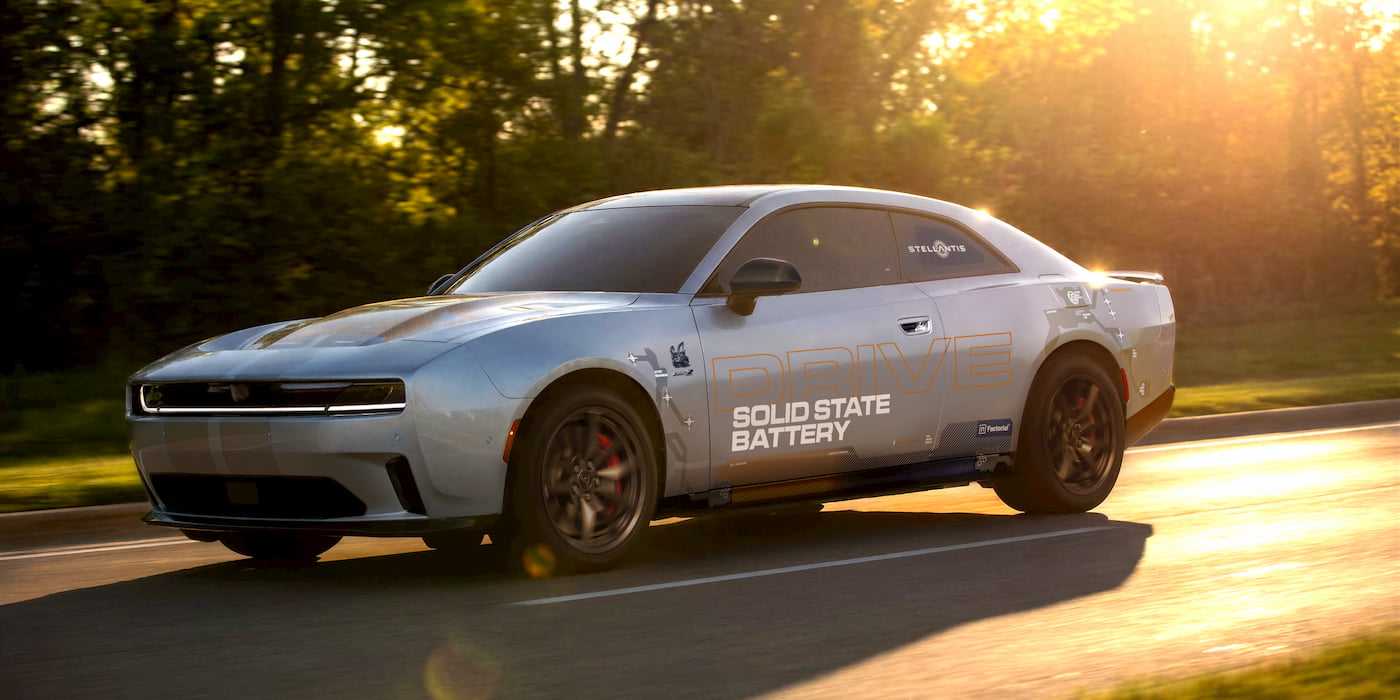
Solid-state EV batteries are now being tested on Canadian and American roads for the first time, promising longer range, faster charging, and lower costs for electric vehicle owners. This development is crucial for the Canadian market, where EV adoption is on the rise, and incentives like the iZEV programme and provincial rebates are encouraging Canadians to switch to eco-friendly vehicles. Stellantis, the manufacturer of popular vehicles like Jeep and Dodge, has partnered with US-based Factorial Energy to integrate the advanced new battery tech into a development vehicle, with the goal of eventually offering Canadian pricing competitive with traditional gas-powered vehicles.
A Breakthrough in EV Battery Technology
The milestone marks the first time solid-state batteries have been integrated into an EV in North America, with Factorial's FEST (Factorial Electrolyte System Technology) solid-state battery cells powering a Dodge Charger Daytona development vehicle. The cells have achieved an impressive energy density of 375 Wh/kg with over 600 cycles, and have demonstrated ultra-fast charging capabilities, going from 15% to 90% in just 18 minutes. This technology has the potential to increase the driving range of EVs by up to 50%, allowing Canadians to travel over 965 kilometres on a single charge, making long road trips from the centre of Toronto to the outskirts of Vancouver a breeze.
Real-World Testing and Future Plans
The transition of the new battery tech from the lab to the real world was not without its challenges, but the collaboration between Stellantis and Factorial has resulted in a significant breakthrough. With the battery pack now complete, the companies have begun road testing for the first time in North America, paving the way for the development of future vehicles designed to meet the evolving needs of Canadian drivers. Factorial is working with several major automakers, including Mercedes-Benz, Hyundai, and Kia, to commercialize solid-state EV batteries, which could have a significant impact on the Canadian EV market, potentially leading to more affordable options for consumers and increased availability of EV models at Canadian dealerships.
A Potential Game-Changer for the EV Industry
The successful integration of solid-state batteries into an EV has the potential to be a game-changer for the industry, offering improved performance, range, and safety. As Factorial continues to work towards commercializing the technology, Canadians can expect to see more efficient and cost-effective EV options hit the market, making it easier for them to switch to eco-friendly vehicles and reduce their carbon footprint. With the Canadian government's commitment to reducing greenhouse gas emissions and promoting sustainable transportation, the development of solid-state EV batteries is a significant step in the right direction, and could play a key role in helping Canada meet its climate goals.