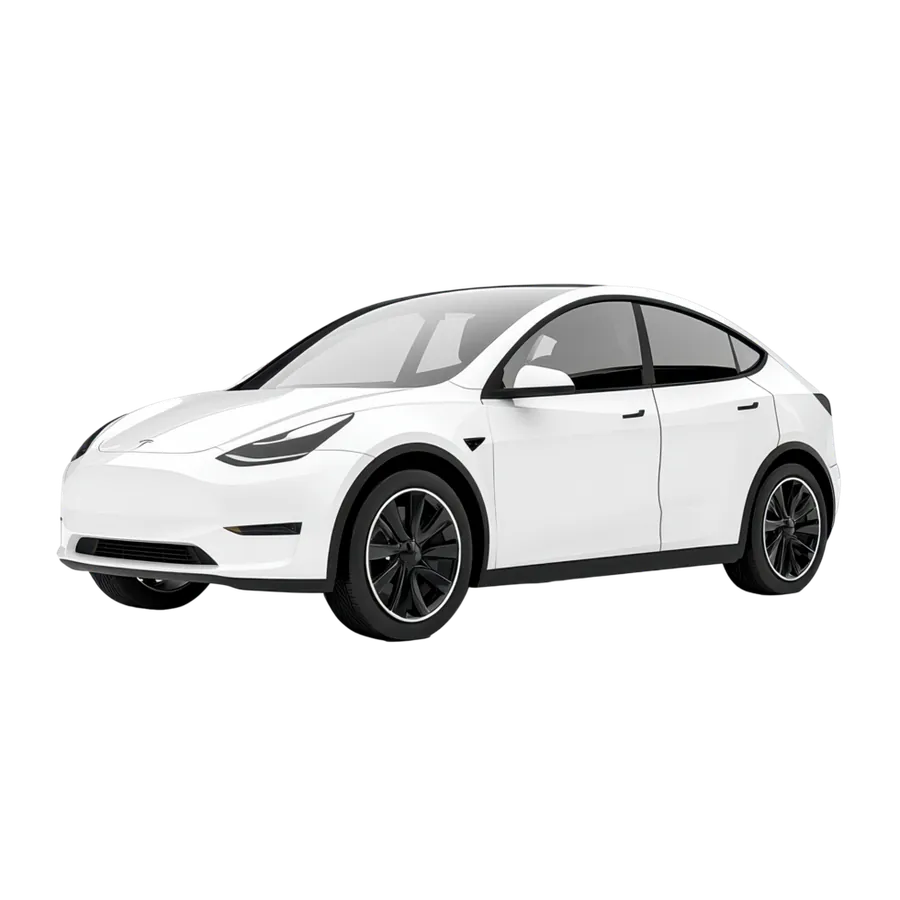
Tesla and Rivian Charging Networks Show Significantly Fewer Issues Study Finds
March 23, 2025
Share
Key Takeaways
Consumer Reports survey shows Tesla and Rivian automaker charging networks outperform third-party providers, with Tesla Superchargers having issues only 4% of the time
Third-party networks like Shell Recharge, EVgo, and Blink experienced significantly higher problem rates, ranging from 41% to 48% of charging sessions
Hardware issues, particularly broken screens, were the most common problems reported by Canadian and U.S. EV owners, accounting for 36% of all issues
Consumer Reports recommends maintaining multiple accounts across different networks and only fast-charging to 80% for a smoother public charging experience
Canadian EV drivers can benefit from provincial rebates and federal incentives like the iZEV program to offset charging equipment costs
EV Charging Networks: Tesla and Rivian Outperform Third-Party Providers, Says Consumer Reports
A recent survey by **Consumer Reports** reveals that electric vehicle (EV) owners in Canada and the U.S. experience issues in one out of every five public charging sessions. The findings come from the organisation’s EV Charging Community project, which collected data from approximately 5,700 charging sessions reported by 1,230 EV and plug-in hybrid owners.
Automaker vs. Third-Party Networks
The survey highlights a significant difference in reliability between charging networks operated by automakers and those run by third-party providers. **Tesla** and **Rivian** charging networks reported the fewest problems. Tesla Superchargers had issues only 4% of the time, while Rivian-operated chargers saw problems 5% of the time.
In stark contrast, third-party networks experienced much higher rates of issues. **Shell Recharge** stations had problems 48% of the time, **EVgo** stations 43% of the time, and **Blink** stations 41% of the time. These networks are not directly owned or managed by automakers, which may contribute to their lower performance.
Common Problems Reported
Hardware-related issues were the most frequently reported problems, accounting for 36% of all issues. Within hardware problems, broken screens were the most common at 76%. Other hardware issues included damaged charging cables or connectors (10%), chargers that could not physically connect to a vehicle due to ice blockage, damage, or other issues (9%), and cables that were too short (5%).
Payment issues were the second most common problem, making up 23% of reported issues. Of those who encountered payment issues, 56% were able to pay but faced another problem that prevented charging. Twenty-five percent were unable to pay and had to move to another charger, and 19% found that charging never started despite payment being accepted.
Improving Your Charging Experience
To help ensure a smoother public charging experience, Consumer Reports recommends EV owners maintain multiple accounts with saved payment information across different charging networks. This can be particularly useful if you encounter issues with a charger's interface, as you can then complete payment through the network's app.
Additional best practices include only fast-charging to 80% and preconditioning the battery pack before arrival. Many Canadian EV drivers have found that, contrary to popular belief, the absolute charge rate is less important than receiving some level of charge in a reasonable timeframe.
Canadian Context
For Canadian EV drivers, it's important to note the availability of provincial rebates and federal incentives, such as those offered through the **iZEV program**. These incentives can help offset the cost of EV charging equipment and improve overall affordability. Additionally, many provinces have their own charging initiatives, which may influence the availability and reliability of charging stations in your area.
As automaker-funded networks like **Ion Power** expand across Canada, future updates from Consumer Reports’ data set may provide further insights into their performance and consumer approval ratings. Stay tuned for more information as the EV charging landscape in Canada continues to evolve.