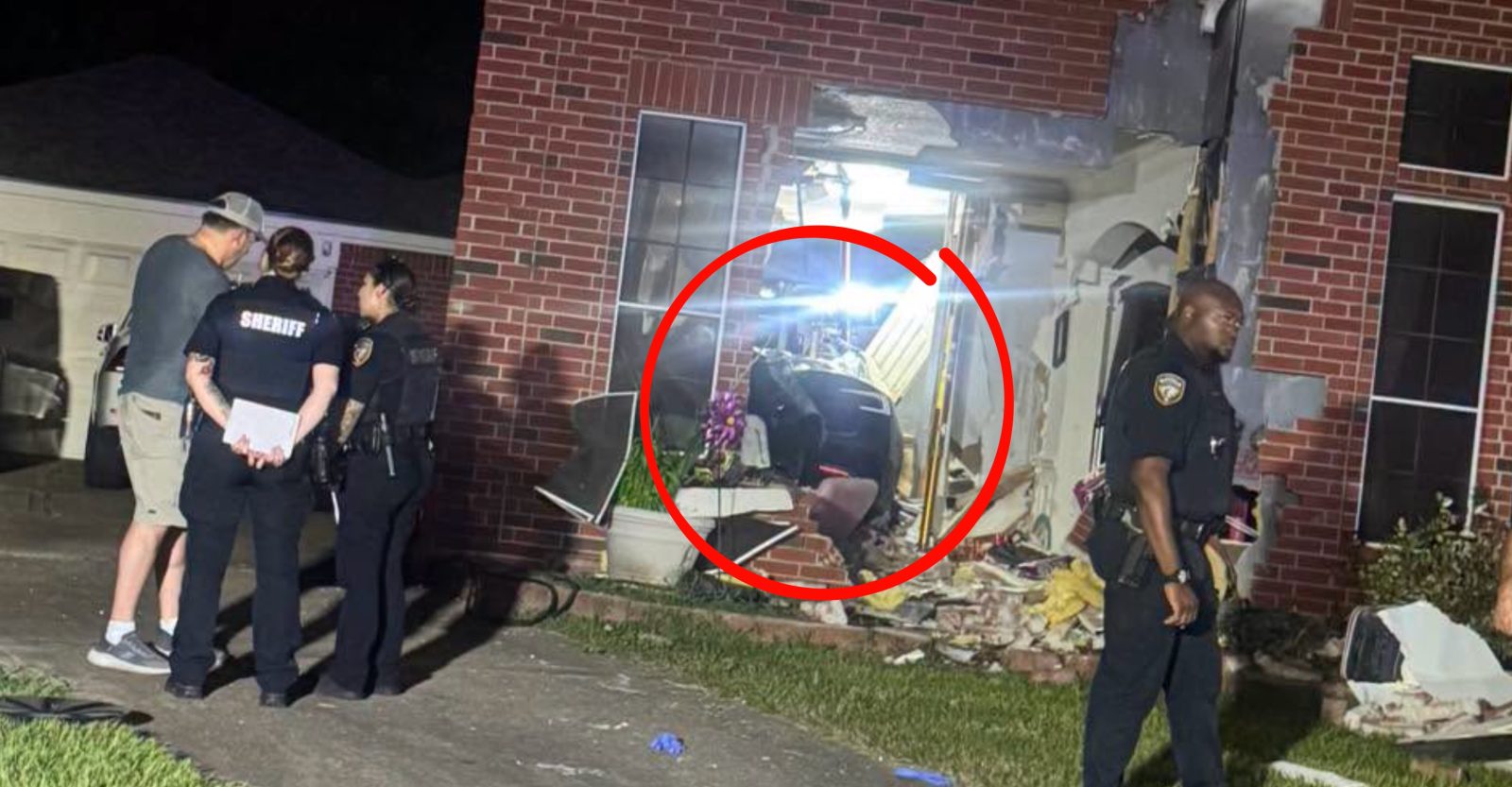
Tesla Faces Lawsuit Over Deadly Texas Home Crash That Killed Elderly Woman
June 24, 2026
Share
Key Takeaways
A lawsuit has been filed against Tesla over a fatal crash in Texas, alleging defects in the Autopilot and Full Self-Driving systems, raising concerns about the safety of semi-autonomous electric vehicles (EVs) in North America, including Canada.
The incident highlights the need for standardized national guidelines for autonomous vehicles in Canada, where Tesla models like the Model 3 are eligible for the iZEV incentive, to ensure public safety and promote the development of the electric vehicle (EV) industry.
The lack of standardized regulations in Canada can lead to confusion and inconsistencies in the implementation of autonomous vehicle technology, underscoring the importance of transparency and accountability in crash data collection and analysis for Canadian EV owners and the broader autonomous vehicle market.
Tesla Faces Lawsuit Over Fatal Crash in Texas, Raising Concerns About Autopilot and Full Self-Driving Systems
A lawsuit has been filed against Tesla and the driver of a Model 3, alleging that the company's Autopilot and Full Self-Driving systems are defectively designed, following a fatal crash in Katy, Texas. The incident occurred on June 19, when the vehicle crashed into a home, killing 76-year-old Martha Avila and injuring her son-in-law, Justin Barbour. The lawsuit, filed in Harris County District Court, accuses Tesla of design defect and failure to warn, and the driver, Michael Butler, of negligence and gross negligence. While Tesla has defended itself, citing that the driver had overridden the Autopilot system, the lawsuit argues that the company's marketing and weak driver monitoring have fostered a false sense of security among drivers.
Implications for Canadian Tesla Owners and the Autonomous Vehicle Industry
The lawsuit highlights concerns about the safety of semi-autonomous driving systems, which are also relevant in the Canadian context. As Canada has its own set of regulations and incentives for electric and autonomous vehicles, including the iZEV program and provincial rebates, it is essential to consider the implications of such incidents on Canadian roads. With the increasing availability of Tesla models in Canada, including the Model 3, which is eligible for the iZEV incentive, Canadian consumers should be aware of the potential risks associated with Autopilot and Full Self-Driving systems. The Canadian government and regulatory bodies should also take note of the need for standardized national guidelines for autonomous vehicles, rather than relying on provincial regulations, to ensure public safety and promote the development of the industry.
The Need for Standardized Regulations and Transparency
The lawsuit and similar incidents in the United States underscore the importance of having sensible, national standards for autonomous vehicles, rather than broad and unenforced federal guidelines. In Canada, the lack of standardized regulations can lead to confusion and inconsistencies in the implementation of autonomous vehicle technology. Furthermore, the need for transparency and accountability in the collection and analysis of crash data is crucial to ensuring public safety and promoting the development of the industry. As the autonomous vehicle industry continues to evolve, it is essential to prioritize the development of standardized regulations and guidelines to avoid lagging behind other countries and to ensure the safe and responsible deployment of autonomous vehicles on Canadian roads, with a focus on kilometres travelled and the impact on Canadian communities and centres.