Tesla US Sales Decline in First Quarter Yet Market Share Rises
April 11, 2026
Share
Key Takeaways
Tesla experienced an 8.4% decline in U.S. sales during Q1 2026, selling 117,300 vehicles, marking the lowest quarterly sales since late 2021 and the third consecutive year of year-over-year sales drops in Q1.
Despite the sales decline, Tesla's market share in the U.S. EV market rose to 54.2% in Q1 2026 from 43.2% a year earlier, as non-Tesla EV sales fell by 41% during the same period.
The Tesla Model Y continued to lead the EV market, accounting for 67% of Tesla's Q1 2026 sales and representing one in three EVs sold in the U.S., with sales growing 22% year over year.
In Canada, Tesla benefits from provincial rebates and incentives such as up to $4,000 in Ontario, up to $3,500 in British Columbia, and substantial support through Quebec's RÉVE program, helping to reduce the effective price for Canadian buyers. All Tesla models remain available in Canada.
Tesla Faces Sales Decline in North America Amid Shifting EV Market
Tesla's sales have taken a noticeable dip in North America, continuing a trend that has been building over the past few years. The electric vehicle leader experienced a decline in the first quarter of 2026, marking its third consecutive year of year-over-year sales drops in Q1. The last time Tesla saw growth in both Q1 and full-year sales in the U.S. was in 2023. Since then, the trend has generally moved downward.
U.S. Sales Dip, Market Share Rises
In the U.S., Tesla sold 117,300 vehicles in the first three months of 2026, according to Cox Automotive estimates. This represents an 8.4% decrease compared to the same period last year and is the lowest quarterly sales figure since late 2021. Despite this decline, Tesla's market share in the U.S. EV market increased significantly. While the overall U.S. EV market sold 216,399 vehicles in Q1 2026—27% fewer than in Q1 2025—non-Tesla EV sales fell by a staggering 41%. As a result, Tesla's market share jumped from 43.2% to 54.2% year over year.
Factors Impacting the EV Market
Several factors have contributed to the current state of the EV market. The expiration of the federal tax credit in September 2025 and the end of regulations that previously drove clean-car sales have forced automakers to reevaluate their strategies. Many have scaled back their EV ambitions, redirecting resources to combustion engine models and hybrids. Consequently, several EV models have been cancelled.
Tesla’s Internal Challenges
Tesla has not been immune to these industry-wide challenges. Company-specific issues have further complicated matters. Elon Musk's focus has shifted heavily towards AI and robotics, causing Tesla's core passenger-vehicle business to take a back seat. The company has not introduced a new model since the Cybertruck launched in late 2023.
Model Y Continues to Lead
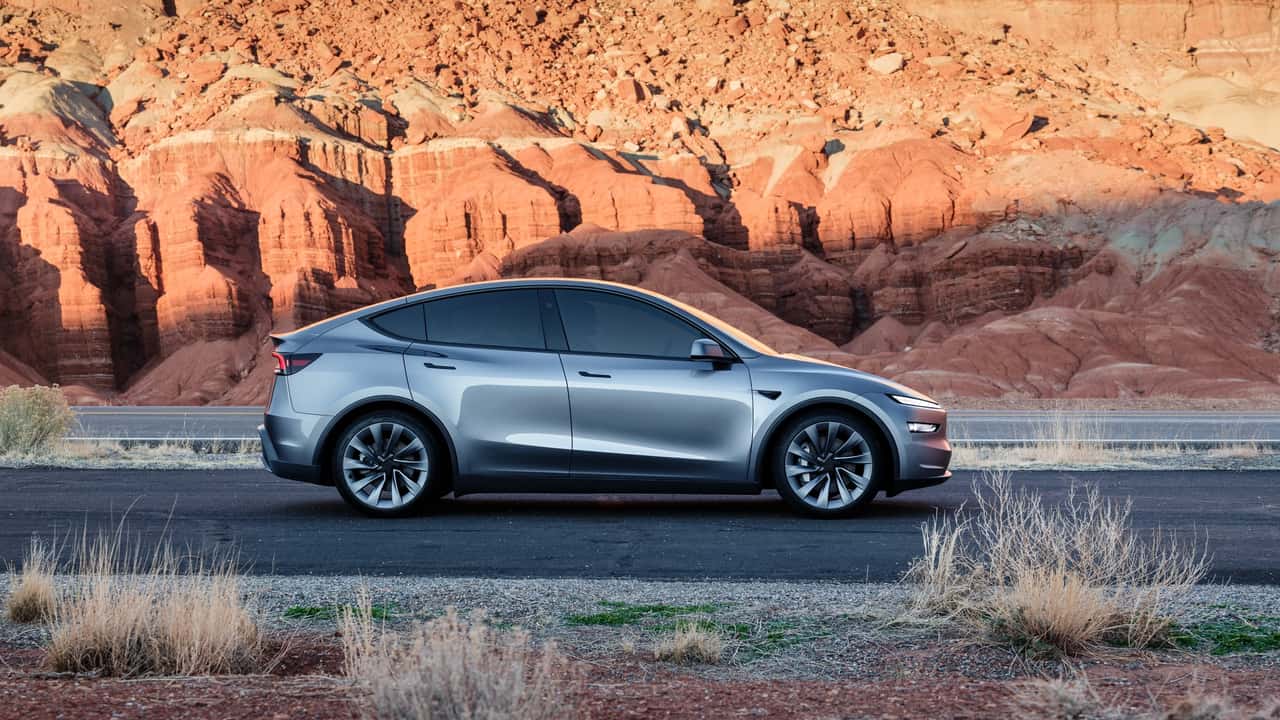
Despite these headwinds, Tesla has managed to maintain a strong position, largely thanks to the Model Y. In Q1 2026, one in three EVs sold in the U.S. was a Model Y, accounting for 67% of Tesla's sales. The Model Y's competitive pricing, impressive range, and advanced software have kept demand robust, even as the broader market contracts. Model Y sales actually grew by 22% year over year.
Struggles with Other Models
Tesla's other models, however, are facing significant challenges. The Model 3 experienced one of its worst quarters in years, with estimated sales of 31,672 units—a nearly 40% year-over-year decline. This drop is reminiscent of the Q1 2024 sales figure during the “Highland” mid-cycle refresh. The Model 3's struggle is partly due to its sedan design, which is less popular than the SUV and crossover designs that dominate current consumer preferences.
The Cybertruck also saw a substantial decline, with sales dropping 45% year over year to just 3,513 units in Q1. Despite initial ambitious sales targets of over 250,000 units annually, the Cybertruck has not met expectations, appealing only to a small niche of dedicated fans. Sales of the discontinued Model S and Model X also fell sharply in Q1, though these models have not significantly contributed to Tesla's overall sales for some time.
What’s Next for Tesla?
If the current trend continues, Tesla could face a third straight year of declining sales. However, there are hints of new models on the horizon. Reuters reported that Tesla has revived plans for a compact SUV that will be cheaper and smaller than the Model Y. Additionally, Elon Musk hinted on X that “something way cooler than a minivan” is coming.
For now, the Model Y remains Tesla's cornerstone, carrying the brand through the current EV market turmoil. While this is sufficient to maintain—or even grow—Tesla's market share in the short term, the company may find itself outflanked as the broader EV market expands in the long run.
Canadian Context
While this article focuses on the U.S. market, Canadian Tesla enthusiasts and potential buyers should take note of similar trends that may affect their own market. Although specific sales figures for Canada were not provided, it is reasonable to expect that Canadian sales could be experiencing similar patterns.
**Canadian Pricing and Incentives:**
Currently, Tesla benefits from provincial rebates and incentives across several provinces. For example, Ontario offers up to $4,000 through the Drive Clean Program, British Columbia provides up to $3,500, and Quebec offers substantial incentives through its RÉVE program. These incentives can significantly reduce the effective price of a Tesla for Canadian buyers.
**iZEV Program:**
Canada's iZEV (Investment and Incentive Program) also plays a role in making EVs more affordable. While the federal iZEV incentive has expired, provincial programs remain active, providing additional savings for Canadian consumers.
**Availability:**
All Tesla models, including the Model Y, Model 3, Cybertruck, Model S, and Model X, are available in Canada. Showroom availability may vary, so it’s advisable to check with local Tesla centres.
Stay informed about local incentives and offerings to make the most of your EV purchase in Canada.