Volkswagen Announces ID.3 and ID.4 as True EVs in Upcoming Electric Vehicle Offensive
April 13, 2026
Share
Key Takeaways
Volkswagen CEO admits the brand's current EV lineup, including the ID.3 and ID.4, has lost touch with Canadian drivers and failed to capture the “true Volkswagen feel” in design and naming.
The refreshed ID.3 Neo will debut next week, marking the start of a new design direction with more intuitive, name-based models like ID. Polo, ID. Cross, and ID. Tiguan to replace numeric names.
Volkswagen gathered extensive customer feedback to implement driver-focused changes, such as adding physical climate control buttons and conventional exterior door handles, catering to Canadian driver preferences.
The ID. Tiguan is expected to debut officially by end of 2026, replacing the ID.4, though Volkswagen has not yet confirmed its arrival in Canada; Canadian drivers should expect updates as the revamped EV lineup rolls out.
Despite a 12% sales increase in Europe, Volkswagen’s global EV deliveries dropped 64% in China and 80% in the U.S., highlighting the importance of Volkswagen’s redesigned EV strategy for success in the Canadian market.
Volkswagen Pledges to Reconnect with Canadian Drivers Through Revamped EV Lineup
Volkswagen’s CEO has acknowledged that the automaker had lost touch with its customer base, particularly with its electric vehicle (EV) offerings. This admission comes as Volkswagen prepares to launch a new lineup of EVs in Canada this year, starting with the refreshed **ID.3 Neo** next week.
The **ID.3** and **ID.4** have been among Volkswagen’s most popular EVs globally, yet they haven’t quite met expectations in key markets, including Canada. With next-generation models on the horizon, the German automaker is determined to set things right.
A Lost “Volkswagen Feel”
During a recent media event in Hamburg, Volkswagen brand CEO Thomas Schäfer admitted, “It was clear to me that we were actually losing our core.” He explained that the brand had lost that “special Volkswagen feel” with its current EV lineup, including the **ID.3** and **ID.4**.
Everything from naming conventions to exterior and interior design didn’t resonate as “true Volkswagens,” Schäfer told *Auto Express* and other media members.
Revamped Design and Naming
Schäfer promised that Volkswagen’s next-generation EVs will restore the brand’s iconic identity. The refreshed **ID.3 Neo** will make its official debut next week, signalling the start of a new design direction. This includes a shift from numeric names to more intuitive, name-based models such as **ID. Polo**, **ID. Cross**, and **ID. Tiguan**, which will replace the **ID.4**.
Volkswagen first previewed this new design language with the **ID.2all** concept, slated to launch as the **ID. Polo** later this month.
Customer-Driven Changes
Schäfer and Volkswagen’s tech development boss, Kai Grünitz, gathered extensive customer feedback through “customer clinics.” The goal was to focus on what drivers truly want, rather than following broader industry trends.
Some of the changes might seem minor—like adding physical climate control buttons and more conventional exterior door handles—but these are features Canadian drivers have been asking for. “That’s why we bring back real buttons, usability, and also real car names you can understand immediately,” Schäfer said.
What Canadian Drivers Can Expect
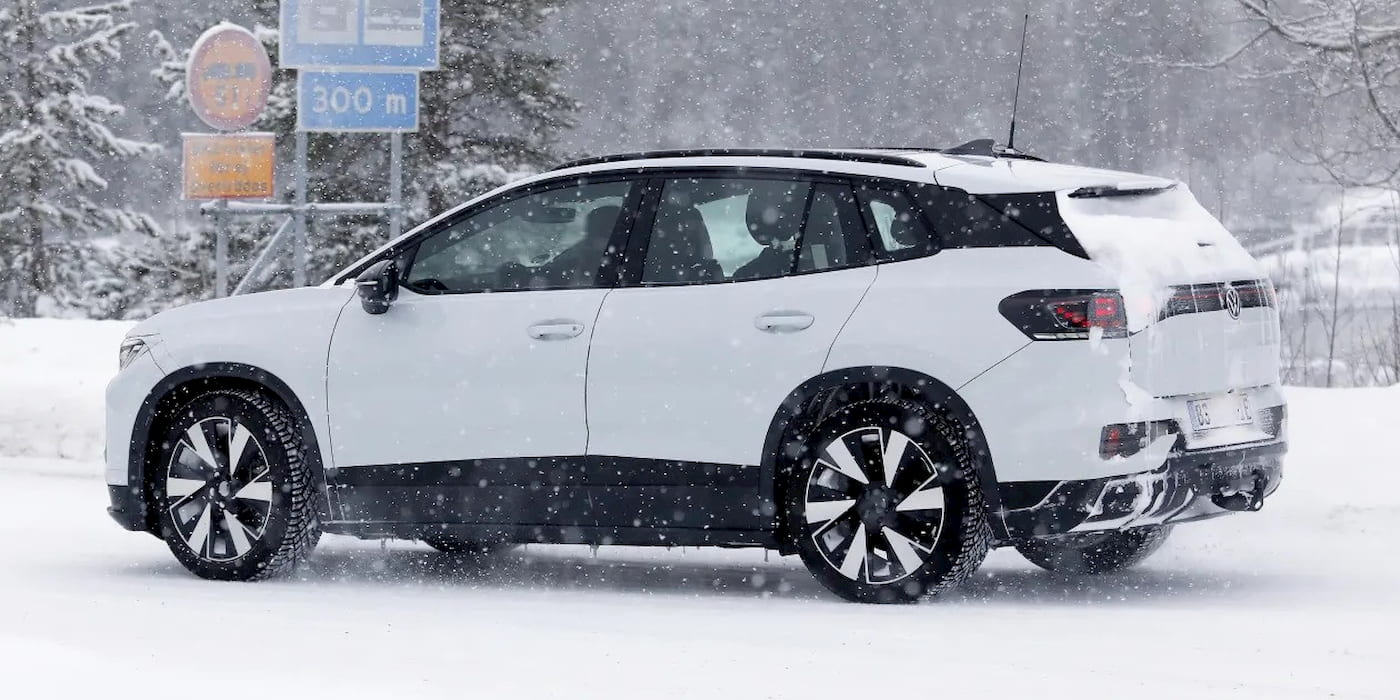
Volkswagen’s next-generation EVs will feature a fresh style, which design chief Andreas Mindt refers to as “the secret sauce.” Recent spy images suggest the refreshed **ID.4**—rebranded as the **ID. Tiguan**—will look more like the current **Tiguan**, with a more traditional SUV profile and a squared-off front end.
Following the **ID. Polo** and **ID. Polo GTI**, Volkswagen will launch the **ID. Cross** this summer—an electric counterpart to the **T-Cross**.
Production and Availability in Canada
While the next-generation EVs are launching in Europe over the next few months, Volkswagen recently announced it is ending production of the **ID.4** at its Chattanooga, Tennessee plant later this month. According to an *Automotive News* report, the **ID. Tiguan** is expected to debut officially by the end of 2026 and will replace the **ID.4** at VW’s plant in Emden, Germany.
Volkswagen has not yet confirmed if or when the **ID. Tiguan** will arrive in Canada. However, Canadian drivers can expect updates as Volkswagen rolls out its revamped EV lineup.
Sales Performance and Incentives
In the first quarter of 2026, the best-selling Volkswagen EVs globally included the **ID.4/ID.5** (25,000 units), **ID.3** (19,600 units), and **ID.7** (14,500 units). While sales were up 12% in Europe, Volkswagen Group’s total EV deliveries dropped 64% in China and 80% in the U.S.
For Canadian buyers, this is an exciting time. With Volkswagen’s renewed focus on design, usability, and brand identity, the upcoming EVs could offer a compelling option in the Canadian market. Keep an eye out for more details on pricing, availability, and provincial incentives such as those offered through Canada’s iZEV program.
Canadian drivers may also benefit from additional provincial rebates—check with your local provincial government for the latest EV incentive programs.