Xiaomi Unveils Home Robotic Arm Inspired by Teslas Old Robot Charger Concept
June 12, 2026
Share
Key Takeaways
Xiaomi has unveiled a home robotic arm charger that can autonomously plug and unplug electric vehicles (EVs), a concept that Tesla abandoned over a decade ago, offering a convenient and efficient solution for Canadian EV owners.
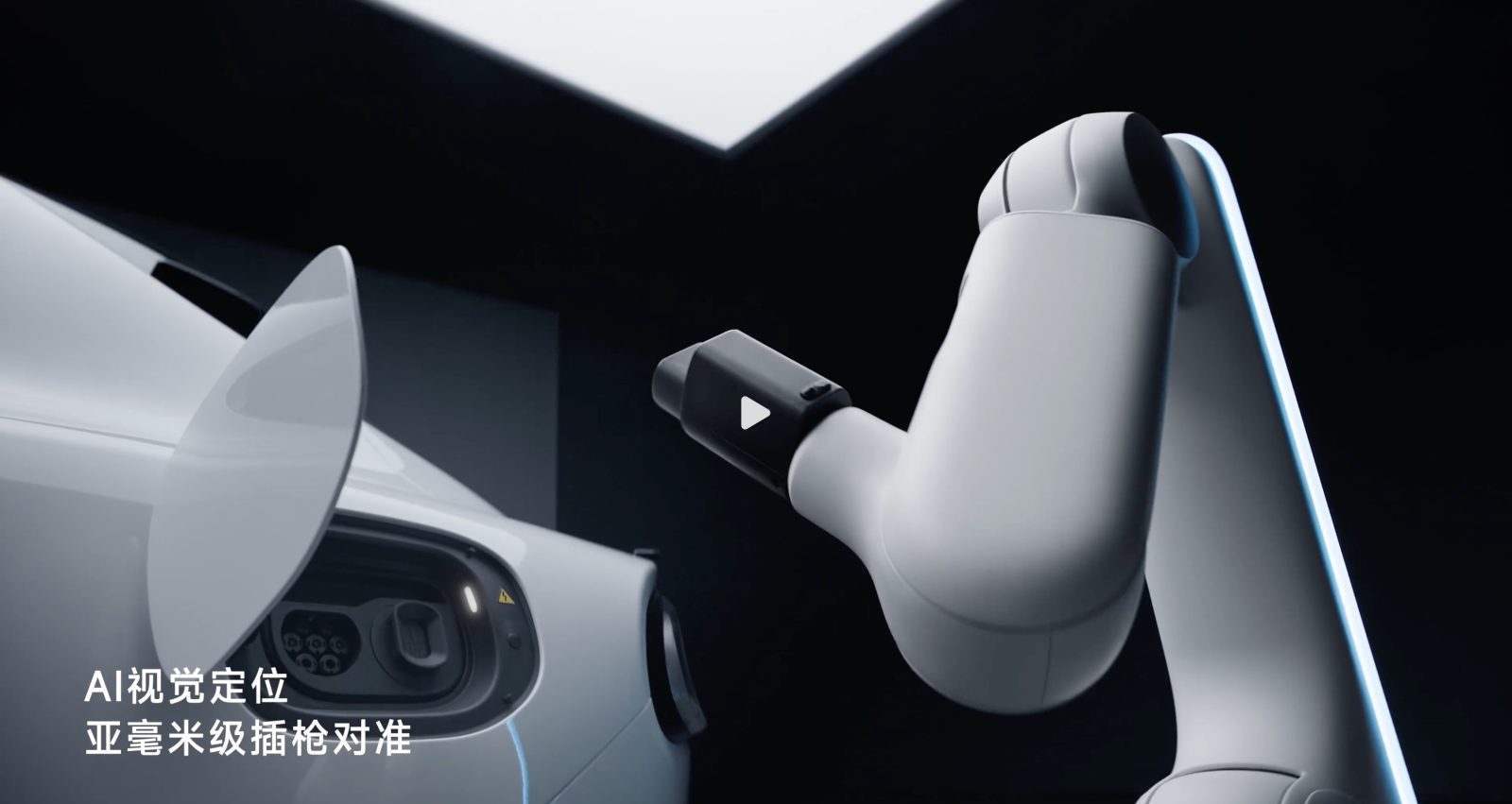
The compact device is 152 mm wide, integrates into Xiaomi's smart home ecosystem, and uses AI vision recognition for sub-millimeter precision, making it a potential game-changer for the Canadian EV market with its eligibility for the iZEV incentive and provincial rebates.
With potential pricing comparable to Xiaomi's existing 7 kW and 11 kW wallbox chargers available in Canada, the robotic arm charger could be an attractive option for Canadian EV owners looking to upgrade their home charging setup, offering hands-free convenience without sacrificing energy efficiency.
Xiaomi Unveils Autonomous Robotic Arm Charger for EVs, a Concept Tesla Abandoned
Xiaomi has introduced a home robotic arm charger that can autonomously plug and unplug electric vehicles (EVs), a concept that Tesla had prototyped over a decade ago but never brought to market. The compact device, which is only 152 mm wide, is designed to fit in tight home garage parking spaces and integrates into Xiaomi's smart home ecosystem for smartphone control. This innovation could be a game-changer for Canadian EV owners, who may be eligible for the iZEV incentive and provincial rebates, making the adoption of such technology more affordable.
A Decade-Long Wait for Autonomous Charging
In 2014, Elon Musk tweeted about a charger that could automatically move out from the wall and connect to an EV, but Tesla never shipped the product. Instead, Tesla pivoted to wireless charging, acquiring German startup Wiferion in 2023. However, even that effort has stalled, with Tesla giving up on wireless charging for the Cybertruck last year due to the vehicle's high ground clearance. Xiaomi's robotic arm charger, on the other hand, offers a more efficient and convenient solution for Canadian EV owners, who can monitor and control it remotely via smartphone.
Key Specs and Features
The robotic arm mounts to a wall or floor next to a parking space, detects the vehicle's charge port, plugs in the connector, and unplugs it when charging is complete, all without the driver touching anything. The system uses AI vision recognition for sub-millimeter precision when inserting the plug and can communicate with the vehicle to trigger motorized charge port covers to open and close automatically. While pricing and availability have not been announced yet, Xiaomi's existing home charging lineup includes 7 kW and 11 kW wallbox chargers, which are available in Canada, and may provide a hint at the potential pricing for the robotic arm charger.
A Better Alternative to Wireless Charging
Xiaomi's robotic arm charger offers the same hands-free convenience as wireless charging while maintaining the full efficiency of a direct plug-in connection. This means that Canadian EV owners can enjoy the benefits of autonomous charging without sacrificing energy efficiency, which can lead to higher electricity bills over time. With the potential for Canadian pricing to be competitive, this technology could be an attractive option for those looking to upgrade their home charging setup, especially with the iZEV incentive and provincial rebates available to offset the cost.
Potential Applications and Benefits
While some may view robotic arm charging as a gimmick, it could be very useful for fleets of autonomous vehicles, which are being tested in various Canadian cities. Additionally, the efficiency benefits of robotic arm charging make it a more attractive option than wireless charging, especially for Canadian EV owners who charge their vehicles daily. As the technology becomes more widely available in Canada, it will be interesting to see how it compares to other charging solutions in terms of price and convenience, and whether it will be eligible for provincial rebates and incentives.