Jun 12, 2026
Quebec Reduces Zero Emission Vehicle Sales Targets to 80 Percent by 2035
Quebec has lowered its zero-emission vehicle (ZEV) targets to 80% of new vehicle sales by 2035 due to supply chain and international trade issues, affecting the Canadian electric vehicle (EV) market.. The reduction in ZEV targets may impact the availability of EV models at Canadian car dealerships, potentially limiting consumer choice and slowing EV adoption across the country, despite competitive Canadian pricing for EVs.. The Canadian EV market is expected to continue growing, driven by incentives like the iZEV programme and provincial rebates, but supply chain issues may hinder the pace of adoption and affect the overall Canadian automotive industry.
Jun 12, 2026
Athabasca Glacier Tours Feature New Self Charging Electric Vehicle
A Canadian tour company in Jasper National Park has introduced the Electric Ice Explorer, an off-grid electric vehicle powered by solar panels and brake regeneration, offering eco-friendly tourism experiences to visitors of the Athabasca Glacier.. The Electric Ice Explorer features advanced solar panels and a brake regeneration system, enabling the vehicle to minimize carbon emissions and reduce reliance on non-renewable energy sources, promoting sustainable electric vehicle solutions.. The adoption of electric vehicles like the Ice Explorer is supported by the Canadian government's iZEV program, offering rebates of up to $5,000, with additional provincial rebates available, making electric vehicles an attractive option for Canadian businesses and individuals.
Jun 12, 2026
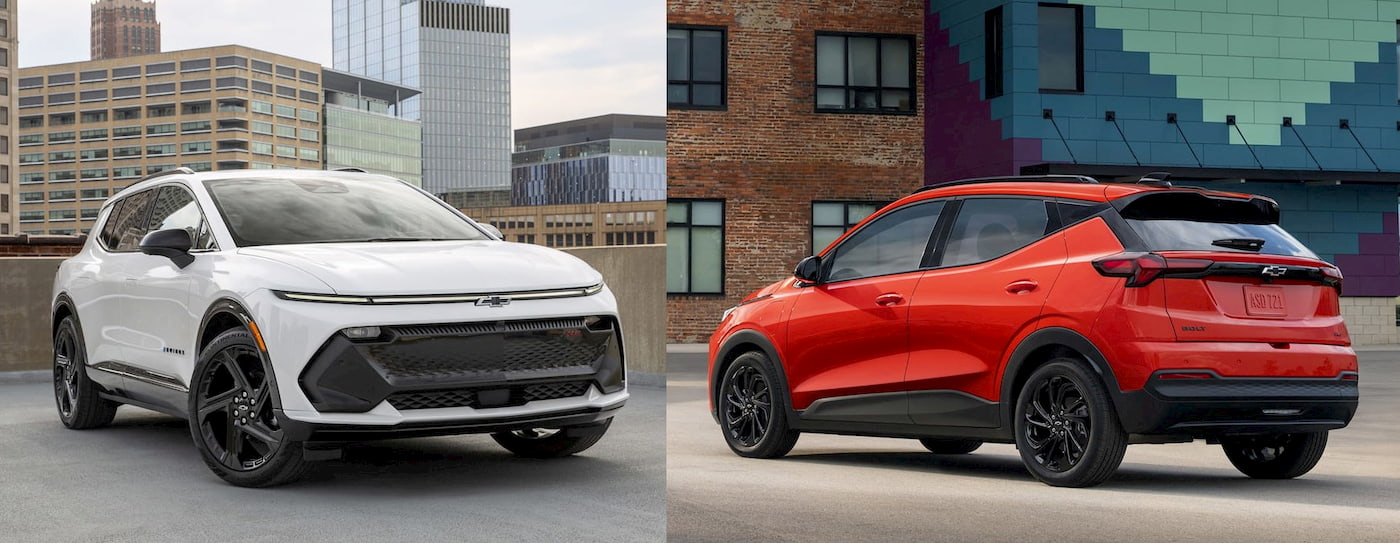
Chevy Equinox EV Lease Prices Increase While Bolt Costs Decrease
The Chevrolet Equinox EV lease price in Canada has increased, with the FWD LT2 model now costing $529 per month for 36 months, and the base FWD LT1 model costing $554 per month, following the reduction of discounts from $10,000 to $1,000.. Canadian pricing for the 2026 Equinox EV starts at $36,495 for the base LT 1 FWD model, offering up to 319 miles of range, and buyers may still be eligible for the iZEV incentive, which offers up to $5,000 in rebates for eligible electric vehicles.. The Hyundai IONIQ 5 and Chevy Bolt are strong competitors in the Canadian electric vehicle market, with leases starting at $259 per month for 24 months and $411 per month for 39 months, respectively, and Canadian buyers can also take advantage of provincial rebates, such as British Columbia's SCRAP-IT program.
Jun 12, 2026
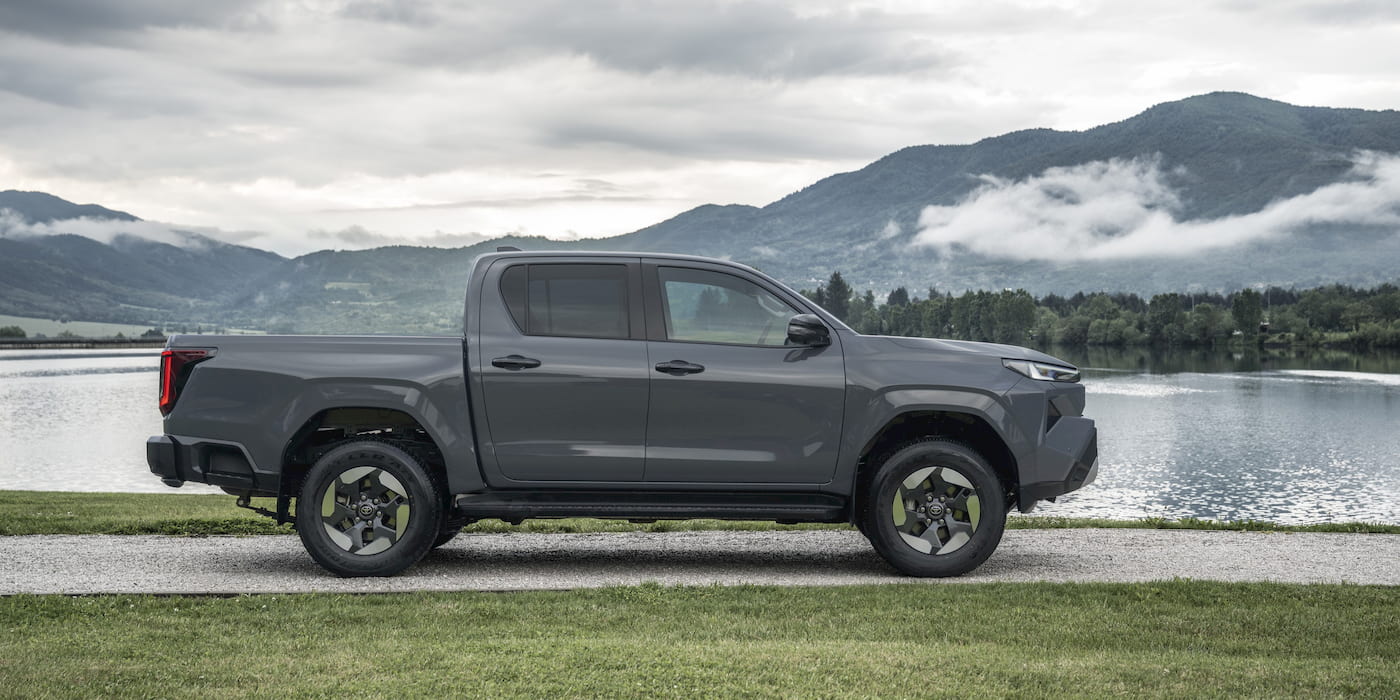
Toyota Releases Pricing for New Electric Pickup Truck Starting Under 60000 Dollars
The Toyota Hilux BEV is the company's first fully electric pickup and body-on-frame electric vehicle (EV), powered by a dual motor setup delivering 278 hp and 348 lb-ft of torque, with a towing capacity of over 3,700 lbs.. The Hilux BEV features a 59.2 kWh water-cooled lithium-ion battery, providing a driving range of up to 160 miles (257 km) according to the WLTP standard, and supports DC fast-charging up to 125 kW, allowing for a 10-80% recharge in approximately 30 minutes.. The electric pickup's availability in Canada is uncertain, but if introduced, it may be eligible for the iZEV incentive program, offering up to $5,000 in rebates, with potential Canadian pricing competitive to the UK and Australian markets, around $65,000-$73,000 CAD.
Jun 12, 2026
Rivian R2 Review and BYD Flash Charging Plus Donut Lab Battery Update
The Rivian R2, a potential future Canadian electric vehicle market entrant, may qualify for the iZEV incentive and provincial rebates, such as those in British Columbia and Quebec, making it an attractive option for Canadian EV buyers.. BYD's flash charging technology could significantly reduce electric vehicle charging time in Canada, while the discontinued Donut Lab miracle battery project highlights the importance of battery durability in Canadian EV adoption.. Canadians can stay informed about sustainable transport and energy, including the latest electric vehicle news and developments, through a weekly podcast available on the Electrek YouTube channel and popular podcast apps, with support for the podcast available through Patreon.

Jun 12, 2026
BMW iX3 Electric SUV Achieves 500 Mile Range On Single Charge
The BMW iX3 electric vehicle demonstrated its endurance and range capabilities by completing a 500-mile journey in extreme weather conditions, including heavy rain and snow, without stopping to charge, showcasing its potential for Canadian drivers who value performance and reliability in electric vehicles.. The BMW iX3 50L xDrive prototype achieved an energy consumption of 20.3 kWh/100 miles, translating to an estimated driving range of approximately 518-522 miles under real-world driving conditions, making it a competitive option in the Canadian EV market.. The BMW iX3 is expected to be eligible for the Canadian government's iZEV incentive program, offering a rebate of up to $5,000, with pricing estimated to start around $73,000 CAD for the iX3 40 and $85,200 CAD for the iX3 50 xDrive, although official Canadian pricing has not been announced.
Jun 12, 2026
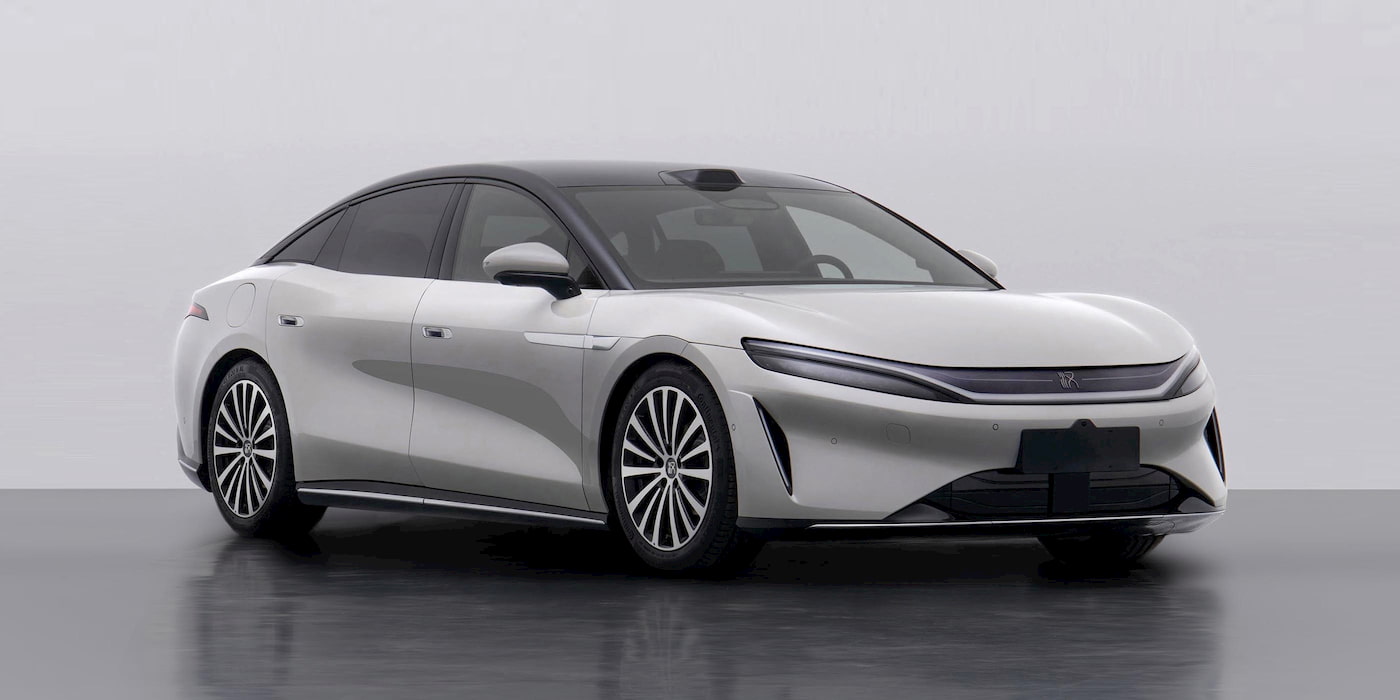
BYD Launches Full Size Luxury Electric Sedan With Over 1000km Range
The BYD Great Han electric sedan boasts an impressive driving range of over 1,000 km, making it an attractive option for Canadian drivers seeking luxury and sustainability in an electric vehicle (EV).. The Great Han will be available in single-motor and dual-motor variants, delivering 370 kW (496 hp) and 570 kW (764 hp) respectively, with advanced features like LiDAR technology and flash charging enabling a CLTC driving range of up to 1,008 km.. Canadian pricing for the BYD Great Han has not been officially announced, but it's anticipated to be similar to the presale prices of the Great Tang SUV, starting around $37,000, with potential eligibility for the iZEV incentive program and provincial rebates.
Jun 12, 2026
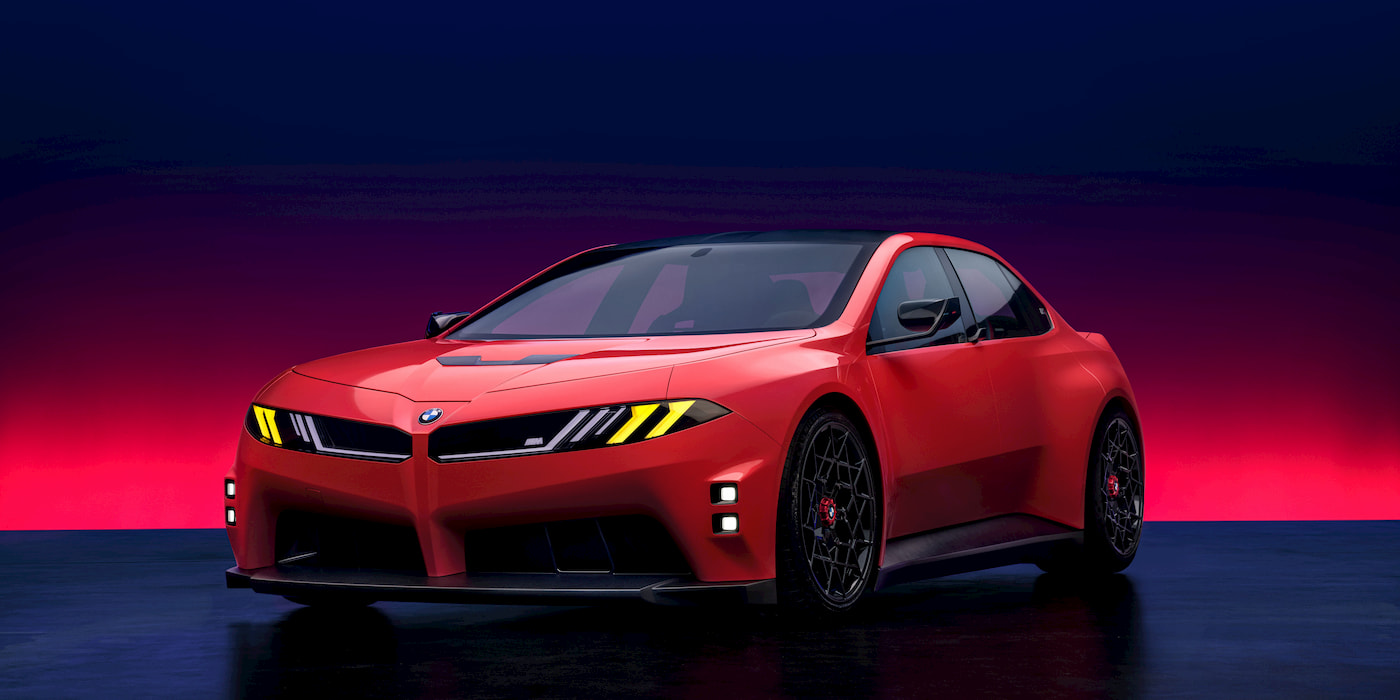
BMW Unveils New Electric M3 Concept Car with Menacing Design
The BMW M Concept Neue Klasse has debuted, showcasing the brand's future direction in the all-electric performance vehicle market, with significant implications for Canadian electric vehicle (EV) enthusiasts due to government incentives like the iZEV program.. The concept features a unique design language, with a trimaran-style bumper, large ducktail spoiler, and three-dimensional Track Lights, as well as a luxurious and performance-oriented cabin with exclusive M design elements and natural-fiber materials.. The BMW M Concept is powered by four electric motors with M-specific software and an 800-volt architecture, promising unparalleled performance and long-range capability, with the first all-electric M performance vehicle, likely named the i3 M, set to launch in 2027 in the Canadian market.
Jun 12, 2026
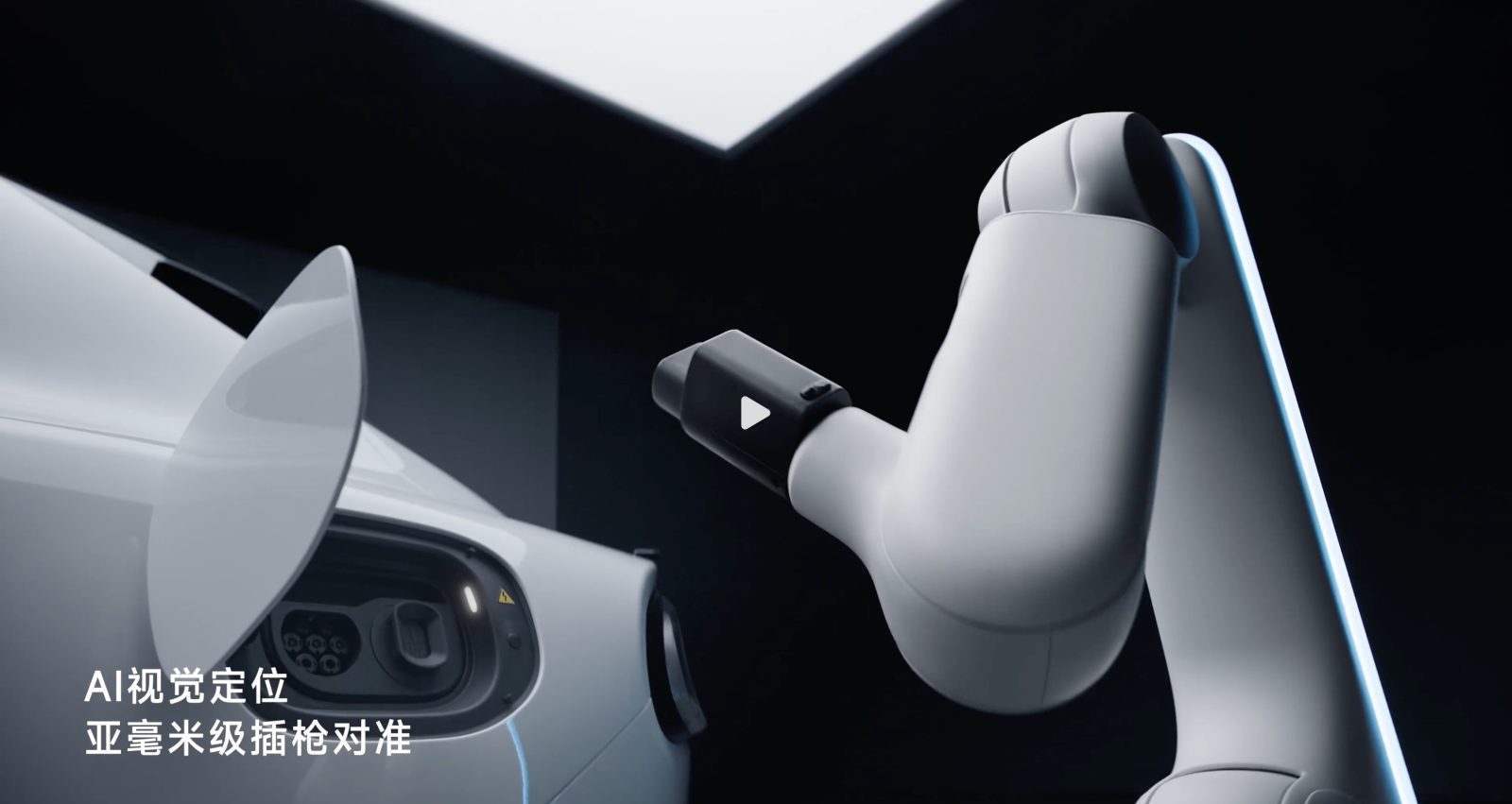
Xiaomi Unveils Home Robotic Arm Inspired by Teslas Old Robot Charger Concept
Xiaomi has unveiled a home robotic arm charger that can autonomously plug and unplug electric vehicles (EVs), a concept that Tesla abandoned over a decade ago, offering a convenient and efficient solution for Canadian EV owners.. The compact device is 152 mm wide, integrates into Xiaomi's smart home ecosystem, and uses AI vision recognition for sub-millimeter precision, making it a potential game-changer for the Canadian EV market with its eligibility for the iZEV incentive and provincial rebates.. With potential pricing comparable to Xiaomi's existing 7 kW and 11 kW wallbox chargers available in Canada, the robotic arm charger could be an attractive option for Canadian EV owners looking to upgrade their home charging setup, offering hands-free convenience without sacrificing energy efficiency.

Jun 12, 2026
H2O Audio TRI 2 Bone Conduction Headphones for Cyclists and Athletes
The TRI 2 Pro Multi-Sport with Playlist+ bone conduction headphones from H2O Audio offer a unique solution for Canadian e-bike enthusiasts and cyclists, providing situational awareness and high-quality audio while keeping ears open to the outside world.. Key specs include 8 GB of onboard memory, up to 9 hours of battery life, and a waterproof IPX8 rating, making them suitable for various outdoor activities in Canada's diverse climate and weather conditions.. Canadian pricing for the TRI 2 Pro starts at $219, but a 25% discount is available with the code BESTDAD25, and potential provincial rebates or incentives for eco-friendly transportation may help offset the cost for Canadian consumers.

Jun 12, 2026
Rivian R2 Release Date and Upcoming Models Announced by CEO
Rivian's future plans include the potential launch of the R3X hatchback model in Canada by 2028, offering an alternative to Tesla with competitive Canadian pricing and eligibility for the iZEV incentives.. The R3X is expected to cater to enthusiasts with a modern, electrified take on classic models, and may be followed by unique variants based on the R2 and R3 platforms, with kilometre ranges and colour options tailored to the Canadian electric vehicle market.. Rivian's expansion into the Canadian market is poised to make a significant impact, with a focus on building cool and affordable EVs that resonate with tech and lifestyle enthusiasts, potentially including a smaller truck model or other innovative form factors.

Jun 12, 2026
Jason Fenske Reviews the Rivian R2 Electric Vehicle
The Rivian R2 has arrived in Canada, with customer deliveries commencing and early drive reviews being overwhelmingly positive, surpassing expectations for electric vehicles and the automotive industry, with a potential to be a game-changer for Rivian in the Canadian EV market.. The R2 features notable improvements over the R1S, including the absence of a fussy charge-port door and the addition of glove boxes, with a more basic suspension setup that still feels "super capable" and well-suited for outdoor enthusiasts, making it a great option for Canadian buyers who need reliable long-distance travel.. Canadian pricing for the Rivian R2 has not been officially announced, but it is expected to be competitive with other electric vehicles like the Tesla Model Y, with the Canadian government offering rebates and incentives for EV purchases, such as the iZEV program, which offers up to $5,000 in rebates for eligible electric vehicles.