Jun 17, 2026
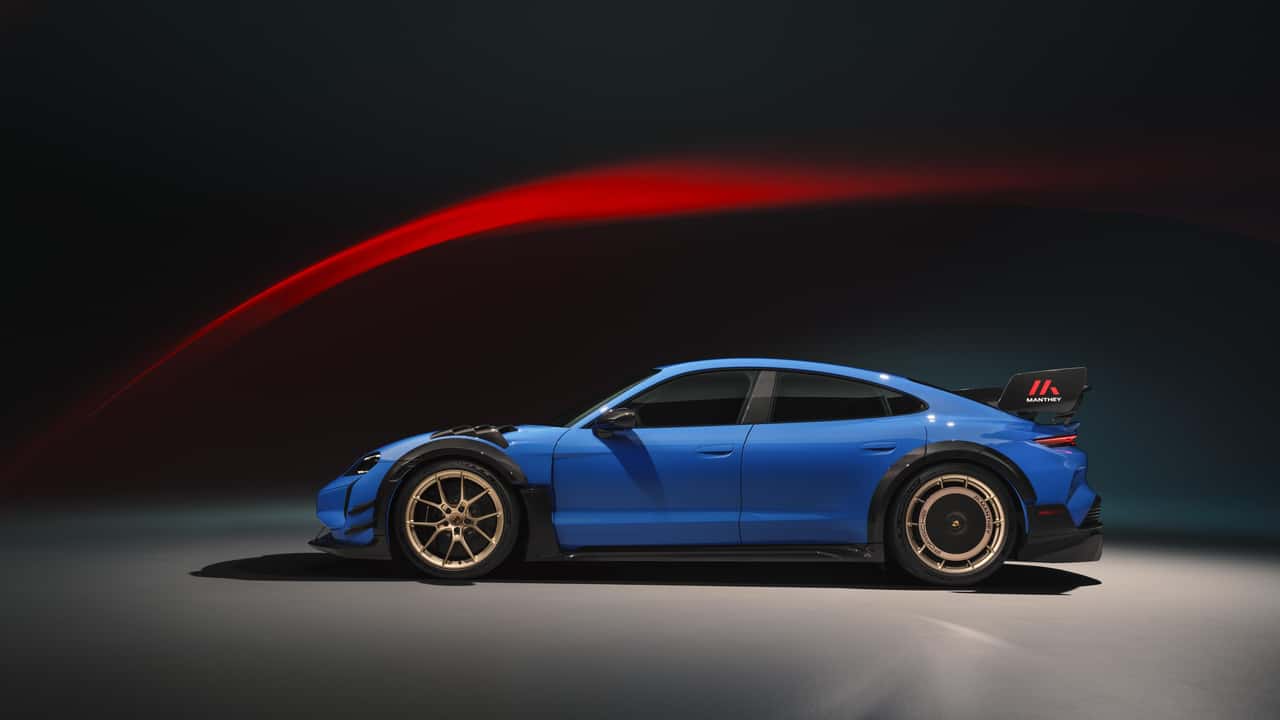
Porsche Taycan 2027 Model Gets Upgraded Battery and Simulated Gear Shifts
Porsche's 2027 Taycan update introduces an optional "E-Shift" system, featuring eight simulated gears and a synthesized engine note, available on select models to create a more immersive electric vehicle driving experience.. The E-Shift system, part of the Sport Chrono Package, adjusts sound and acceleration to mimic a combustion engine, with Canadian pricing expected to be competitive and incentives like the iZEV program offering up to $5,000 in rebates for electric vehicles.. The 2027 Taycan also features an NACS charging port for DC fast charging, a 105 kilowatt-hour battery pack, and 800-volt setup, allowing for rapid charging at up to 320 kilowatts and making it a top contender in the Canadian EV market.
Jun 16, 2026
Quebec Residents Claim Majority of Electric Vehicle Incentives in Canada
Quebec leads Canada in electric vehicle adoption, accounting for 52% of EVAP claims, driven by the province's focus on reducing greenhouse gas emissions and promoting electric vehicles.. The Toyota bZ is the most popular electric vehicle model among Canadians taking advantage of the EVAP incentives, eligible for the federal iZEV program offering up to $5,000 in rebates.. Canadian electric vehicle buyers can benefit from competitive pricing and availability, with many models capable of travelling hundreds of kilometres on a single charge, and eligible for federal and provincial incentives, such as British Columbia and Ontario's provincial rebates.
Jun 16, 2026
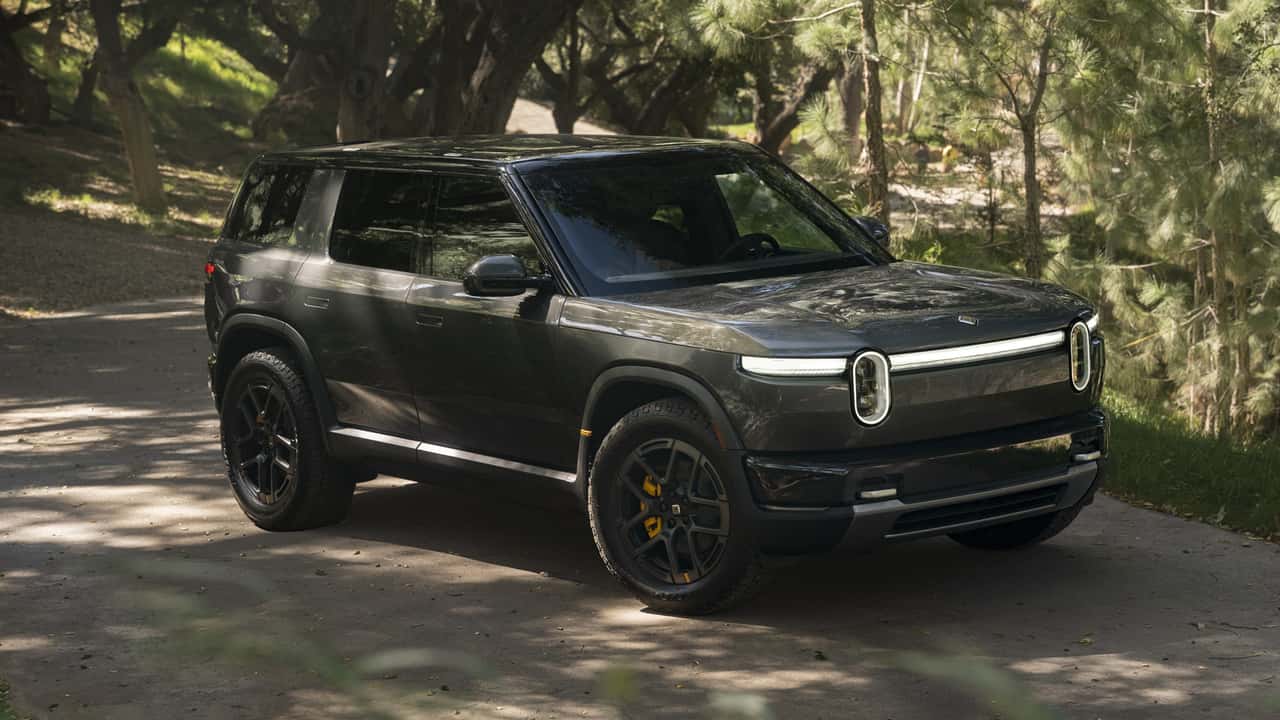
Rivian Announces Major Layoffs Following R2 Electric Vehicle Launch
Rivian has announced layoffs affecting approximately 300 employees, less than 2% of its total workforce, as part of its efforts to "profitably scale" its electric vehicle (EV) business amidst the launch of the R2 model in Canada.. The R2, a competitor to the Tesla Model Y, is expected to play a crucial role in Rivian's transition to a mainstream automaker, with 20,000 units planned for delivery this year, aiming to achieve profitability after losses of $3.6 billion in 2025 and $4.7 billion in 2024.. Canadian customers can expect the R2 to be available in the market, with pricing and incentives such as the iZEV program and provincial rebates in British Columbia and Quebec, making the electric vehicle a more affordable option for Canadian buyers, with increased production capacity planned for 2028.
Jun 16, 2026
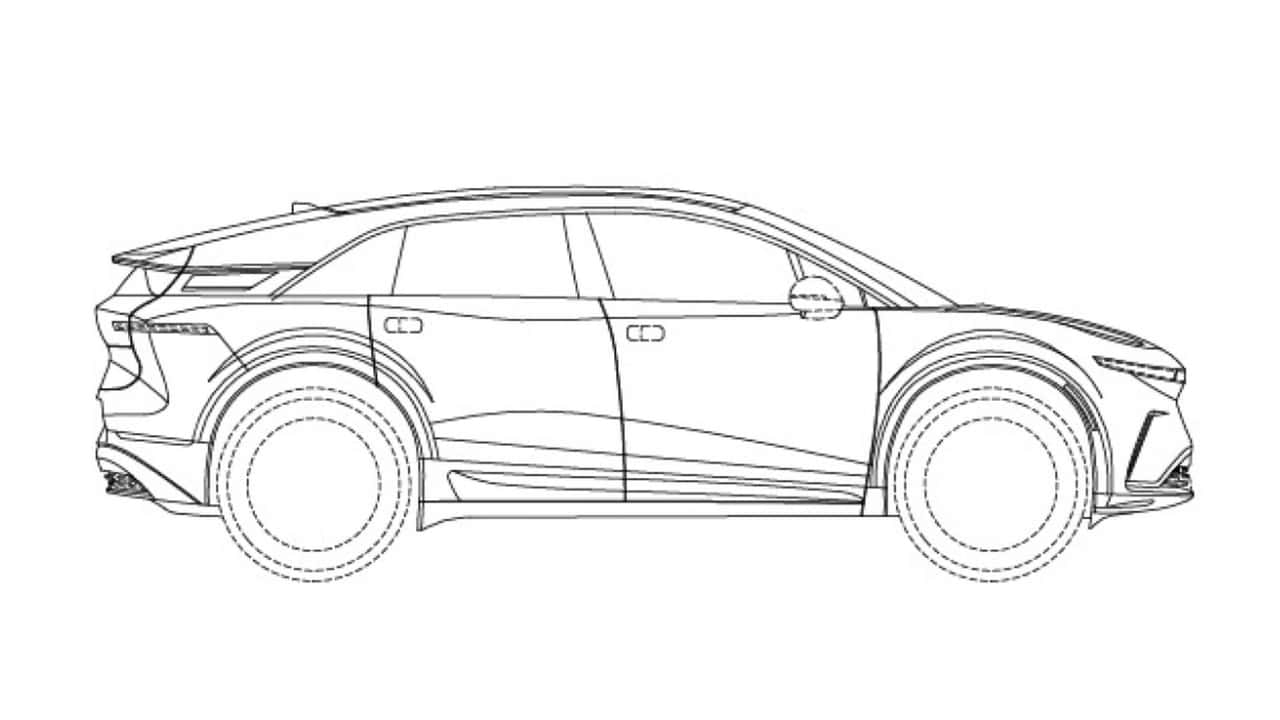
Lucid Motors Reveals Electric SUV to Compete with Tesla Model Y and Rivian R2
The Lucid Cosmos, a midsize electric vehicle crossover, is set to launch by the end of the year with a projected Canadian price tag of around $50,000 CAD, rivaling the Tesla Model Y and Rivian R2 in the Canadian EV market.. The Lucid Cosmos boasts a range of over 480 kilometres, a 0.22 drag coefficient, and impressive charging speeds thanks to its 800-volt architecture, enabling 320 kilometres of range to be added in just 14 minutes of charging.. The vehicle will feature advanced technologies including bidirectional charging, vehicle-to-home (V2H), and vehicle-to-grid (V2G) capabilities, and is expected to qualify for the Canadian government's iZEV incentives and provincial rebates, making it an attractive option for Canadian electric vehicle buyers.
Jun 16, 2026
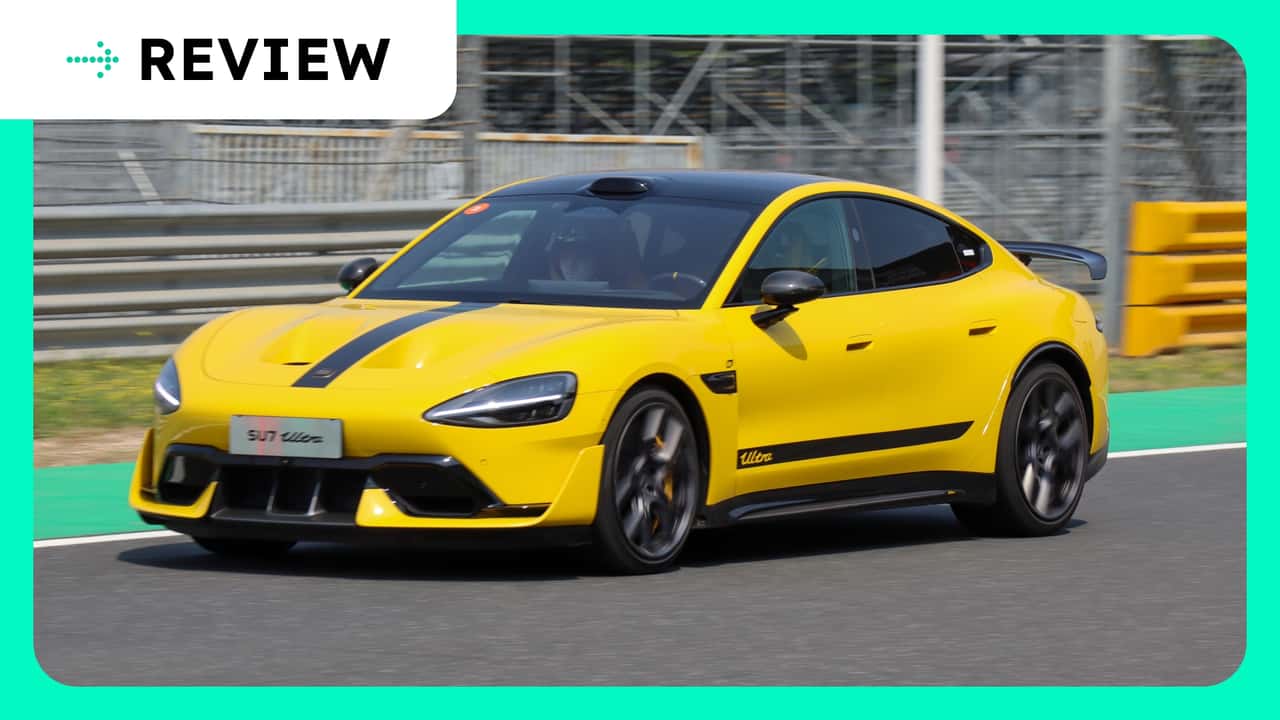
China's 1500 Horsepower Electric Vehicle Proves Easy to Drive
The Xiaomi SU7 Ultra is a high-performance electric sedan set to disrupt the Canadian market with 1,526 horsepower, 1,305 lb-ft of torque, and a competitive price of around $75,000, making it a rival to luxury brands like Porsche and Audi in the Canadian electric vehicle market.. The SU7 Ultra features a 93.7 kWh battery pack, advanced aerodynamics, and a regenerative braking system, enabling exceptional performance and handling, with its electric motors and battery technology making it an exciting prospect for Canadian EV enthusiasts.. Canadian drivers may be eligible for the iZEV incentive program, offering up to $5,000 in rebates for eligible electric vehicles like the SU7 Ultra, with potential buyers also eligible for provincial rebates in British Columbia and Quebec, making it an attractive option in the Canadian electric vehicle market.
Jun 16, 2026
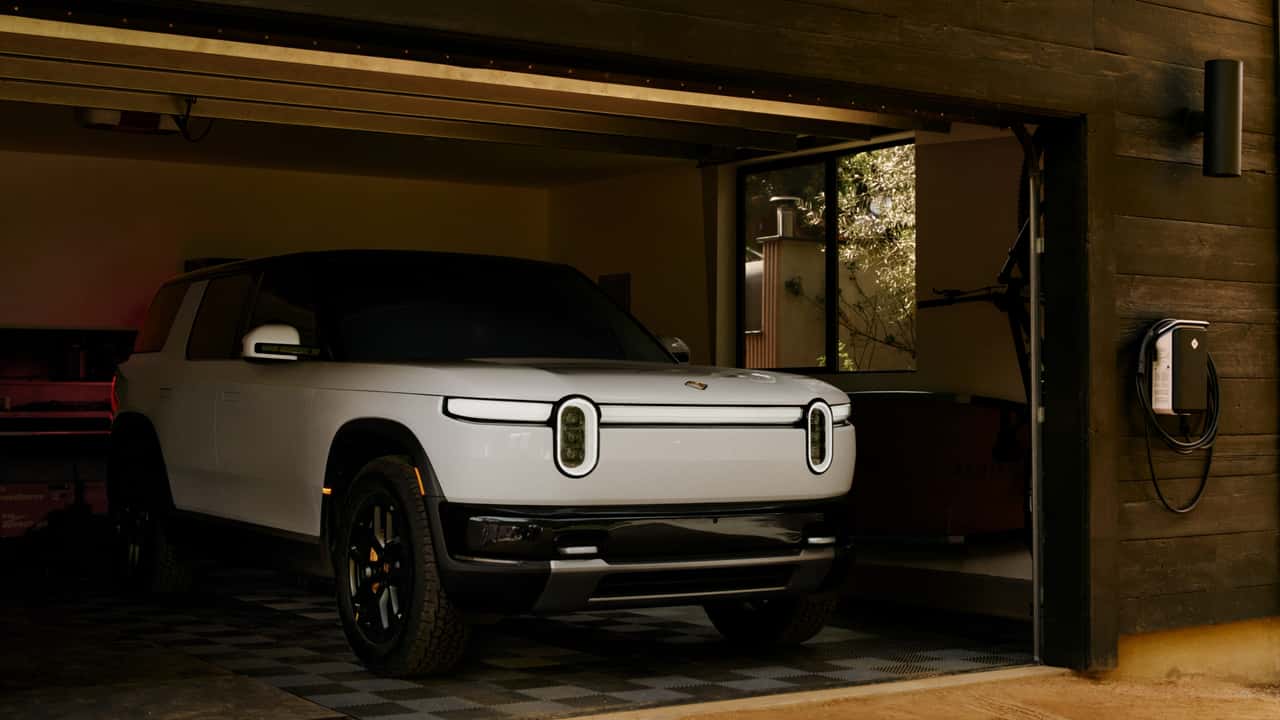
Rivian Partners with Company to Reduce Electric Vehicle Home Charging Costs
Canadian Rivian EV owners, including those with the R1S, R1T, and upcoming R2 models, will soon benefit from a managed charging system that aggregates utility providers to charge their electric vehicles at home for less, with potential savings of thousands of dollars per year.. The managed charging system allows Rivian EVs to automatically charge during off-peak hours, resulting in lower electricity costs and reduced carbon footprint, taking advantage of Canada's time-of-use pricing and provincial rebates for electric vehicle owners.. Future over-the-air software updates will enable vehicle-to-grid (V2G) technology, allowing the Rivian R2 to export power from its high-voltage battery back to the grid, further reducing greenhouse gas emissions and supporting Canada's goal of transitioning to a low-carbon economy with clean energy solutions.
Jun 16, 2026
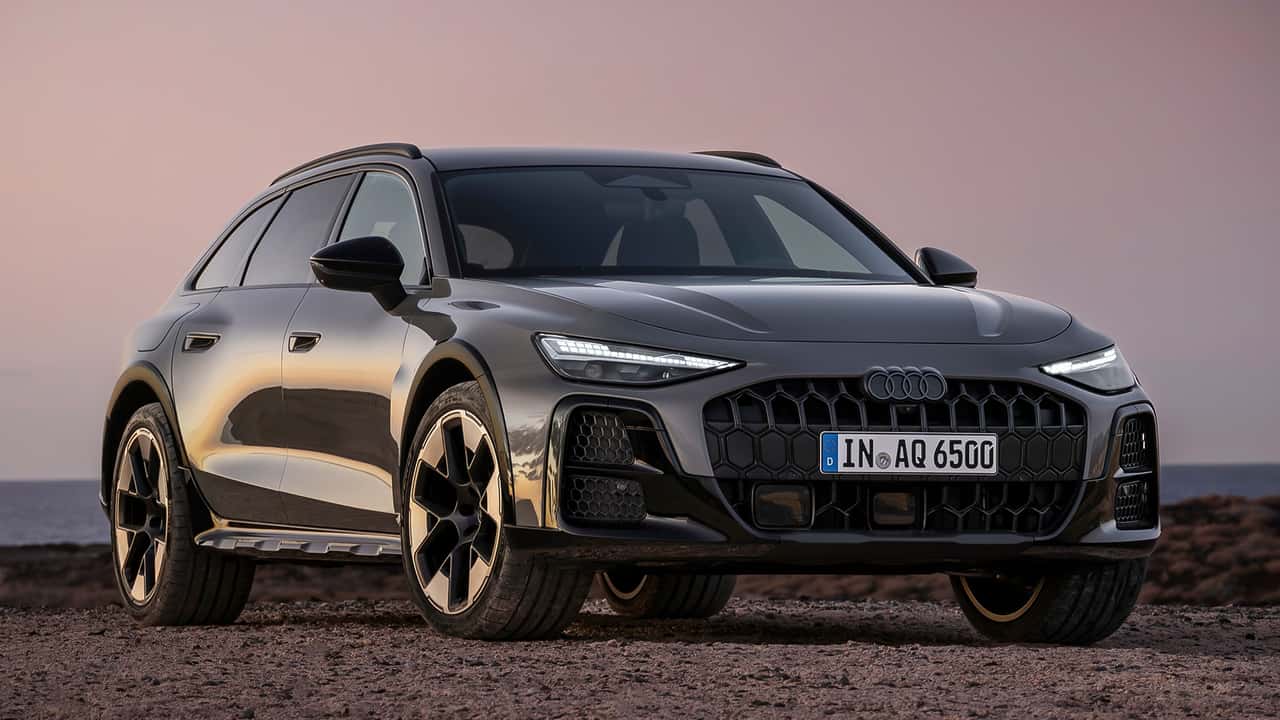
Audi A6 Allroad Plug In Hybrid Offers Alternative To Traditional SUVs
The Audi A6 Allroad e-hybrid, a plug-in hybrid electric vehicle (PHEV), is set to go on sale in Europe with a starting price of approximately $105,000 CAD, but its Canadian pricing and availability have not been officially announced.. The A6 Allroad e-hybrid boasts a 2-litre gasoline engine and an electric motor, producing 362 horsepower and 369 pound-feet of torque, with an all-electric range of up to 59 miles (95 kilometres) and a charging time of roughly two and a half hours from a Level 2 home charger.. Canadian buyers of the A6 Allroad e-hybrid may be eligible for the iZEV incentive, offering up to $5,000 in rebates, as well as provincial rebates such as the Ontario government's Electric and Hydrogen Vehicle Incentive Program, which offers up to $1,000 in rebates for eligible electric and plug-in hybrid vehicles.
Jun 16, 2026
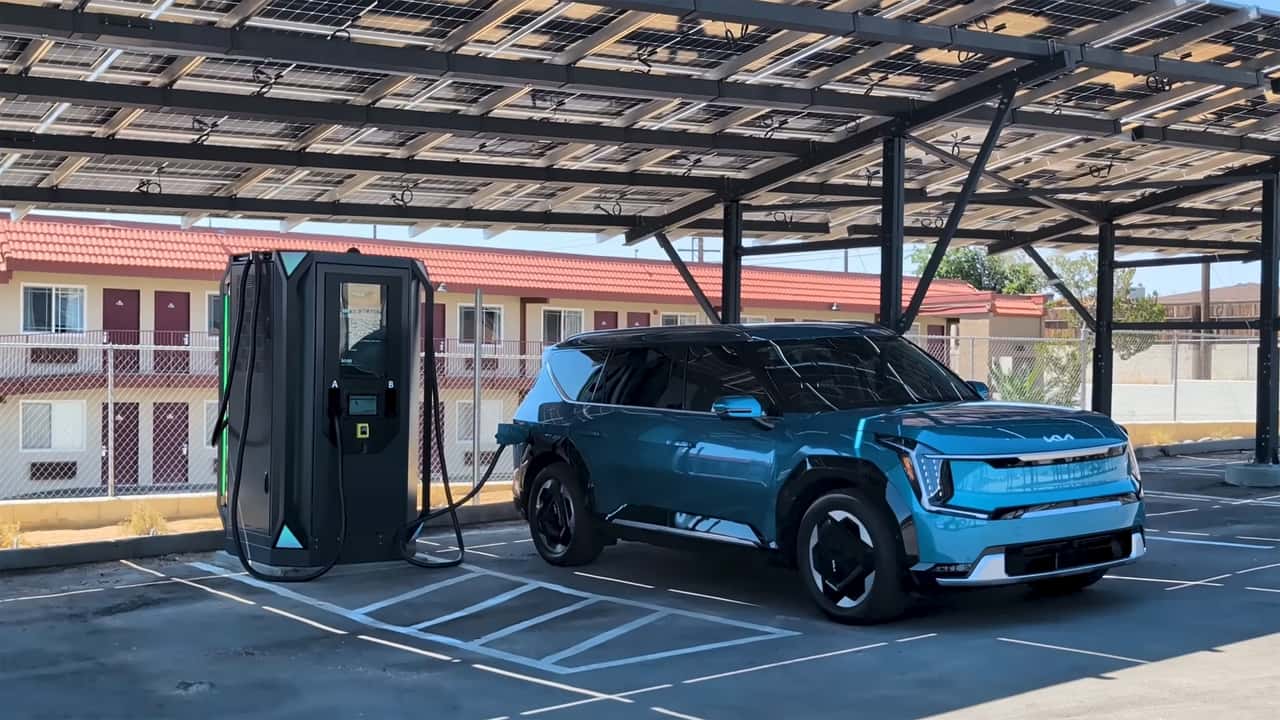
Off Grid EV Charging Station on Route 66 Offers Affordable Alternative
A new solar-powered EV charging station has been unveiled in California, featuring 600 solar panels and three DC fast chargers capable of recharging up to six electric vehicles simultaneously, showcasing a potential model for Canada's electric vehicle market.. The Canadian pricing for solar-powered EV charging services is expected to be competitive, driven by cost savings from renewable energy sources and supported by government incentives such as the iZEV program and provincial rebates for electric vehicle adoption.. The solar-powered charging station's technical specifications, including integrated battery storage and up to 180 kilowatts of combined output, demonstrate its potential to meet the growing needs of Canada's EV market, particularly in remote areas where traditional grid connections may be limited.
Jun 15, 2026
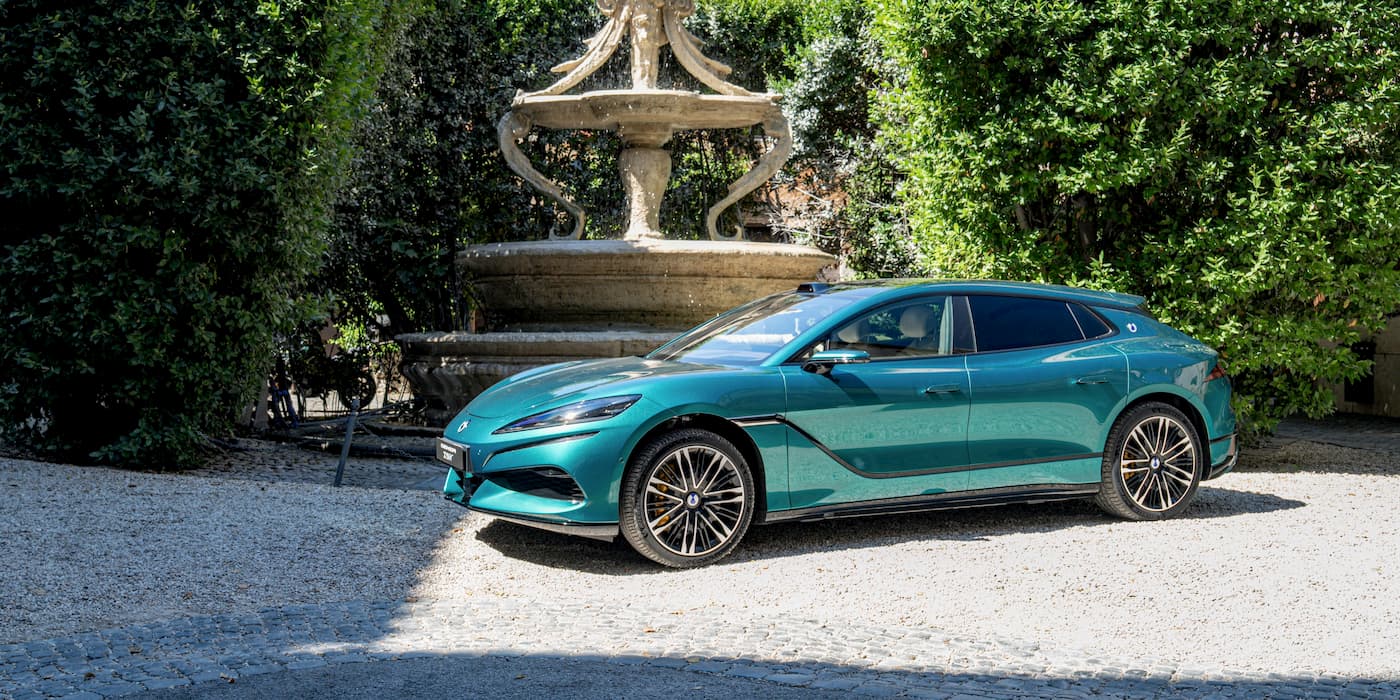
BYD Embarks on Epic 9300 Mile European Asian Electric Vehicle Road Trip
The Denza GT Z9, a luxury electric vehicle (EV) from BYD, boasts an impressive driving range of over 1,036 kilometre, fast charging capabilities in under 10 minutes, and a 0 to 100 km/h acceleration time of 2.7 seconds, making it a top contender in the Canadian EV market.. The Denza Z9 GT features advanced technologies, including BYD's innovative Blade Battery and Flash Charging system, a 122.49 kWh battery, and a range of display screens, with European pricing starting at €115,000, approximately $170,000 CAD, although Canadian pricing has not been announced.. Canadian drivers may soon have access to the Denza Z9 GT as BYD plans to expand its distribution to 30 countries by the end of 2026, and can take advantage of the iZEV incentive program, offering up to $5,000 in rebates, and provincial rebates, making electric vehicles more affordable in Canada.
Jun 15, 2026
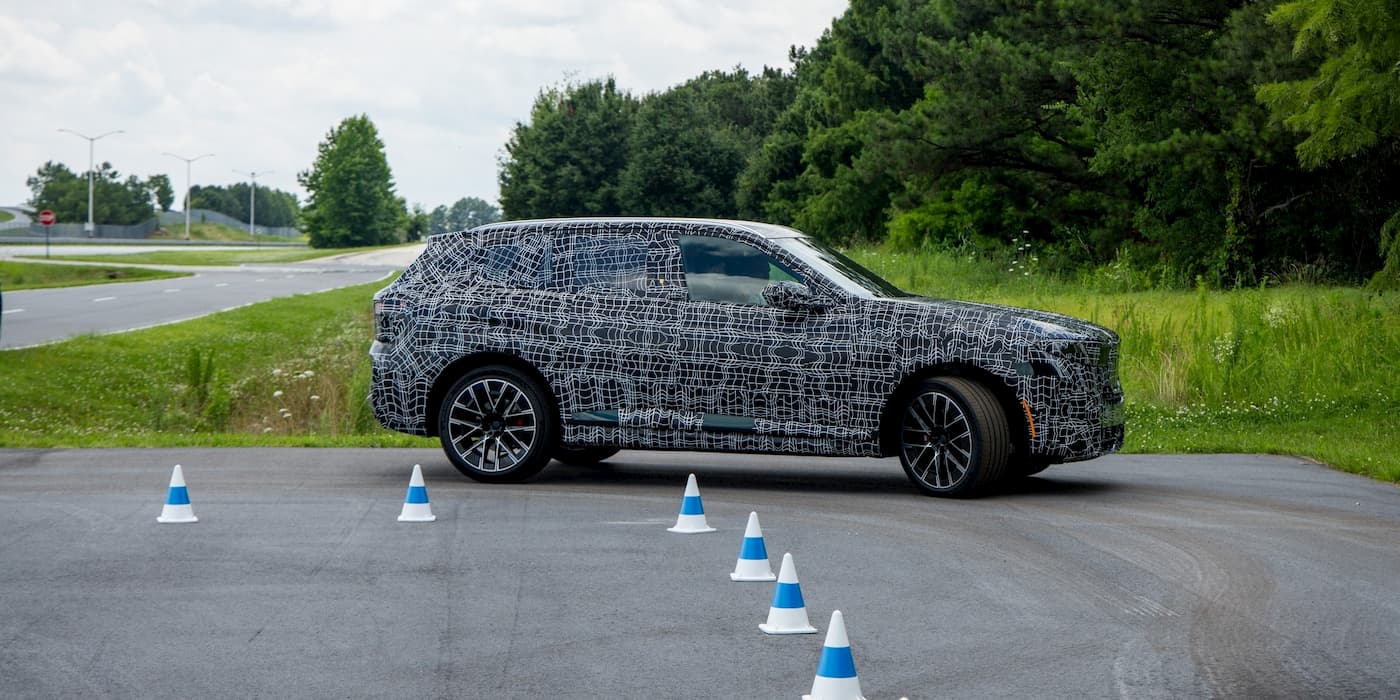
New BMW iX5 Electric SUV May Boast Range Over 500 Miles
The upcoming BMW iX5 electric vehicle boasts a massive 141 kWh battery, the largest in any BMW EV, with a potential range of over 800 kilometres on a single charge, utilizing BMW's sixth-generation (Gen6) eDrive system with an 800V architecture for fast electric vehicle charging.. The iX5 will deliver 578 hp (425 kW) with BMW's xDrive all-wheel drive, and is expected to have 30% faster charging speeds and a 30% increase in driving range compared to the current system, making it a top contender in the electric SUV market.. Canadian pricing for the 2027 BMW iX5 has not been announced, but it is expected to be around $75,000, with sales beginning in early 2027, and may be eligible for Canadian electric vehicle incentives, such as the iZEV incentive, which offers up to $5,000 in rebates for eligible EVs.
Jun 15, 2026
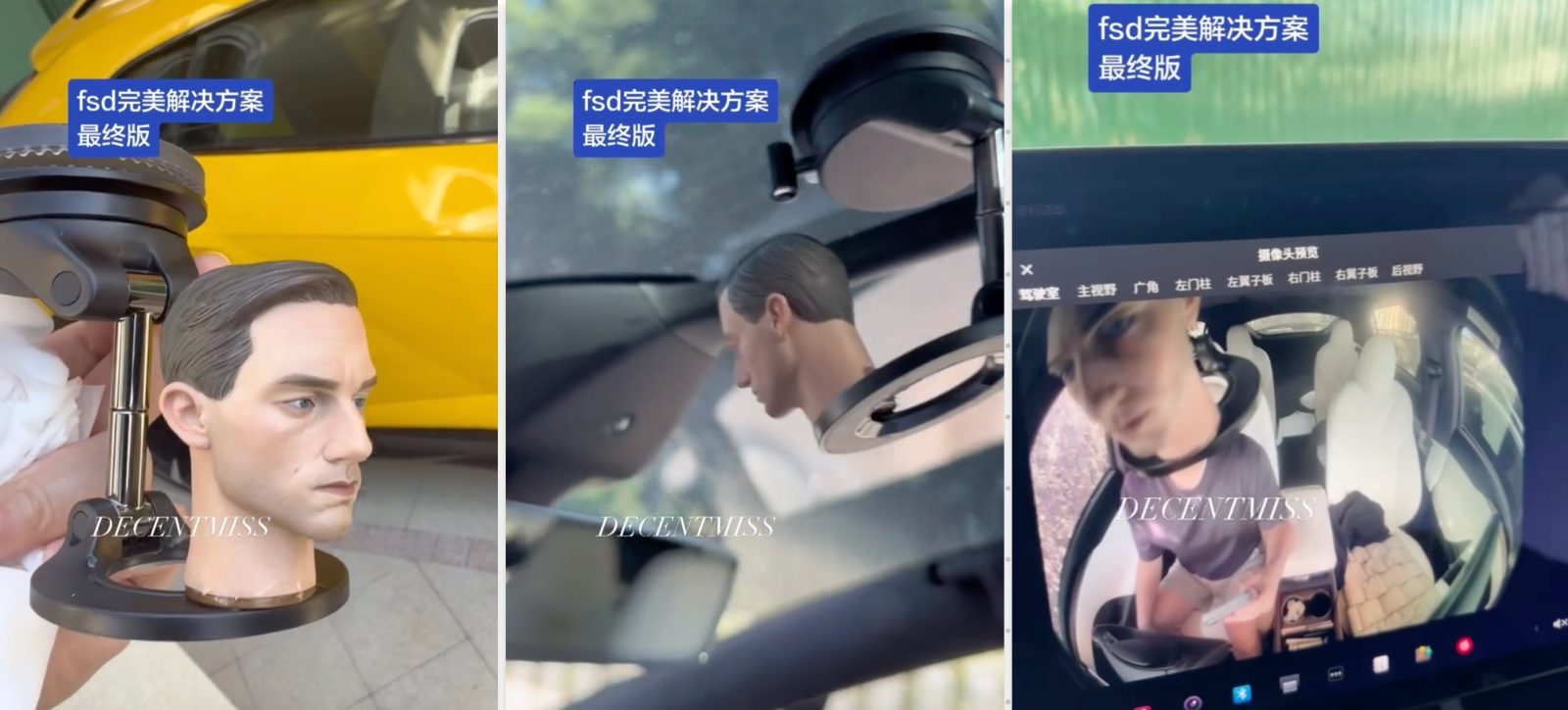
Tesla Self Driving System Fooled by Cheap Mannequin Heads
A concerning trend has emerged in China where Tesla drivers are using tiny plastic doll heads to trick the cabin camera into thinking they are paying attention while using Autopilot and "Full Self-Driving" features, highlighting a serious issue with Tesla's driver monitoring system in electric vehicles.. The plastic doll heads, marketed as "travel companions" and "dashboard decorations," can be purchased for as little as $20 to $50, and can satisfy the system's detection criteria, allowing drivers to operate their vehicle without paying attention to the road, posing a significant risk to road safety in Canada.. Canadian Tesla owners may be eligible for incentives such as the iZEV program, which offers a rebate of up to $5,000 for eligible electric vehicles, but the onus is on manufacturers like Tesla to ensure their vehicles are safe for Canadian roads, with a range of up to 320 kilometres for the Tesla Model 3.
Jun 15, 2026
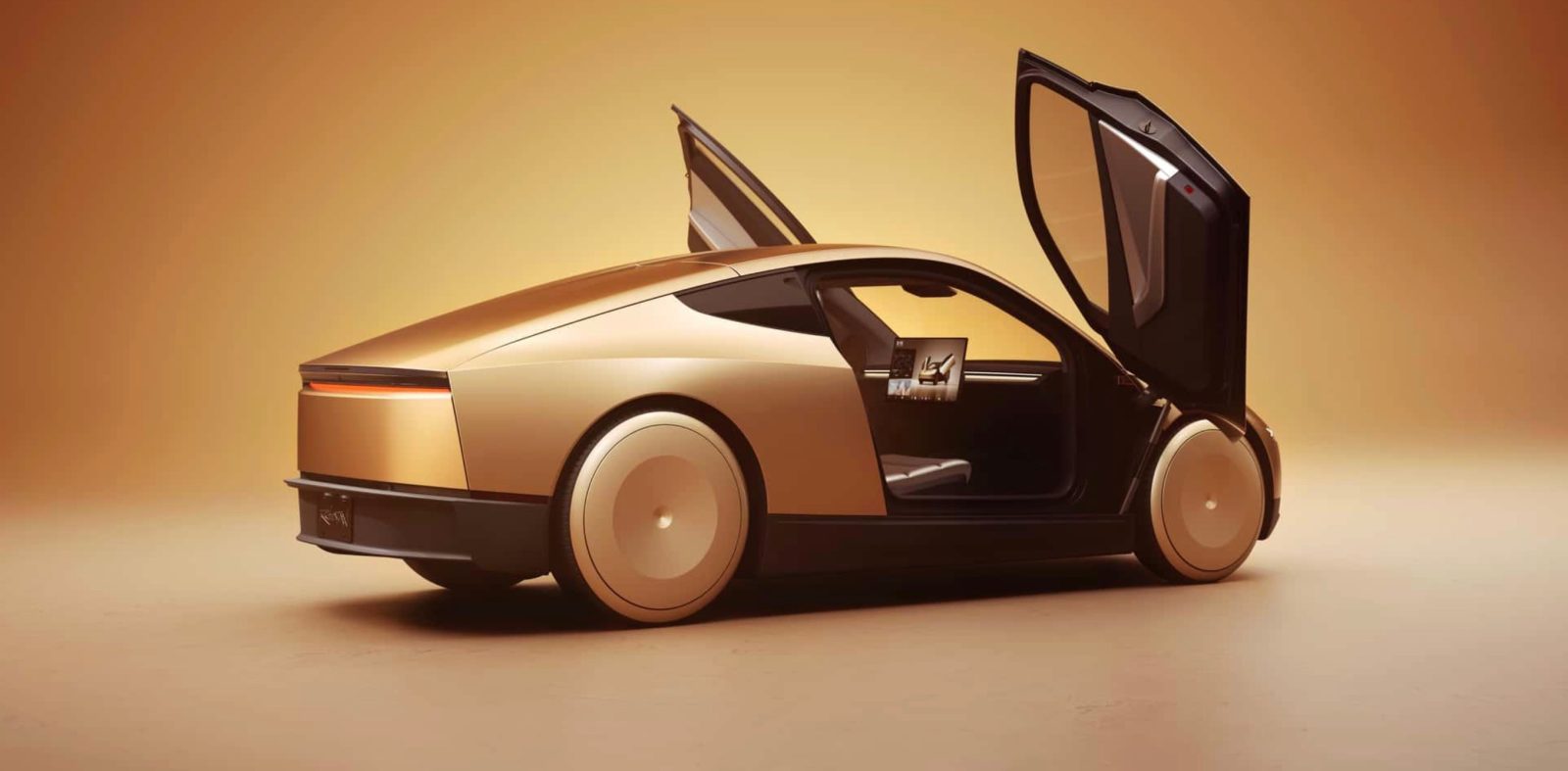
Tesla Cybercab Specifications Unveiled Weighing 3113 Pounds with 219 Horsepower and 48 Kilowatt Hour Battery
The Tesla Cybercab, an electric vehicle designed for ride-hailing services, features a 219 horsepower motor, 47.6 kWh battery pack, and an estimated adjusted range of approximately 293 miles, making it an efficient EV option.. With a curb weight of 3,113 pounds and a front-wheel-drive layout, the Cybercab is optimized for packaging and cost, eliminating the need for a rear subframe and driveshaft, and suitable for urban driving with its 163 kW AC permanent magnet motor.. The Cybercab is expected to qualify for the Canadian government's iZEV incentive program, offering rebates of up to $5,000, and will be available in the Canadian market in the future, with anticipated releases in major cities like Toronto and Vancouver once regulatory approval is obtained.