Jun 11, 2026
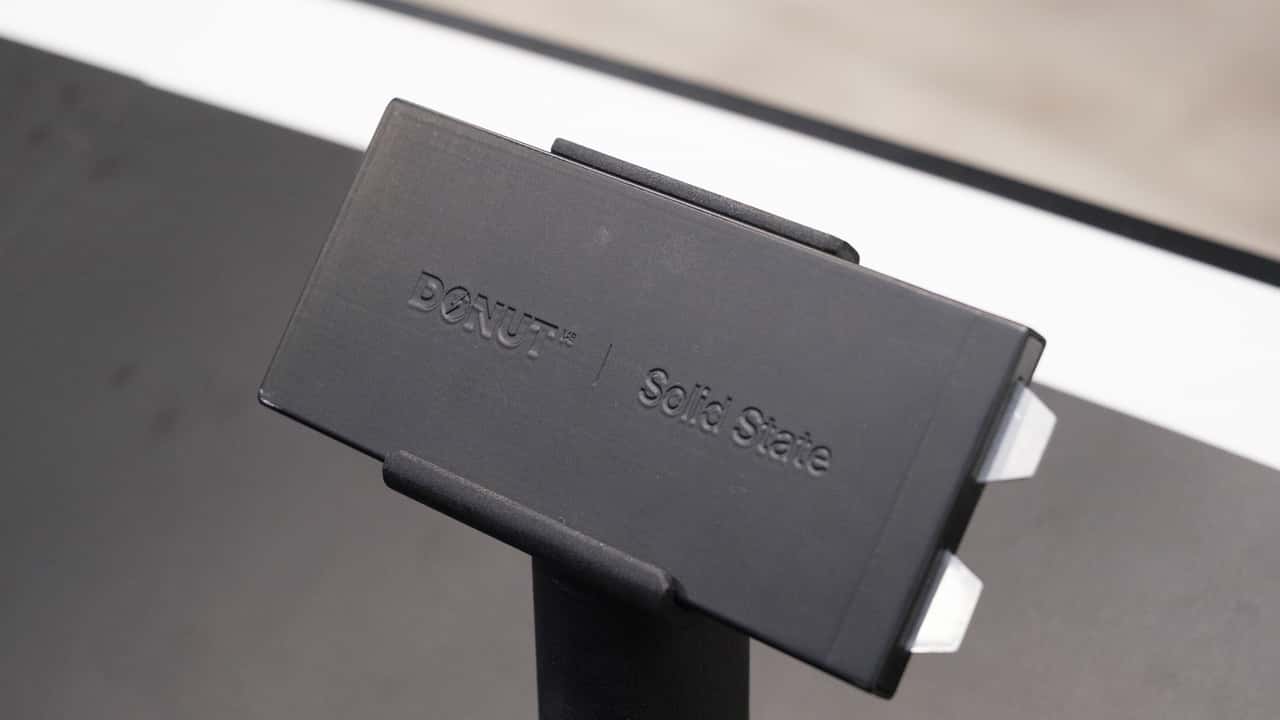
YouTuber Exposes Donut Lab Solid State Battery Claims Revealing Major Lithium Battery Discovery
An investigation by Ryan Hughes has debunked Finnish startup Donut Lab's claims of developing the world's first production-ready all-solid-state battery, revealing that the company may have been passing off high-end lithium-ion cells as solid-state batteries, with claimed specs including 400 watt-hours per kilogram of energy density and 100,000 cycles.. The news may impact Canadian electric vehicle (EV) enthusiasts, but major companies like Toyota and CATL are still working on developing true solid-state batteries, with significant R&D budgets and manufacturing experience, and current lithium-ion battery technology remains a viable option for Canadian EV buyers.. Canadian EV buyers can still take advantage of incentives like the iZEV program, which offers up to $5,000 in rebates for eligible EV purchases, and provincial rebates like British Columbia's SCRAP-IT program, with a range of EV models available in the market, including those with fast-charging capabilities and competitive prices.
Jun 10, 2026
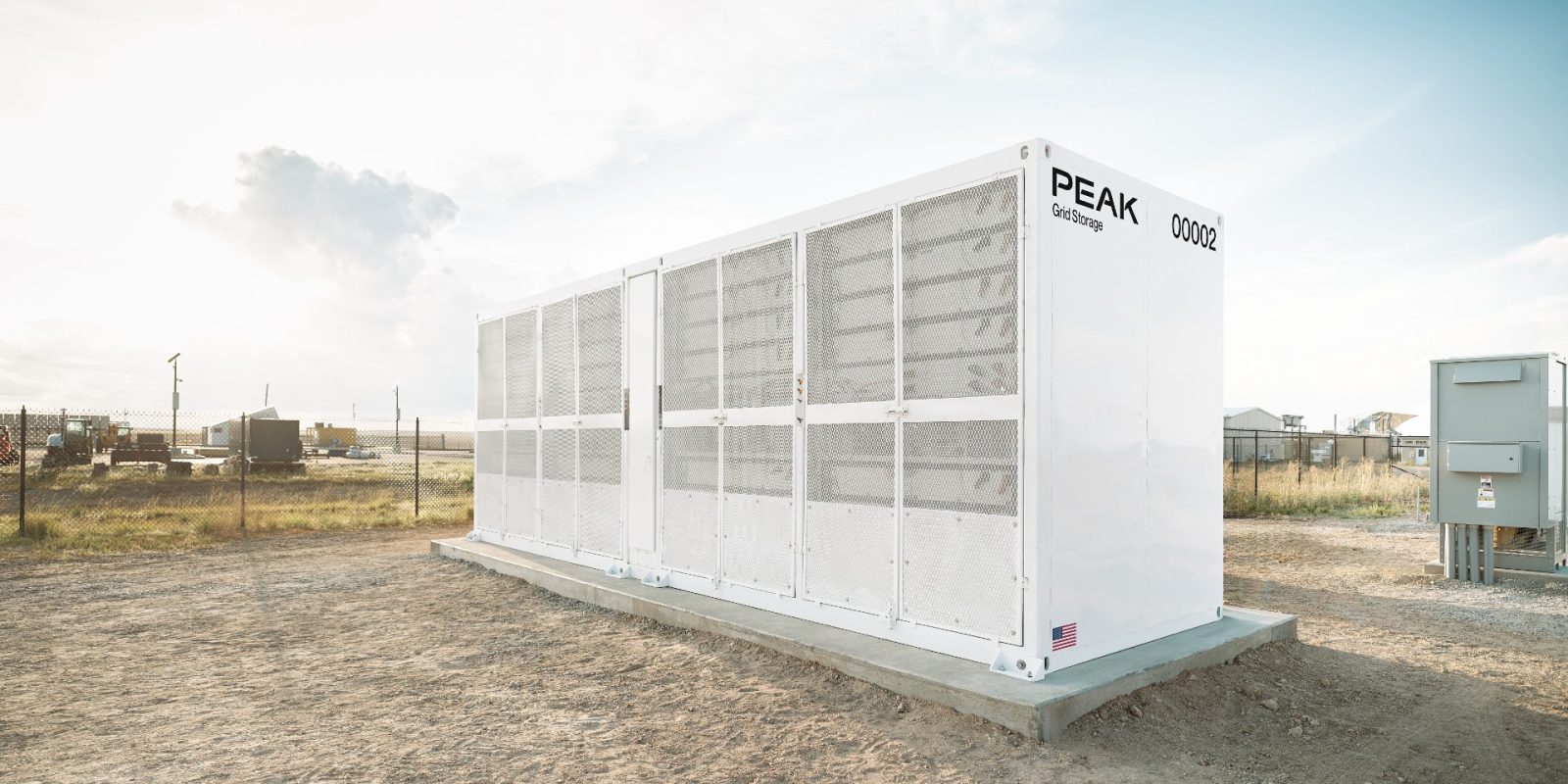
General Motors Invests in Lithium Free Battery Cell Technology
General Motors (GM) has partnered with Peak Energy to develop sodium-ion battery cells for grid-scale energy storage projects, targeting a rapidly growing market for renewable energy and energy storage solutions with potential benefits for Canadian utilities and energy providers.. Peak Energy's sodium-ion platform offers a lower-cost alternative to lithium-iron phosphate (LFP) batteries, with a passively cooled battery storage system that can reduce energy storage costs by 20% and deliver more than 99% uptime, making it suitable for Canada's cold climate.. The partnership may have implications for the Canadian electric vehicle (EV) market, including potential reduced costs and increased efficiency in energy storage systems, driving down costs and making EVs more affordable for Canadian consumers who can take advantage of incentives like the iZEV program and provincial rebates.

Jun 10, 2026
Mercedes GLC Electric Vehicle Range Not An Issue With Smaller Battery
Mercedes-Benz is expanding its GLC EV lineup in Canada with two new lower-powered variants, the GLC 250 and GLC 300, offering a more affordable option for Canadian electric vehicle consumers with a smaller 85 kWh battery pack.. The GLC 250 and GLC 300 feature impressive performance specs, including 354 hp and 421 hp, respectively, with a WLTP range rating of up to 650 km and 616 km, and a top speed of 210 km/h, making them eligible for Canadian EV incentives.. Canadian pricing for the new GLC EV variants is expected to be competitive, potentially starting at around $70,000-$80,000 CAD, with deliveries likely to start in the coming months, and may qualify for the iZEV incentive program and provincial rebates for electric vehicles.

Jun 10, 2026
Lucid Loses Top Engineer as New Chief Executive Officer Takes Charge
Lucid Motors, a California-based electric vehicle (EV) startup, has confirmed the departure of its top engineer, Emad Dlala, amid organizational transformation under new CEO Silvio Napoli's leadership.. The departure may impact production of upcoming models like the Cosmos and Earth, which are expected to be more affordable than existing models like the Gravity SUV and Air sedan, with the Cosmos potentially priced around $50,000 CAD in Canada.. The Cosmos is poised to compete with the Tesla Model Y in the Canadian market, with Lucid aiming to start production by the end of the year and expand its presence in Canada with competitive pricing and features for Canadian EV buyers.

Jun 10, 2026
Toyota Chairman Expresses Concern About Electric Vehicle Transition
Toyota Chairman Akio Toyoda has expressed concerns about the automotive industry's shift towards electric vehicles, sparking debate among Canadian EV enthusiasts who benefit from federal and provincial incentives like the iZEV program.. Toyota is lagging behind in EV technology, with its electric models lacking features and not yet available with competitive pricing in Canada, putting the company at risk of losing market share to other EV manufacturers like Tesla and Hyundai.. The Toyota bZ4X is expected to be available in Canada later this year, with an estimated range of up to 500 kilometres and a competitive price point, but the company's slow transition to EVs may impact its market share and commitment to reducing greenhouse gas emissions.

Jun 10, 2026
Tesla Cybertruck Owners Must Pay Extra 20,000 Dollars to Transfer Full Self Driving Feature
The Tesla Cybertruck's most affordable trim, priced at approximately $60,000 CAD, is now available in Canada, but customers who reserved the truck are facing issues transferring their existing Full Self-Driving (Supervised) feature, which was initially thought to be possible.. Tesla is offering two alternatives to customers: upgrading to a higher trim for an additional $20,000 CAD or paying $99 CAD per month for the FSD feature, which has led to significant backlash and cancellations among prospective buyers.. The controversy surrounding the FSD transfer may deter potential Canadian buyers of electric vehicles, particularly those relying on the iZEV incentives and provincial rebates, and could negatively impact Tesla's brand loyalty and market share in the Canadian EV industry.
Jun 10, 2026
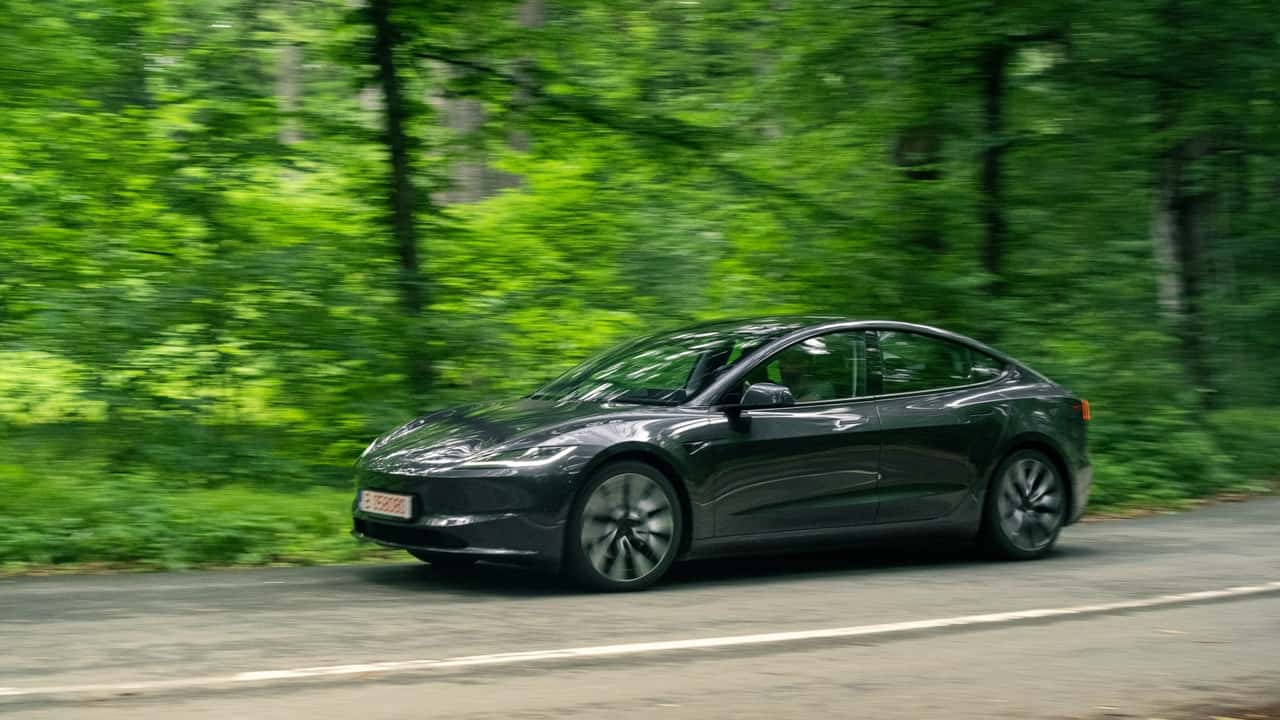
Tesla Model 3 Exceeds EPA Range Estimate by 30 Miles in Test Reaching 400 Miles
The Tesla Model 3 RWD has exceeded its EPA-estimated range, achieving 393 miles on a single charge and surpassing its claim by 30 miles or 8.3%, thanks to its better-than-advertised efficiency of 4.61 miles/kWh, making it a top choice for Canadian electric vehicle buyers.. In real-world testing, such as the Edmunds range test, the Tesla Model 3 demonstrates impressive range and efficiency, with a mix of 60% urban and 40% highway driving, providing Canadian drivers with a more accurate representation of its capabilities in their daily driving habits.. Canadian pricing for the Tesla Model 3 starts at around $44,990 for the base model, making it eligible for the iZEV incentive, which offers a rebate of up to $5,000, and additional provincial rebates, making it a competitive choice in the Canadian electric vehicle market with its impressive charging capabilities and range.

Jun 10, 2026
Chrysler Recalls Plug In Hybrid Minivan Due To Fire Risk Park Vehicles Outside
A recall has been issued for the Chrysler Pacifica plug-in hybrid minivan in Canada due to a potential issue with the high-voltage battery pack that may cause fires, affecting 17,277 vehicles built between August 5, 2020, and May 2, 2022.. The recall will involve the installation of revised battery monitoring software and replacement of the battery pack if necessary, free of charge, with the warranty of all affected vehicles extended to cover unlimited mileage and unlimited years.. Canadian owners of the affected vehicles can visit their local Chrysler dealership for more information on the recall and repair process, and may be eligible for reimbursement under the iZEV program, with some provinces offering additional rebates for the recall repairs.

Jun 10, 2026
BMW iX3 Electric Vehicle Sales Exceed 10000 Units
The BMW iX3 has achieved significant sales success in Europe, becoming the best-selling electric model in its class with 10,299 deliveries in April and rising to seventh place among top-selling premium mid-size SUVs.. The BMW iX3 boasts impressive specs, including a range of up to 434 miles, 463 horsepower, and fast charging capabilities with a maximum power of 400 kilowatts, making it an attractive electric vehicle option for Canadian buyers.. In Canada, the iX3 will be eligible for the iZEV incentive, offering up to $5,000 in rebates, and additional provincial rebates, with pricing expected to be competitive with the US starting price of $62,850, as it competes with other electric luxury SUVs like the Tesla Model Y.
Jun 9, 2026
Vancouver Port Electrification Project Tracks Container Truck Fleet Data
A pilot project at the Port of Vancouver is testing electric truck fleet electrification, funded by provincial and federal governments, to collect data on the feasibility of transitioning to electric vehicles (EVs) and reducing emissions in the transportation sector.. The project's success could inform future policies and programmes, such as the iZEV incentive, which offers rebates for businesses and individuals purchasing electric vehicles, including those with a range of over 500 kilometres.. The potential for widespread adoption of electric trucks in Canada is significant, with the Port of Vancouver project serving as a model for other provinces to invest in their own electric truck pilots and accelerate Canada's transition to a more sustainable transportation system with competitive Canadian pricing for electric vehicles.
Jun 3, 2026
Moment Energy Opens Electric Vehicle Battery Repurposing Megafactory in British Columbia
A new EV battery repurposing megafactory operated by Moment Energy is set to open in British Columbia by the end of June, with a capacity to produce up to 1 gigawatt-hour (GWh) of power storage units annually, supporting Canada's renewable energy sector and electric vehicle (EV) industry.. The facility is expected to generate over 100 new jobs and contribute to a more sustainable and circular economy by reducing waste and the environmental impact associated with battery disposal, aligning with Canada's efforts to reduce greenhouse gas emissions.. The megafactory's production capacity will help meet the growing demand for power storage solutions in the Canadian EV market, potentially powering Canadian homes and businesses for hundreds of thousands of kilometre-worthy EV charging cycles, with the federal government's iZEV program and provincial rebates promoting the adoption of electric vehicles.
Jun 2, 2026
Canadian Hotel Chain Expands Electric Vehicle Charging Stations to 70 Locations with 300 New Ports
InnVest, a Canadian hotel operator, is expanding the country's electric vehicle (EV) charging infrastructure by installing 300 new charging ports across 70 locations nationwide, enhancing the overall EV driving experience and reducing range anxiety.. The expansion of charging infrastructure is expected to encourage more Canadians to purchase an electric vehicle, taking advantage of the Canadian government's iZEV incentives and provincial rebates, making EV ownership more competitive and promoting sustainable transportation.. The new charging ports will support Canada's EV adoption goals, contributing to the growth of the country's EV market and the transition to a low-carbon transportation sector, with the charging network enabling Canadian EV drivers to travel hundreds of kilometres without worrying about finding their next charge.