May 29, 2026
Rising Gas Prices and Incentives Fuel Growing Interest in Electric Vehicles
Range anxiety, charging infrastructure, and winter performance have become the primary barriers to electric vehicle (EV) adoption in Canada, surpassing price as the main concerns for prospective buyers.. The Canadian government's iZEV incentives, offering a rebate of up to $5,000 for eligible EV purchases, have helped make electric vehicles more affordable and driven interest in EVs across the country.. Despite emerging barriers, the Canadian EV market continues to grow, with manufacturers introducing new models featuring improved range, performance, and winter driving capabilities to meet the unique needs of Canadian electric vehicle drivers.
May 28, 2026
I-CAR Electric Vehicle Safety Training for Collision Repair High Voltage Systems
Vehicle manufacturers in Canada are supporting a standardized electric vehicle (EV) training course for auto technicians, focusing on high-voltage safety and specialized electrical skills to handle EV maintenance and repairs.. The I-CAR EV training course aims to equip Canadian technicians with the knowledge and expertise necessary to work safely and efficiently on high-voltage EV systems, addressing the growing demand for skilled technicians in the Canadian EV market.. By backing this training initiative, vehicle manufacturers are helping to ensure that Canadian technicians can provide a high level of service and safety for EV owners, supporting the growth of the Canadian electric vehicle market and the adoption of EVs across the country.
May 26, 2026
Ontario Considers Electrifying Highway 401 for Commercial Trucking
Electrifying Highway 401, Canada's busiest freight corridor, is crucial for the country's commercial trucking industry, as it can protect the supply chain from fuel price fluctuations and save billions of dollars in the long run by promoting the adoption of electric vehicles (EVs) and medium- and heavy-duty electric vehicles (MHDVs).. Installing electric charging stations along Highway 401 can encourage the adoption of electric vehicles among commercial fleets, reducing greenhouse gas emissions and operating costs, with incentives like the Canadian government's iZEV program and provincial rebates making the transition to EVs more financially viable.. The electrification of Highway 401 is expected to have a positive impact on the Canadian economy, creating jobs, stimulating innovation, and attracting investment in the clean tech sector, while also helping Canada meet its climate change targets by reducing emissions from commercial trucking and promoting the growth of electric vehicle innovation.
May 26, 2026
Electric Vehicle Fleets Get Open Charging Reservation Platform from ChargeHub and AXSO Partnership
A new project in Canada aims to enhance electric vehicle charging efficiency by reducing downtime and providing logistical certainty for EV owners and charging operators, supported by federal incentives like the iZEV program.. ChargeHub and AXSO are collaborating to develop an open charging reservation platform for electric fleets, allowing them to reserve charging spots in advance and minimize wait times, particularly beneficial in urban centres like Toronto or Vancouver.. The platform's development could have a significant impact on Canadian electric vehicle owners, providing greater convenience and reduced anxiety about finding available charging stations, and supporting the country's goal to reach net-zero emissions by 2050.

May 20, 2026
Honda Suspends 15 Billion Dollar Electric Vehicle Expansion at Ontario Plant Indefinitely
Honda has suspended its $15-billion electric vehicle (EV) expansion plans at its Ontario plant due to significant financial losses, including a $3.68 billion loss, which may impact the Canadian EV market and Honda's competitiveness.. The suspension may affect the availability of Honda's electric vehicles in Canada, with potential delays or limited options for Canadian consumers, as well as the eligibility of Honda's EV models for the Canadian government's iZEV incentive program.. Canadian pricing and availability of Honda's EV models are expected to be impacted, with limited colour options and trim levels, longer wait times for deliveries, and potentially reduced competitiveness in the Canadian EV market where other manufacturers are expanding their offerings.
May 15, 2026
US Government Unveils National Electricity Plan
The federal government has unveiled a National Electricity Strategy aiming to double grid capacity by 2050, supporting the growth of electric vehicles (EVs) and renewable energy in Canada with potential benefits valued up to $15 billion.. The strategy is expected to boost EV adoption in Canada, with ongoing support from the iZEV program offering incentives of up to $5,000 for eligible EV purchases, and improved charging infrastructure for easier EV ownership.. The expanded grid capacity will accommodate increased electricity demand, making Canadian pricing for EVs more competitive, and creating new opportunities for businesses and workers in the clean energy sector, driving a cleaner energy future for Canada.
Apr 15, 2026
Gasoline Price Increase Summer 2026: Why Gas Prices Are Rising Again Despite Fuel Tax Pause
Canadian gas prices are rising by about 10 cents per litre due to summer fuel blends, offsetting recent federal fuel tax cuts.. Federal and provincial EV incentives—like Ontario’s $1,000 and B.C.’s $3,000 rebates—make switching to EVs more affordable.. Summer fuel blends cost about 10 cents more per litre because they remove butane to reduce pollution and smog.. Experts predict high gas prices will remain above $1.75 per litre throughout much of the summer.. Electric vehicles offer long-term savings, stability, and environmental benefits as an alternative to volatile fuel prices.

Apr 14, 2026
Mercedes-Benz Introduces New EQS Electric Car 926 km Range 800V Fast Charging Steer-by-Wire System
Mercedes-Benz has heavily upgraded its EQS electric sedan, achieving a WLTP range of up to 926 km – a 13% improvement over its predecessor, making it a leading luxury EV option in Canada’s growing electric vehicle market. The new EQS features an advanced 800-volt architecture, enabling up to 350 kW DC fast charging, allowing the vehicle to gain approximately 320 km of range in just 10 minutes, ideal for Canadian highway trips. Mercedes has introduced a new entry-level EQS 400 variant with 270 kW output and a 112 kWh battery, positioned competitively against rivals like the BMW i7, with Canadian pricing pending but expected to benefit from substantial iZEV incentives and provincial rebates in Ontario, British Columbia, and Quebec.

Apr 14, 2026
Nissan Juke Electric Model Debuts as Bold New Design
Nissan announces an electric Juke set to launch in Europe in 2027, featuring a distinctive design inspired by the 2024 Hyper Punk concept and expected to offer up to 386 miles of range.. The electric Juke will be produced at Nissan’s UK Sunderland factory using the Renault-Nissan CMF-EV platform, likely sharing battery options and a single-motor, front-wheel-drive system with the Leaf.. Despite initial plans for the electric Juke to replace the combustion engine model, Nissan will offer both to cater to different customer preferences in the uncertain EV market.. The electric Juke will not be available in Canada, but Canadian EV enthusiasts can look forward to other models like the Leaf, which qualifies for federal and provincial incentives, and upcoming hybrids like the 2027 Nissan Rogue E-Power.

Apr 14, 2026
2027 Nissan Rogue E-Power Unveiled: Nissan’s Stylish Response to Toyota RAV4 Hybrid
Nissan is set to launch the 2027 Rogue Hybrid E-Power in Canada, marking the automaker’s first conventional hybrid offering in the market and providing a new option for eco-conscious drivers.. The Rogue Hybrid E-Power features Nissan's innovative E-Power series-hybrid system, where a gasoline engine solely charges a battery that powers electric motors, delivering EV-like performance with expected fuel economy ratings exceeding 40 mpg.. Canadian buyers can benefit from provincial incentives and rebates such as iZEV programs in Ontario, British Columbia, and Quebec, though specific pricing has not yet been released, analysts predict it will be competitively priced.. Early reviews of the E-Power system from the Japan market indicate a seamless, responsive driving experience with instant torque and smooth acceleration, appealing to EV enthusiasts.
Apr 13, 2026
Western Media Struggles with Royal Enfield Electric Motorcycle Launch Coverage
Royal Enfield's Flying Flea C6 electric motorcycle, launched in India for approximately US $3,000, is positioned as a premium urban EV despite its seemingly low price due to higher costs of comparable bikes in the Indian market. The bike is expected to be priced significantly higher in Canada due to import costs, taxes, and dealer margins, likely positioning it as a stylish urban electric motorcycle above the $3,000 mark. Canadian buyers can benefit from substantial incentives including up to $4,000 through the federal iZEV program and provincial rebates ranging from $1,400 to $5,000 depending on the province, potentially offsetting the higher retail price.
Apr 13, 2026
Tesla Spring Update 2026 Introduces Hey Grok and New Self-Driving App Plus More Features
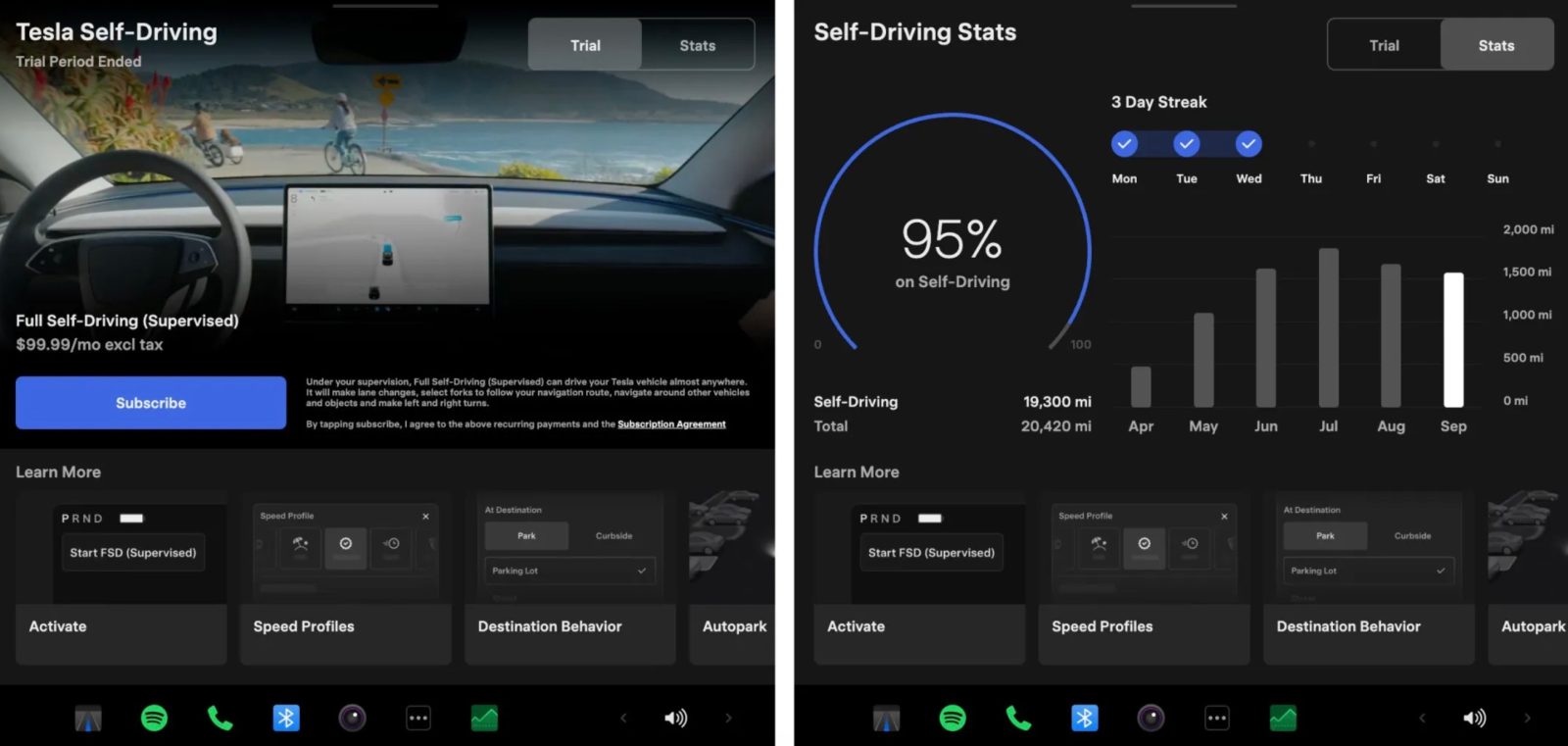
Tesla's Spring Update 2026 introduces over a dozen new features for Canadian drivers, including a redesigned Self-Driving app with a $99.99/month subscription for Full Self-Driving (Supervised) on AI4 (HW4) vehicles.. Enhanced Grok voice assistant allows hands-free activation with “Hey Grok” and can set location-based reminders, though it still lacks control over core functions like climate and media.. Expanded Pet Mode now includes three animated characters, including a “Cyberhog” with pixel sunglasses and a Hawaiian shirt, customizable with the pet’s name.. New safety features include a visual safety layer for blind spot monitoring, with accent lights glowing red when a turn signal is active and a vehicle or object is detected.. Canadian owners can benefit from provincial rebates and the iZEV incentive program, reducing the overall cost of purchasing a Tesla.