Jun 18, 2026
Kenvue and Fuel Transport Successfully Pilot Electric Trucking Project Emphasizing Importance of Planning
A two-year pilot project in Canada involving a Class 8 electric truck has shown promising results, including significant fuel savings, demonstrating the potential of electric vehicle (EV) technology in the trucking industry and the importance of planning in EV trucking operations.. The project has provided key insights into the performance of electric Class 8 trucks in Canadian conditions, including routing, charging strategies, and winter performance, which will guide the development of EV-friendly infrastructure and leverage provincial rebates and incentives.. The success of the pilot project has significant implications for the future of electric trucking in Canada, with the economic case for EV trucking becoming increasingly compelling due to competitive Canadian pricing, fuel savings, and iZEV incentives, making electric trucks a viable option for companies transitioning their fleets to electric vehicles.
Jun 18, 2026
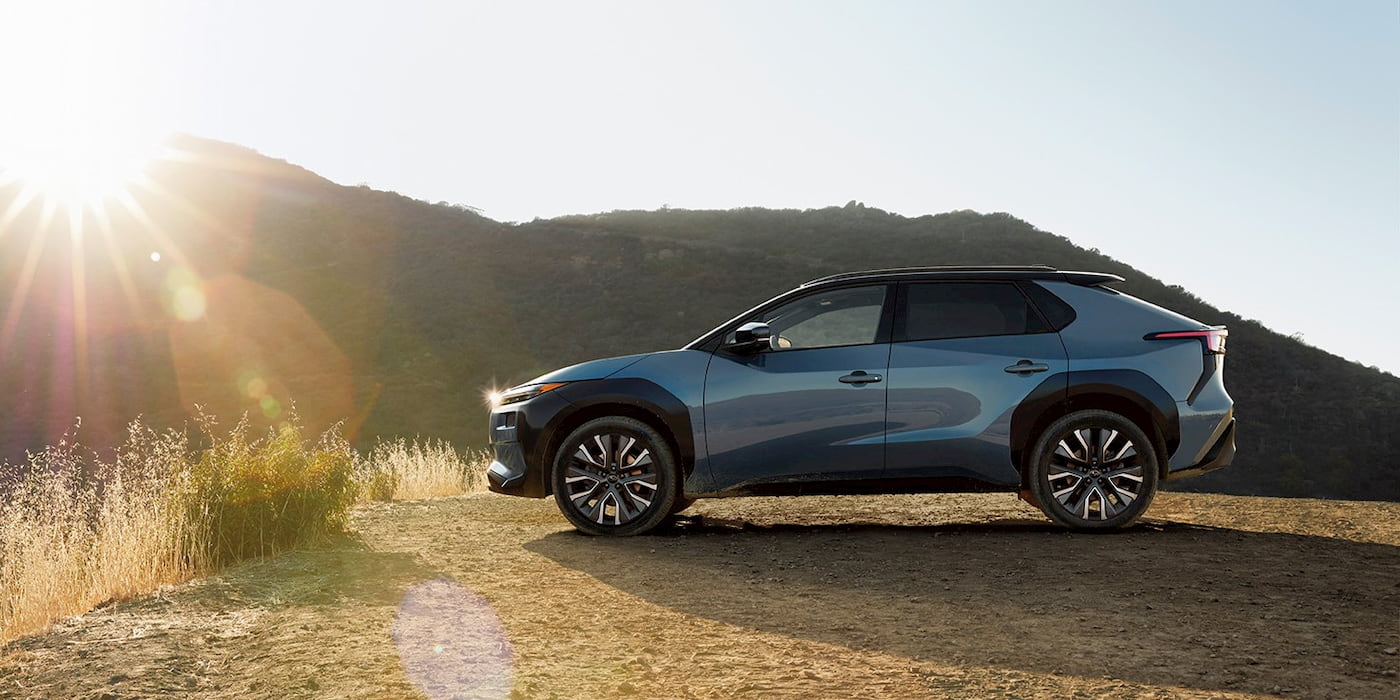
Subaru Solterra Electric Vehicle Pricing Starts Under 40000 Dollars for 2027 Model Year
The 2027 Subaru Solterra electric vehicle (EV) is arriving in Canada this fall with unchanged pricing, starting at $38,495, making it an attractive option for Canadians looking to take advantage of iZEV incentives and provincial rebates.. The Solterra offers a range of trims, including Premium, Limited, Limited XT, and Touring XT, with the XT models delivering 338 hp and 323 lb-ft of torque, and an estimated electric driving range of up to 460 kilometres thanks to its 74.7 kWh lithium-ion battery.. The 2027 Subaru Solterra features fast charging capabilities, going from 10% to 80% in about 30 minutes, and comes with a range of standard features, including a 14″ touchscreen infotainment system and Subaru's EyeSight driver-assist tech, with the top-of-the-line Touring XT trim starting at $45,855.
Jun 18, 2026
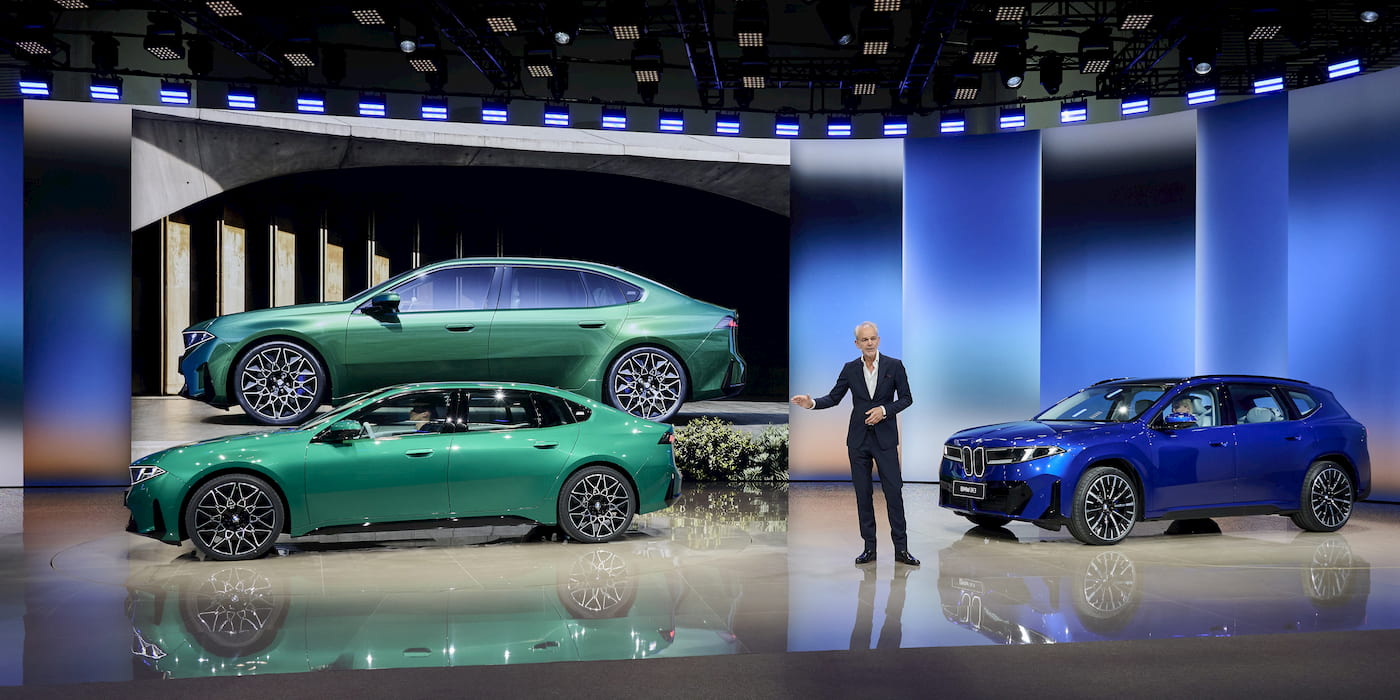
BMW i3 Orders Open Early Due to High Demand
The new BMW i3 electric sedan is now available for order in Germany ahead of schedule due to strong demand, with the base model starting at €65,900 ($75,500 CAD) and the "First Edition" model starting at €75,340 ($86,400 CAD).. The BMW i3 features a 108.7 kWh battery, providing a WLTP range of up to 566 miles (912 km), and can regain nearly 250 miles (440 km) of range in about 10 minutes at DC fast-charging speeds up to 400 kW, making it suitable for long-distance electric vehicle travel.. Canadian pricing for the BMW i3 has not been officially announced, but it is expected to start around $50,000 to $55,000 CAD, making it eligible for the iZEV incentive and potentially other provincial electric vehicle rebates, with availability expected later this year.
Jun 18, 2026
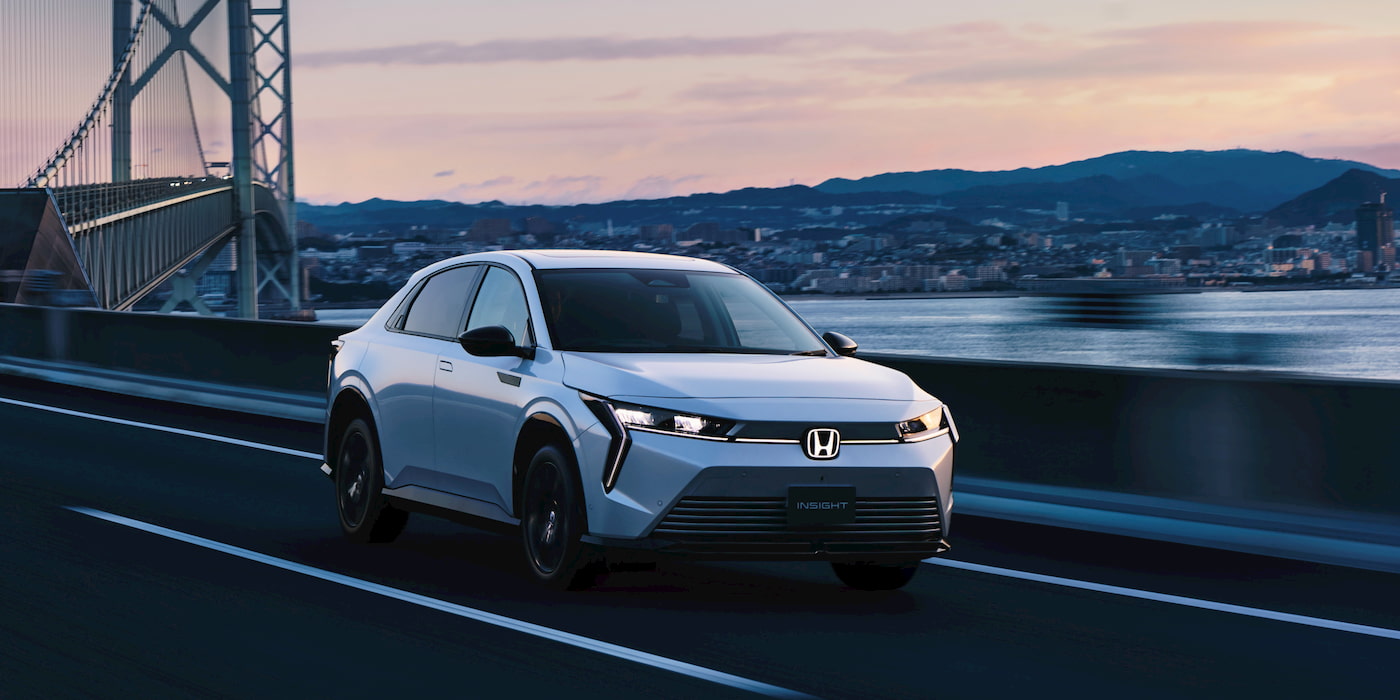
Honda Partners with QuantumScape to Develop Solid State Batteries
Honda and QuantumScape have partnered to develop and commercialize solid-state batteries for electric vehicles (EVs) in Canada and globally, aiming to improve energy density, fast charging, safety, and lifecycle.. The solid-state batteries have demonstrated a high energy density of 844 Wh/L and fast charging capability from 10% to 80% in 12.2 minutes, offering a range of over 500 kilometres on a single charge and potential to accelerate Canadian EV adoption.. The partnership may have a significant impact on the Canadian EV market, with potential to enhance the performance and range of EVs, although Canadian pricing and availability of these solid-state battery-powered EVs have not been announced yet.
Jun 18, 2026
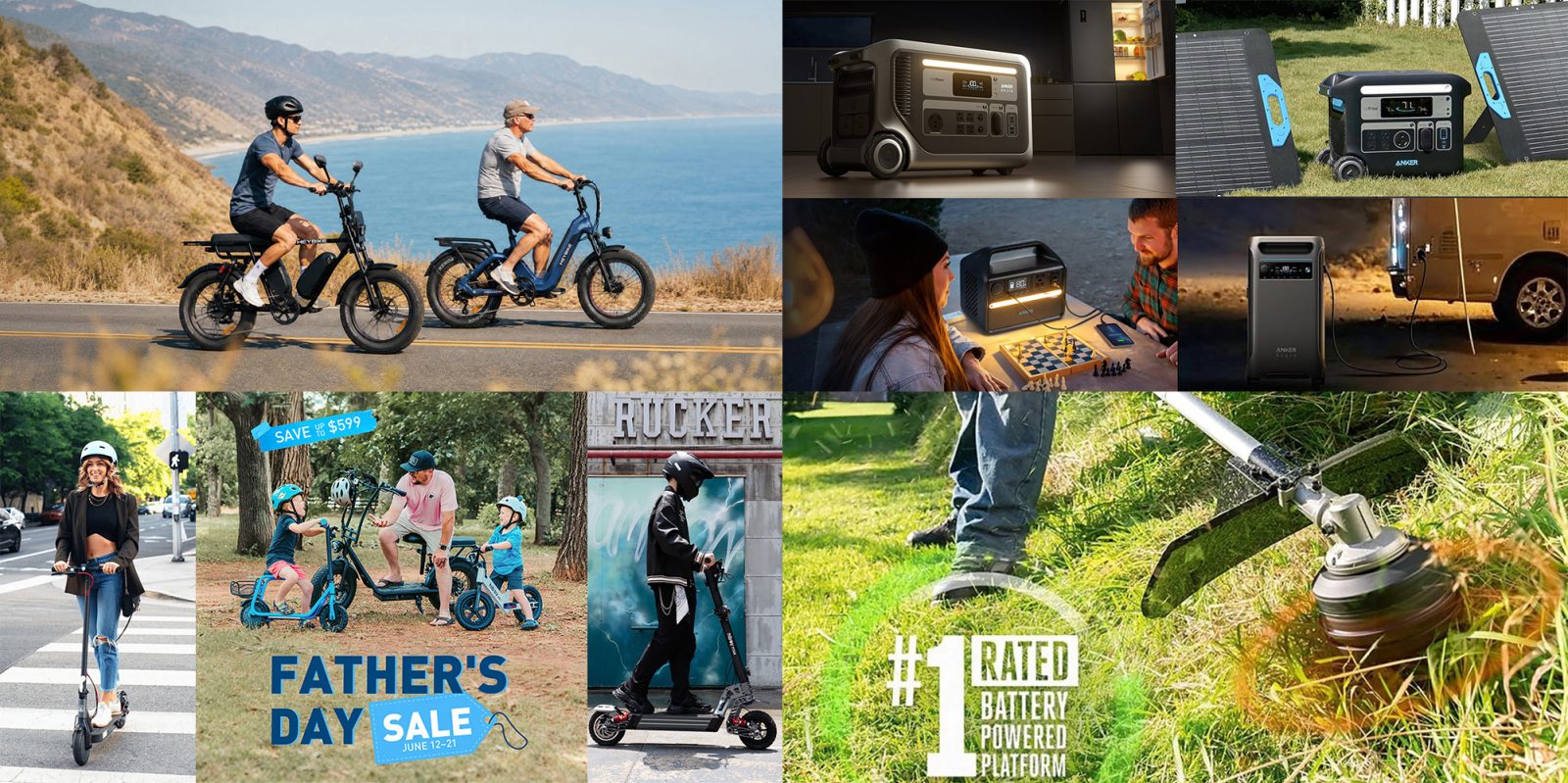
Electric Bike and Power Station Deals Up to 1000 Dollars Off
Canadian shoppers can save up to $1,000 on electric bikes, including the Hero Carbon Fiber All-Terrain e-bike, now priced at $1,899, and may be eligible for the iZEV incentive offering a rebate of up to $5,000 on eligible electric vehicles.. Anker SOLIX is offering a 24-hour flash sale on its 7,680Wh F3800 Portable Power Station, available for $3,133.10 with a free protective cover, beating Amazon's pricing by $366 and providing a $365 markdown, which can be used to charge electric vehicles and power homes and devices.. Canadians can also take advantage of discounts on electric scooters, such as the Hiboy U2 Pro Fat Tire Cargo Electric Scooter, now available for $900 with up to 60% off, and access exclusive deals on electric vehicles through Electrek's best EV buying and leasing deals, with additional rebates available in provinces like Quebec and Ontario.

Jun 18, 2026
Sweden Urges EU to Block Tesla Full Self Driving Unless Speeding Feature is Removed
The Swedish Transport Administration has recommended against approving Tesla's Full Self-Driving technology in the EU, citing concerns over the "Speed Offset" feature that allows vehicles to exceed posted speed limits, which may impact Canadian availability of the feature in electric vehicles.. The decision could delay or alter Tesla's plans to introduce Full Self-Driving technology in Canada, where pricing and iZEV incentives for vehicles with this feature are currently unclear, affecting the adoption of electric vehicles with advanced driver-assistance systems.. The Canadian government's focus on reducing greenhouse gas emissions and promoting electric vehicle adoption may be impacted by the need for Tesla to address concerns over speeding and safety, potentially affecting provincial rebates and regulations for EVs with Full Self-Driving capabilities.
Jun 18, 2026
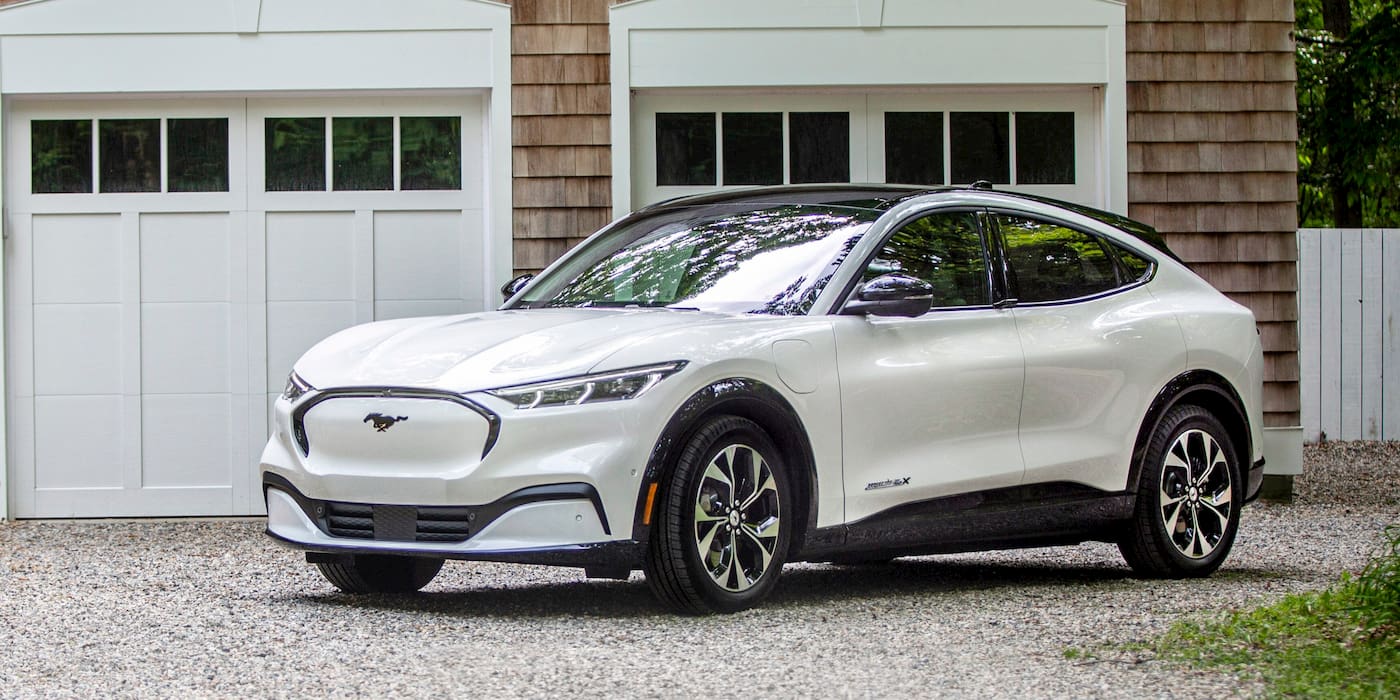
Ford Mustang Mach-e Faces Competition from Cheaper Electric Vehicles
Ford is set to launch a new generation of affordable electric vehicles (EVs) in 2027, including a midsize pickup truck with a starting price of around $30,000 USD, which could make EVs more accessible to Canadian buyers.. The new Universal EV (UEV) platform will utilize lower-cost lithium-iron-phosphate (LFP) batteries, reducing production costs and potentially leading to more competitive pricing for Canadian buyers, making Ford's EVs eligible for the Canadian government's iZEV incentives of up to $5,000.. The upcoming Ford EV lineup is expected to be competitively priced in the Canadian market, with the potential to disrupt the market and increase adoption of electric vehicles in Canada, particularly with additional provincial rebates available in British Columbia and Quebec.
Jun 18, 2026
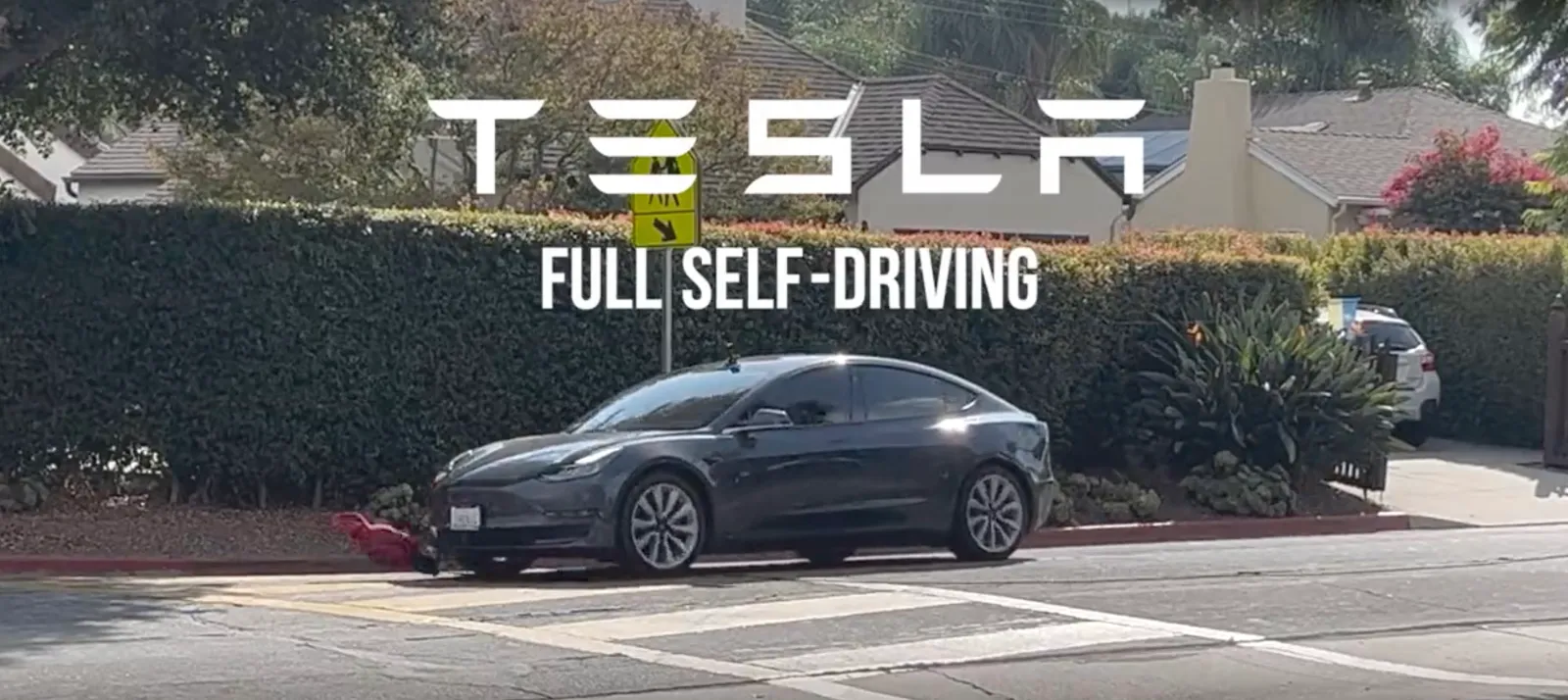
Tesla Unveils New Full Self Driving Features But Falls Short of Autonomous Vehicle Promise
Tesla's Full Self-Driving (FSD) system is set to receive updates that enable it to remember users' parking preferences and navigate to frequently visited locations, reducing the need for driver intervention in Canadian cities like Toronto and Vancouver.. The FSD system will also feature voice control through Grok, allowing users to issue natural-language voice commands, with this feature expected to arrive in Canada within three months and potentially reducing driver fatigue on long road trips.. Canadian Tesla owners can expect to pay over $10,000 for the FSD feature, with some eligible for the Canadian government's iZEV incentive program offering a rebate of up to $5,000 for eligible electric vehicles, highlighting the ongoing development of autonomous driving technology in the Canadian EV market.
Jun 18, 2026
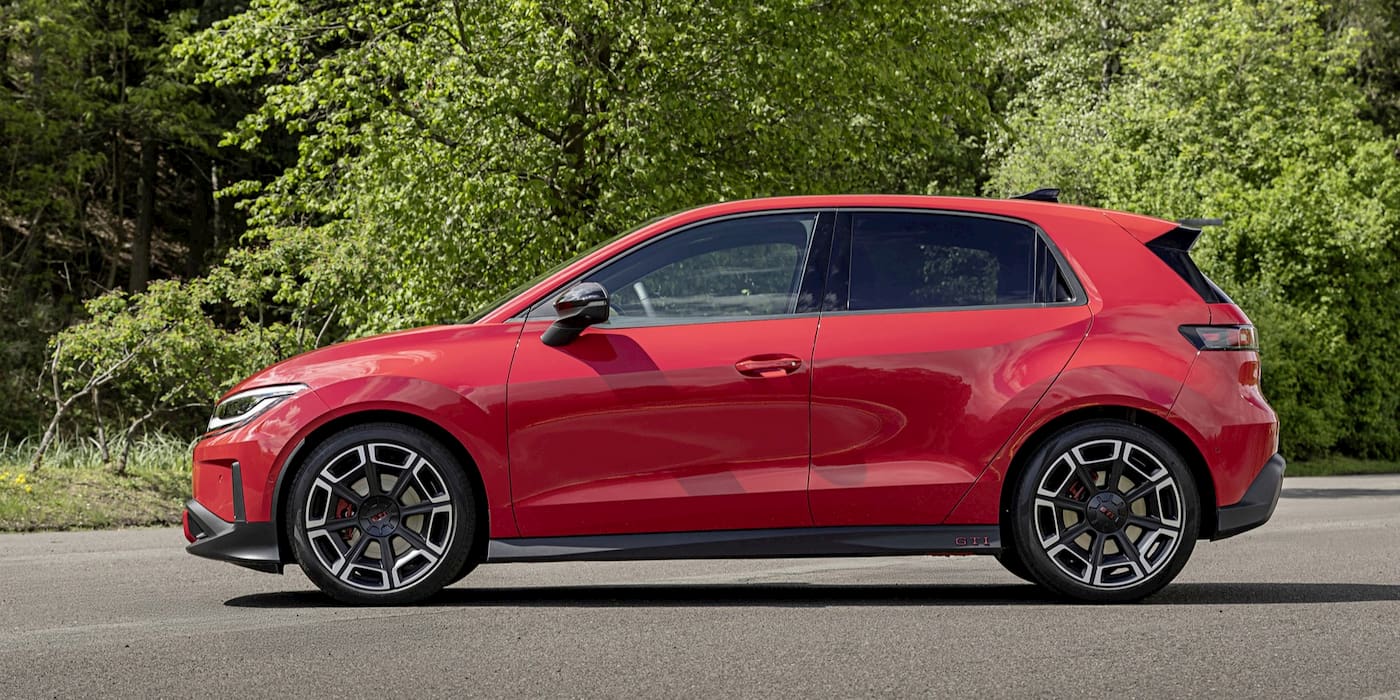
Volkswagen Electric Hot Hatch Spotted for First Time Not ID Polo GTI
The Volkswagen ID.3 Neo GTI, a hot hatch variant of the ID.3 Neo electric vehicle, has been spotted testing in Germany ahead of its Canadian launch, featuring a sleek design with modified front and rear bumpers and performance brakes.. The ID.3 Neo GTI is expected to deliver 240 kW (322 hp) of power, significantly more than the ID. Polo GTI, with an estimated driving range of up to 600 km (373 miles) on a single charge, making it a competitive option in the Canadian electric vehicle market.. The ID.3 Neo GTI will be eligible for the Canadian government's iZEV incentive program, offering up to $5,000 in rebates, with additional provincial rebates available, and is expected to launch in Canada by the end of the year at Volkswagen dealerships.
Jun 18, 2026
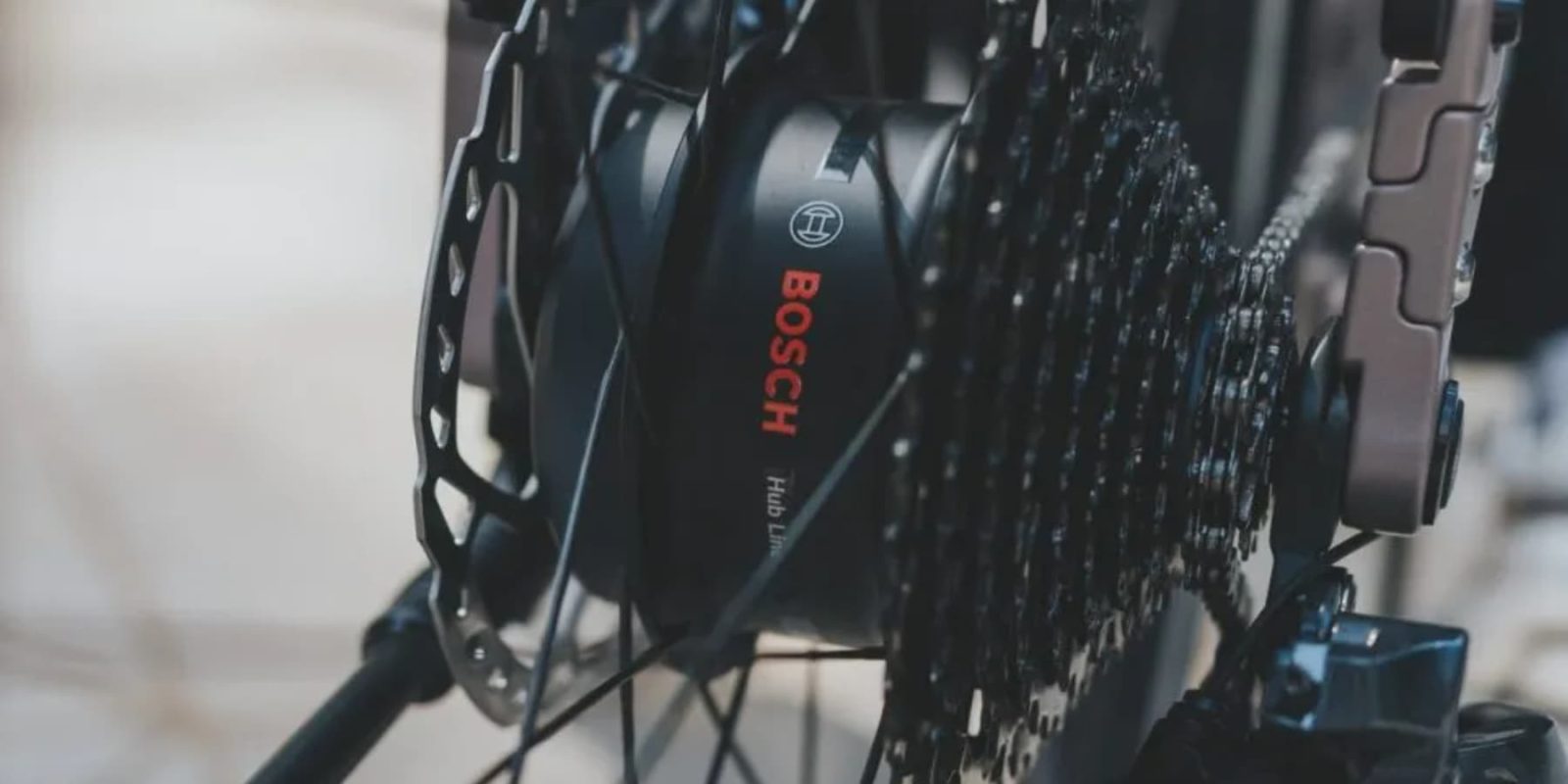
Bosch launches first e bike hub motor for electric bicycles
Bosch has launched its first hub motor for urban e-bikes, called the Hub Line, offering a lightweight and connected platform with 45 Nm of torque and a weight of just 2.3 kg, ideal for Canadian commuters and city riders using electric vehicles.. The Hub Line motor is designed to work with electronic shifting systems and Bosch's PowerTube 360 battery, providing up to 80 km of pedal-assist range and making it suitable for daily commutes in Canadian cities like Toronto, Vancouver, or Montreal with electric bike technology.. The new drive system includes connected features like GPS, cellular connectivity, and an audible alarm for anti-theft protection, integrating with Bosch's Flow+ subscription service and broader Smart System ecosystem for enhanced electric bike security and Canadian e-bike market growth.
Jun 18, 2026
Stellantis Hires Former Tesla Quality Chief
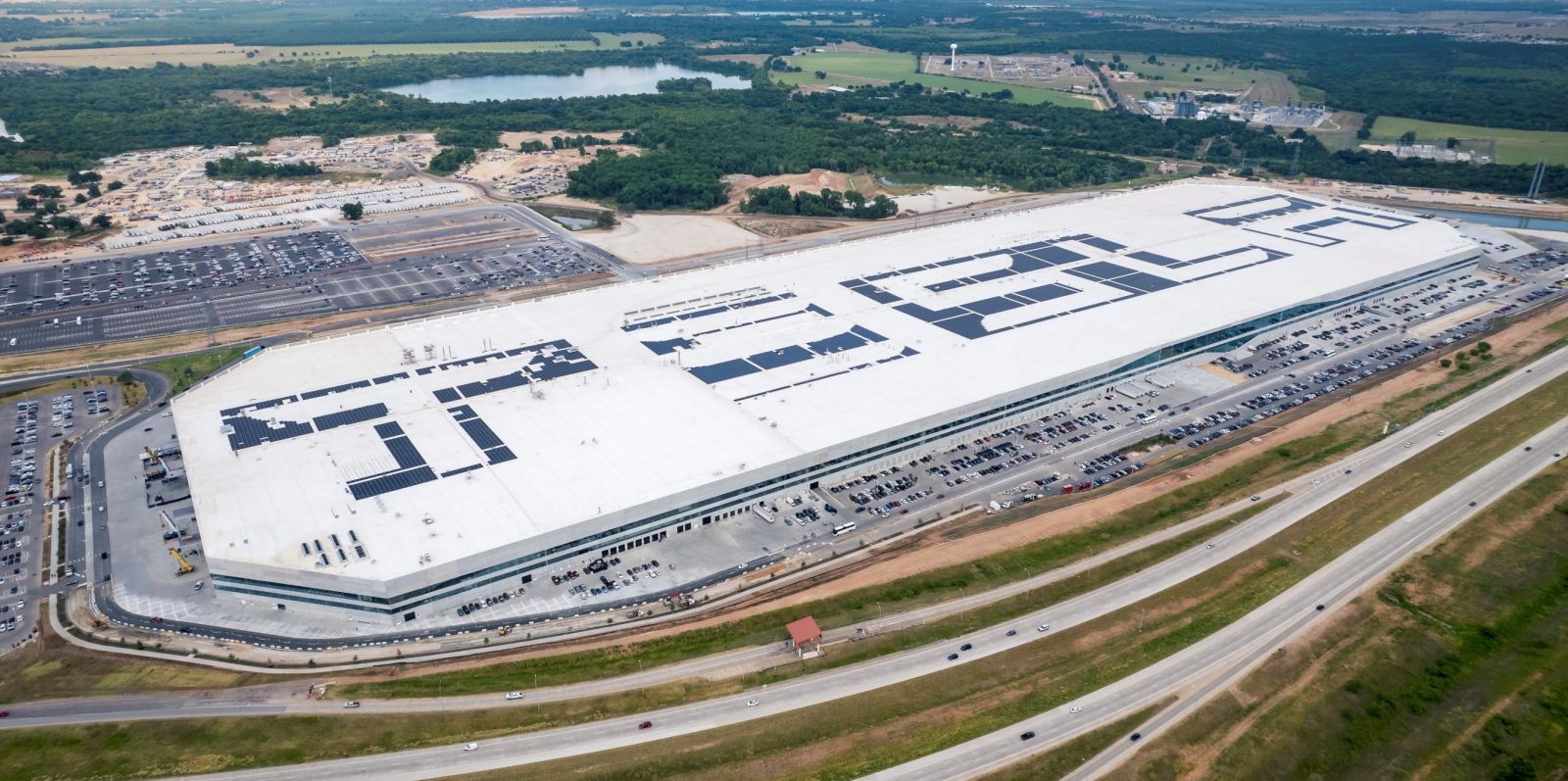
Kahiree Gans, Tesla's head of quality, is leaving the electric vehicle (EV) manufacturer to join Stellantis as Vice President of Global SQD, marking a significant departure for the company, particularly as it relates to quality operations at Gigafactory Texas where the Cybertruck is produced.. The loss of Gans may impact Tesla's ability to address quality concerns and improve manufacturing processes, potentially affecting Canadian Tesla owners who already face unique challenges such as cold climate and EV battery performance.. The departure is part of a larger talent exodus at Tesla, with several senior executives leaving the company since mid-2024, raising concerns about Tesla's ability to execute its business strategy and remain competitive in the growing Canadian EV market.
Jun 18, 2026
Aptera Solar Electric Vehicle Company Factory Tour and Production Outlook
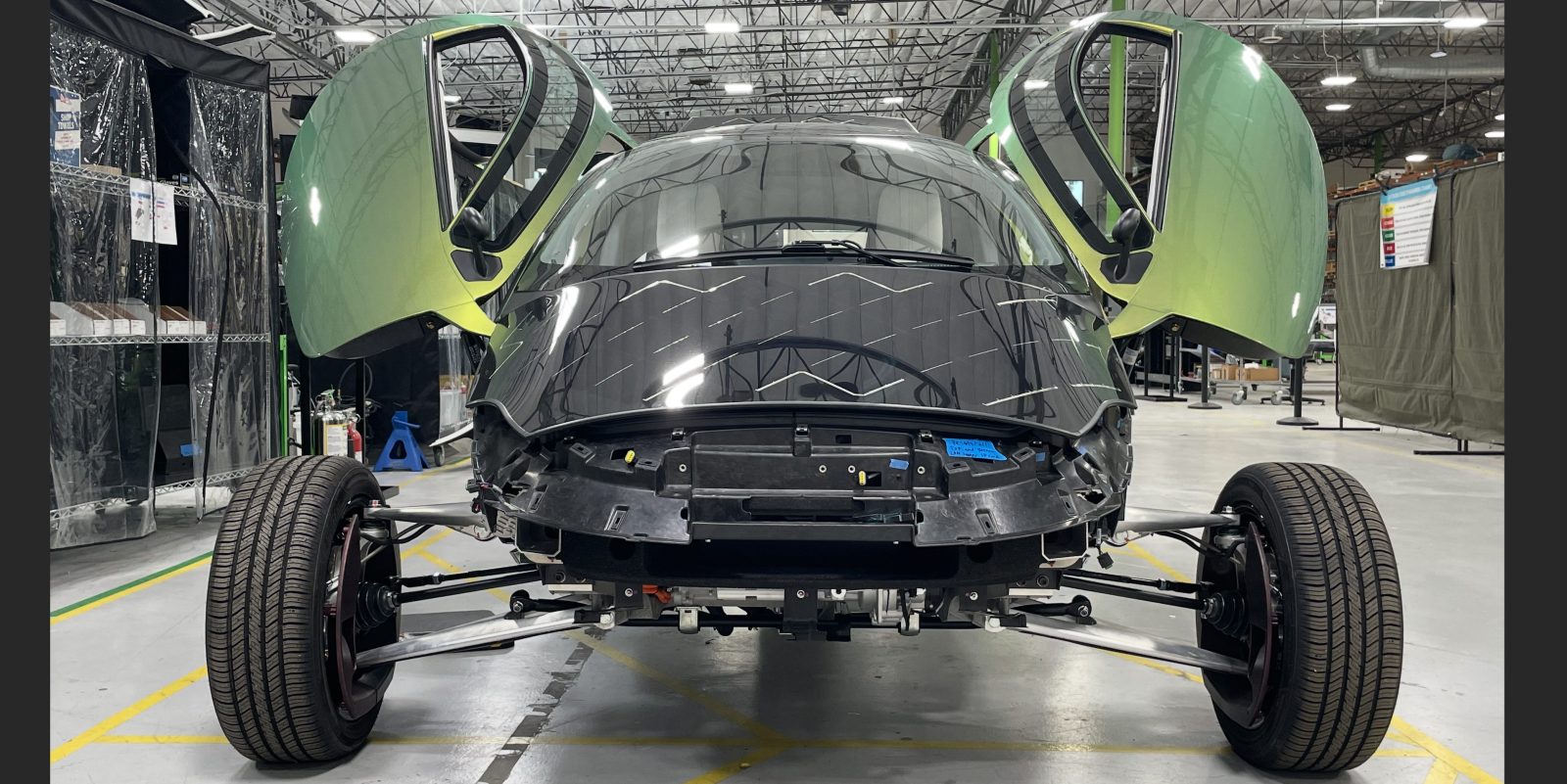
Aptera, a California-based EV startup, is developing a 3-wheeled solar electric vehicle with a range of up to 700 kilometres on a single charge, featuring advanced technology and eco-friendly design.. The vehicle's body components are made of carbon fibre sheet moulding compound (CF-SMC), produced in partnership with CPC Group in Italy, and the company's focus on efficiency is evident in its use of a Snapdragon 845 ARM processor for ADAS tasks.. Aptera's vehicle is not yet available in Canada, but the company is working towards bringing its product to the global market, with potential eligibility for Canadian government's iZEV incentives and provincial rebates, although Canadian pricing and availability have not been announced.