
Jun 18, 2026
Honda Partners with New Company to Develop Solid State Electric Vehicle Batteries
Honda has partnered with QuantumScape to develop solid-state batteries for electric vehicles (EVs), aiming to create more efficient and safer vehicles eligible for Canadian pricing incentives and iZEV incentives, with potential benefits for long-distance driving on routes like the Trans-Canada Highway.. Solid-state batteries offer several advantages over traditional lithium-ion batteries, including faster charging, increased energy density, and improved safety, which could make EVs more appealing to Canadian consumers and increase their eligibility for provincial rebates.. Honda's commitment to solid-state battery technology could lead to more affordable EV options, with potential ranges of up to 620 miles on a full charge and a 25% reduction in manufacturing costs, making them more competitive with traditional gasoline-powered vehicles in the Canadian market.
Jun 18, 2026
EV Battery Breakthrough to Revolutionize the Market with New Technology
Silicon anode batteries are being developed to improve electric vehicle (EV) range, charging speed, and safety, making them an attractive option for Canadian drivers who often face long distances and harsh winter conditions, with potential applications in luxury EVs like the Mercedes-Benz AMG GT.. The use of silicon anodes in advanced lithium-ion batteries can increase energy density and charging speed, with companies like Amprius Technologies and Sila already producing batteries with impressive results, such as up to 85% increased range for EVs.. Canadian consumers can expect to see silicon anode batteries in high-end vehicles with competitive pricing, and with incentives like the iZEV program and provincial rebates, they may become more affordable, contributing to the growth of the Canadian EV market and the country's goal of reducing greenhouse gas emissions.

Jun 18, 2026
Waymo Recalls Autonomous Vehicles Due to Potential Highway Construction Lane Issues
Waymo has recalled 3,871 robotaxis in the US due to concerns that the autonomous electric vehicles may drive at highway speeds into lanes closed for construction, highlighting the need for advanced autonomous vehicle technology to recognize and respond to construction zones.. The recall is significant for the Canadian autonomous vehicle market, as Waymo's experiences in the US can inform the development of autonomous vehicle technology in Canada, where construction zones are common on highways and pose significant hazards to drivers of electric vehicles.. A software update will remedy the issue, and as the Canadian government invests in autonomous vehicle technology, including the creation of a national strategy for deployment, it is likely that similar updates and maintenance strategies will be developed for autonomous vehicles in Canada, including those with electric vehicle capabilities.

Jun 18, 2026
Ferrari Luce May Be Key to Getting Other Desired Cars for Collectors
Ferrari's first electric vehicle, the Luce, is a unique four-door EV with a quad-motor setup producing over 1,000 horsepower, priced around $640,000 in Canada, making it a luxury electric vehicle option for wealthy buyers.. Canadian buyers of the Luce may be eligible for federal and provincial electric vehicle incentives, such as the iZEV program, which offers up to $5,000 in rebates for eligible EVs, helping to reduce the cost of this luxury electric car.. The Luce's limited availability, with Ferrari building fewer than 14,000 vehicles per year, is part of the company's scarcity strategy to maintain the value of its electric vehicles and make them more exclusive, which may impact Canadian pricing and availability.
Jun 18, 2026
Rivian R2 Efficiency Comparable to Tesla Model Y Despite Heavier Weight
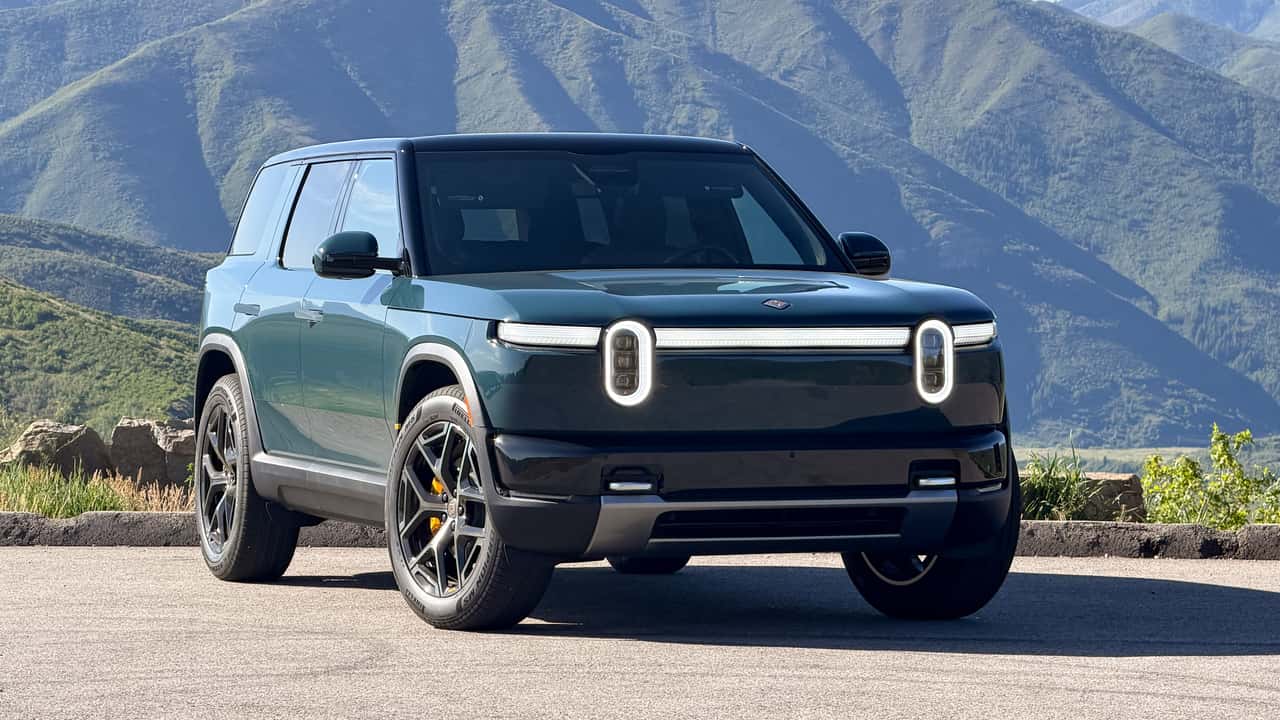
The 2027 Rivian R2 Performance electric vehicle (EV) has achieved an EPA rating that matches the efficiency of the 2026 Tesla Model Y Performance, despite being heavier and larger, with a range of up to 330 miles on a full charge and an energy consumption of 32 kilowatt-hours/100 miles.. The Rivian R2 Performance features an 87.9 kWh high-voltage battery pack and boasts a dual-motor setup with 656 horsepower, accelerating from 0-60 mph in 3.6 seconds, with Canadian pricing expected to be a premium, potentially in the range of $100,000 to $150,000.. Canadian buyers of the Rivian R2 Performance may be eligible for incentives such as the iZEV program, which offers up to $5,000 in rebates for eligible electric vehicles, as well as provincial rebates in British Columbia and Quebec, with a cheaper rear-wheel drive version expected in late 2027, potentially priced under $80,000.
Jun 18, 2026
Electrify America Unveils Advanced EV Charging Stations with Battery Backup Capability
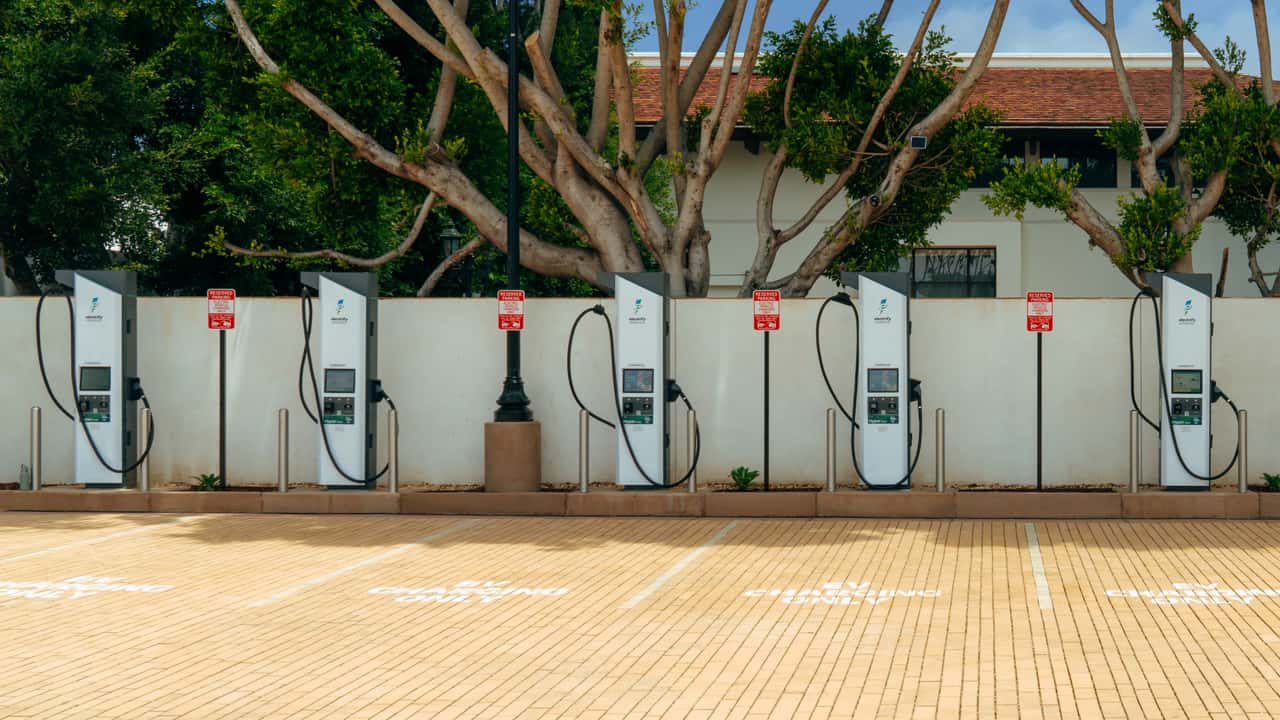
Electrify America has launched a new large-format EV charging site in Santa Barbara, California, featuring 20 stalls with up to 350 kilowatts of power and a significant battery energy storage system, showcasing advancements in EV charging infrastructure that may soon be available in Canada.. The site's technology allows for high-power charging while reducing strain on the grid, and similar initiatives are being invested in by Canadian companies like Petro-Canada and Ivanhoe Cambridge, with fast-charging technology being deployed across the country.. The development of efficient and reliable EV charging infrastructure is crucial to meeting the Canadian government's target of 100% zero-emission new light-duty vehicle sales by 2035, with advancements in charging technology and expansions in infrastructure expected to drive further investment and growth in the Canadian EV market.
Jun 18, 2026
2026 Jeep Recon EPA Rating Reveals Poor Fuel Efficiency
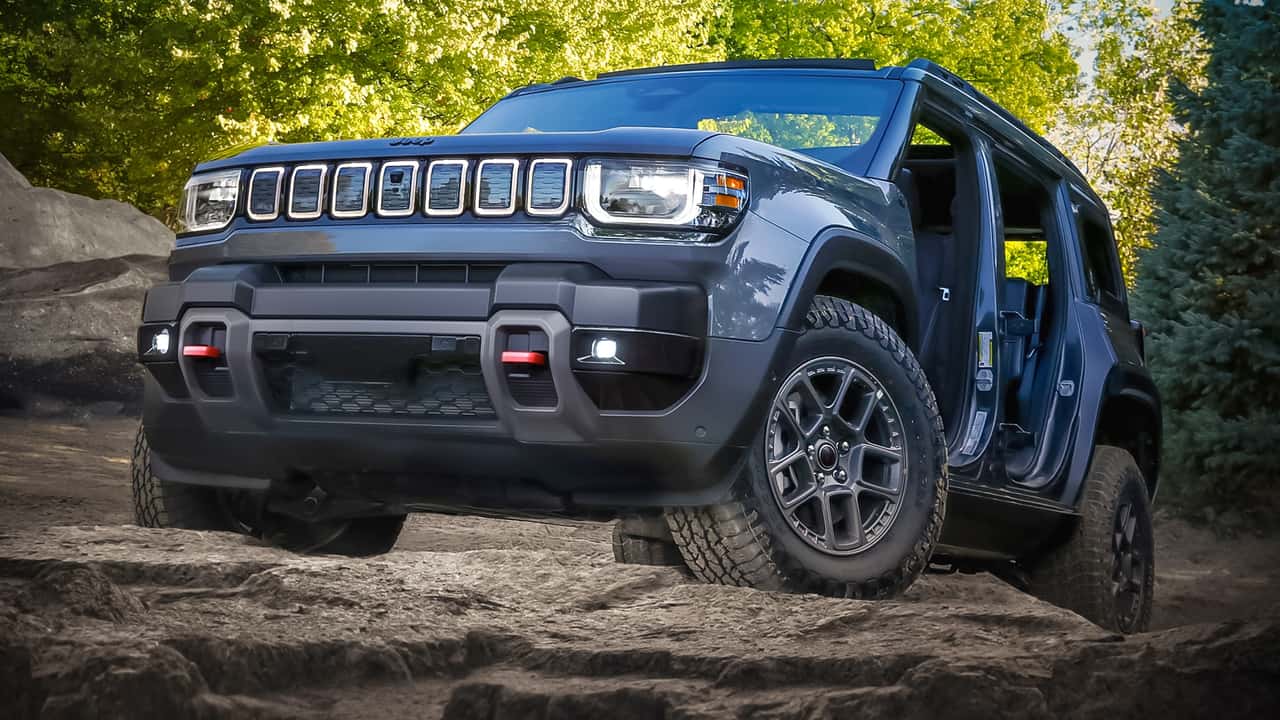
The 2026 Jeep Recon Moab, an electric SUV, has a lowered EPA range estimate of 222 miles, despite having a 100-kilowatt-hour battery, making it less competitive than rivals like the Tesla Model Y and Rivian R2.. In terms of efficiency, the Jeep Recon Moab consumes 48 kilowatt-hours of energy every 100 miles, resulting in an efficiency of 2.08 mi/kWh, which is lower than its competitors, including the Rivian R2 Performance with 2.94 mi/kWh.. The Jeep Recon Moab is priced at $68,990 in Canada, with eligible buyers able to receive up to $5,000 in rebates through the iZEV incentive, and can recharge from 5-to-80% in 28 minutes using a DC fast charger, making it a convenient option for those with access to fast EV charging infrastructure.
Jun 18, 2026
Volvo simplifies public electric vehicle charging experience
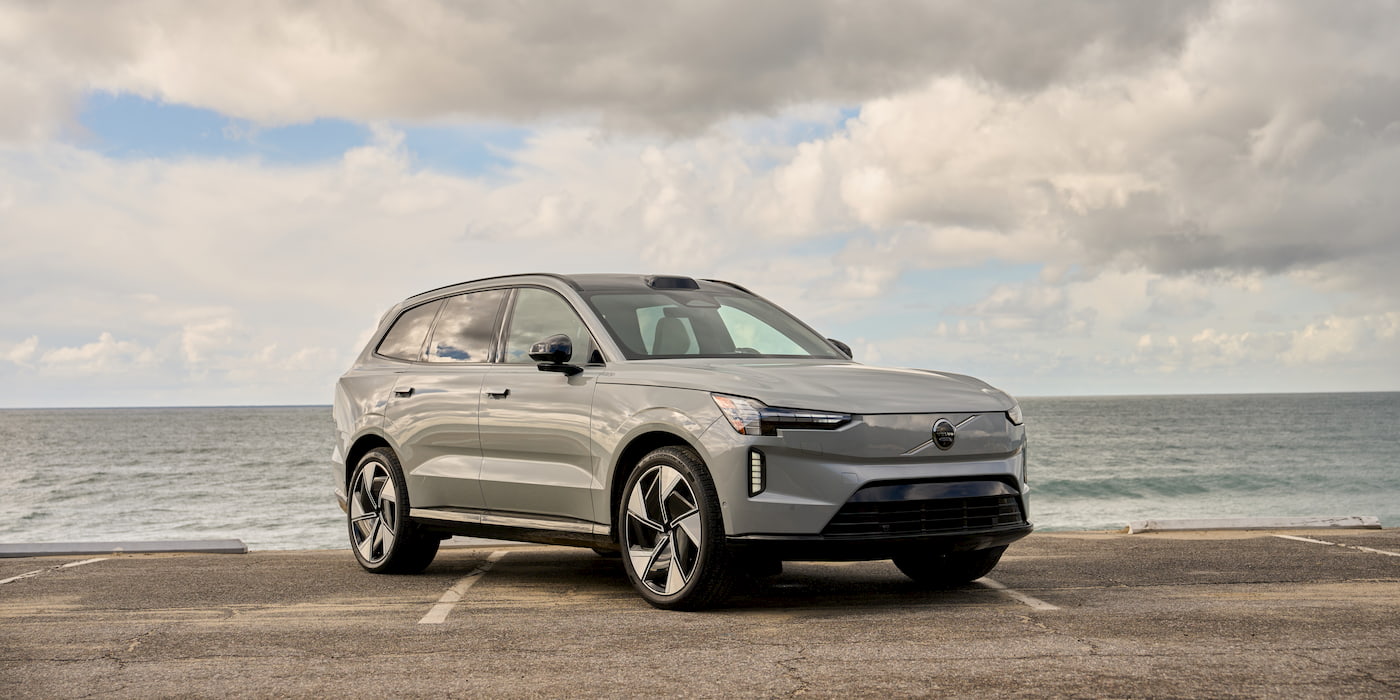
Volvo EX90 drivers in Canada can now use Plug & Charge, a feature that enables seamless public charging at over 35,000 stations, including those with CCS1 ports, without needing to open an app or use a credit card, making electric vehicle (EV) charging more convenient.. The 2025 Volvo EX90 models, with a starting price of around $80,000 CAD, will support Plug & Charge with the new NVIDIA Orin/Orin Core computer configuration, and Canadian buyers may be eligible for up to $5,000 in rebates through the iZEV incentive, promoting the adoption of electric vehicles (EVs) in Canada.. The upcoming Volvo EX60, with a range of up to 640 kilometres and max 670 hp, will also feature Plug & Charge technology, ensuring compatibility with Canada's growing electric vehicle (EV) charging network, which is expected to expand further with more fast-charging stations being installed across the country.
Jun 17, 2026
BMW i3 Orders Open Ahead of Schedule Due to High Demand
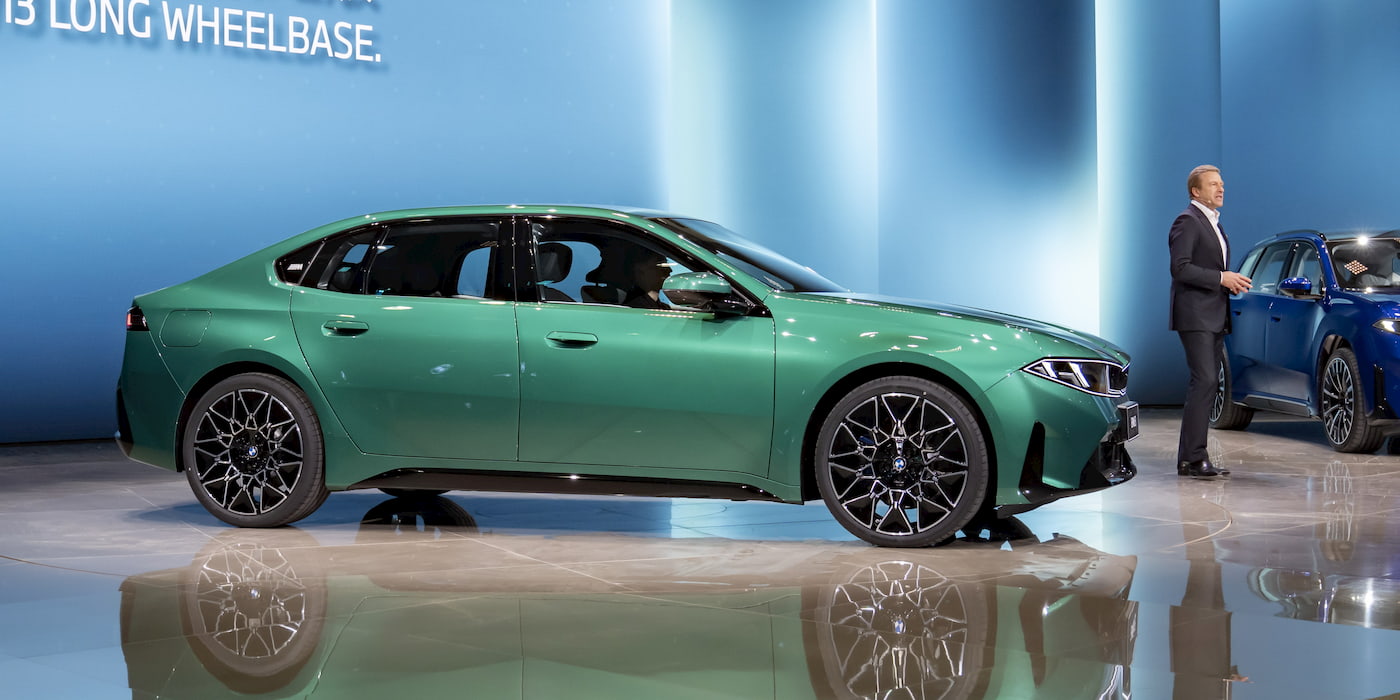
The BMW i3 electric sedan is opening orders ahead of schedule due to strong demand, with production still set to begin in August and Canadian deliveries expected this fall, eligible for federal iZEV incentives and provincial rebates for electric vehicles.. The BMW i3 boasts an impressive estimated driving range of up to 559 miles (900 km) and features a sixth-gen eDrive with 800-volt electric architecture, supporting up to 400 kW DC fast charging for electric cars.. Canadian pricing for the BMW i3 is expected to start at around $50,000 to $55,000, with an entry-level single-motor variant possible, and buyers can look forward to taking advantage of federal and provincial incentives for electric vehicle adoption.
Jun 17, 2026
Ford Produces Affordable LFP Battery Cells in US for New 30000 Dollar Electric Pickup Truck
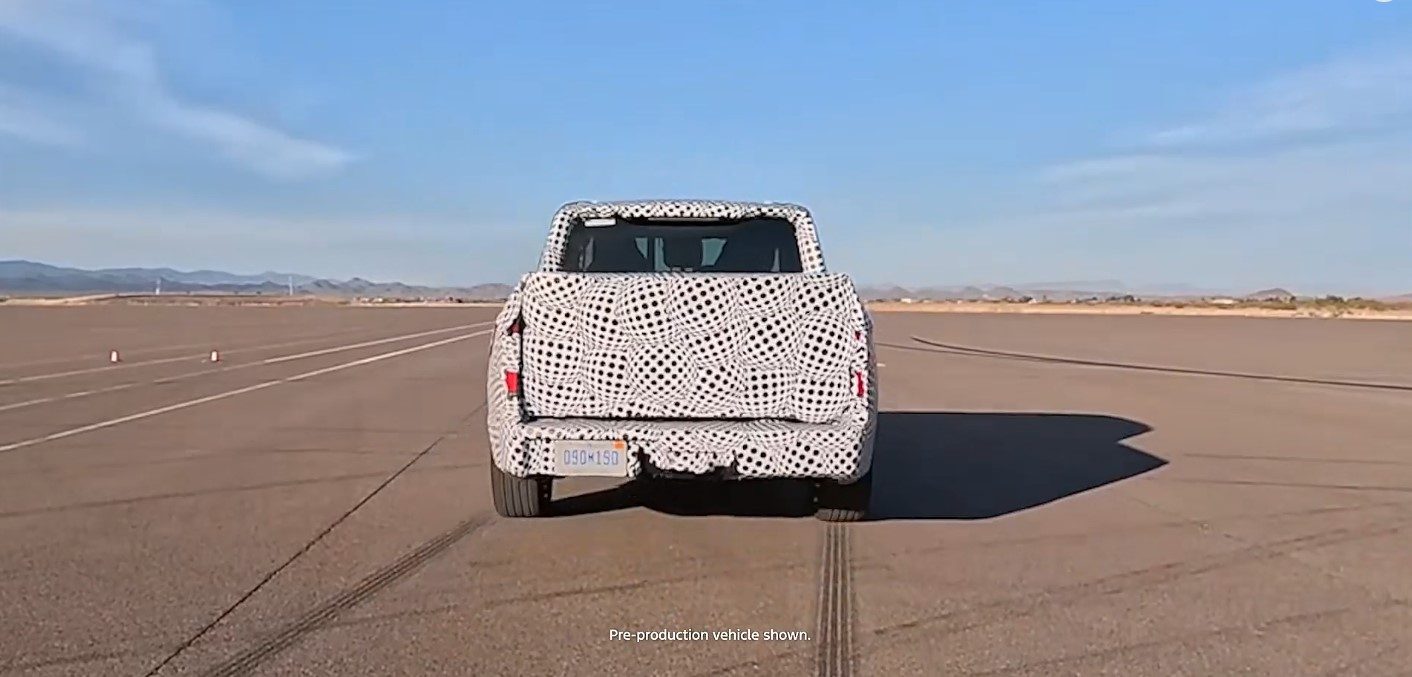
Ford is set to introduce lithium iron phosphate (LFP) batteries in its mainstream electric vehicles (EVs) in North America, starting with its upcoming midsize electric pickup priced around $40,000 CAD, making them more affordable and efficient for Canadian consumers.. The new LFP battery cells will provide a range of over 400 kilometres on a single charge, offering more interior space and a lower cost of ownership, making the vehicle an attractive option for Canadians who need to travel long distances in their electric vehicles.. The Ford midsize electric pickup is expected to be available in Canada in 2027, competing with other popular EVs, and may be eligible for the Canadian government's iZEV incentives and provincial rebates, driving adoption of electric vehicles in the Canadian market.

Jun 17, 2026
Range Rover to Launch New Electric Vehicles Including Defender Model
The Range Rover Electric and Defender Electric SUVs are set to launch in Canada later this year, offering Canadian buyers a range of electric vehicle options with potential rebates of up to $5,000 through the iZEV program and provincial incentives.. The Range Rover Electric will feature a 117-kWh battery, dual-motor all-wheel-drive setup, and deliver 542 horsepower and 627 lb-ft of torque, with a driving range of at least 480 kilometres, making it a competitive luxury electric vehicle in the Canadian market.. The Defender Electric will be built on Jaguar Land Rover's EMA platform, with prices expected to start at around $67,500 to $84,000, and offer a range of approximately 480 to 515 kilometres, supported by battery packs ranging from 70 to 90 kWh, catering to the growing demand for affordable electric vehicles in Canada.
Jun 17, 2026
Rivian and Tesla Self Driving Technology Prices Expected to Decrease
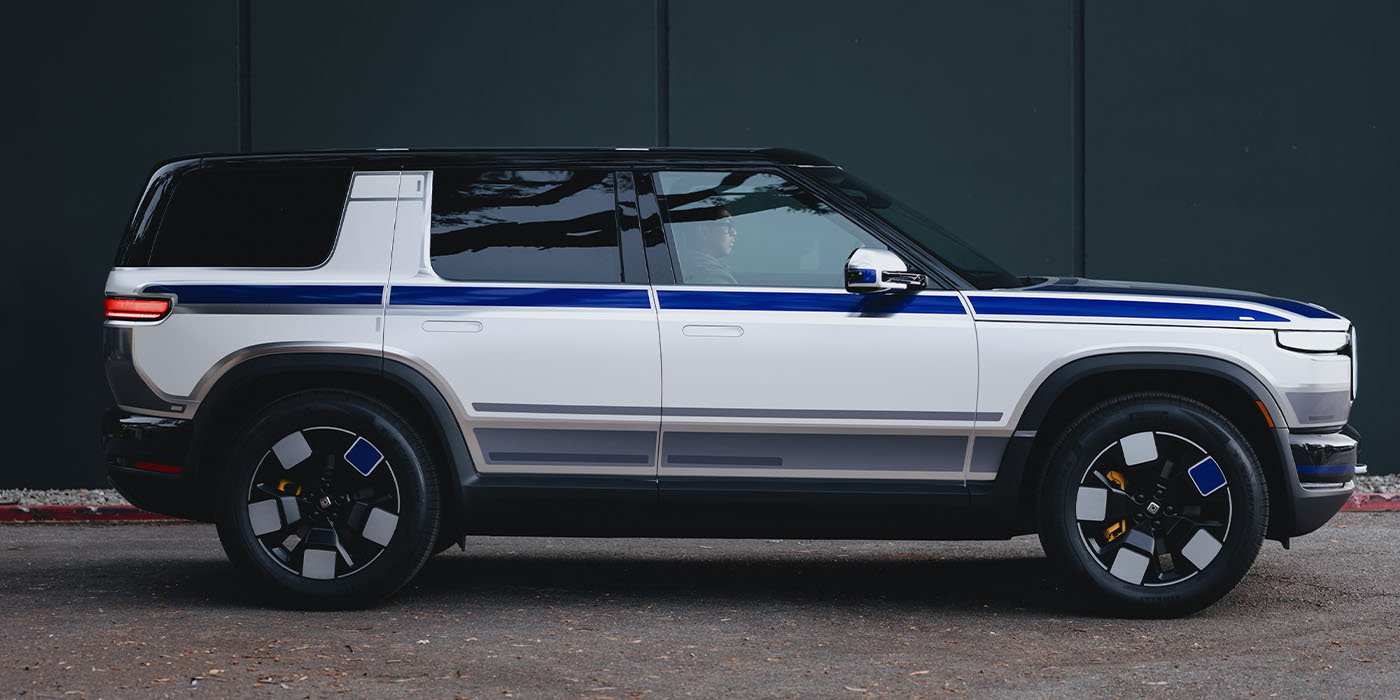
Rivian CEO RJ Scaringe predicts that the high costs of self-driving software will decrease as more companies develop autonomous driving capabilities, making electric vehicles (EVs) with advanced autonomy features more affordable for Canadian consumers.. The current cost of self-driving software in Canada ranges from $49.99 per month for Rivian's Autonomy+ package to $99 per month for Tesla's Full Self-Driving package, but these prices may erode as the technology becomes more widespread.. The decreased cost of self-driving software, combined with Canadian government incentives like the iZEV program and provincial rebates, may make EVs with advanced autonomy features more attractive to Canadian buyers, potentially changing the way companies like Tesla approach the pricing of their self-driving software.