
Jun 12, 2026
New Electric BMW M3 Design and Release Details Emerging
The BMW Neue Klasse M Concept has been unveiled, offering a glimpse into the future of the company's first true electric M car, expected to arrive in Canada in 2027 with a potential range of up to 900 kilometres on a 100 kilowatt-hours battery.. The electric M3 will feature a quad-motor powertrain and M-specific cylindrical cells, with a design that boasts a sleek, aggressive look, including blistered arches, a V-shaped hood, and a distinctive shark nose, making it a top contender in the Canadian electric vehicle market.. Canadian buyers can expect the vehicle to be eligible for federal and provincial incentives, such as the iZEV program, which offers up to $5,000 in rebates for eligible electric vehicles, with a potential starting price comparable to other high-performance electric vehicles in the Canadian market.

Jun 12, 2026
Rivian R2 Now Includes Rare Feature Missing From Competitors
The Rivian R2 electric SUV has launched in Canada, offering a unique accessory option - a compact spare tire kit priced at $755, which sets it apart from competitors like the Tesla Model Y and Hyundai Ioniq 5 in the Canadian EV market.. The Rivian R2 boasts impressive off-road capability and a range of up to 530 kilometres, thanks to its 87.9-kilowatt-hour battery pack, making it an attractive option for environmentally conscious Canadian drivers who value adventure and sustainability.. The Rivian R2 is available in Canada with a starting price of $57,990 for the top-spec Performance model, which includes a tow hook, special green paint, and lifetime access to Rivian's Autonomy+ driver assistance system, eligible for Canadian government iZEV incentives and provincial rebates.

Jun 12, 2026
Edmunds One Year Review of Volvo EX30 Reveals Mixed Experience
The Volvo EX30, a compact electric vehicle (EV), has a higher-than-expected price point in Canada, likely over $50,000 CAD, which may not be eligible for the full iZEV incentive due to the price cap, affecting its competitiveness in the Canadian EV market.. The EX30 boasts a compact design, measuring 21 inches shorter than the Tesla Model Y, and quick performance, accelerating from 0 to 60 miles per hour in 3.6 seconds, making it suitable for city driving and Canadian roads.. The EX30 has an EPA-rated range of 250 miles, but highway driving can reduce the range to around 200 miles, and charging speeds peak at around 150 kilowatts, which may be a consideration for Canadian owners who frequently drive long distances or require faster EV charging.. Software issues, including a glitchy infotainment system and overly sensitive driver monitoring system, have plagued the EX30, but Volvo has released software updates to improve performance, which Canadian owners can expect to receive to enhance their EV driving experience.. Despite its issues, the EX30 has proven to be a reliable vehicle, but its discontinuation in the US market after just two years may impact its resale value and availability in Canada, where consumers may still be able to purchase used models and be eligible for provincial EV rebates.
Jun 11, 2026
Canada Zero Emission Vehicle Registrations Decline to 10.8 Percent in First Quarter
The Canadian electric vehicle market has seen a year-over-year increase in market share, with zero-emission vehicle (ZEV) registrations reaching 10.8 per cent of total registrations in the first quarter, driven by initiatives like the iZEV incentive program.. Despite a slight dip in overall ZEV registrations, the majority of Canadian provinces have experienced gains in electric vehicle market share, attributed to growing charging infrastructure and increasing model options for Canadian consumers.. The Canadian government's iZEV incentive program, offering a rebate of up to $5,000 for eligible electric vehicles, will continue to drive demand and support Canada's climate goals, supplemented by additional provincial rebates like British Columbia's SCRAP-IT programme.
Jun 11, 2026
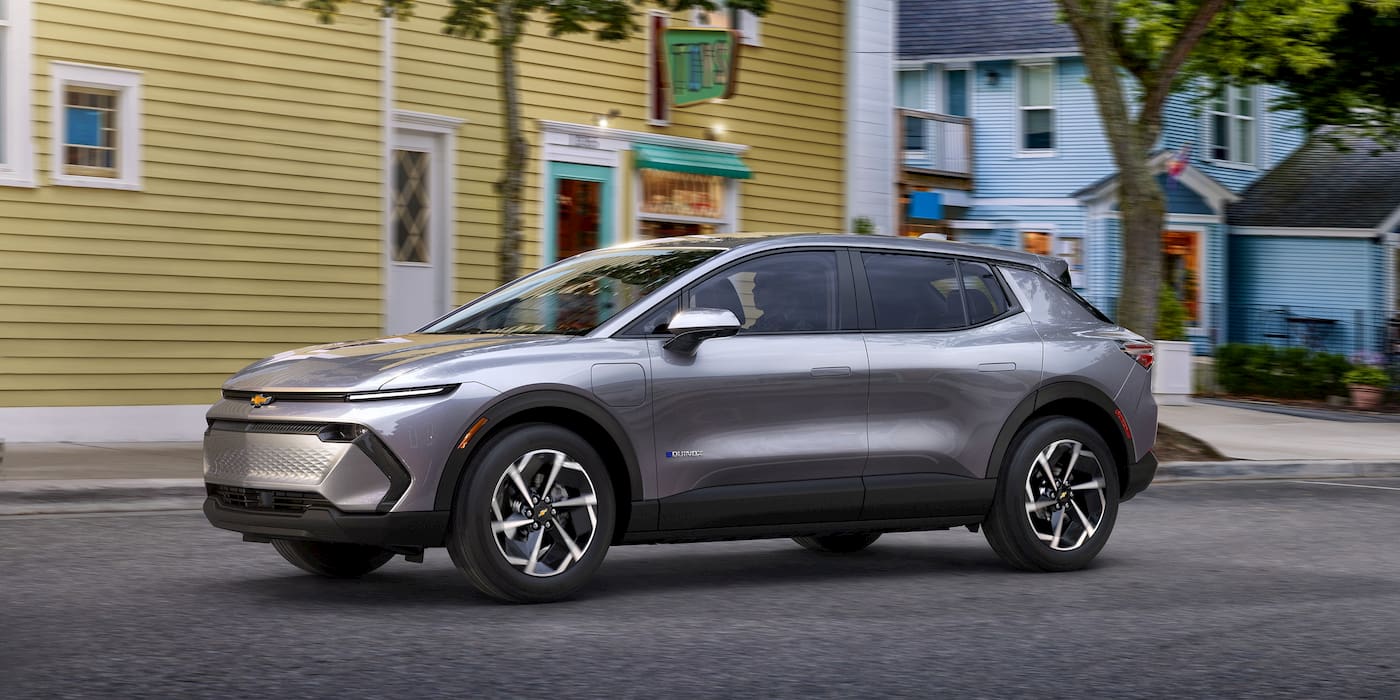
Chevy Equinox EV Lease Price Jumps to Over 500 Dollars Monthly
The Chevrolet Equinox EV has seen a significant increase in leasing costs in Canada, with the base FWD LT1 trim now costing $554 per month for a 39-month lease, up from $362 per month in April, affecting its appeal as an affordable electric vehicle option.. In contrast, the 2027 Chevrolet Bolt is now cheaper to lease, starting at $411 per month for 39 months, with a range of up to 420 kilometres and a starting price of around $30,000 CAD, making it a competitive electric car choice in the Canadian market.. Canadian buyers can also consider other electric vehicle options like the Hyundai IONIQ 5, available for lease at $425 per month for 24 months, and the Tesla Model Y, available for lease at $459 per month for 36 months, with the Canadian government's iZEV programme and provincial rebates potentially reducing the overall cost of EV ownership.

Jun 11, 2026
HARIBO Switches to Electric Semi Trucks for Eco Friendly Deliveries
The adoption of electric semi trucks by companies like HARIBO in Europe could inspire similar changes in the Canadian market, with the Canadian government offering incentives like the iZEV program, providing rebates of up to $5,000 for eligible zero-emission vehicles.. The Mercedes-Benz eActros 600 electric trucks boast a range of up to 600 km per charge and 400 kW DC fast charging capabilities, making them ideal for daily deliveries and reducing carbon dioxide emissions by up to 37 kg per 100 km.. Canadian companies could benefit from transitioning to electric trucks, with provincial rebates and incentives available, and the potential to significantly reduce the country's greenhouse gas emissions and air pollution in the electric vehicle (EV) sector.

Jun 11, 2026
US Largest Solar Cell Factory to be Built in Georgia
Qcells' new solar cell factory in Georgia, set to become the largest in US history by Q3 2026, may increase competition for Canadian solar companies and impact the Canadian solar market, potentially leading to lower prices for electric vehicle (EV) charging and renewable energy solutions.. The Cartersville factory's production of solar panels under one roof could reduce US reliance on international supply chains and tariffs, indirectly affecting Canadian pricing and potentially making solar-powered EV charging more affordable for Canadian consumers.. Canadian companies may still find opportunities to thrive in the solar industry, with government incentives like the iZEV program, provincial rebates, and tax credits such as the Canadian Renewable and Conservation Expenses (CRCE), supporting the development of renewable energy projects and electric vehicle adoption.

Jun 11, 2026
Arkansas Solar Storage Project Secures 3.5 Billion Dollars in Funding
The Steel River Energy Centre in Arkansas, a large-scale solar-plus-storage project, highlights the growing demand for renewable energy infrastructure and could inspire similar projects in Canada, eligible for federal incentives like the iZEV programme and provincial rebates.. Canadian companies could adopt strategies like using domestically manufactured solar panels and partnering with local manufacturers to create jobs and stimulate local economies, particularly in provinces like Ontario, Quebec, British Columbia, and Alberta with ambitious renewable energy targets.. Large-scale solar-plus-storage projects in Canada could attract significant investment, deliver long-term economic benefits, and contribute to the country's energy mix, supporting economic development and reducing reliance on fossil fuels, with potential to create hundreds of construction jobs and promote a cleaner, more sustainable electric vehicle (EV) charging infrastructure.
Jun 11, 2026
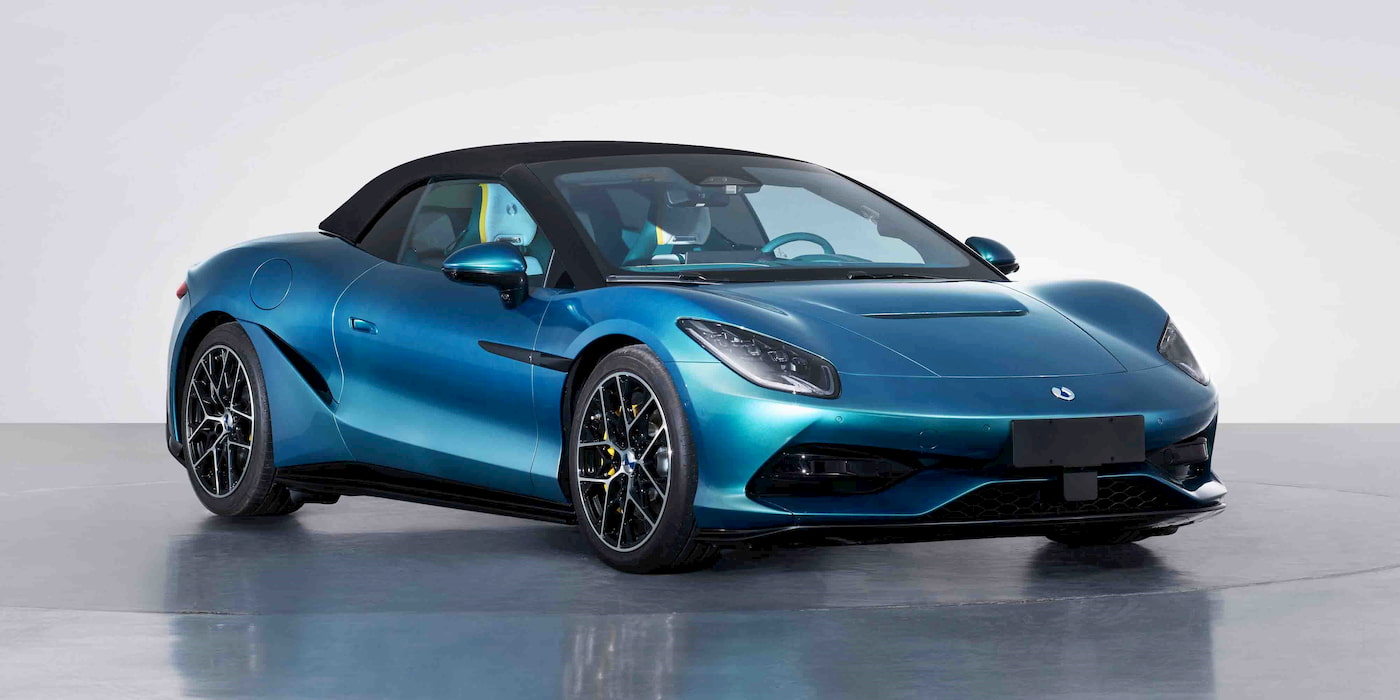
BYD luxury electric roadster leaks with 1500 horsepower tri motor overseas launch
The Denza Z, a luxury electric roadster from BYD, is set to enter the Canadian market with a tri-motor setup delivering 1,528 hp, challenging European luxury brands like Ferrari and Porsche in the electric vehicle (EV) segment.. With a top speed of 217 mph and a 0-100 km/h time of under two seconds, the Denza Z boasts impressive performance specs, and its Canadian pricing is expected to be higher than $170,000 CAD, although exact pricing has not been announced.. The Denza Z may be eligible for Canadian government iZEV incentives and provincial rebates, such as those in British Columbia and Quebec, making it a competitive option in the Canadian electric vehicle market, with availability expected to be announced in the coming months.

Jun 11, 2026
Prime Day Deals on Portable Power Stations and Electric Vehicles
Canadian shoppers can save up to $140 on the Bluetti Elite 200 V2 Portable Power Station, a powerful electric vehicle accessory with a 2,073.6Wh LiFePO4 battery capacity, now available for $759.. Exclusive bonus savings codes like 9TO5TOYS5OFF offer an additional 5% off eco-friendly products, including the Bluetti Elite 200 V2 and Navee's G5 Max Electric Scooter, priced at $649.99, a $150 discount from its original price.. Canadian residents can take advantage of government incentives like the iZEV program, offering a rebate of up to $5,000 for electric vehicle purchases, and provincial rebates, making EVs a more affordable and attractive option for commuters.

Jun 11, 2026
Waymo Introduces Premier Membership Service with Priority Pickups and Rewards
Waymo has launched its first-ever membership program, Waymo Premier, offering priority pickups, 10% cashback, and early access to new cities for $29.99 per month, targeting its most frequent riders in the US, with potential expansion to Canada.. The program provides exclusive benefits, including priority pickups and cashback, to enhance the overall experience of heavy users, making it an attractive option for those who rely heavily on the service, particularly in the context of Canadian electric vehicle (EV) adoption.. Waymo's expansion plans, including the launch of services in new cities, make the early access perk particularly valuable for Premier members, who can help drive growth and adoption in these markets, potentially including Canadian cities, supporting the growth of sustainable transportation and EV adoption.. The launch of Waymo Premier marks a strategic move to build rider loyalty, with the company aiming to retain its power users and encourage them to continue using the service, capitalizing on the trend of subscription programs in the ride-hailing industry and the growing demand for eco-friendly transportation options in Canada.. Waymo's pricing strategy, with a $29.99 monthly price point, is competitive and provides unique benefits, including 10% cashback, which could be effective in the Canadian market, given the country's strong focus on environmental sustainability and the growing demand for electric vehicles (EVs) and autonomous vehicles.

Jun 11, 2026
Tesla promotional videos show unsafe use of Full Self Driving technology posing legal issues
Tesla faces $14.5 billion in lawsuits related to its "Full Self-Driving" (FSD) and Autopilot systems in the US, with its marketing strategy under scrutiny for contradicting the company's legal defence and potentially impacting Canadian electric vehicle sales.. The company's promotional videos have raised concerns, showcasing a driver making espresso while FSD drives and committing traffic violations in Denmark, which could weaken Tesla's defence in court and affect its reputation among Canadian EV buyers.. Canadian Tesla owners may be eligible for the iZEV incentive, a federal rebate of up to $5,000, but the controversy surrounding FSD may impact sales, with Tesla models starting at around $50,000 in Canada and subject to provincial regulations and consumer expectations.