Apr 10, 2026
Versatile MOOG Machine Compatible with Electric Diesel and CNG Options
MOOG’s ZQUIP technology enables a single machine to operate on diesel, natural gas, or battery power, offering a versatile, cost-effective solution for Canadian fleets aiming to decarbonize.. The modular design of ZQUIP reduces financial risk by eliminating the need for separate machines for each fuel type, providing stability amid fluctuating global oil prices.. Canadian businesses can benefit from federal and provincial ZEV incentives, such as the iZEV program’s up to $4,000 rebate, while using ZQUIP to seamlessly transition between fuel types and comply with evolving emissions regulations.. This adaptable technology supports Canada’s sustainability goals, making it an attractive option for fleets looking to lower operating costs and meet zero-emission targets.. *Quick Charge* episodes are available as an audio podcast on major platforms, offering insights into the latest advancements in electric vehicle technology and modular power solutions.
Apr 10, 2026
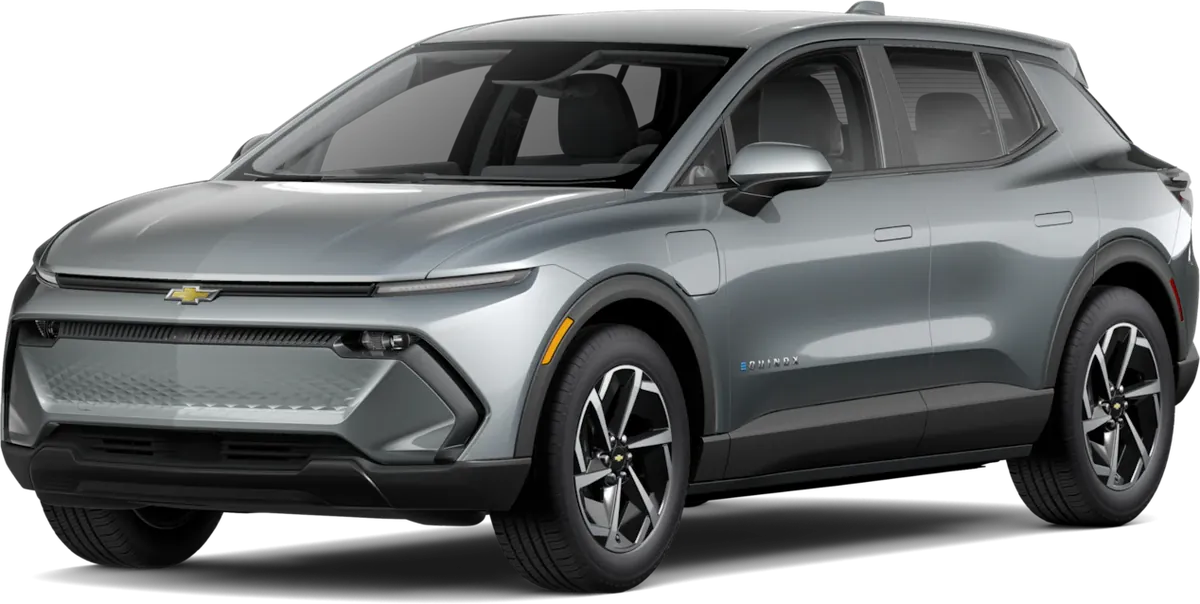
Chevy Equinox EV $10000 Discount 20 Off Now
Chevrolet offers a **20% discount** on the **2026 Chevy Equinox EV**, reducing the RS trim to **$35,895**, **$10,000** off its MSRP.. The **2026 Chevy Equinox EV LT 1 FWD** is available for **$30,295** after discounts, providing **up to 519 km** of range and **260 liters** of passenger space.. Canadian buyers can benefit from **iZEV incentives** and provincial rebates, like **$4,000** in **Ontario** and **Quebec**, further lowering the purchase price.. The Equinox EV features a **17.7-inch touchscreen**, the largest in its class, and offers **0% APR financing** plus an extra **$1,250** purchase allowance for owners of newer non-GM vehicles.. Despite competitive leasing options from **Hyundai IONIQ 5**, the Equinox EV stands out for its **affordability, range, space, and advanced tech**.
Apr 10, 2026
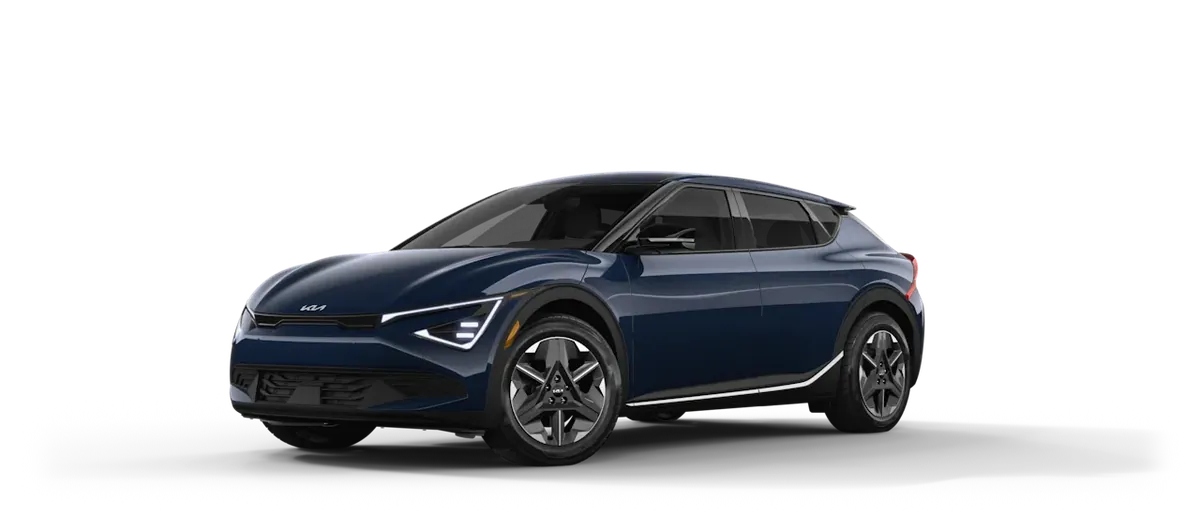
Kia Introduces Most Affordable Electric Vehicle With Unexpected Low Prices
Kia has opened orders for its new EV2 compact electric SUV in several European markets, with first customer deliveries expected next month and competitive pricing starting at €26,600 in Germany and £22,245 in the UK.. The EV2 offers two battery options: 42.2 kWh and 61 kWh, delivering up to 197 miles and 281 miles of WLTP range, respectively, and can recharge from 10% to 80% in about 30 minutes using an 118 kW DC fast charger.. Despite being built on a 400V architecture, the EV2 provides segment-leading rear passenger legroom and up to 403 litres of cargo capacity in a compact 4,000 mm body, making it a strong contender in the sub-£25,000 EV market.. While the EV2 is currently available for order in Europe, Canadian drivers will have to wait for pricing and availability details, though the EV3 is still planned for a US launch later this year.. Canadian EV buyers can benefit from provincial rebates and federal incentives like the iZEV program, which may significantly reduce the final purchase price once the EV2 becomes available in Canada.

Apr 10, 2026
Tesla Affordable EV Launch FSD Update Rivian R2 EPA Ratings News Podcast
Tesla recently introduced and then quickly withdrew a more affordable EV model, causing confusion among consumers and analysts, and potentially influencing future Canadian EV pricing strategies and incentives.. Tesla’s upcoming FSD v15 software update promises enhanced autonomous driving capabilities, with phased roll-out expected across Canadian provinces.. Rivian revealed EPA numbers for its upcoming R2 model, providing critical efficiency and range details for Canadian buyers planning long-distance trips or daily commutes.
Apr 10, 2026
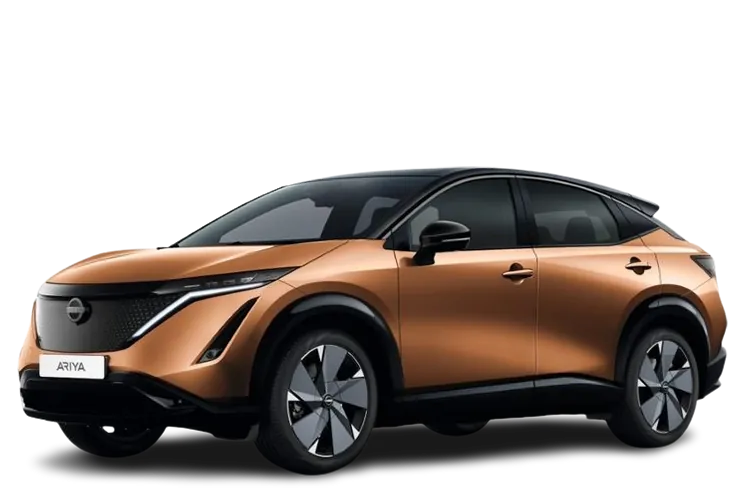
Nissan Electric SUV Receives Over 8500 Orders in First Half Hour
Nissan unveils the NX8, a mid-to-large size electric SUV, surpassing models like the Rogue and Ariya in size and securing nearly 8,500 pre-orders within 30 minutes.. The NX8 features an 81 kWh LFP battery, offering a CLTC range of up to 650 km, and two power options: 288 hp or 335 hp, with ultra-fast 463 kW charging capability.. The SUV boasts advanced technology including a dual 15.6-inch infotainment screen, a 10.25-inch driver cluster, a 62-inch AR HUD, and smart driving features like Navigation on Autopilot (NOA).. Initial pricing in China ranges from approximately $22,000 CAD to $30,800 CAD, with EV deliveries starting April 8 and EREV deliveries expected in May.. There's potential for the NX8 to enter the Canadian market, where it could benefit from provincial rebates and the iZEV incentive program, enhancing its appeal to Canadian EV buyers.
Apr 10, 2026
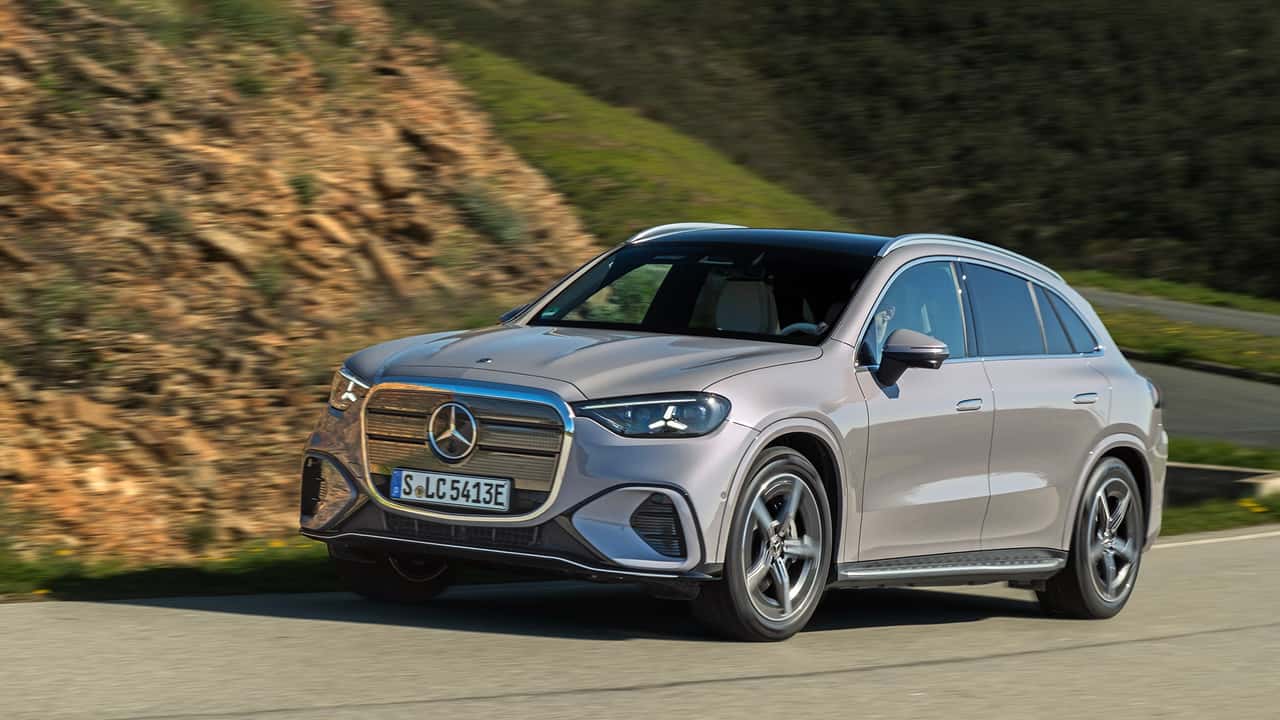
Mercedes EV Sales Improve But One Market Drags Down Quarterly Results
Mercedes-Benz faces a 6% global sales decline in Q1, primarily due to a 27% drop in China, but sees an 11% surge in EV sales reaching 50,400 units.. The brand's EV growth is driven by a 7% increase in Europe and a significant 20% rise in the U.S., buoyed by new-generation models like the CLA and GLC EV.. Mercedes is shifting to a more conservative EV design philosophy to broaden appeal, with upcoming models including the electric C-Class, E-Class, and S-Class.. Canadian EV buyers benefit from federal and provincial incentives like Ontario’s $4,000 rebate and British Columbia’s $3,500 rebate, making the transition to electric mobility more affordable.. The year 2026 is crucial for Mercedes-Benz with the rollout of several new EVs, potentially marking a significant turnaround for the brand in the electric vehicle market.

Apr 10, 2026
Hyundai Ioniq China Launch Features Two Innovative Concept Cars
Hyundai unveiled two new Ioniq concepts, the Venus sedan and Earth SUV, exclusively for the Chinese market, showcasing a unique design direction ahead of Auto China 2026. The Venus features a sporty, driver-focused interior with a massive wrap-around screen, while the Earth emphasizes rugged styling with plastic cladding and skid plates. Hyundai plans to expand into EREVs and plug-in hybrids in China, with production starting late 2026 and deliveries in 2027, though these models won't reach Canada.
Apr 10, 2026
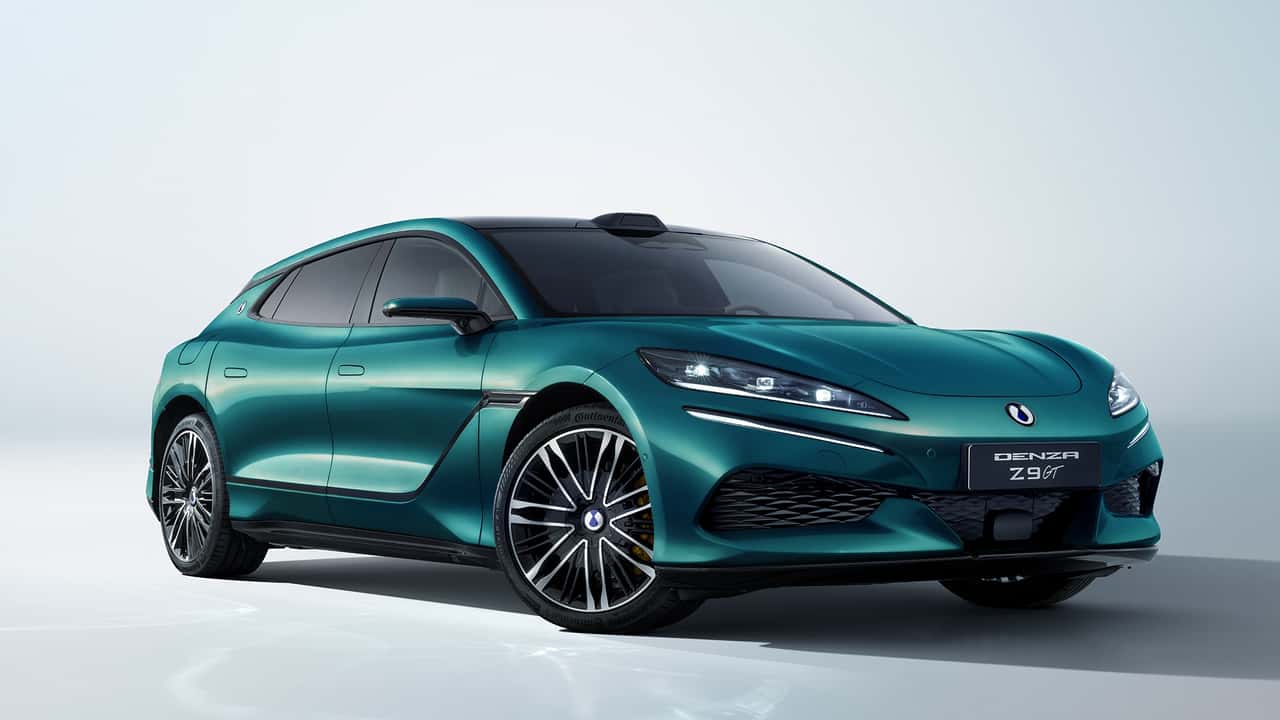
BYD 10-Minute Charging Debuts in Europe Pricey Cars
BYD has launched the Denza Z9GT in Europe, featuring "Flash" charging technology that can recharge the vehicle from 10% to 70% in just five minutes and to 97% in nine minutes, even in extreme cold conditions.. The Denza Z9GT is priced at €115,000 (approximately CA$170,000) in Europe, positioning it as a premium competitor to luxury brands like Porsche, though it remains significantly more affordable in China.. BYD plans to install 3,000 Flash charging stations across Europe in the next 12 months, featuring innovative T-shaped hardware and utilizing up to 1.5 MW per cable through grid power and stationary storage batteries.
Apr 9, 2026
Canada Allocates 10.6 Million for EV Charging Networks and 1.1 Million for Education Programs
The Canadian federal government announced a $10.6 million investment to boost electric vehicle (EV) charging infrastructure and driver education, aiming to enhance EV adoption nationwide.. This funding will facilitate the installation of 1,600 new EV chargers across Canada, including fast-charging stations in urban centres, rural areas, and along major highways, improving accessibility and convenience for EV owners.. The government is also increasing support for the Plug’n Drive program by $1.1 million, offering financial incentives to make zero-emission vehicles more affordable for Canadian consumers.. Provincial rebates such as Ontario’s $5,000 Drive Clean Rebate Plus Program, British Columbia’s $3,500 Clean Vehicle Rebate Program, and Quebec’s variable rebates further reduce EV costs, making them more competitive with internal combustion engine vehicles.. The investment includes public awareness campaigns, driver training programs, and community workshops to educate Canadians on the benefits and maintenance of EVs, fostering a culture of sustainability and supporting local EV supplier development.
Apr 9, 2026
Toronto Hydro Addresses Hidden Challenge in Rapid Charging Expansion with 480-Volt Service
Toronto Hydro has launched a pilot project to simplify and reduce costs for public DC fast-charging stations in Toronto, addressing high infrastructure costs and space requirements.. The innovative solution uses 480-volt service directly from the grid, reducing installation costs, simplifying processes, and saving space—especially beneficial in urban areas.. The pilot could significantly impact Canadian EV owners, with potential nationwide adoption accelerating EV infrastructure growth and supporting Canada’s EV adoption through existing incentives like the iZEV program and provincial rebates such as Ontario’s $1,000 Drive Clean Rebate Plus.

Apr 9, 2026
Kia Telluride Hybrid Released EREV Option Coming in 2029
Kia plans to launch a body-on-frame pickup truck and an EREV version of the Telluride SUV in Canada by the end of the decade, joining the trend of automakers embracing extended-range electric vehicles (EREVs) in North America.. The new body-on-frame truck is expected to arrive in Canada by 2030, marking Kia's first foray into the Canadian pickup market with a model similar to the Tasman sold in other regions; an EREV Telluride is slated for 2029.. EREV technology, which combines electric motors with a gasoline generator, is seen as a cost-effective alternative for large vehicles like trucks and SUVs, potentially offering a combined range of over 1,000 kilometres.. Kia aims to expand its hybrid lineup in Canada from five current models to eight by the end of the decade, including new hybrid versions of the Seltos, K5, K4, and an unnamed pickup truck.. By the end of the decade, Kia targets global annual sales of 4.13 million units, with 1.15 million being hybrids (including EREVs) and 1 million being fully electric vehicles (EVs), while Canadian drivers can benefit from provincial incentives for electric and hybrid vehicles.
Apr 9, 2026
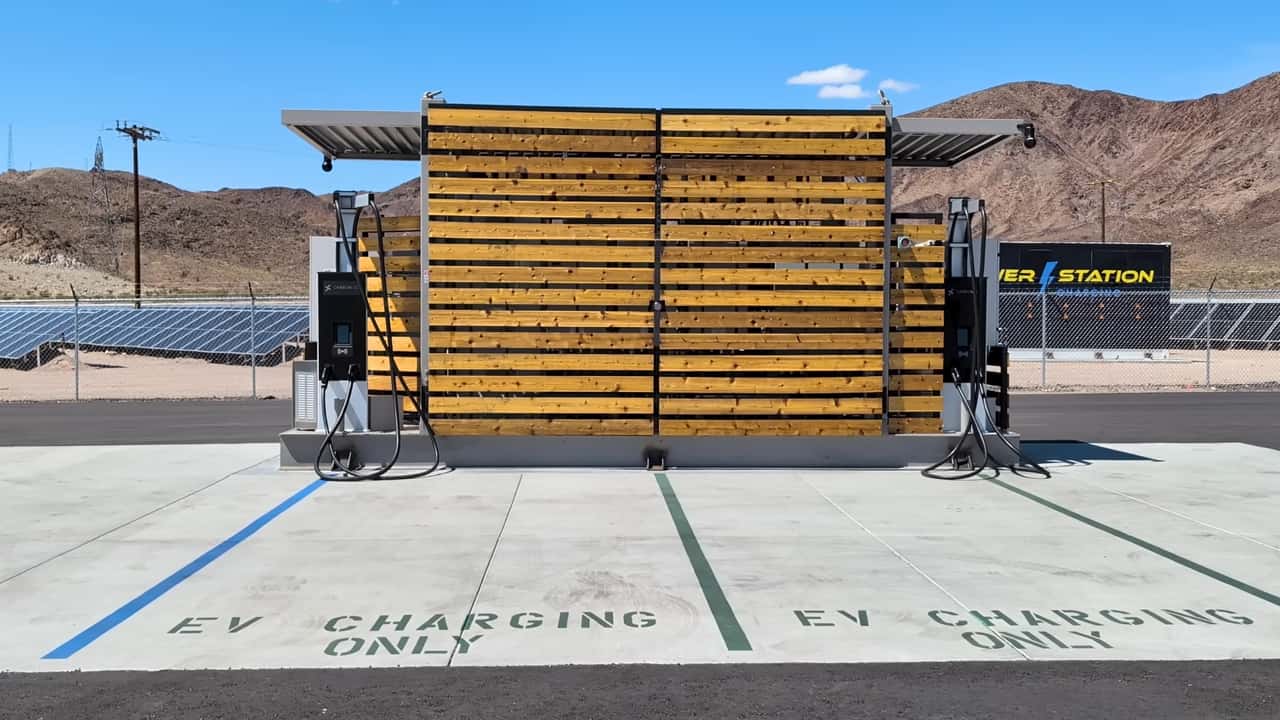
Off Grid EV Fast Chargers Available at No Cost
California startup PowerStation Charging debuts a solar-powered EV fast-charging station in Baker, utilizing 1,080 solar panels and a 3.4-megawatt-hour battery to deliver up to 640 kilowatts of power. The station offers free EV charging until May 31, 2026, with four CCS1 ports currently available and six NACS ports planned for later this summer, increasing shared output to 600 kW. The project reflects a growing trend of renewable-energy-powered charging stations in the U.S., with three additional solar-powered DC fast-charging stations in development across California, mirroring innovative projects like Tesla’s solar-powered Supercharger station in Lost Hills.