NewsJun 27, 2026
Latest launches, price updates, comparisons & expert buying guides for Canada's EV market.
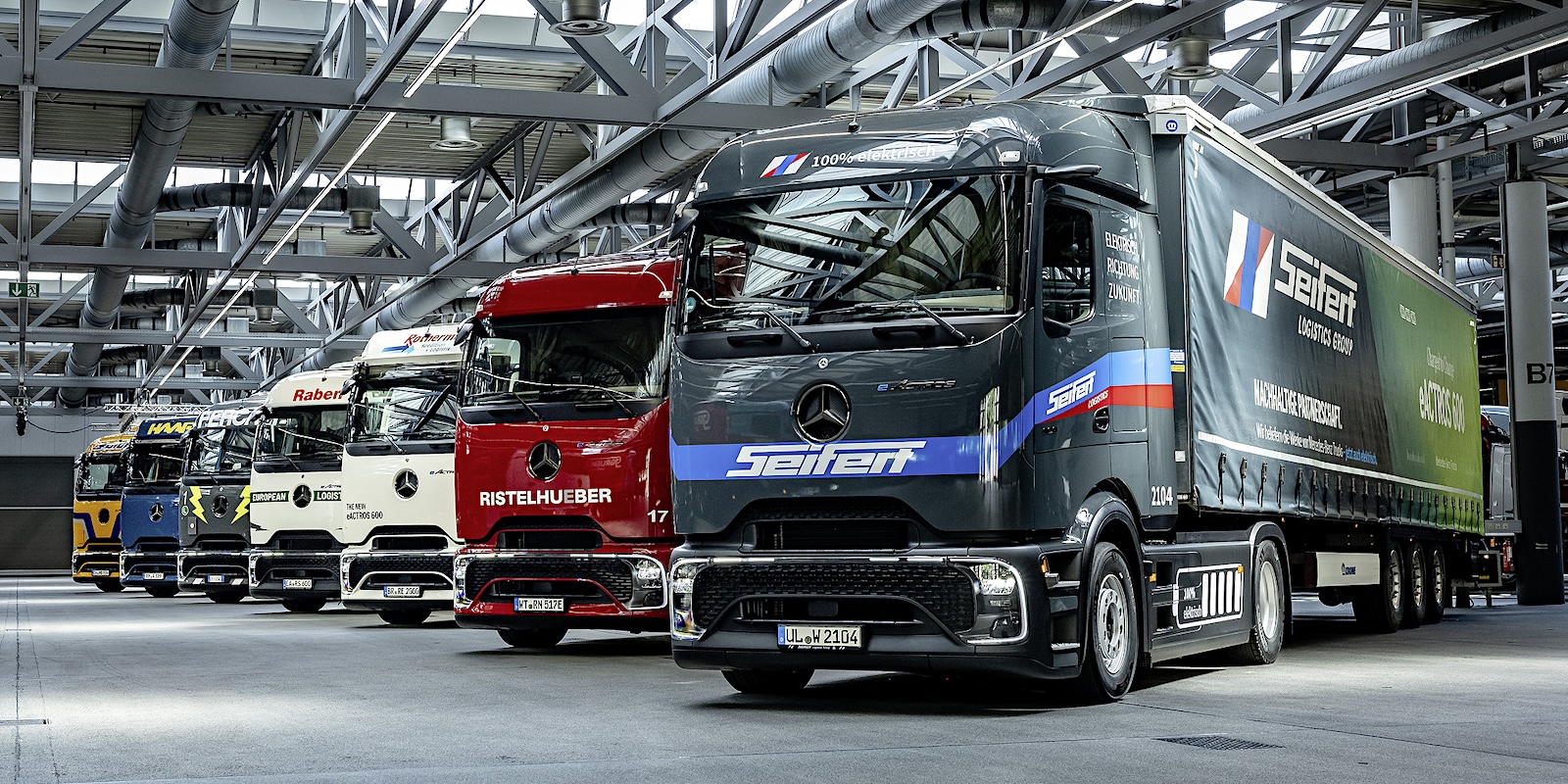
Mercedes-Benz has released real-world data from 80 of its deployed electric semi trucks, demonstrating the viability of electric long-haul transport in Canada with reduced greenhouse gas emissions and operating costs.. A notable example of an eActros 600 electric truck achieves a daily mileage of around 600 kilometres, reducing greenhouse gas emissions by 90 metric tons of CO2e annually and saving over €4,000 per month in tolls, making it an attractive option for Canadian fleets.. The Canadian government's iZEV incentives and provincial rebates, combined with the investment in public charging infrastructure, are making the adoption of electric semi trucks more economically viable, with the eActros trucks achieving an impressive 1.61 kWh/mile efficiency comparable to the Tesla Semi.
Polestar's Canadian sales will continue uninterrupted despite a US ban due to the brand's Chinese ownership, allowing Canadian consumers to still explore their electric vehicle (EV) lineup and take advantage of iZEV incentives and provincial rebates.. The brand's Canadian pricing and availability will remain unchanged, with a focus on delivering high-performance, environmentally friendly EVs that qualify for Canadian government incentives and provincial rebates.. Polestar's commitment to the Canadian market is expected to capitalize on the country's growing demand for electric vehicles, offering a range of EV models with impressive kilometre ranges and sleek designs to Canadian drivers.
The Kia PV5 cargo van boasts a spacious 5,016 litres of cargo room and an estimated range of up to 360 kilometres on a single charge, making it an attractive electric vehicle option for Canadian businesses and individuals.. The PV5 qualifies for Canadian EV rebates, including the federal iZEV incentive program, which offers a rebate of up to $5,000, as well as potential provincial rebates such as British Columbia's Specialty-Use Vehicle Incentive Program.. The Kia PV5 cargo van is expected to be available in Canada in the near future, with competitive pricing anticipated, and is well-suited for a variety of applications, from commercial use to outdoor enthusiasts seeking a versatile and environmentally friendly electric vehicle.
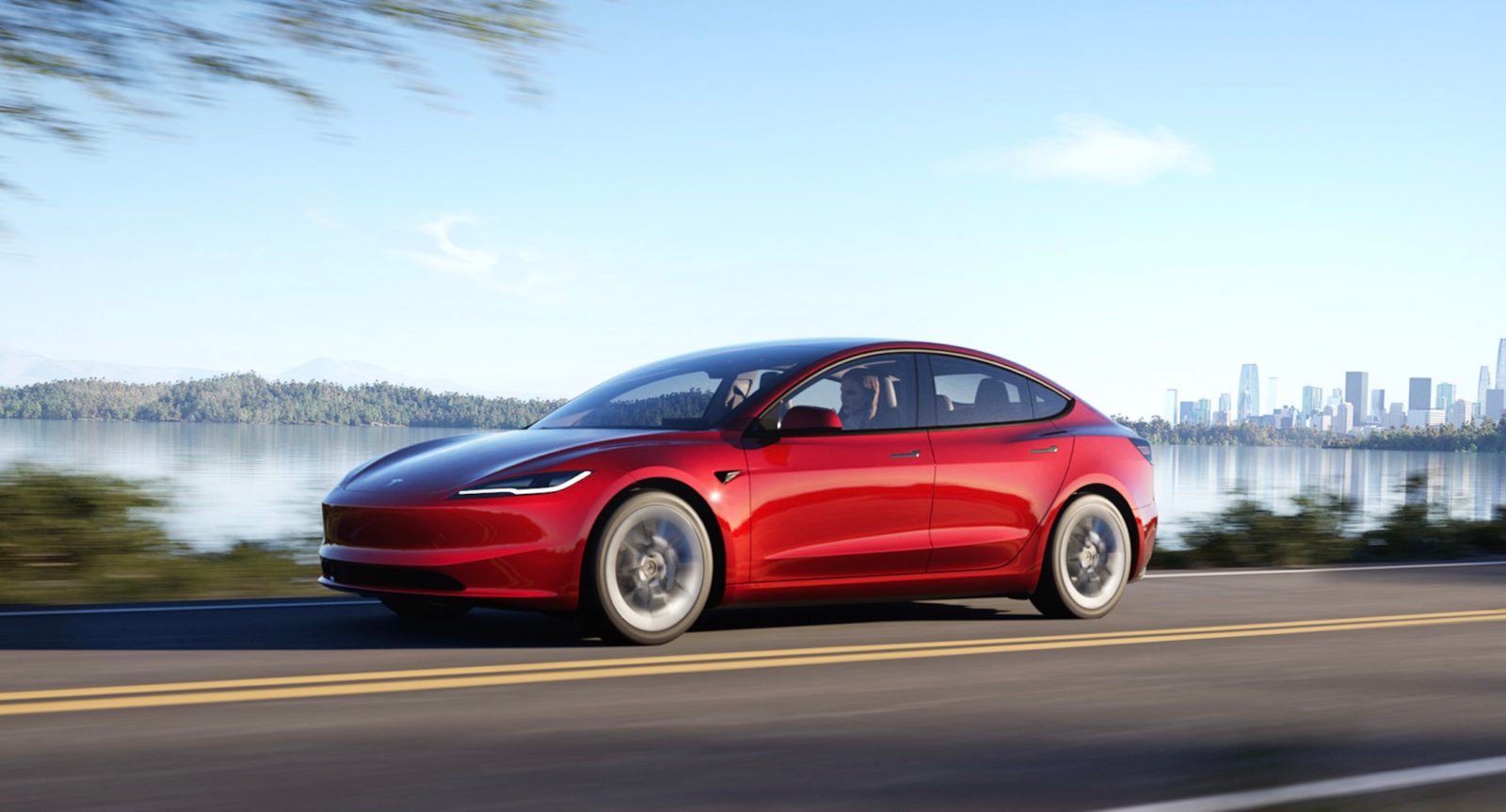
Tesla is expected to deliver 406,024 vehicles in Q2 2026, representing a 5.7% growth over Q2 2025, with Canadian EV adoption driven by federal iZEV incentives and provincial rebates.. The estimated delivery numbers include 392,625 Model 3 and Model Y units, with Canadian pricing varying for these popular electric vehicle models, and availability expected to continue through Tesla's Canadian centre in Toronto.. Tesla's energy business is expected to grow, with 13.8 GWh of energy storage deployments in Q2 2026, having significant implications for Canada's grid and renewable energy sector, particularly with the use of energy storage systems like Tesla's Powerwall.

The 2026 Jeep Recon EV is now available for order in Canada, starting at $88,285 for the range-topping Moab edition, which features a dual-motor all-wheel drive setup delivering 650 horsepower and 620 lb-ft of torque.. This electric off-roader boasts an official EPA-estimated range of 222 miles, equivalent to approximately 357 kilometres, and can accelerate from 0 to 60 mph in as little as 3.6 seconds, making it a capable electric vehicle for Canadian drivers.. Canadian buyers of the Jeep Recon EV may be eligible for the iZEV incentive, offering up to $5,000 in rebates, as well as additional provincial rebates, such as the Ontario government's Electric Vehicle Incentive Program, which offers up to $1,000 in rebates for eligible electric vehicles.
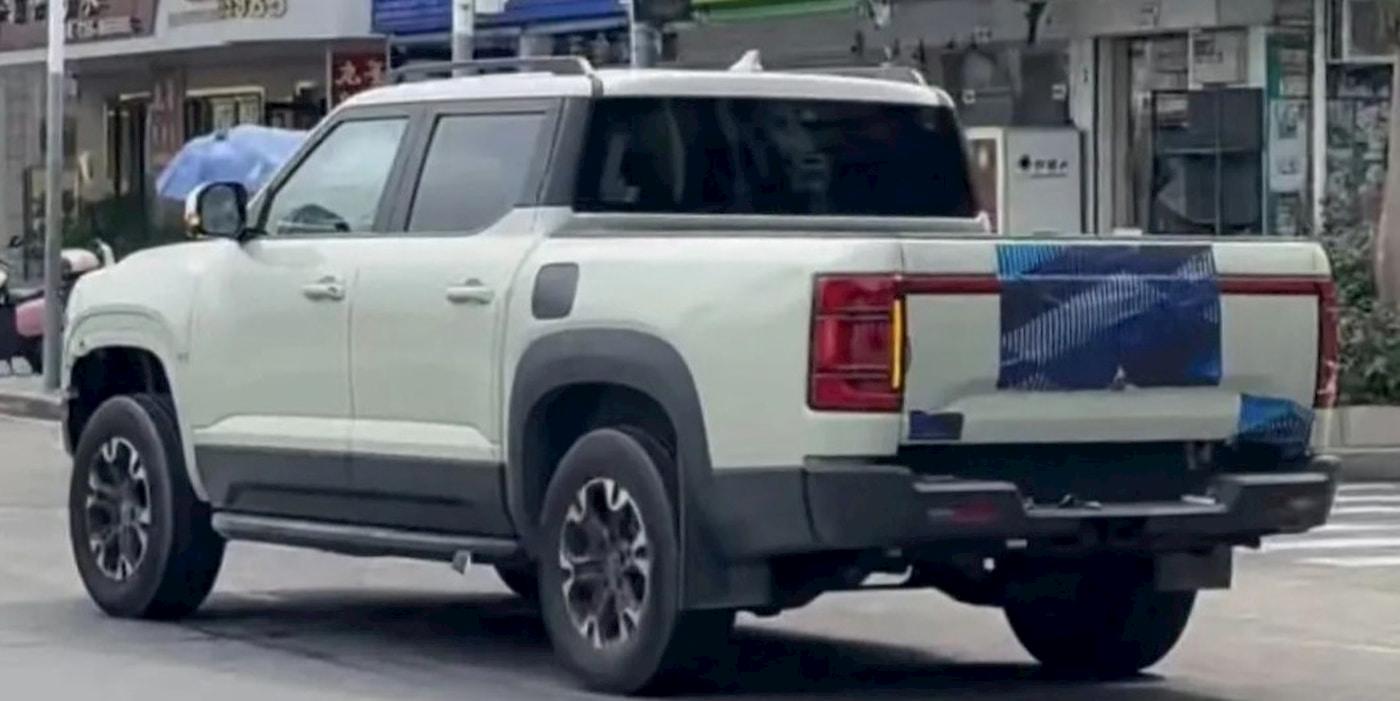
The BYD Shark, a plug-in hybrid pickup, has been spotted testing in China with a new design, ahead of its expected launch in the country by the end of 2026 under the Fang Cheng Bao sub-brand, potentially paving the way for its introduction to the Canadian electric vehicle market.. The BYD Shark features a rugged design, measuring 5,457 mm in length, and is powered by BYD's DMO Super Hybrid system, which includes a 1.5T 4-cylinder engine and dual electric motors, producing a combined maximum output of 429 hp and offering an NEDC pure-electric driving range of approximately 100 km.. If introduced in Canada, the BYD Shark would likely qualify for the Canadian government's iZEV incentive program, offering a rebate of up to $5,000, and its pricing could start in the range of $40,000 to $60,000, depending on the trim level and features, making it a competitive option in the Canadian hybrid pickup and electric vehicle market.
The Electrek Podcast covers the latest news on electric vehicles, renewable energy, and sustainable transport, airing live every Friday at 4 p.m. ET on the Electrek YouTube channel, providing valuable insights for Canadian EV enthusiasts.. Slate's new $25,000 electric pickup truck could disrupt the Canadian electric vehicle market, with potential pricing as low as $20,000 after government iZEV incentives and provincial rebates in provinces like British Columbia and Ontario.. The podcast discusses key topics affecting Canadian EV consumers, including Polestar's US market ban and its implications for Canada, as well as Tesla's Full Self-Driving (FSD) technology and its potential risks and benefits for Canadian drivers.
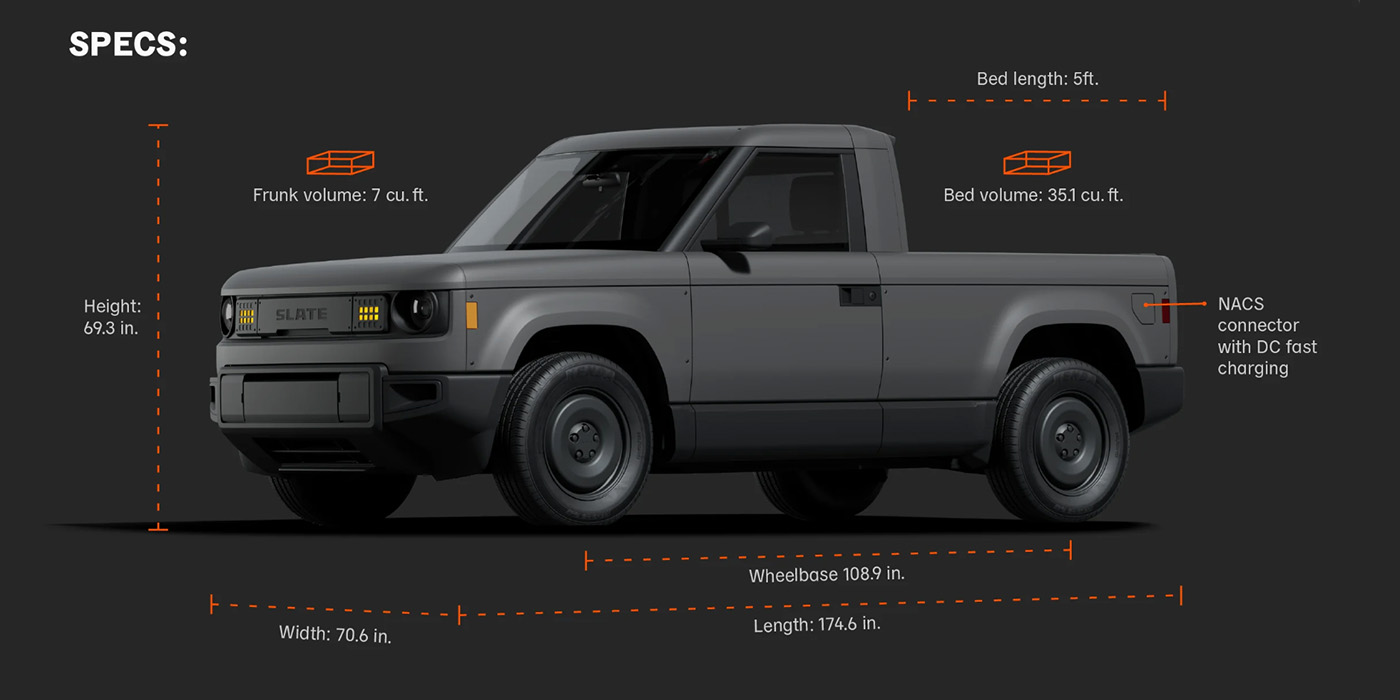
The Slate Auto electric truck is now available for purchase in Canada, with a starting price of under $20,000 CAD, depending on provincial rebates and incentives for electric vehicles (EVs).. The base model features a 65 kWh LFP battery pack, 181 hp rear motor, and an estimated range of 330 kilometres, making it a competitive option in the Canadian electric truck market.. Canadian buyers can take advantage of federal and provincial incentives, including the iZEV incentive and programs like British Columbia's SCRAP-IT and Quebec's Roulez Vert, to reduce the cost of the Slate Auto electric truck and make electric vehicle ownership more affordable.
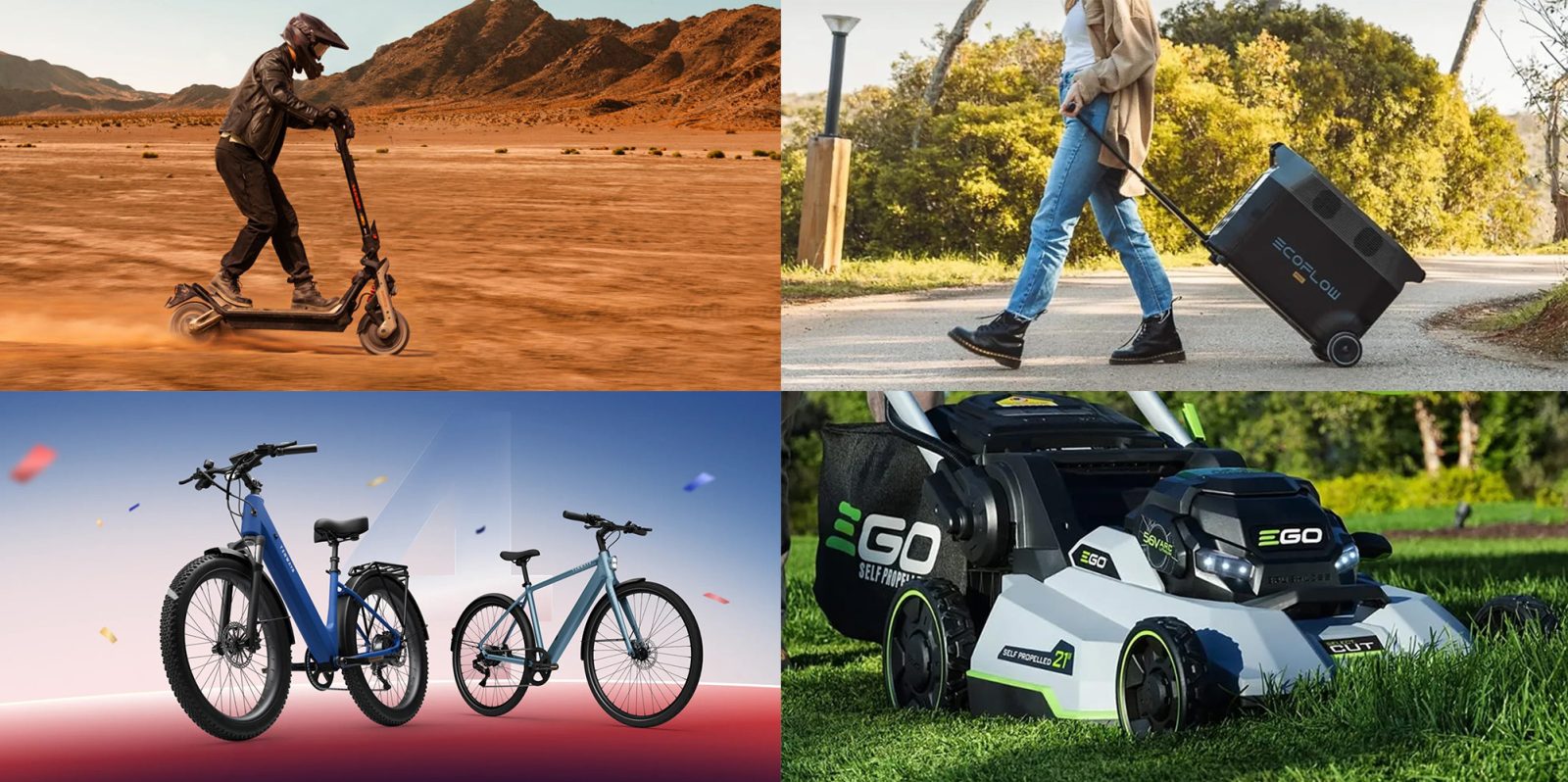
Canadian EV enthusiasts can snag deals on electric vehicles and accessories during Amazon's Prime Day, including the Segway GT3 Pro Electric SuperScooter, now $2,500, a $200 savings from its usual price, featuring twin 1,700W motors and a 72V 2,160Wh battery.. EcoFlow's Prime Day Sale offers significant discounts, including the 3,600Wh DELTA Pro Portable Power Station, now priced at $1,399, a $1,200 markdown, ideal for Canadian outdoor enthusiasts with its 3,600Wh LiFePO4 capacity and compatibility with solar panel input and EV charging stations.. Tenways' 4th of July Super Sale provides up to $600 discounts on premium e-bikes, including the CGO600 Pro Commuter e-bike, now available with a $118 free bundle at $1,599, making it a great time for Canadians to invest in electric bikes or scooters with government incentives and provincial rebates.
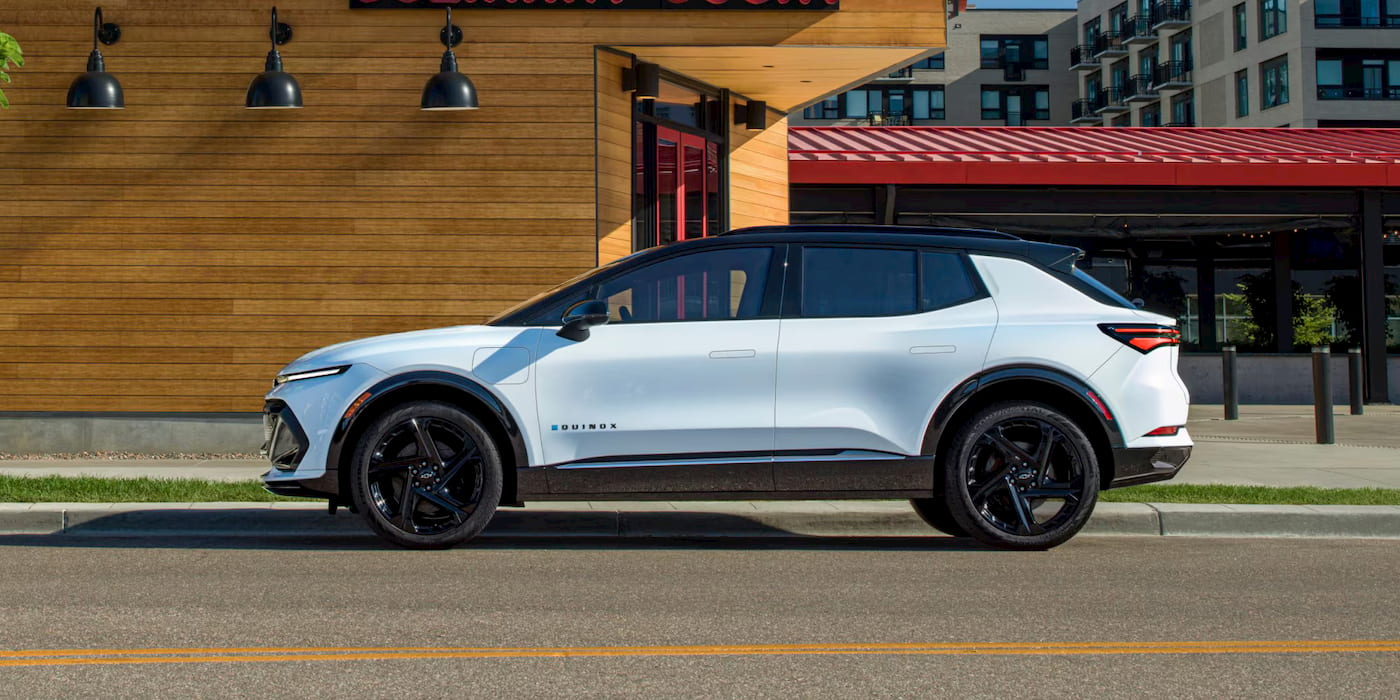
General Motors is set to launch a new electric vehicle platform, codenamed BEV-N, in late 2028, with the Chevy Equinox EV being the first model to utilize this technology, offering improved efficiency and faster charging speeds for Canadian electric vehicle buyers.. The new platform is expected to support advanced features, including eyes-off self-driving on highways, and will offer enhanced safety and convenience features, with the potential to exceed the current EPA-estimated range of up to 512 kilometres for FWD models and 493 kilometres for AWD models.. The Chevy Equinox EV on the BEV-N platform is expected to be competitively priced with other electric vehicles in the Canadian market, with pricing for current models starting at around $40,000 before incentives, and may be eligible for the federal iZEV incentive and provincial rebates.
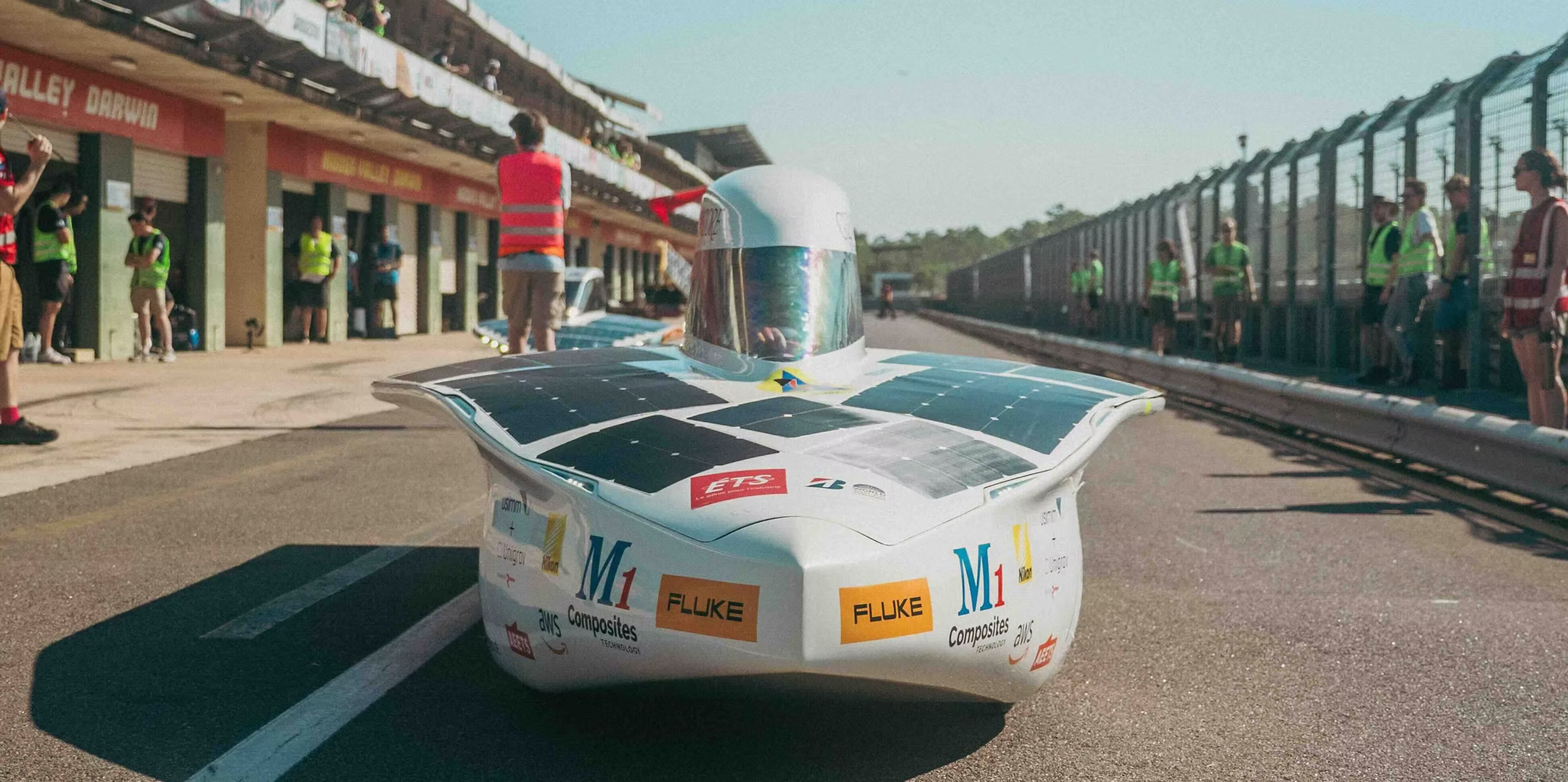
The Canadian solar car team Éclipse from École de technologie supérieure (ÉTS) in Montreal is set to compete in the 2026 Electrek Formula Sun Grand Prix (FSGP) and American Solar Challenge (ASC) in Minnesota, leveraging their 33 years of experience in building solar cars and electric vehicles (EVs).. Éclipse's new car, Éclipse 12, features a revolutionary three-wheel tadpole design, improved array cooling system, and a lighter and more efficient design, making it a strong contender for the upcoming races and showcasing innovative EV technology.. The FSGP and ASC will feature rule changes, including an increased solar panel limit and reduced battery size, which will provide teams with 50% more energy to utilize and require them to adapt and optimize their strategies to maximize their energy output in the electric vehicle (EV) competition.. The innovations and technologies developed by Canadian teams like Éclipse have broader implications for the Canadian electric vehicle (EV) market, informing and accelerating the development of more efficient and sustainable EV technologies, and contributing to Canada's EV ecosystem and infrastructure.. The expertise and knowledge gained through solar car racing can be applied to real-world EV applications, making Canadian teams like Éclipse an important part of the country's EV industry, with potential impacts on Canadian EV pricing, availability, and adoption.
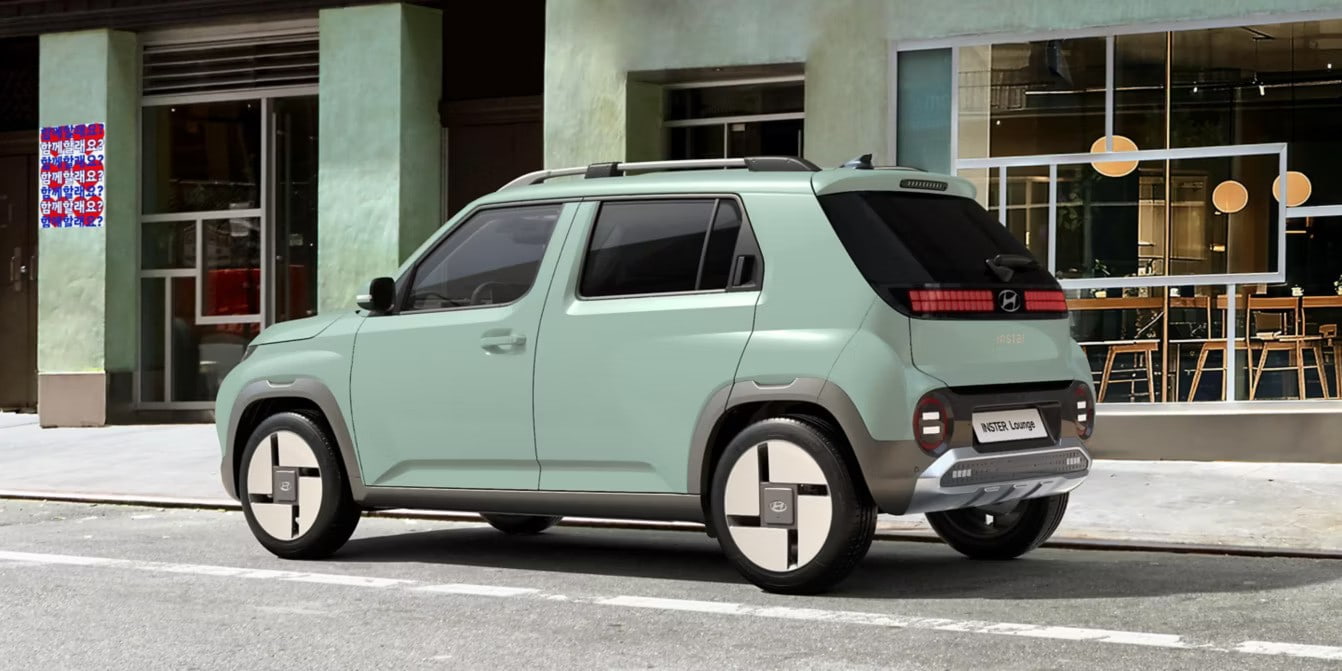
The Hyundai Inster Lounge, a luxury-focused compact electric SUV, has been launched in Europe with a premium interior, natural leather seats, and advanced features, and is expected to be a strong contender in the Canadian market with potential qualification for the iZEV incentive program.. The Inster Lounge offers two battery options: a 42 kWh battery with a 95 hp electric motor and a 49 kWh battery with a 112 hp motor, providing a range of up to 360 kilometres and DC fast-charging capacity of 120 kW for convenient long road trips.. Canadian pricing has not been announced, but the vehicle is expected to be priced around $40,000-$45,000, considering the European price of €29,850 ($35,000) for the 49 kWh battery option, making it an affordable electric vehicle option for urban commutes and road trips across Canada.

The Amazon Prime Day Sale event is now live in Canada, offering discounts on eco-friendly tech, including electric vehicle (EV) accessories and electric tools, with the sale running for four days.. Canadian shoppers can enjoy discounts on power stations and electric tools, and also take advantage of the federal government's iZEV incentive program, which offers up to $5,000 in rebates for eligible EVs, with some provinces offering additional rebates.. Although no specific EV deals are mentioned, Canadians can still find savings on related products and accessories, with free shipping available on many items, making it a great time to shop for eco-friendly and electric vehicle-related products online.
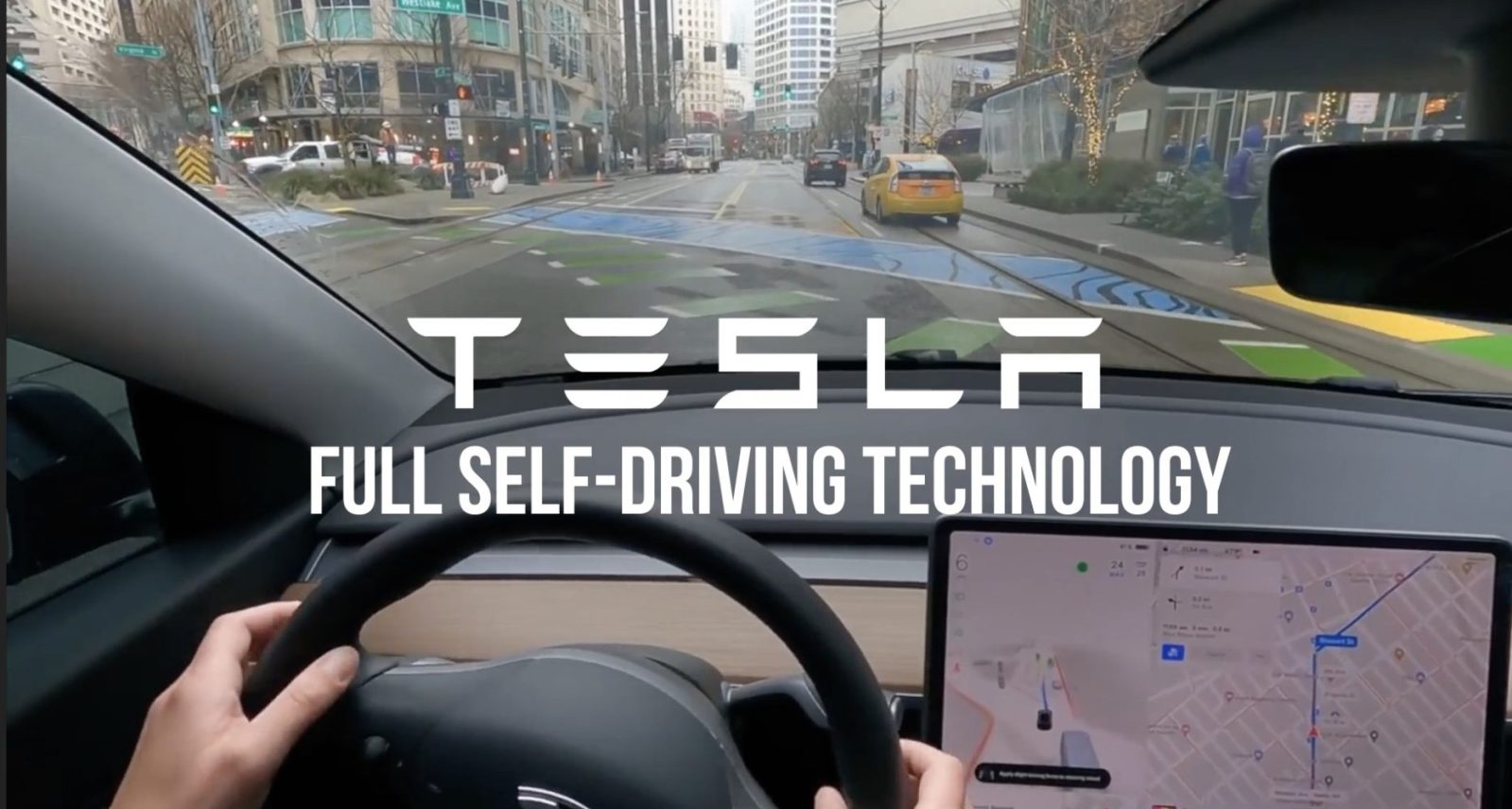
Tesla has settled a lawsuit with the family of a 71-year-old pedestrian, Johna Story, who was killed by a Model Y operating in "Full Self-Driving" (FSD) mode on an Arizona highway, with the terms of the settlement not disclosed.. The fatal crash, which occurred on November 28, 2023, is the first known pedestrian death tied to FSD and triggered a federal investigation into 3.2 million Tesla vehicles, highlighting concerns over the electric vehicle's autonomous driving system.. The National Highway Traffic Safety Administration (NHTSA) has upgraded its probe into FSD to an Engineering Analysis, citing the system's failure to detect common roadway conditions that impair camera visibility, posing a significant regulatory threat to Tesla's autonomous driving technology in the Canadian and US electric vehicle markets.