Jun 25, 2026
Toyota Lexus Subaru Electric Vehicle Recall Affects Over 20000 Cars
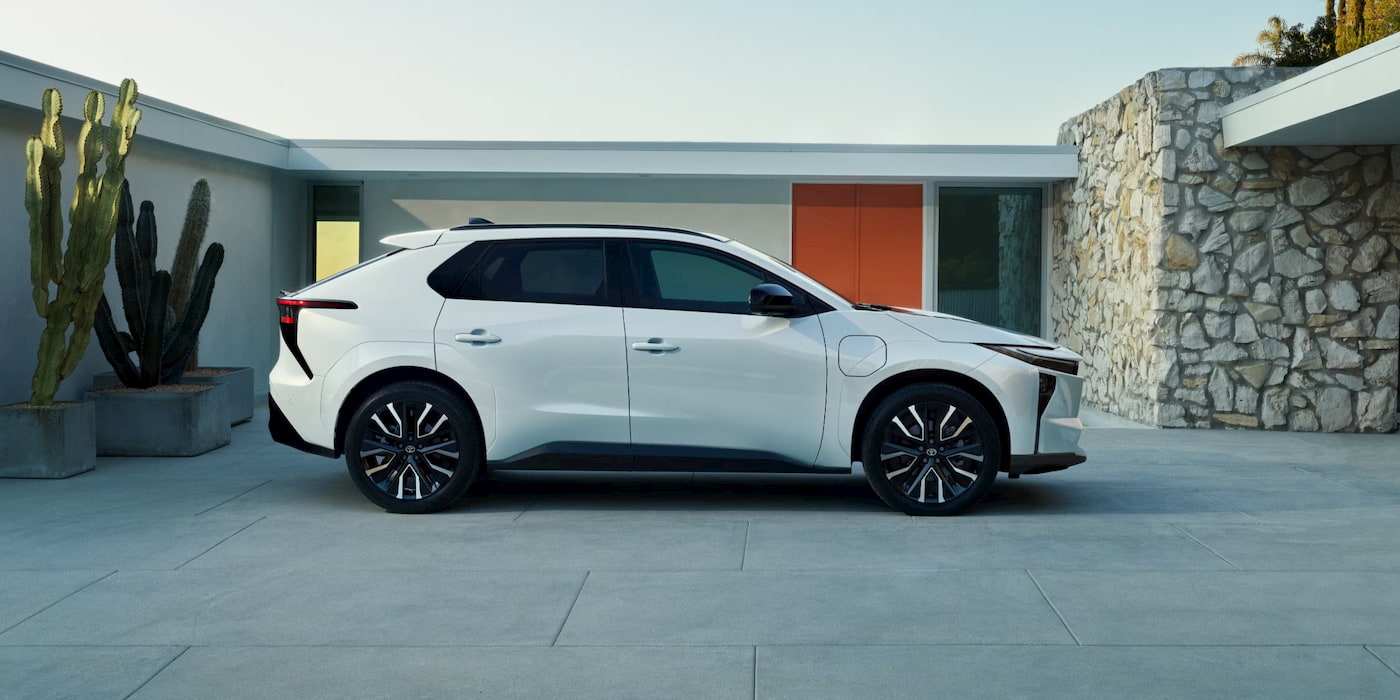
Toyota has issued a recall of approximately 21,000 electric vehicles in North America, including the Toyota bZ, Subaru Solterra, and Lexus RZ models, due to a potentially faulty electronic control unit (ECU) that could cause a loss of power and increase the likelihood of a crash, affecting the electric SUV segment.. The recall includes 11,495 Toyota bZ models, 4,757 Subaru Solterra models, and 4,739 Lexus RZ models, with Canadian owners likely to be affected and eligible for a free update to the battery ECU at their local dealer, supporting the growth of the Canadian electric vehicle market.. Canadian owners of affected electric vehicles may be eligible for incentives such as the iZEV program, which offers a rebate of up to $5,000 for the purchase of eligible electric vehicles, and can contact Toyota's customer service or visit the Transport Canada website for more information on the recall and available EV incentives.

Jun 25, 2026
Lexus ES EV Real World Range Test Falls Short of Competitors
The 2026 Lexus ES 350e, an all-electric luxury sedan, achieved a real-world driving range of 293 miles, slightly exceeding its EPA-estimated 292 miles, with an efficiency of 26.6 kWh per 100 miles, making it a viable electric vehicle (EV) option for Canadian drivers.. The Lexus ES 350e is priced competitively, starting at $48,795 for the Premium trim, compared to other electric vehicles like the Audi A6 e-tron and BMW i5 xDrive40, which are priced at $65,900 and $70,100 respectively, making it an attractive choice for Canadian EV buyers.. The 2026 Lexus ES 350e is expected to be available in the Canadian market, with potential eligibility for the iZEV program and provincial rebates, which could reduce the purchase price by up to $5,000, further increasing its appeal as a luxury electric vehicle in the Canadian EV market.
Jun 25, 2026
CATL Says Solid State Batteries Not Expected to Leap Forward Until 2030
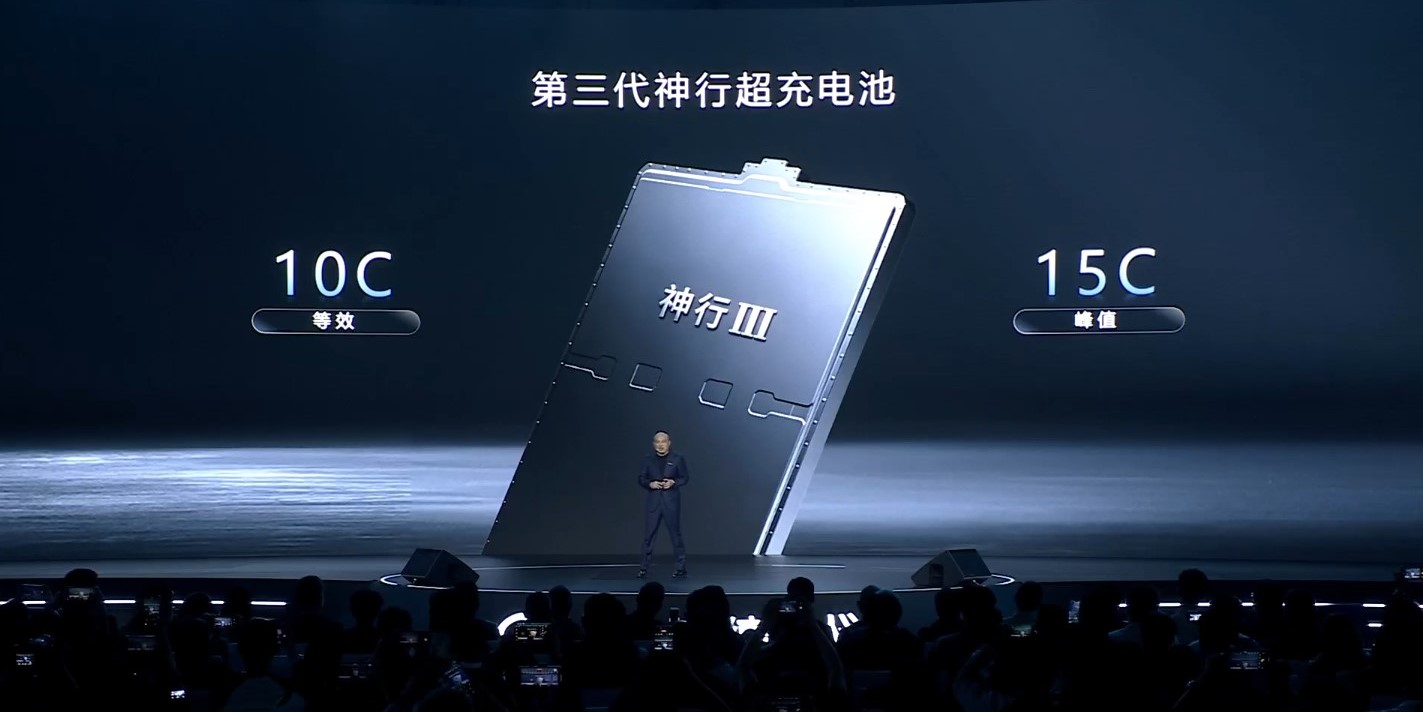
The founder of CATL, the world's largest EV battery maker, has expressed skepticism about the readiness of solid-state batteries, predicting an inflection point won't arrive until 2030 and warning of their uncertain commercial viability, which may impact the Canadian EV market.. Semi-solid-state batteries are already being marketed in some Chinese EVs, but these are not true solid-state batteries, which remove the liquid electrolyte entirely, and Canadian consumers should be aware of the difference and potential limitations.. Mass production of all-solid-state batteries is still six years away, with CATL aiming for small-scale production by 2027 and a capacity of 5 GWh, which may delay the widespread adoption of EVs in Canada and affect pricing and incentives, including the iZEV program and provincial rebates.. The delayed timeline for solid-state batteries may impact the Canadian EV market, including the availability and pricing of EVs, with major players like Toyota and BYD still planning to launch EVs with all-solid-state batteries between 2027 and 2030, but with potentially limited availability and high pricing.. Canadian consumers and EV manufacturers should prepare for a longer wait before solid-state batteries become widely available, which may affect the adoption of electric vehicles in Canada and the country's efforts to meet its EV sales targets and reduce greenhouse gas emissions.
Jun 25, 2026
BYD Simplifies Public Electric Vehicle Charging and Parking
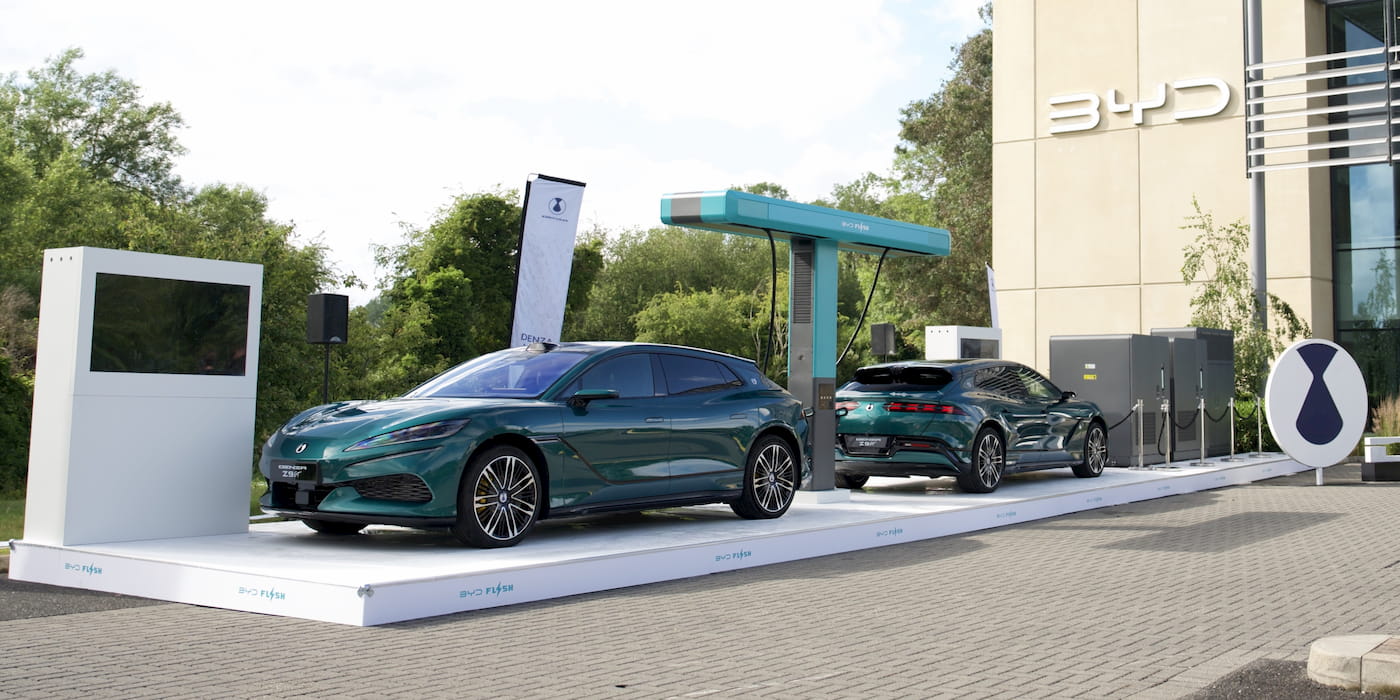
Canadian drivers of BYD electric vehicles will soon have access to ParkPay, a convenient in-car service that simplifies finding and paying for parking, with potential availability in Canada after its 2027 launch in Europe.. The ParkPay service will be integrated into BYD's mobility app and come pre-installed in new BYD vehicles, including the Denza Z9 GT and BYD Atto 3 Evo, with older models receiving the service through over-the-air updates, offering a seamless electric vehicle experience.. The Denza Z9 GT, which features a 122.49 kWh battery and 599 km driving range, is expected to be priced competitively in the Canadian market, with the Canadian government's electric vehicle incentives and provincial rebates potentially making it a more affordable luxury EV option.
Jun 25, 2026
Tesla Increases Giga Berlin Workforce by 1000 to Meet Growing European Demand
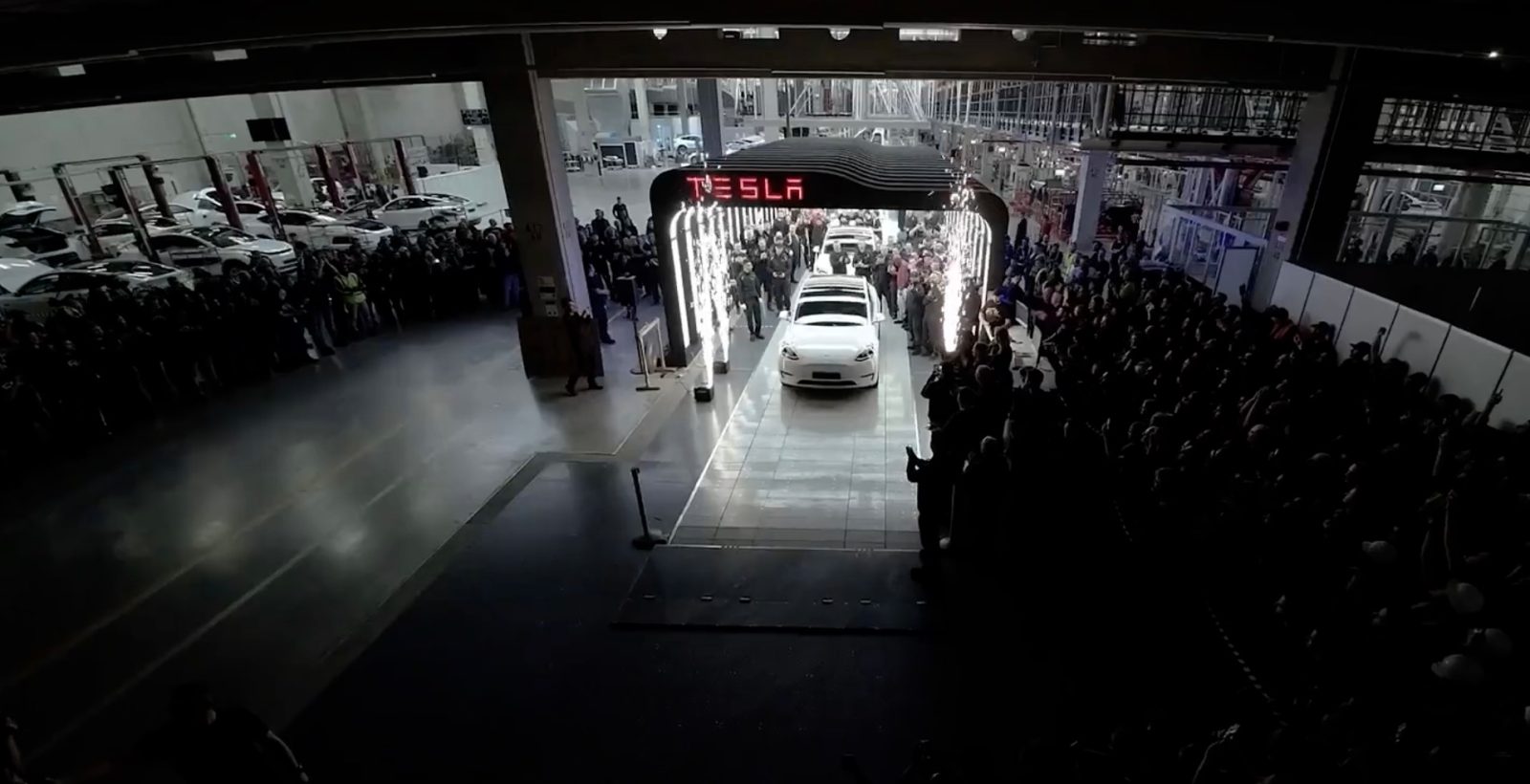
Tesla is expanding its European operations with a hiring push of 1,000 workers at its Gigafactory near Berlin, aiming to increase production to 7,500 electric vehicles (EVs) per week by October, capitalizing on renewed demand for EVs in the region.. The growth in European EV demand, with EU registrations of battery-electric cars increasing by 67% year-over-year, is expected to have a ripple effect in the Canadian market, potentially leading to more affordable options and increased competition for Canadian EV buyers.. As Tesla ramps up production, Canadian consumers may see more competitive pricing for models like the Model Y, with the added benefit of incentives like the iZEV program, which offers rebates of up to $5,000 for eligible EV purchases, making electric vehicles more attractive to Canadian buyers.. The expansion of Tesla's European operations may also lead to increased investment in Canadian EV infrastructure, including charging stations and battery production facilities, making it easier for Canadians to adopt EVs and drive long distances without range anxiety.. The growth in global EV demand, driven by factors like rising fuel prices and national incentive programs, is expected to continue, with the Canadian government's iZEV program and provincial rebates poised to drive Canadian EV sales to new heights in the coming years.

Jun 25, 2026
Amble Introduces Street Legal 40 MPH Electric Vehicle Buggy
The Amble One, a new electric vehicle from Portugal-based startup Amble, is designed for short-range transportation in areas like resorts and coastal towns, with a top speed of 65 km/h and an all-electric range of up to 100 km.. The Amble One features a 15 kW motor and an 11 kWh battery, with a starting price of around $25,000 before taxes and fees, making it eligible for Canadian incentives like the iZEV program, which offers a rebate of up to $5,000.. The Amble One is expected to be available in Canada in 2028, targeting high-end resorts and destination properties, and may benefit from growing demand for low-speed electric vehicles in areas with high tourism traffic, such as Whistler, Banff, or Quebec City.

Jun 25, 2026
Best Green Prime Day Deals on Electric Vehicles Power Stations and Smart Home Devices
The Amazon Prime Day Sale offers Canadians significant discounts on eco-friendly technology, including electric vehicles (EVs) and EV charging stations, with the sale event running for four days and featuring new deals added throughout.. Canadian EV buyers can take advantage of the federal government's iZEV incentive program, which offers up to $5,000 in rebates for eligible EV purchases, in addition to potential discounts on EVs and eco-friendly products during the Prime Day Sale.. Canadians can enjoy discounts on various tech products, including smartphones and smartwatches, as well as eco-friendly accessories like electric tools and power stations, with some items available at all-time low prices and eligible for free shipping and other perks.
Jun 25, 2026
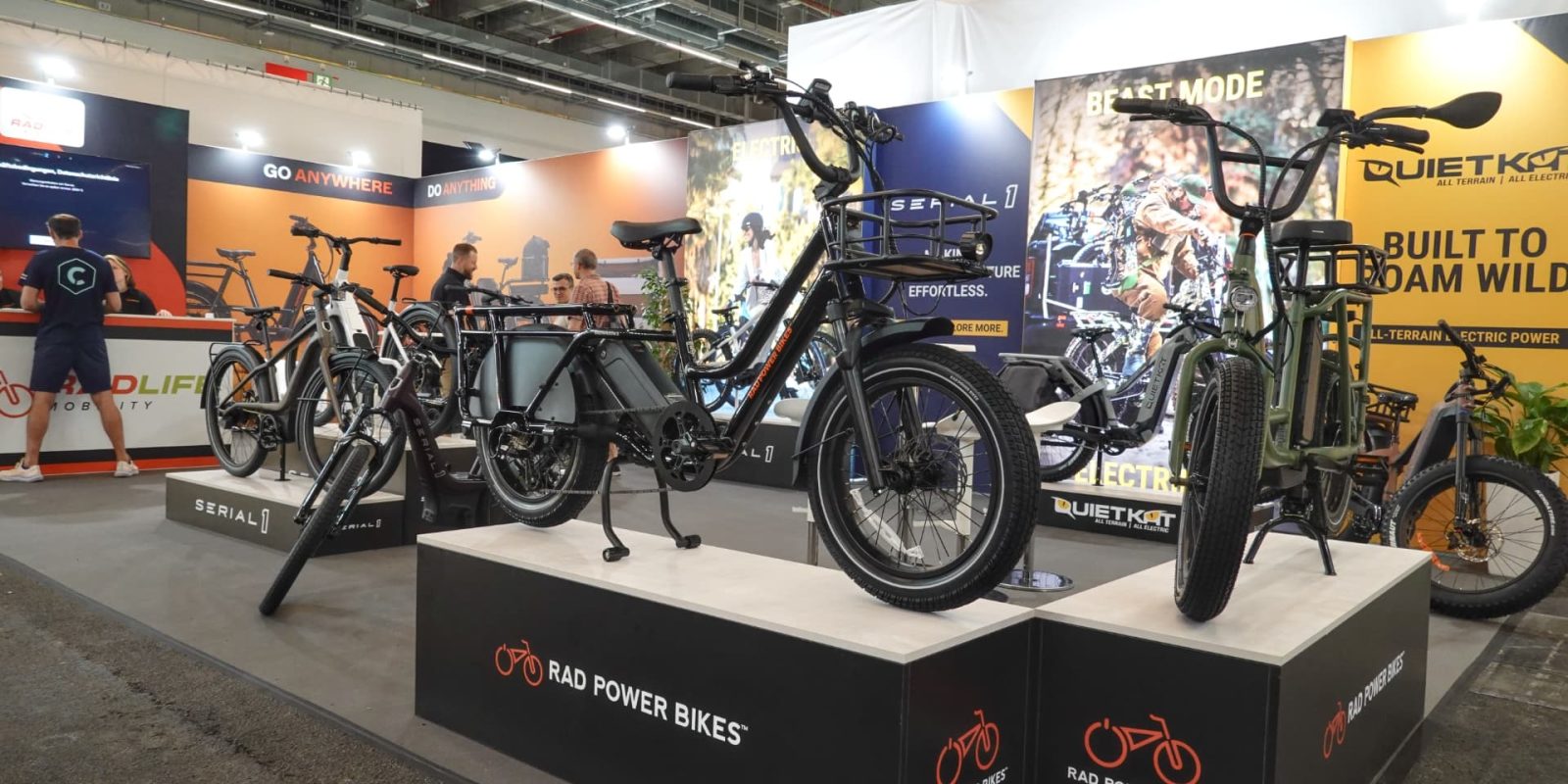
Rad Power Bikes showcases electric bike lineup at Eurobike under new ownership
Rad Life Mobility is expanding its e-bike portfolio in North America through strategic acquisitions, including Rad Power Bikes, Serial 1, and potentially QuietKat, to cater to different segments of the electric bike market.. The company's portfolio expansion is expected to benefit Canadian customers with access to a large dealer network of around 80 dealers, better service and support options, and a wider range of e-bike models with competitive Canadian pricing and eligibility for iZEV incentives and provincial rebates.. Rad Life Mobility is committed to investing in product development, with new e-bike models in the works, including designs tailored to the Canadian market with features such as improved battery life and advanced safety features, to provide Canadian customers with more options for electric bicycles.. The company's Safe Shield battery upgrade program offers a 50% discount on battery replacement for affected Rad Power Bike models, demonstrating its commitment to safety and providing peace of mind for Canadian e-bike owners.. With its growing portfolio of brands and investment in product development, Rad Life Mobility is poised to become a major player in the North American e-bike market, with a significant presence in the Canadian electric vehicle market and a strong network of dealers and service centres across the country.
Jun 25, 2026
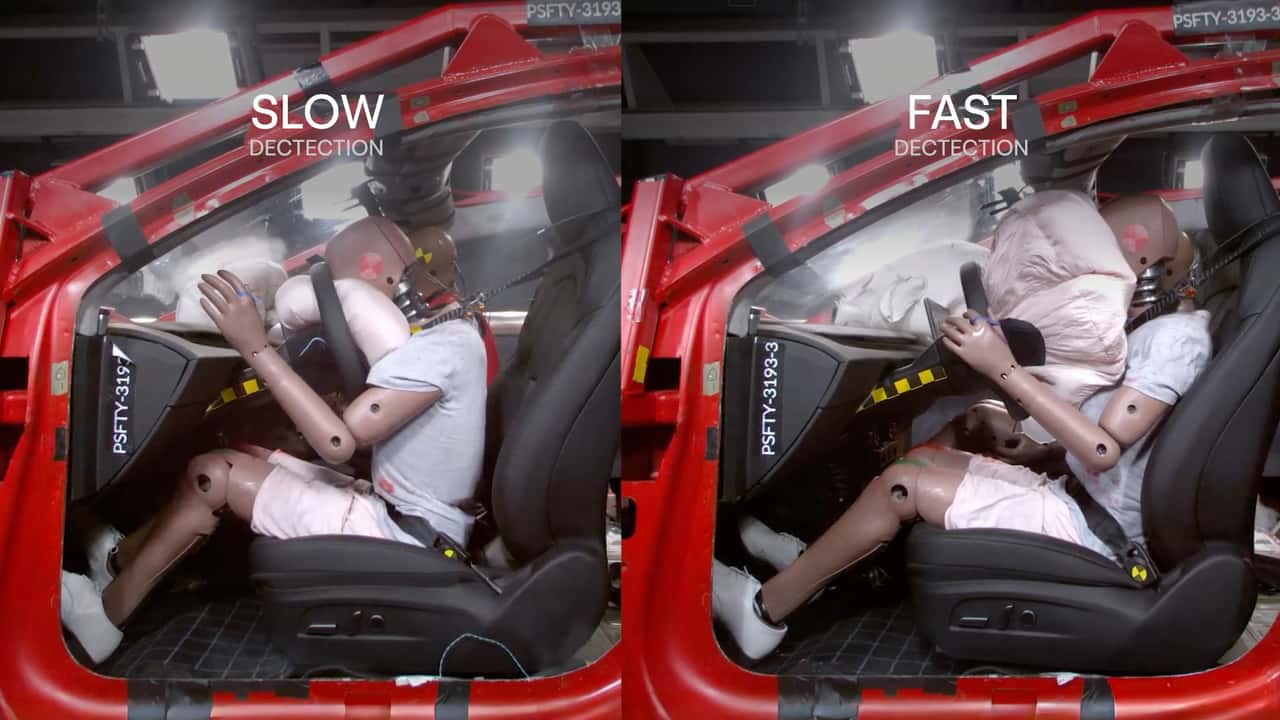
Tesla Cars to Deploy Airbags Pre Crash Using Camera Technology
Tesla has introduced a new safety feature that utilizes its camera array to prepare for potential crashes, deploying airbags up to 70 milliseconds earlier and enhancing occupant safety in its electric vehicles (EVs).. The camera array can identify the type of impact, estimate when contact will occur, and judge its likely severity, allowing the car's restraint systems to prime and prepare for impact, thereby boosting safety in Tesla's EV models.. The feature will be made available to existing Tesla vehicles in Canada through a software update, further enhancing the appeal of Tesla electric vehicles in the Canadian market, where safety features and EV incentives like the iZEV programme are highly valued.
Jun 25, 2026
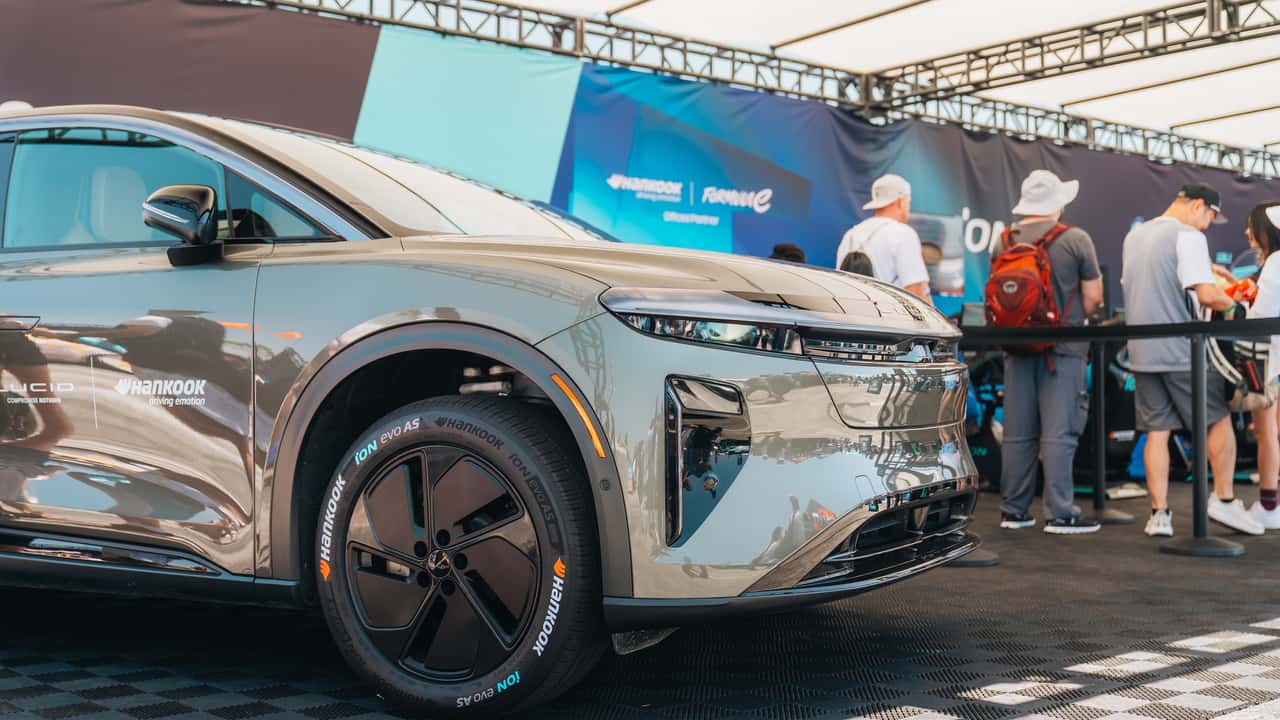
Hankook Improves Electric Vehicle Tire Technology
Demo Days, North America's largest outdoor electric car demo festival, is coming to the US but has no announced Canadian dates, leaving Canadian EV enthusiasts to look forward to potential future events and learn about the latest EV models and technologies online.. Hankook's iON tires, designed for electric vehicles, offer improved performance with 18% less road noise, 15% longer tread life, and 10% more stability, as well as up to 6% increased driving range due to low rolling resistance, making them an attractive option for Canadian EV owners.. Canadian EV owners can consider investing in efficient EV tires like Hankook's iON line, which may be eligible for provincial rebates in some provinces, and take advantage of the Canadian government's iZEV incentives, offering up to $5,000 in rebates for eligible vehicles, to reduce their environmental impact and save on costs.
Jun 25, 2026
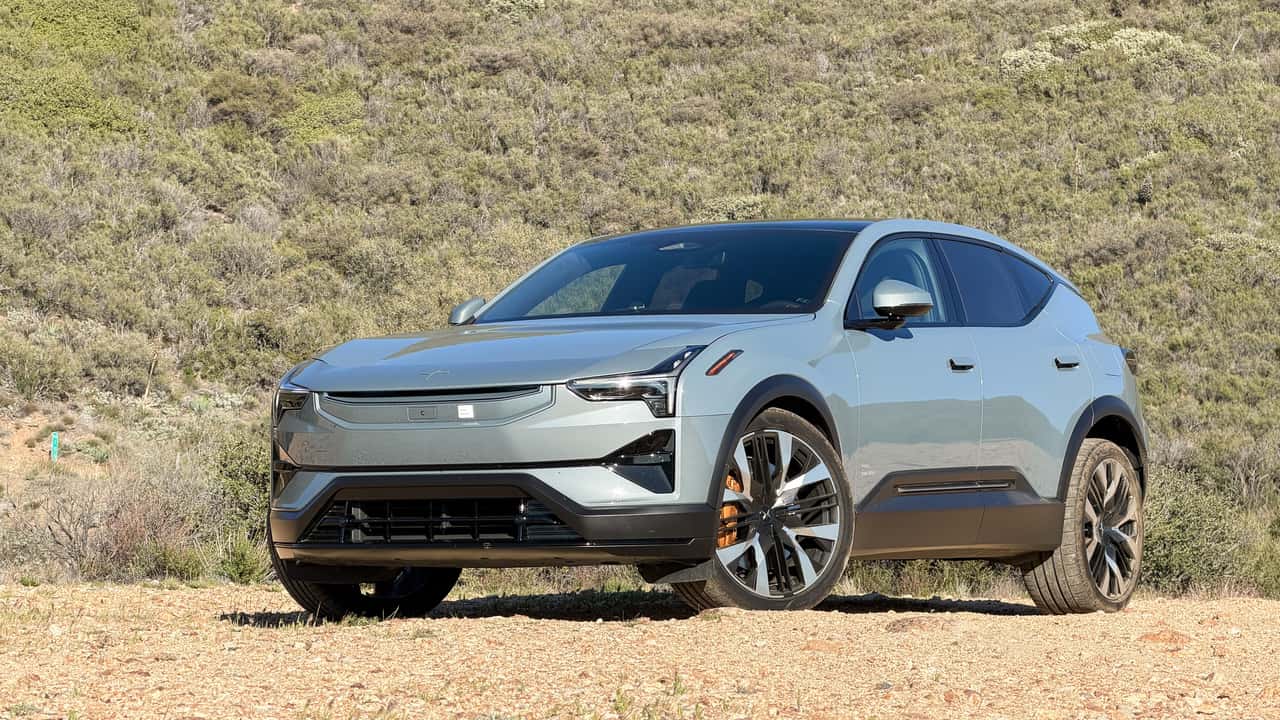
US Forces Polestar to Exit American Electric Vehicle Market
Polestar will cease new vehicle sales in the US due to the country's Connected Vehicle Rule, which restricts the sale of vehicles with Chinese-linked software and hardware, but will continue to focus on the Canadian electric vehicle (EV) market.. Canadian customers can expect to see Polestar vehicles available in the market, including the Polestar 2, with pricing starting at around $50,000 CAD, and eligible for the Canadian government's iZEV incentives and provincial rebates.. Polestar will prioritize growth in regions like Europe, Southeast Asia, and Canada, with upcoming models like the next-generation Polestar 2 crossover and the Polestar 7, which will rival the Tesla Model Y and offer advanced electric vehicle technologies like 800-volt architecture and fast-charging speeds.

Jun 24, 2026
Tesla and Sunrun Partner to Develop Large Virtual Power Plant for Data Centers
Canada has a unique opportunity to leverage distributed power plants, aggregating home batteries and other devices to create a massive virtual power plant, with potential to provide over 16 gigawatts of capacity, supporting the growth of electric vehicles (EVs) and renewable energy.. The Canadian government's iZEV incentives and provincial rebates, such as the Ontario Rebate Program, are making home energy storage systems and electric vehicles more accessible, with costs decreasing and thousands of dollars in savings available for Canadians adopting clean energy technologies.. Provinces like Ontario, Quebec, and British Columbia are well-positioned to adopt distributed power plants, with existing infrastructure and renewable energy resources, and initiatives like BC Hydro's Smart Home program offering incentives for energy-efficient technologies, including home batteries and thermostats for EV owners.. Distributed power plants can be deployed quickly, often in months, and can generate revenue for companies and homeowners, creating new opportunities for businesses and individuals to participate in the energy market, particularly in provinces with existing net metering programs for electric vehicle charging.. The adoption of distributed power plants can help Canada achieve its goal of net-zero emissions by 2050, reducing strain on the grid and providing a more resilient and efficient energy system for electric vehicle owners and the wider population.