Jun 15, 2026
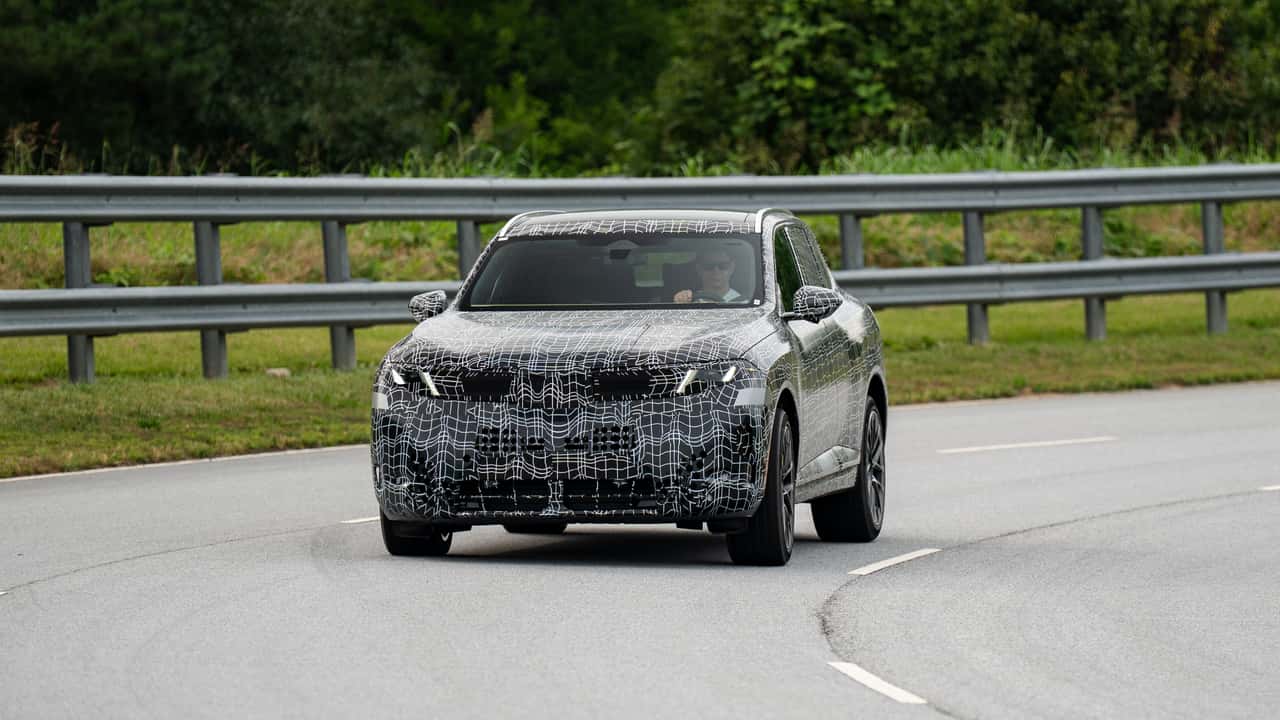
BMW iX5 2027 Features Large Battery Pack Compared to Rivals
The upcoming BMW iX5 electric SUV will feature a massive 144 kWh battery in the US market and 141 kWh in Europe, making it the largest battery in BMW's lineup and rivaling other long-range EVs like the Porsche Cayenne Electric and Lucid Gravity Grand Touring.. The iX5 xDrive 60 is expected to have a range of over 400 miles, and although Canadian pricing has not been announced, it is likely to be eligible for the Canadian government's iZEV incentive program, offering up to $5,000 in rebates for eligible electric vehicles.. The iX5's advanced technology, including cell-to-pack technology and an 800-volt architecture, will help reduce energy consumption and minimize the impact of the large battery on overall efficiency, making it an attractive option for Canadian drivers looking for a long-range electric SUV.
Jun 14, 2026
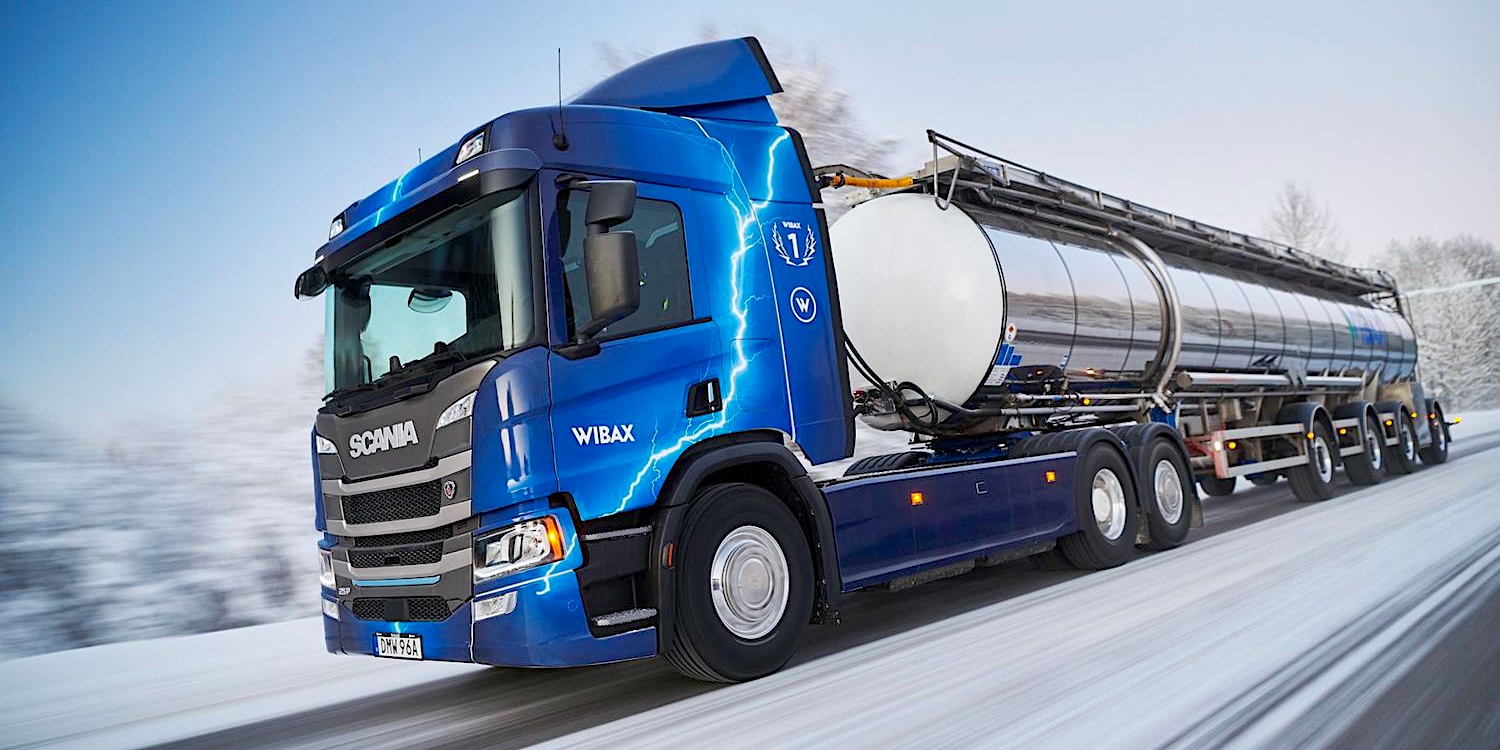
Scania lands major order for 105 electric semi trucks
A landmark order for over 100 battery-electric semi trucks has been placed by Wibax with Scania, marking the largest single sales of electric trucks for bulk transport in the EU, highlighting the growing trend towards electrification of transportation in Europe and relevant to the Canadian electric vehicle market.. The partnership between Wibax and Scania demonstrates a shared commitment to sustainable transportation, with the goal of electrifying Wibax's fleet quickly, and could be applied to Canadian companies with short and repetitive transport routes, where electric trucks and Canadian pricing could be more effective.. The deal underlines the strategic opportunity that battery-electric vehicles represent for customers, particularly in terms of future-proofing fleets to meet developing emissions standards, and Canadian fleet operators can prepare for upcoming emissions regulations by considering electric truck options with long-distance capabilities of over 500 kilometres on a single charge.

Jun 14, 2026
Elon Musk Public Perception and Confidence Survey
A recent survey of over 3,000 Canadians reveals that 67% of respondents do not trust Elon Musk, citing concerns over his handling of controversies and impact on global issues, which may affect the adoption of electric vehicles (EVs) in Canada.. The Canadian government's incentives, such as the iZEV program offering rebates of up to $5,000 for eligible EV purchases, may be hindered by the lack of trust in Elon Musk, with some provinces like British Columbia and Quebec offering additional rebates for EV buyers.. Despite criticisms, some Canadians support Elon Musk's vision for the future of EVs and autonomous driving, but also acknowledge the need for expanded charging infrastructure and affordable EV options, with prices ranging from $30,000 to over $100,000, to increase adoption of electric vehicles in Canada.
Jun 14, 2026
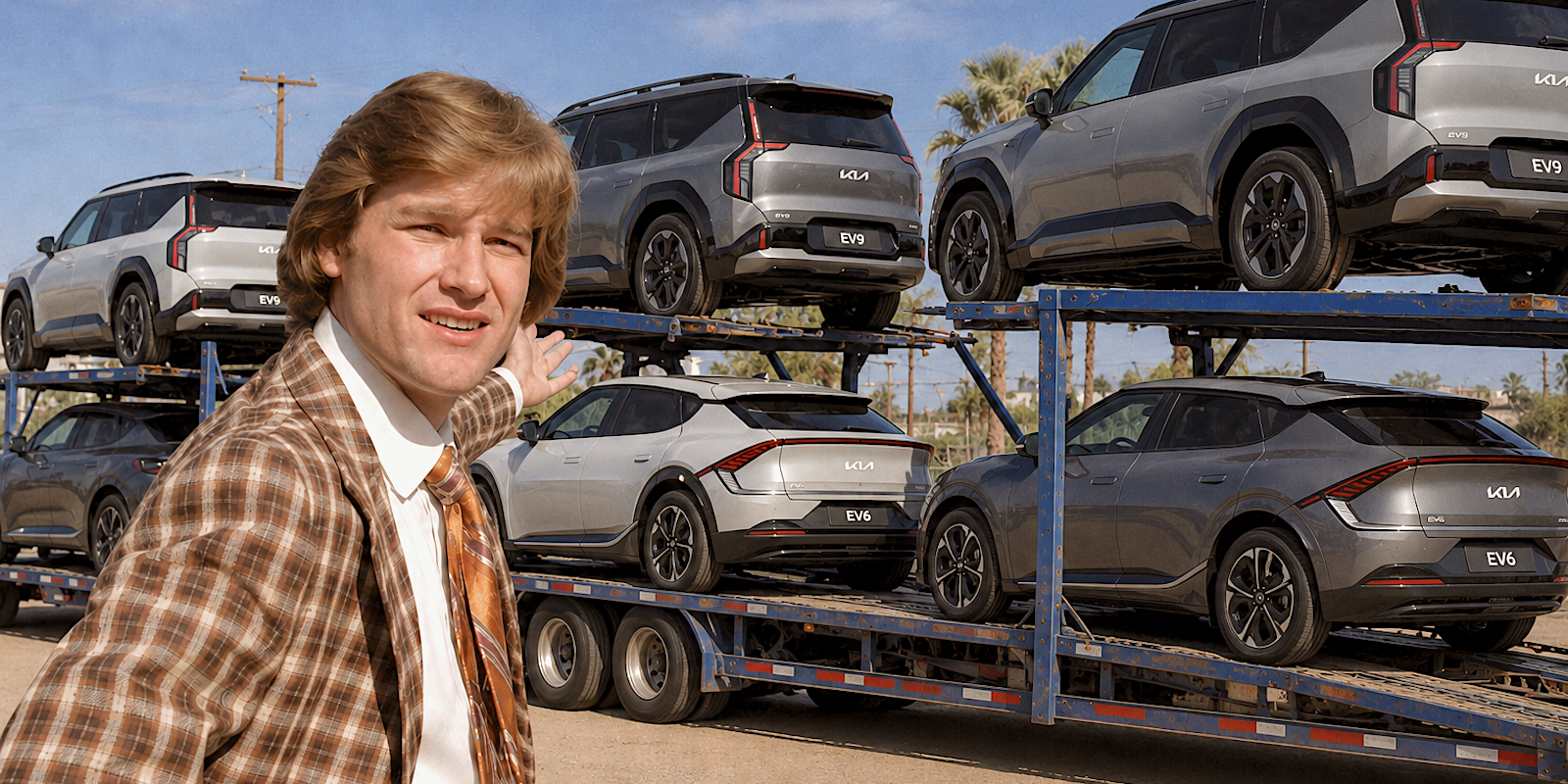
Electric vehicle deals to escape negative equity gas guzzlers
The Canadian government's iZEV incentive program and provincial rebates, such as those in British Columbia and Quebec, offer significant savings for electric vehicle (EV) buyers, with models like the Ford F-150 Lightning and Kia EV9 eligible for up to $9,000 and $14,100 in incentives, respectively.. Several EV models, including the Honda Prologue and Jeep Wagoneer S, are offering substantial cash incentives, such as $7,500 and $8,250 in sales credits, to help Canadian buyers overcome barriers like negative equity and high down payment requirements.. Canadian pricing for these EV models, combined with federal and provincial incentives, makes them more competitive in the market, with the Kia EV9 and Mercedes-Maybach EQS offering significant discounts of up to $14,100 and $27,000, respectively, and available at dealerships across Canada.

Jun 14, 2026
Tesla Model Y Range Drops Significantly in Low Mileage 2025 Vehicle
A 2025 Tesla Model Y Long Range Rear-Wheel Drive showed significant electric vehicle battery degradation, with its battery health dropping to 88% after just 13,162 miles, resulting in a reduced range of 302 miles, 36 miles less than when new.. The vehicle's charging habits, with 57% of charges done via DC fast charging, may have contributed to the capacity loss, but the constant drain on the battery from features like Sentry Mode and Cabin Overheat Protection is also a suspected factor in the battery degradation.. Canadian EV owners can take steps to minimize battery degradation, such as avoiding extreme temperatures and frequent fast charging, and may be eligible for provincial rebates and incentives, like those in British Columbia and Ontario, to help offset the cost of purchasing an electric vehicle.
Jun 13, 2026
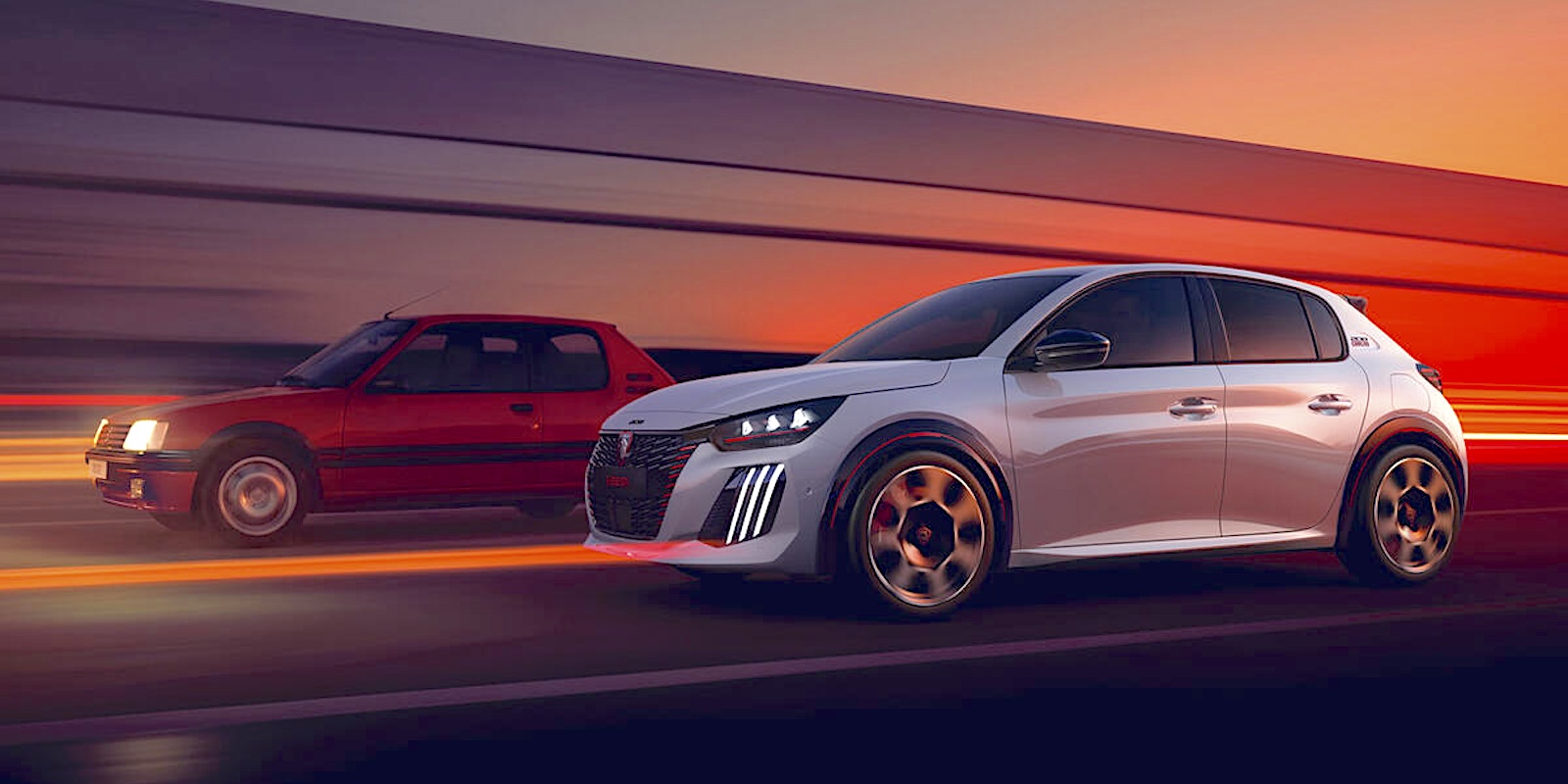
Peugeot E 208 GTi Electric Car Unveiled with 280 Horsepower
The Peugeot E-208 GTi, a modern electric vehicle (EV) hot hatch, has been unveiled with 280 hp and 345 Nm of torque, promising a thrilling driving experience with its impressive performance specs.. The E-208 GTi features a 54 kWh battery, providing an estimated range of 217 miles, and is expected to be eligible for the Canadian iZEV incentive program, offering a rebate of up to $5,000 for eligible electric vehicles.. The Peugeot E-208 GTi is expected to arrive in Canada soon, with pricing yet to be announced, but estimated to be around $46K USD, and will be eligible for provincial rebates and incentives, making it an attractive option for Canadian EV buyers.
Jun 13, 2026
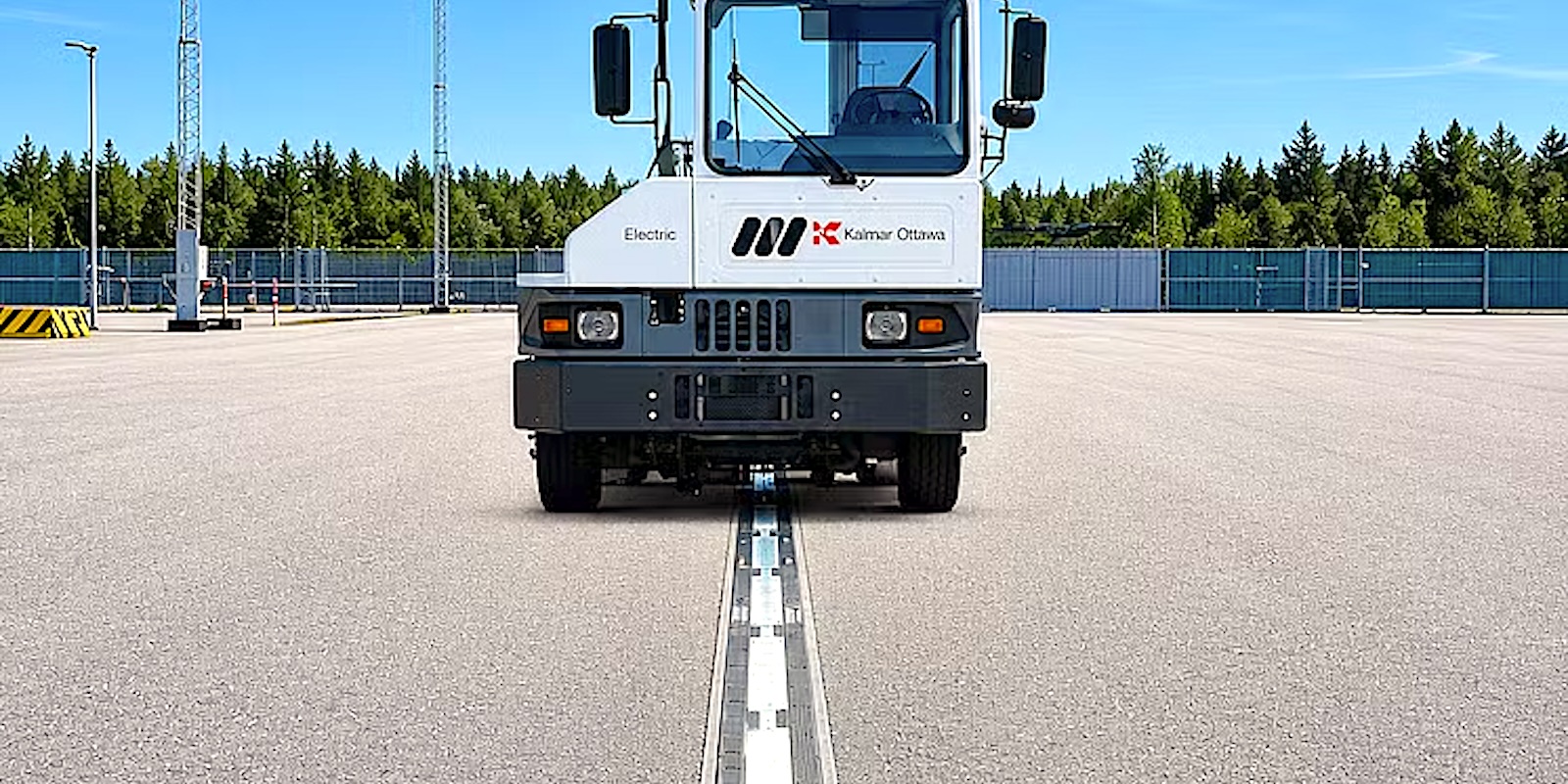
Rechargeable High Definition Electric Slot Cars with Permanent Power Source
The Kalmar Ottawa T2 EV electric terminal tractor has been successfully tested with an in-road charging system in Sweden, paving the way for adoption in Canadian ports and logistics, and reducing greenhouse gas emissions from electric vehicles (EVs) in the industry.. The Elonroad system enables continuous operation of electric terminal tractors without plugging in, using an electrically charged rail embedded in the road to send power to the trucks, making it an ideal solution for Canadian companies looking to transition to electric vehicle (EV) technology.. Canadian companies can benefit from adopting electric terminal tractors, with competitive pricing to diesel counterparts, and incentives such as the iZEV program and provincial rebates in British Columbia and Quebec, promoting the growth of electric vehicles (EVs) and sustainable transportation in Canada.
Jun 13, 2026
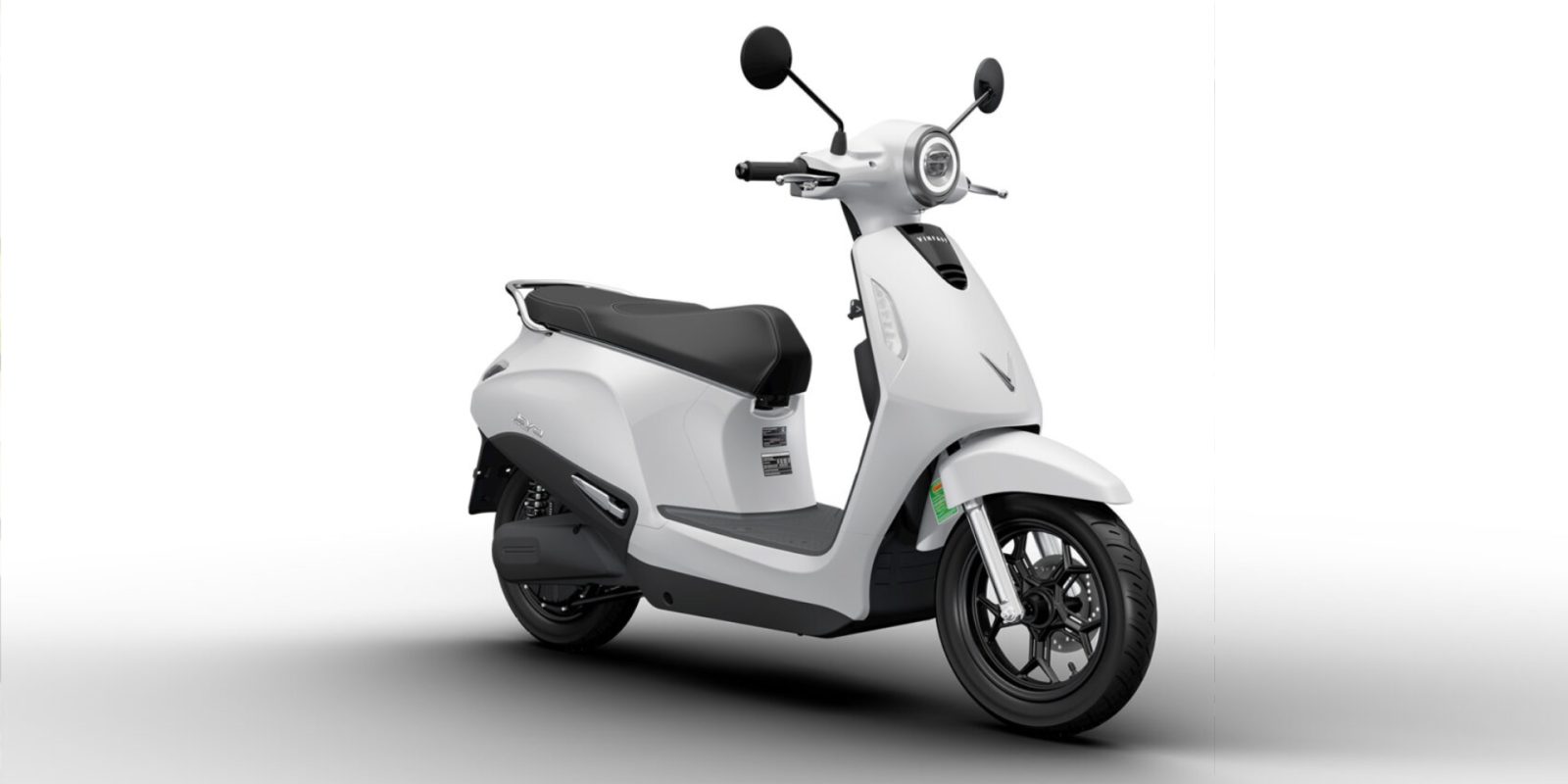
Electric car company reaches one million electric motorcycle production milestone
VinFast, a Vietnamese electric vehicle company, has reached a milestone of producing its one millionth electric scooter, highlighting the growth of the Asian e-mobility market and the company's success in the electric two-wheeler industry.. The company's approach to battery swapping offers a convenient alternative to plug-in charging, with a network of charging and battery swap locations across Vietnam, and may appeal to Canadian consumers eligible for iZEV incentives and provincial rebates for electric vehicles.. VinFast has sold over 406,000 electric motorcycles in 2025, with nearly 750 authorized dealerships and service centres in Vietnam, and is expanding its manufacturing capacity, with Canadian pricing and availability for its electric scooters yet to be announced.
Jun 13, 2026
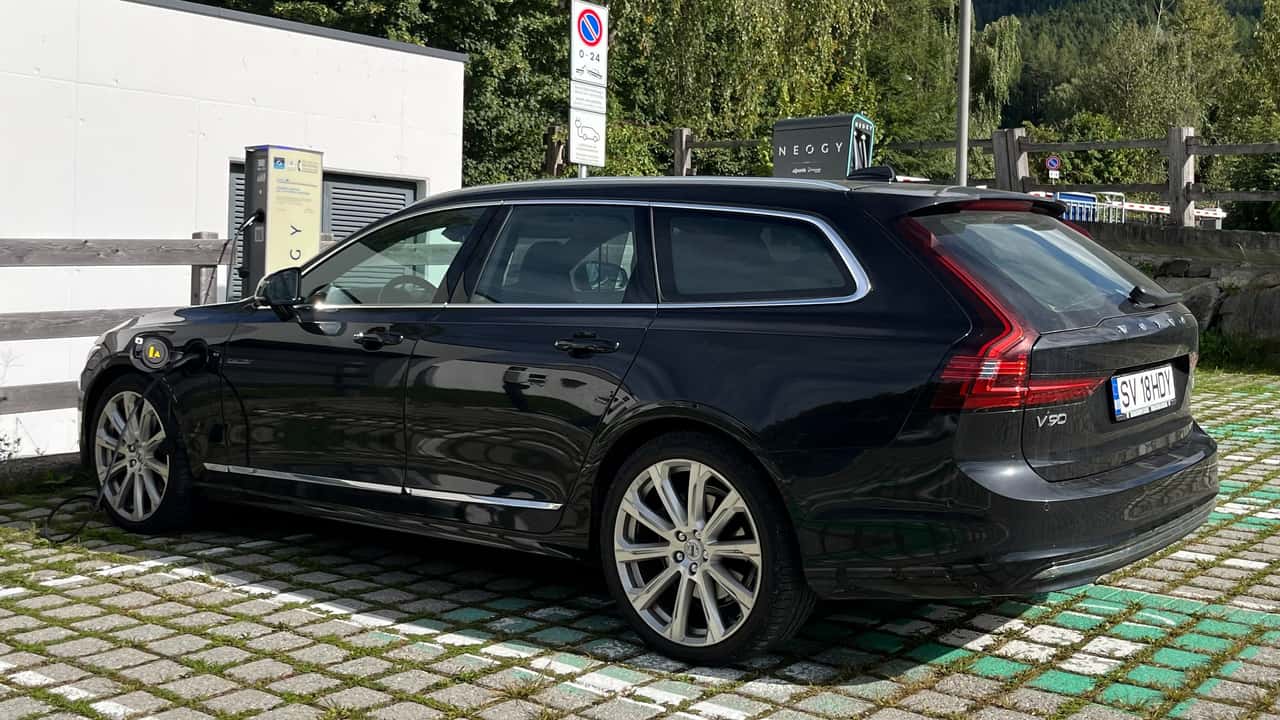
Improving Plug In Hybrid Fuel Economy To 50 MPG With Simple Trick
Electric vehicle sales in Canada have not met expectations, leading car companies to focus on hybrids and plug-in hybrids, which are gaining popularity among Canadian consumers looking for fuel-efficient electric vehicles.. The 2023 Volvo V90 T8 Recharge Plug-in Hybrid is eligible for up to $5,000 in federal rebates and up to $3,000 in provincial rebates in British Columbia, making it an attractive option for Canadians looking for affordable electric cars.. A real-world experiment with a used 2023 Volvo V90 plug-in hybrid wagon achieved an average fuel economy of 4.5 litres per 100 kilometres over a 400-kilometre trip, demonstrating the potential for significant fuel savings with careful management of driving modes and battery settings in Canadian driving conditions.. Canadian drivers can optimize fuel efficiency in their plug-in hybrids by understanding the different driving modes and battery management settings, taking advantage of the country's low electricity costs, and utilizing time-of-use pricing to charge their vehicles during off-peak hours, making electric vehicle ownership more cost-effective.. With the Canadian government's incentives and provincial rebates, purchasing a plug-in hybrid or electric vehicle can be a cost-effective and environmentally friendly option for many Canadians, offering a range of benefits including reduced fuel bills and minimized environmental impact.

Jun 13, 2026
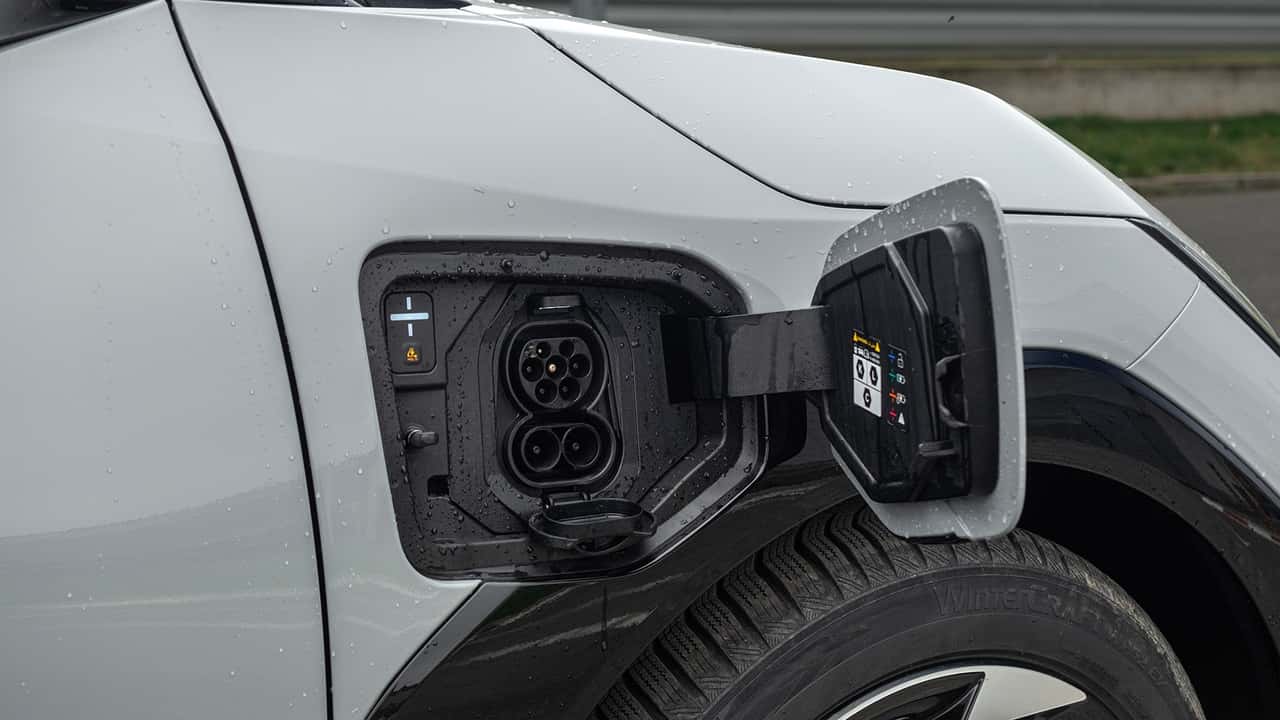
GM Invests in Sodium Batteries and Electric Vehicles for Grid Power
General Motors is expanding into energy storage and EV charging in Canada, developing sodium-ion batteries as a cost-effective alternative to lithium-ion batteries, which could reduce costs for Canadian consumers and provide a sustainable source of energy storage for electric vehicles.. The company plans to connect 52,000 EVs to the grid by the end of the decade, providing a significant source of energy storage for the Canadian power grid and potentially helping to stabilize the grid and reduce strain on provincial energy systems, supporting the growth of the Canadian EV market.. GM's sodium-ion batteries are expected to be 20% less expensive than lithium-iron-phosphate batteries, making them an attractive option for energy storage applications, and the company's Energy Pass system will integrate charging and payments across major networks, including Electrify America and ChargePoint, making EV charging more convenient for Canadian consumers.
Jun 13, 2026
Electric Vehicles Proven to be Cleaner than Gasoline Powered Cars
A new MIT study found that electric vehicles (EVs) can reduce greenhouse gas emissions by 40% to 60% compared to combustion cars, with some areas experiencing savings as high as 82%, making EVs a crucial component in Canada's efforts to reduce emissions.. The study highlighted regional variations in emissions savings, with provinces like Ontario and Quebec, which have a high percentage of hydroelectric power, likely to experience significant emissions savings from EVs, making Canadian EV adoption more environmentally beneficial.. In the Canadian context, EVs are becoming increasingly popular, with the government's iZEV incentives and provincial rebates making them more affordable, and models like the Chevrolet Bolt available for purchase, allowing Canadians to reduce their carbon footprint and improve local air quality.. Plug-in hybrids (PHEVs) were found to achieve 80% to 90% of the emissions savings of battery-electric vehicles (BEVs) in urban areas, and are eligible for the iZEV incentive in Canada, making them a viable option for Canadians looking to reduce emissions.. The study's findings emphasize the importance of continuing to shift towards renewable energy sources, such as wind and solar power, to further reduce the emissions savings of EVs in Canada, and support the country's goal of reducing greenhouse gas emissions through increased EV adoption.

Jun 12, 2026
Solid State Batteries Power Electric Vehicles in Real World Use
Solid-state EV batteries are being tested on Canadian and American roads for the first time, promising longer range, faster charging, and lower costs for electric vehicle owners, with potential to increase driving range by up to 50% and allow for ultra-fast charging.. The new battery tech, developed by Factorial Energy, has achieved an energy density of 375 Wh/kg with over 600 cycles, and demonstrated ultra-fast charging capabilities, going from 15% to 90% in just 18 minutes, making long road trips in electric vehicles more feasible.. The successful integration of solid-state batteries into an EV could lead to more affordable and efficient electric vehicle options in the Canadian market, with Factorial working with major automakers to commercialize the technology and potentially increasing availability of EV models at Canadian dealerships.