Apr 12, 2026
Workhorse Cuts Prices by $60000 as Purolater Acquires 100 Units
Workhorse has announced significant price reductions on its W56 electric vans, with discounts of up to $61,000, making zero-emission vehicles more affordable for Canadian fleet operators amidst soaring diesel prices.. Purolator has placed an order for 100 Workhorse zero-emission box trucks, highlighting the growing adoption of electric vehicles in the logistics sector and emphasizing the benefits of stable electricity costs over volatile fuel prices.. Canadian fleet operators can further reduce costs through provincial incentives and rebates, such as Ontario’s iZEV program, making the transition to electric fleets financially viable; promotional pricing is available until the end of September.
Apr 12, 2026
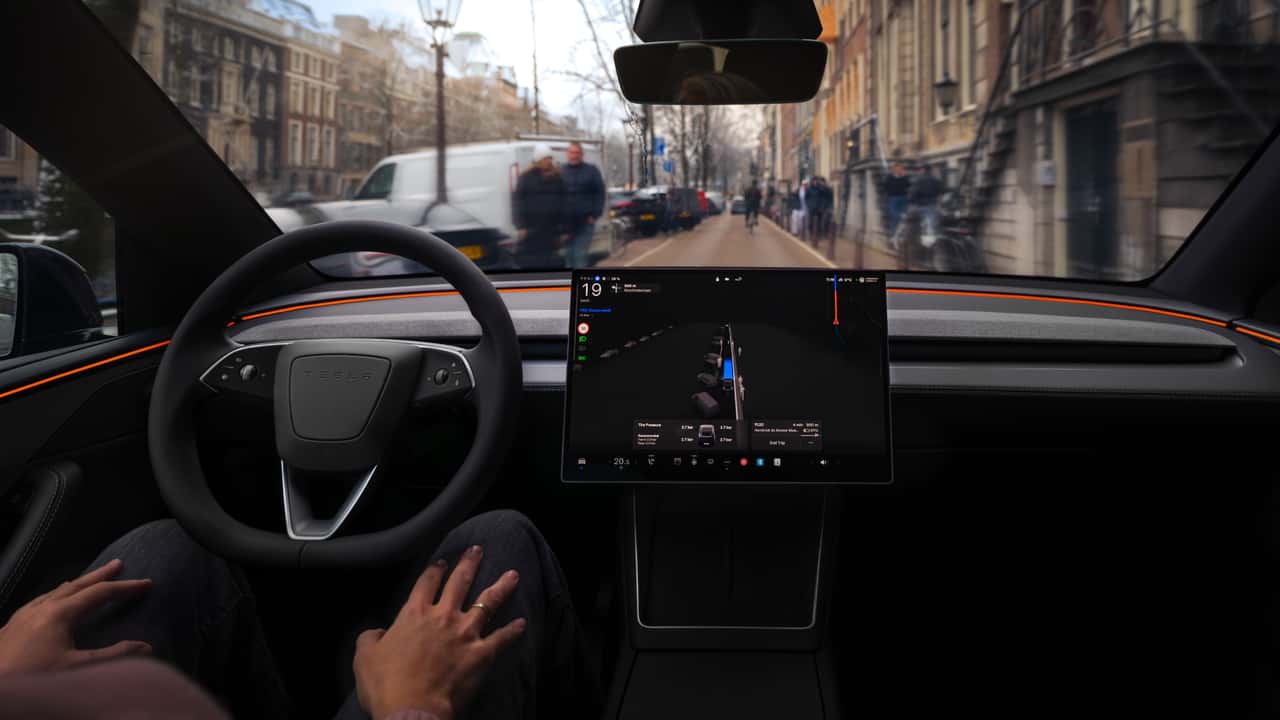
Tesla Autonomous Driving Gains European Approval But Not Nationwide Yet
Tesla’s Full Self-Driving (FSD) (Supervised) has received approval in the Netherlands, marking a significant milestone for Tesla’s European expansion and setting the stage for broader EU acceptance.. The approval followed an extensive 18-month testing period, with Tesla submitting thousands of pages of documentation, conducting thousands of track tests, and completing dozens of safety studies.. Tesla claims FSD (Supervised) reduces collision risk by up to seven times compared to manual driving, though independent verification of these claims is still pending.. While the Netherlands approval is a major step, EU-wide approval requires further review and voting by member states; Canada lacks a widespread regulatory framework for supervised self-driving systems.. Canadian drivers can benefit from provincial EV incentives, including for vehicles equipped with advanced driver-assistance systems (ADAS), though supervised self-driving features are not yet widely regulated in the country.

Apr 11, 2026
Final Tesla Model S and X Plaid Signature Series Starts at $159420
Tesla Canada is launching a limited-edition Garnet Red Signature Series of the Plaid Model S and Model X, with only 350 vehicles available — 250 Model S and 100 Model X.. The Model X Signature Series is priced at $159,420 CAD, a $30,000 CAD premium over the standard Model X Plaid, while the Model S price is expected to be around $155,000 CAD.. Canadian buyers can benefit from provincial incentives such as Ontario’s iZEV program, offering up to $4,000 CAD rebates for eligible electric vehicles.. Tesla will host a celebration event in May to mark the end of production for the Model S and Model X, which began in 2012 and 2015 respectively.. Production of the Model S and Model X has ended, with only about 600 units remaining globally, and the Fremont factory is now being repurposed for Optimus humanoid robot production.
Apr 11, 2026
Electric Articulated Haul Trucks Enter Mass Production Series Video
Volvo CE has begun serial production of the A30 and A40 Electric articulated haul trucks, marking the world’s first for electric vehicles of this size in heavy-duty applications.. The A30 Electric offers a payload capacity of 64,000 lb (29 tonnes) with a 245 kWh battery, while the A40 Electric provides 86,000 lb (39 tonnes) with a 324 kWh battery, both powered by 350 kW electric motors.. Initial deliveries will start in the UK and Norway, with further European distribution planned for late 2026, and potential future availability and incentives for Canadian industries through programs like Canada’s iZEV strategy.

Apr 11, 2026
Honda's Adorable Electric Vehicle Features Realistic Gear Shift Simulation
Honda has launched the Super-N electric vehicle in select global markets, starting with the UK, priced under £20,000 ($26,900 USD), but it will not be available in Canada.. The Super-N, based on the Honda N-One kei car, offers 63 horsepower, boostable to 94 horsepower, and a range of 128 kilometres (WLTP), with a suspected 29 kWh battery.. The Super-N features a retro design and simulated engine sounds for an enhanced driving experience, though it’s unlikely to reach Canadian or U.S. markets due to its small size and modest performance.. The Super-N underscores a gap in the Canadian EV market for affordable, small electric vehicles, as there are limited options currently available for Canadian drivers.. Canadian EV enthusiasts will need to await other EV announcements and continue to explore existing options, including those eligible for Canadian iZEV incentives and provincial rebates.
Apr 11, 2026
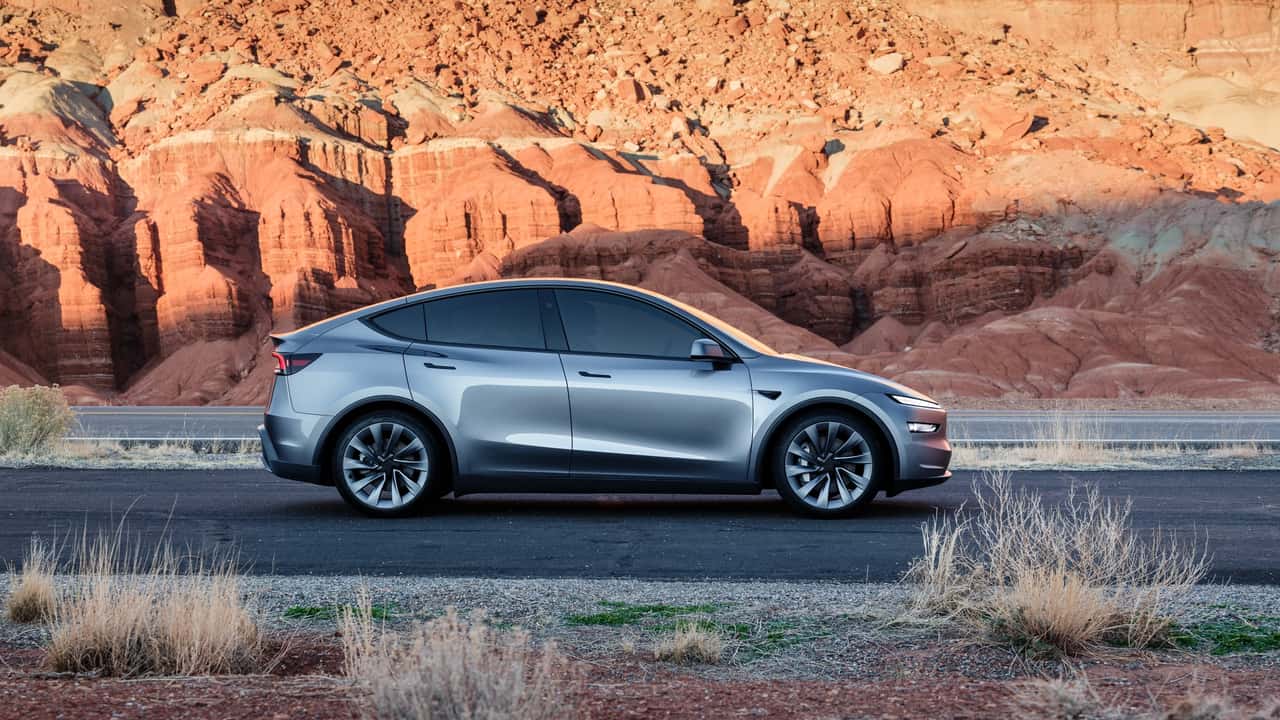
Tesla US Sales Decline in First Quarter Yet Market Share Rises
Tesla experienced an 8.4% decline in U.S. sales during Q1 2026, selling 117,300 vehicles, marking the lowest quarterly sales since late 2021 and the third consecutive year of year-over-year sales drops in Q1.. Despite the sales decline, Tesla's market share in the U.S. EV market rose to 54.2% in Q1 2026 from 43.2% a year earlier, as non-Tesla EV sales fell by 41% during the same period.. The Tesla Model Y continued to lead the EV market, accounting for 67% of Tesla's Q1 2026 sales and representing one in three EVs sold in the U.S., with sales growing 22% year over year.. In Canada, Tesla benefits from provincial rebates and incentives such as up to $4,000 in Ontario, up to $3,500 in British Columbia, and substantial support through Quebec's RÉVE program, helping to reduce the effective price for Canadian buyers. All Tesla models remain available in Canada.
Apr 10, 2026
Electric Vehicle Prices Fall Further as Price Difference with Gasoline Cars Reaches Record Low
EV prices in North America are declining, with the average transaction price dropping to $54,508 in March, a 2.8% decrease year over year. Incentives for EVs have surged to 14.6% of the transaction price, amounting to nearly $8,000, significantly boosting affordability. Canadian provincial programs like Ontario’s $4,000 rebate, British Columbia’s $4,000 rebate, and Quebec’s $7,000 rebate further enhance EV affordability.

Apr 10, 2026
Driver Switches from RAM 3500 to Silverado EV and Reveals Amazing Fuel Savings
Switching from a diesel truck to an electric vehicle (EV) in Canada can lead to significant savings, with operating costs over 60% cheaper per kilometre.. The 2026 Chevrolet Silverado EV, with its 170 kWh battery, achieves approximately 3.2 kilometres per kWh, costing around $0.09 per kilometre to operate, compared to $0.24 per kilometre for a diesel truck.. Canadian drivers can benefit from substantial government incentives, such as up to $4,000 through the iZEV program, and provincial rebates ranging from $3,500 to $13,000, making EV ownership more affordable.

Apr 10, 2026
Tesla Netherlands FSD Supervised Approval Explained
Tesla's "Full Self-Driving" Supervised system has received key European approval in the Netherlands, marking the first country to endorse this Level 2 driver-assistance technology under UN R-171 regulations.. The system underwent extensive testing, covering over 1.6 million kilometres on EU roads and meeting more than 400 compliance requirements, though it remains a supervised assistant, not a fully autonomous system.. While the approval is currently valid only in the Netherlands, other EU countries can recognise it nationally, with a potential broader European rollout targeted for summer 2026, subject to individual country approvals.. Canadian EV buyers can benefit from provincial rebates such as Ontario’s $5,000 iZEV program and British Columbia’s $3,000 rebate, though Tesla’s FSD Supervised system is not yet available in Canada.. Unlike the U.S., European regulations require type approval before deployment, ensuring higher safety standards and legal protections for consumers, which may impact Tesla’s future rollouts in Canada.

Apr 10, 2026
BC Hydro Named Top EV Charging Network in Canada at First Ever ChargeHub Awards
BC Hydro was named Canada’s top EV charging network at the inaugural ChargeHub Awards, highlighting its crucial role in expanding the nation’s electric vehicle infrastructure.. Canadian EV buyers benefit from substantial incentives, including up to $4,000 in British Columbia and $13,000 in Ontario through the iZEV Program, along with additional utility and municipal offers.. Other award-winning companies such as Circuit électric, FLO, Hypercharge, and Tesla are also advancing Canada’s EV charging solutions, from fast-charging stations to smart charging technology.. Provincial and federal governments are supporting EV adoption with policies and investments in charging infrastructure, aiming for net-zero emissions by 2050.. The growing and reliable EV charging network across Canada is encouraging more Canadians to make the switch to electric vehicles, promoting a sustainable, low-emission future.
Apr 10, 2026
Electric Vehicle Fleet Incentives Offer Real Benefits Amid Complex Paperwork Requirements
Canadian businesses can access substantial EV incentives through federal and provincial programs like the iZEV Program and EVIP, offering rebates up to $4,000 for zero-emission vehicle purchases. Proper documentation and compliance with specific criteria such as vehicle range and battery capacity are essential to claim EV tax credits and grants. Switching to an EV fleet offers long-term savings due to lower operating and maintenance costs compared to traditional vehicles, enhancing financial and environmental benefits.
Apr 10, 2026
NRC Announces April 15 Deadline for e-Auto Challenge Applications
The National Research Council of Canada opens applications for its e-Auto Challenge on April 15, aiming to boost small- and medium-sized enterprises in the electric vehicle (EV) supply chain. Participants can access funding, expert mentorship, networking opportunities, and state-of-the-art facilities to develop and commercialize EV technologies. The challenge aligns with Canada’s growing EV market and incentives like the iZEV program, offering SMEs a chance to contribute to the nation’s sustainable transportation goals.